Basketball Fandom & the Billionaire Disconnect
James Dolan’s embrace of Trump in the midst of a feel-good championship run is the latest example of the massive disconnect and conflict between a team’s fanbase and its owner
Game 3 of the NBA Finals was a pivotal moment for the New York Knicks, but also for the people of New York City. The Knicks, after winning the first two games in San Antonio, were two wins away from ending a 53-year championship drought. Game 3 was the first Finals game in the city since 1999, when a surprise Knicks team lost to those same Spurs in 5 games. New York City, a town that had fallen deeply in love with these Knicks, was understandably excited.
Despite all this excitement, team owner James Dolan couldn’t help himself. When the vibes around the franchise and the city were at an all-time high, Dolan made the controversial decision to invite President Donald Trump to Madison Square Garden to watch the game.
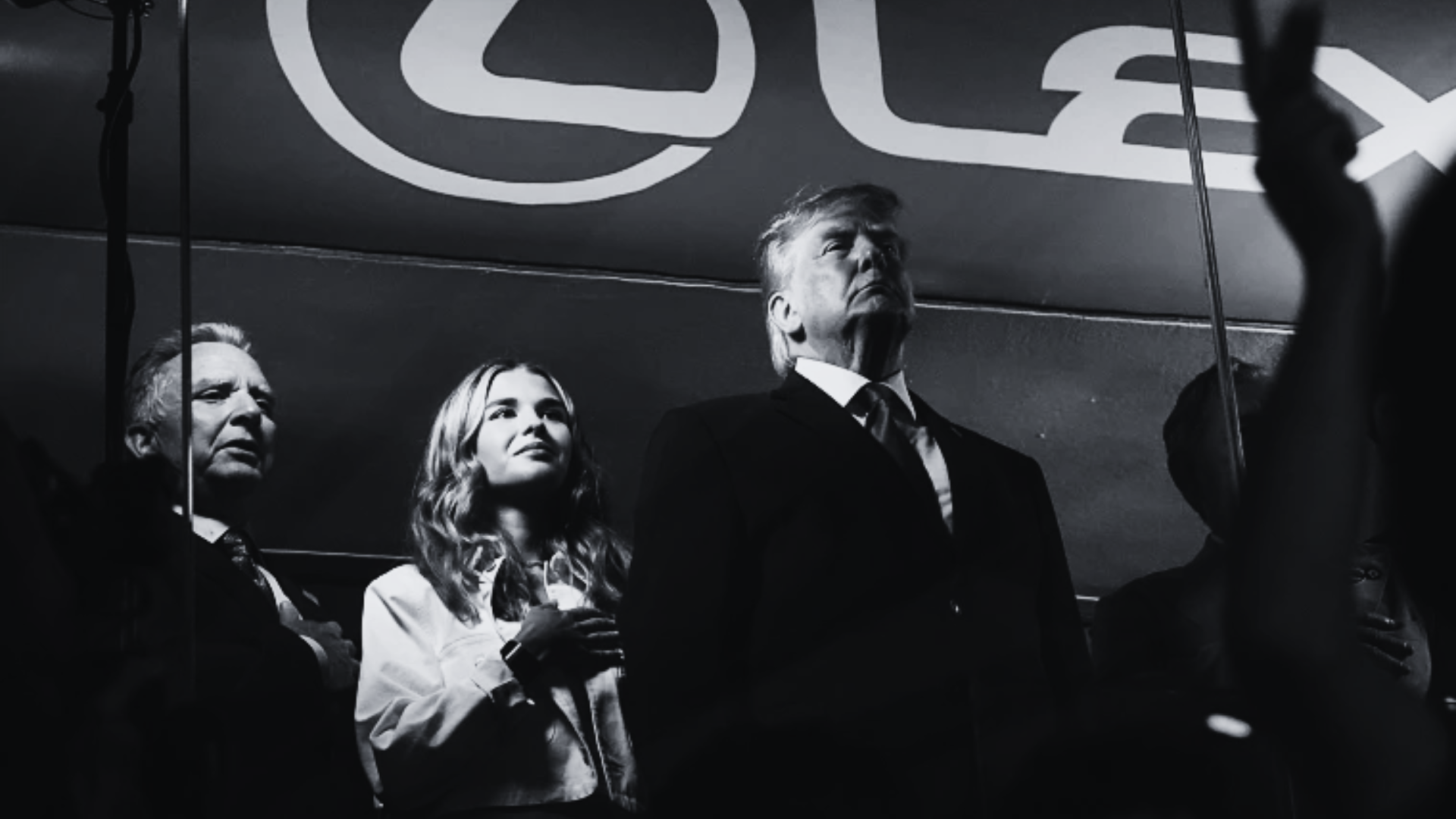
The Knicks lost Game 3, their only loss in the Finals, as they ended their 53-year championship drought. Now after winning the title, Dolan has confirmed that the Knicks will accept an invitation to the White House, becoming the first NBA champions to accept an invitation to the White House while Trump is in office. Dolan’s inability to read the room is indicative of two things: the need to separate ownership from teams and the widening divide in this country between the mega rich and average people.
On the day of Game 3, the atmosphere surrounding the Garden shifted instantly from euphoric excitement to the absurd. Because there had never been a sitting president attending an NBA Finals game before, different security measures were required for those entering the Garden. Madison Square Garden warned ticket-holders and fans that there would be long TSA-style lines, and to arrive at the game at least two hours early in anticipation of extensive security because of the president’s presence.
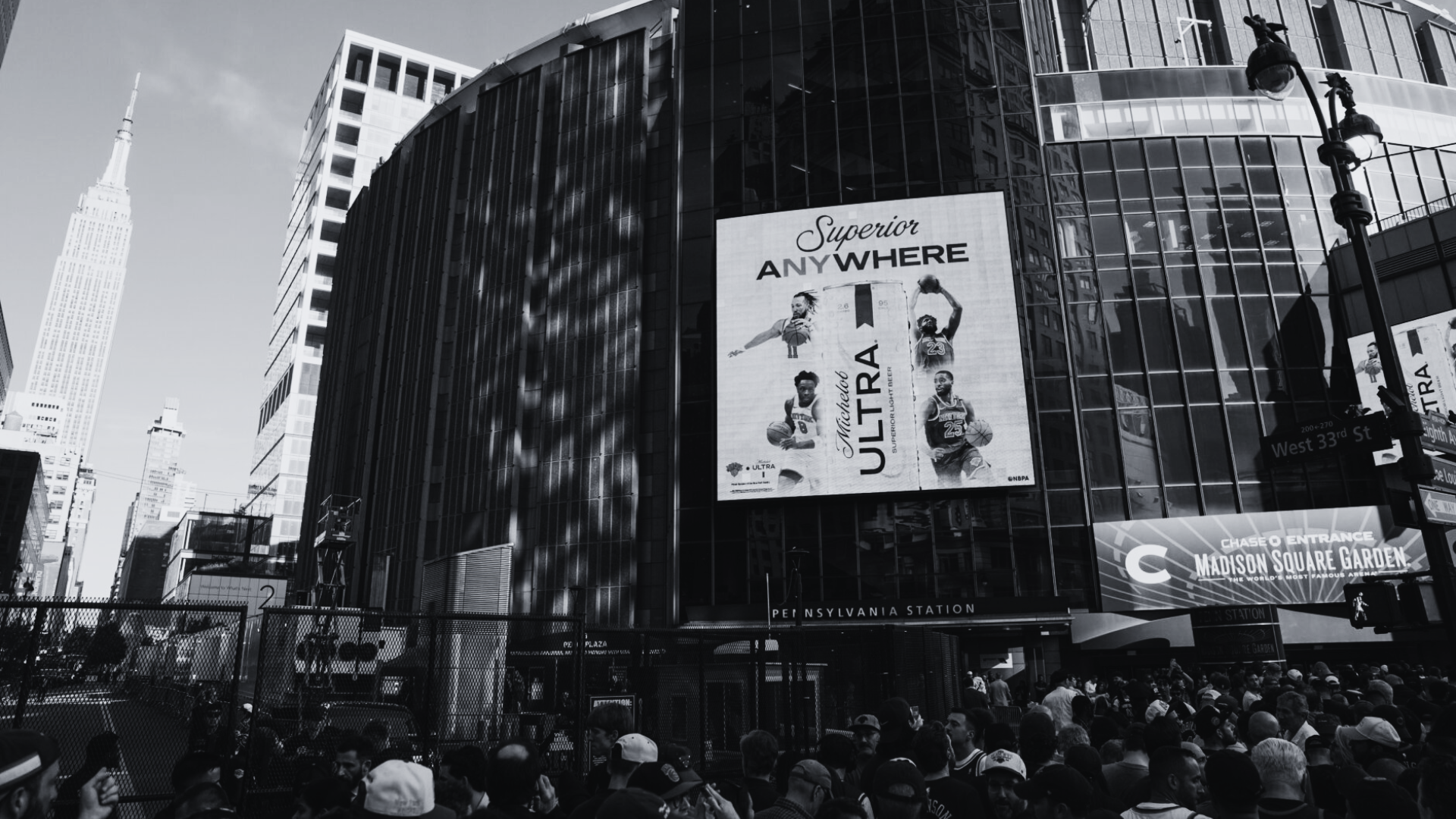
This wasn’t the only inconvenience for fans. There was also a strict no-bag policy, Secret Service were patrolling the Garden, and streets were closed around the arena to ensure the safety of Trump. This was a huge inconvenience for those that were attending the game, but it was a huge blow to those that were outside the arena as well.
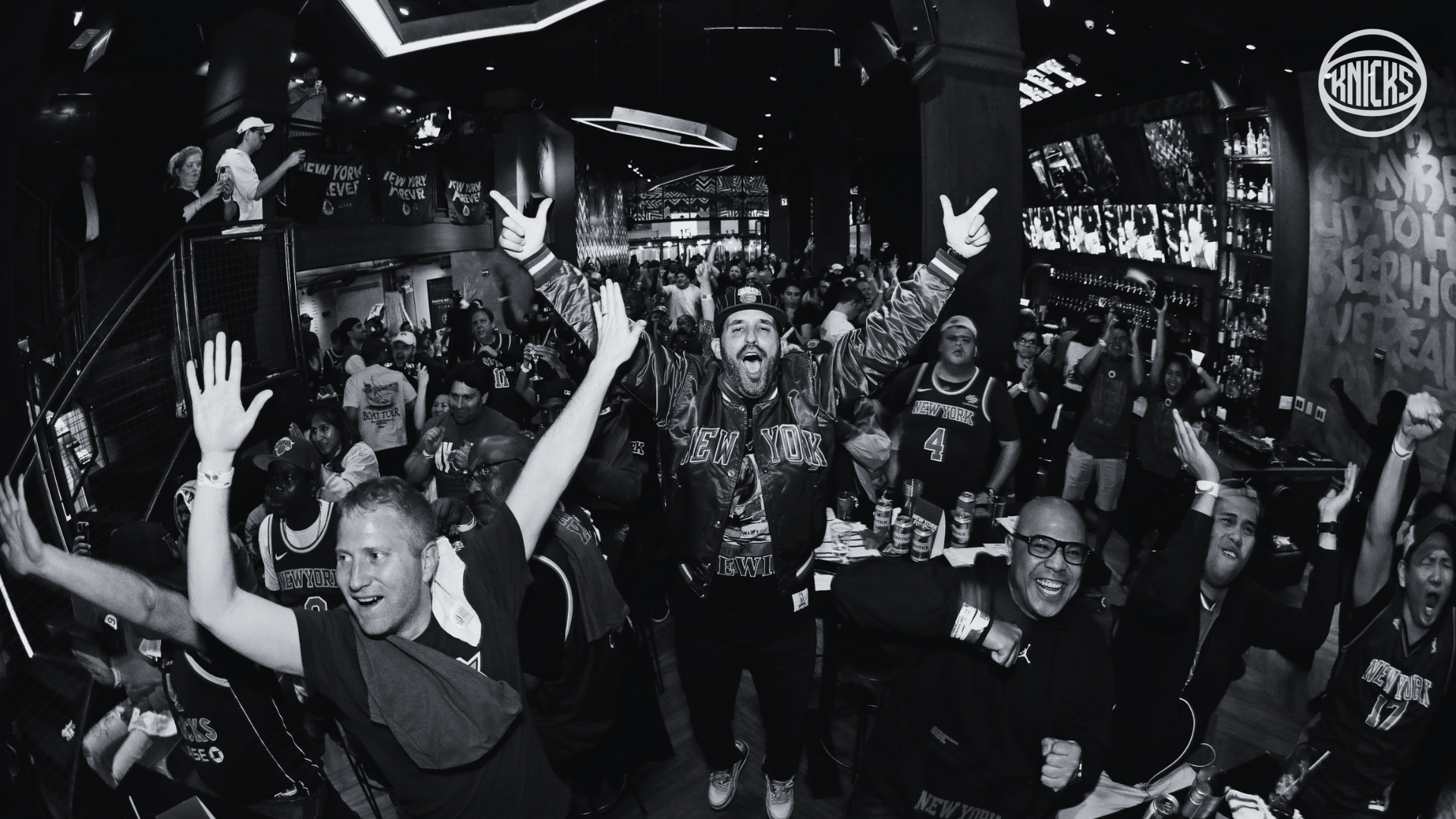
Throughout the Knicks playoff run, MSG had organized numerous watch parties. This practice started in previous seasons and presented a way for fans unable to afford tickets to have a sense of community with their fellow Knick fans. But because of Dolan’s invitation of Trump into the arena, these were shut down for security purposes. The message that this sent was clear: the accommodation of one rich and powerful man was more important than the enjoyment of hundreds of fans. Fans that had been priced out of attending games at the Garden but still were doing whatever they could to support this team.
Donald Trump in his second term in office is proving to be one of the more unpopular presidents of the modern age. At the time of this writing, Trump’s approval rating sits at around 36%, according to most polls. While it is not on par with the lowest—Harry Truman once had a 22% approval rating because of the war in Korea—he is the first president to have his approval rating dip below 50% in his first term and in the first year of his second term. To say that Dolan bringing him into the arena was a polarizing move would be a massive understatement.
The Garden crowd made no secrets about how they felt about the decision. During the singing of the National Anthem, Trump was shown on the jumbotron. As soon as the visual appeared, a loud chorus of boos filled the arena, drowning out the singing of the anthem. Trump in the 2024 election did surprisingly well for a Republican candidate in New York City, receiving 30% of the votes against Democratic candidate Kamala Harris. But whatever supporters he had in the city were not there in the arena that night, as the crowd reminded the president that the majority in the city do not like him or his policies.
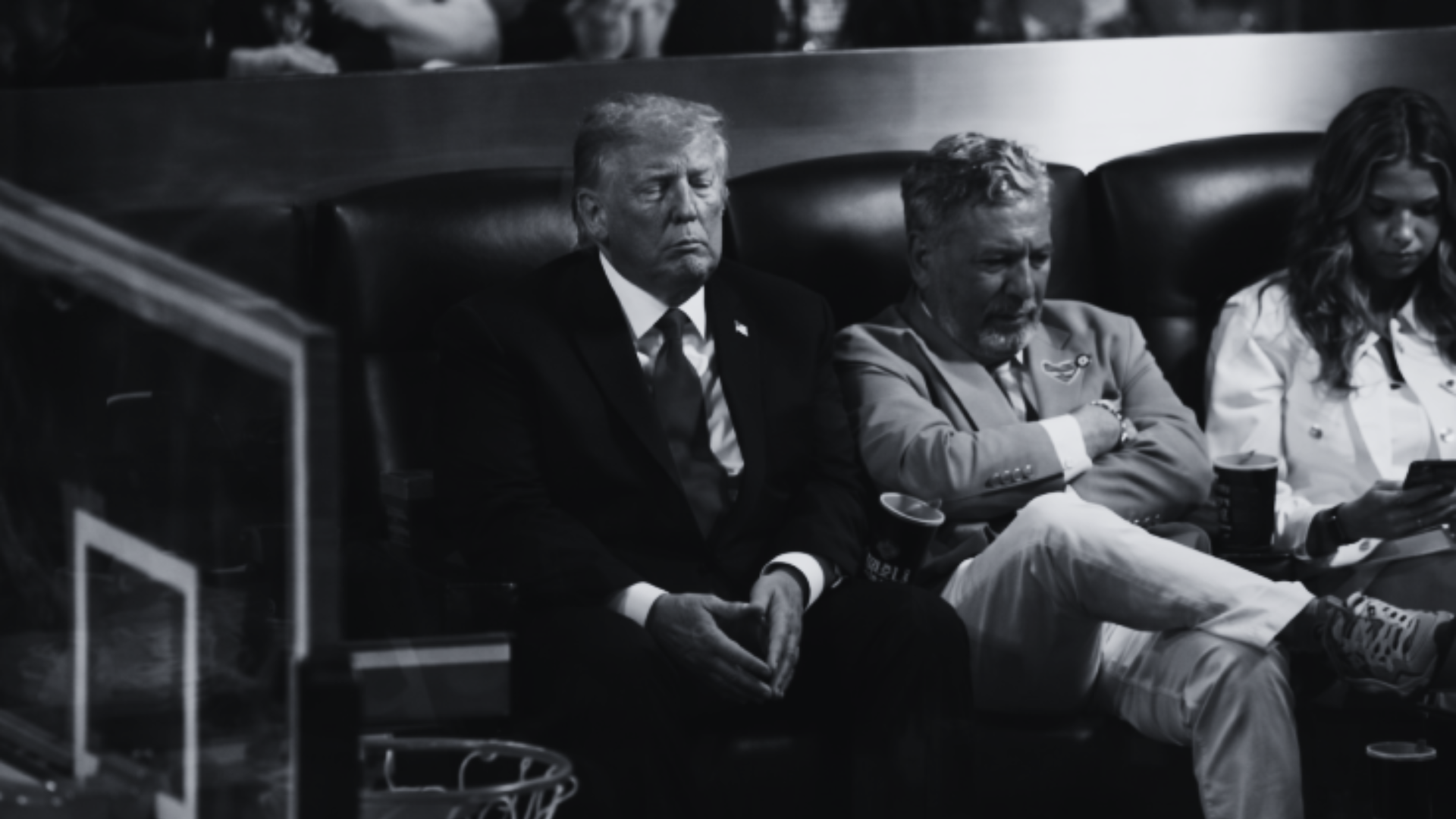
It’s not a mystery that Trump is unpopular, which makes it even more maddening that Dolan went through with it anyway. Trump and Dolan have been friends long before the presidency. Dolan was married at Mar-A-Lago in 2002, and his son Charles was also married there in 2017. They ran in similar business circles in the early 2000s and have remained friendly ever since, with Dolan contributing to Trump’s presidential campaigns over the years. The impression here is that Dolan simply valued hanging out with his friend over the enjoyment of his customers, Knicks fans, for a run that they have been waiting years for.
Consider for a moment, if you’re an average Knick fan. You have been watching this team since you were a kid. You’ve dealt with the few ups and many downs, and finally your loyalty is being rewarded with a likable team making its first Finals run in 27 years. Maybe you’re unable to afford games at MSG, but the watch parties have developed a sense of community, leading to a sense of euphoria that has been foreign to you as a sports fan. And then, on the cusp of the biggest basketball game in New York City in a quarter of a century, that euphoria is squashed because one rich guy wants to entertain another rich guy.
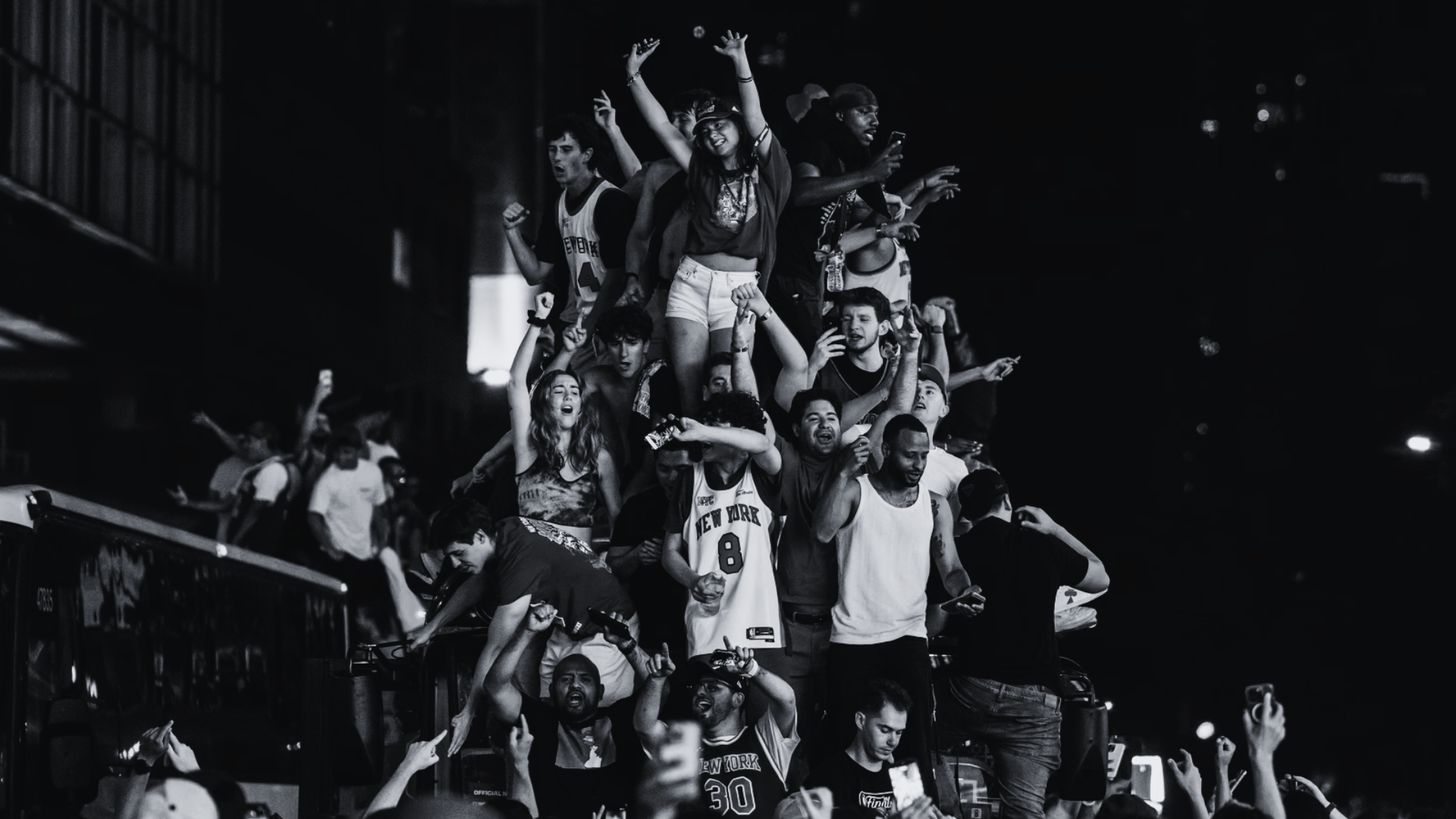
The social media reaction to Trump’s presence in the arena was visceral, with some right-wing pundits criticizing Trump for attending. Ann Coulter said that attending the game ranks among the “absolute worst of all the selfish and narcissistic things that Trump has done.” Stephen A. Smith, who has recently aligned himself with Trump, also was critical, calling the decision “selfish” and “narcissistic”. James Dolan saw that reaction, saw the boos for Trump at the Garden, and still decided that he would accept a White House visit.
The act itself reiterates a growing disconnect between the ultra-rich in this country and everyone else. There was a time when the rich were idolized, respected, and revered. In the wake of World War II, the middle class boomed and taxes on top marginal tax rates hit record highs. This made extreme wealth less visible and those that were visible were often seen as philanthropists and viewed relatively favorably.
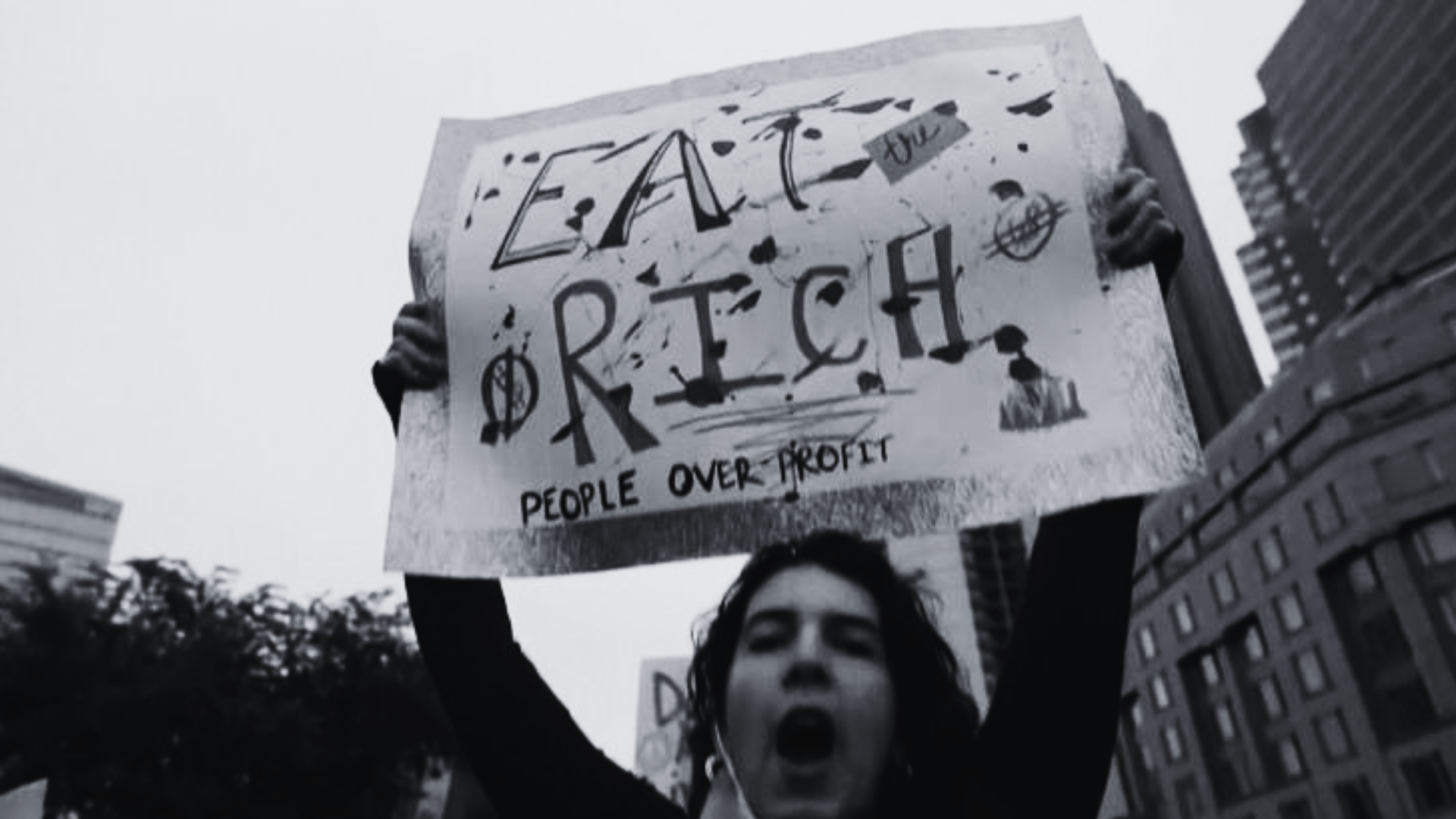
With the rise of the tech giants in the late 20th century, deregulation was on the rise and led to the creation of billionaires. There was increasing skepticism, but there was also a sense of aspirational respect, especially with tech founders. Consider how figures like Steve Jobs, Bill Gates, Mark Zuckerberg, and Elon Musk were viewed with deference in this era, we viewed them as humanists and geniuses. There was some skepticism about their obscene wealth, but the general consensus was that there was a greater good calculus at play.
That somewhat positive sentiment has been erased today. Figures like Zuckerberg and Musk are wildly unpopular. The tech companies that were once viewed as aspirational are now looked at as predatory. According to an NBC News poll, 81% of Americans feel that there is massive division the wealthy and non-wealthy and 86% believe that wealthy individuals exploit their wealth to avoid legal repercussions for their actions.
Actions of people have validated these claims with actions such as the killing of United Healthcare CEO Brian Thompson and numerous attacks on OpenAI CEO Sam Altman’s home. Those two incidents address two pain points of modern American society: the broken and expensive health care system and the obliteration of the creative class by modern AI advancement.
The growing disconnect and animosity translates directly into the relationship with our favorite NBA teams. As of October 2025, there were only five NBA owners with a net worth of less than $1 billion. Owning an NBA team has quickly become a foolproof investment if you are obscenely wealthy. Nearly 95% of all political donations by professional sports team owners went to Republican causes, with a lion's share of that capital coming from the Adelson family ownership group who own the Dallas Mavericks. For a league that often positions itself as progressive and conscious of issues that matter to its players, the NBA’s ownership collective does not align with its fan base.
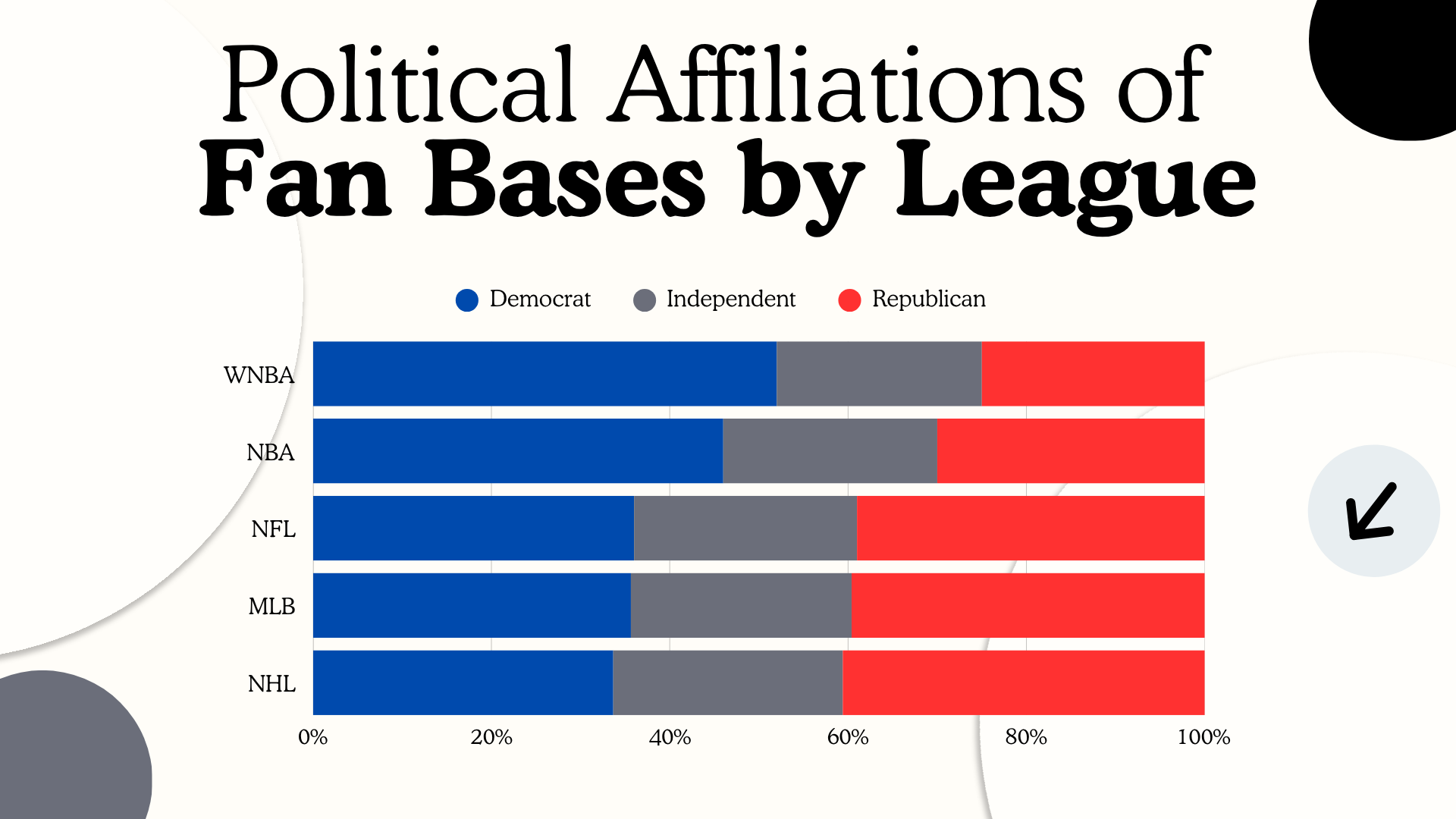
Compared to the other major men’s professional sports leagues, the NBA is by far the most left-leaning. While NFL, MLB, and NHL fans are roughly 40% conservative, the NBA only has a 30% right-wing supporter base. The reality is that nearly three quarters of a given team’s fans will disagree with their team’s ownership political leanings. This creates a chasm that forces us to wonder if we can truly separate the team we love from its owner.
In a modern capitalist society, there are a lot of concessions that we make ethically to enjoy the things we do. The phone in your hand, the laptop on your desk, and the earbuds playing your music were likely made with exploitative labor in Asia and Africa. The food we eat and the clothes we wear, likely came from a conglomerate that has a dubious record of environmental impact and poor worker conditions. In this system it’s incredibly difficult to do the right thing. More often than not, people cut where they can and try their best to do the right thing.
How that impacts something with such an emotional weight as a favorite team becomes interesting. There are some that would advocate to not watch, not to invest because of the ideology of ownership. That those ideologies are what led to so much division and hatred in the world in the first place. It’s not hard after all to point towards a donation to Trump and end up at the war with Iran without many degrees of separation. But a valid counterargument can be posed that if we were to deny ourselves of all things that bring us joy because of the ideologies of its financiers, it’s very likely that we will never be able to enjoy anything—and that’s not a way to live.
Fandom is often born at a young age. You are exposed to a team, and are fascinated by the athletic ability of players, and they become your heroes. I remember watching Patrick Ewing when I was 8 years old and thinking that he looked like a superhero. They are flawed heroes who don’t always win, but you form an attachment to them. They make you feel a special way that sticks through the years. It’s a connection so deep that it often allows you to overlook their flaws as human beings. Fandom in basketball is often ruthless and devoted; we see reflections of ourselves in a team and group of players.
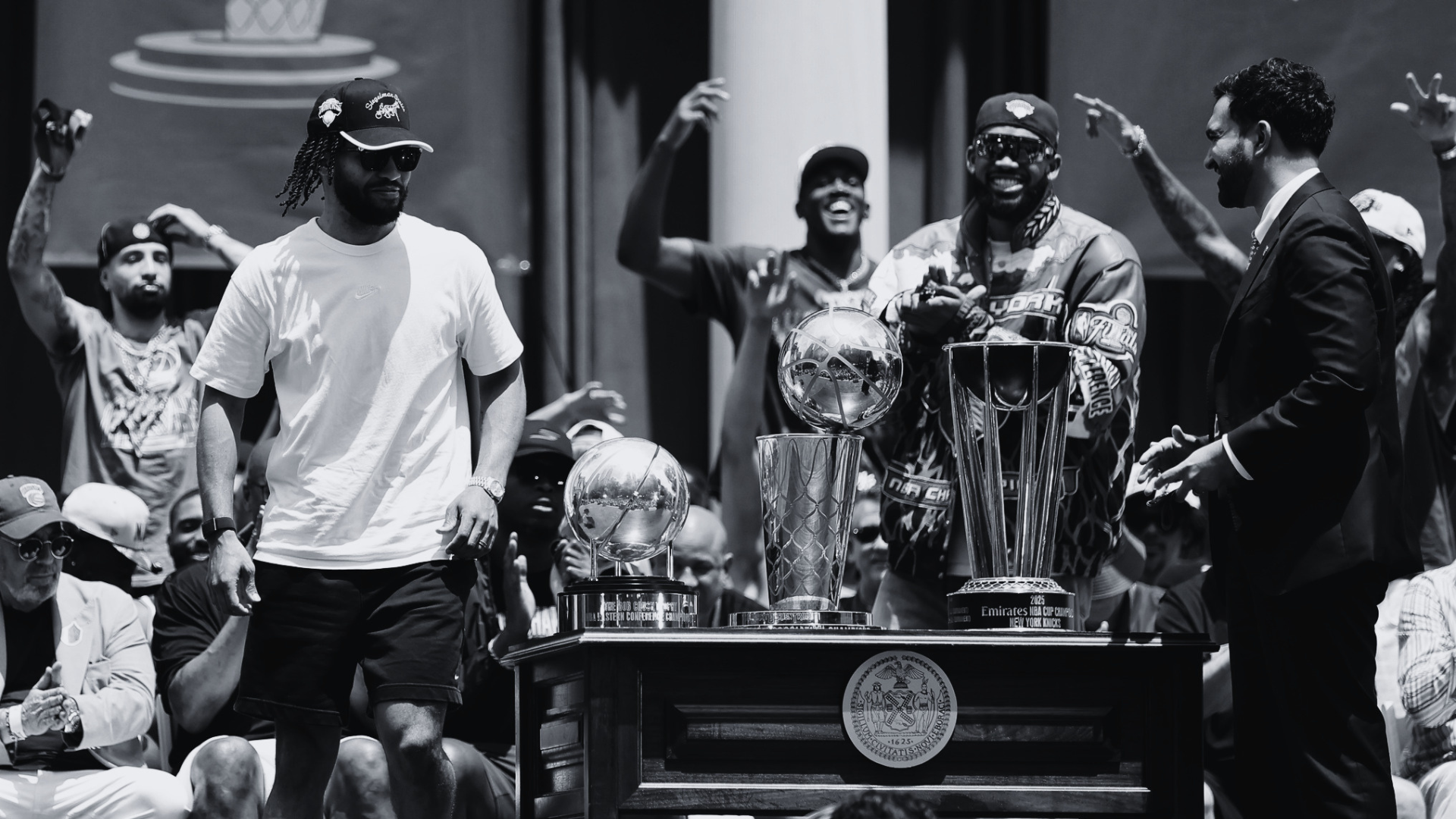
This Knicks team that won the title possesses a reflection that is quintessentially reflective of New York City. This is a diverse team with players having ancestry from the Dominican Republic, Puerto Rico, Nigeria, Philippines, Poland, and France. Its star, Jalen Brunson, is an undersized player that was doubted at every step and had to work for everything he got. Josh Hart is the type of hustle player that is as pure of a representation of what New York values. These Knicks were often overlooked and together formed something beautiful; it’s a similar construction to the fabric of New York City—a true tapestry. They represent a diversity that Trump’s White House has actively discourage, which makes the White House invitation decision by Dolan so tone-deaf.
New York City is the place you go to reinvent yourself, to find opportunity. Ellis Island is filled with those stories, the definition of the concept of the “land of opportunity”. The players on this Knicks team reflect that, a team defined by reinvention and rebirth. The team’s owner and his Game 3 guest, however, don’t reflect that same ethos. These are both products of nepotism, given multiple opportunities by their wealthy fathers. They are not a true representation of what matters to the fans of the team. And that disconnect is important to consider in the calculus of how to approach our favorite teams.
More than most things, local sports teams belong to the communities that they play in. This is an understanding that is known in European soccer but is sometimes forgotten in American sports. Teams play their games in a city, their players become pillars and heroes in the community, and they hold a certain level of emotional currency as a result. The glitz and glamour of the Lakers is reflective of the Hollywood influence in Los Angeles. The Pistons have been at their best when they embody an attitude of toughness and resilience, because that is when the city of Detroit is at its best. Basketball teams have a synergy with their cities, and that is how it always has been.
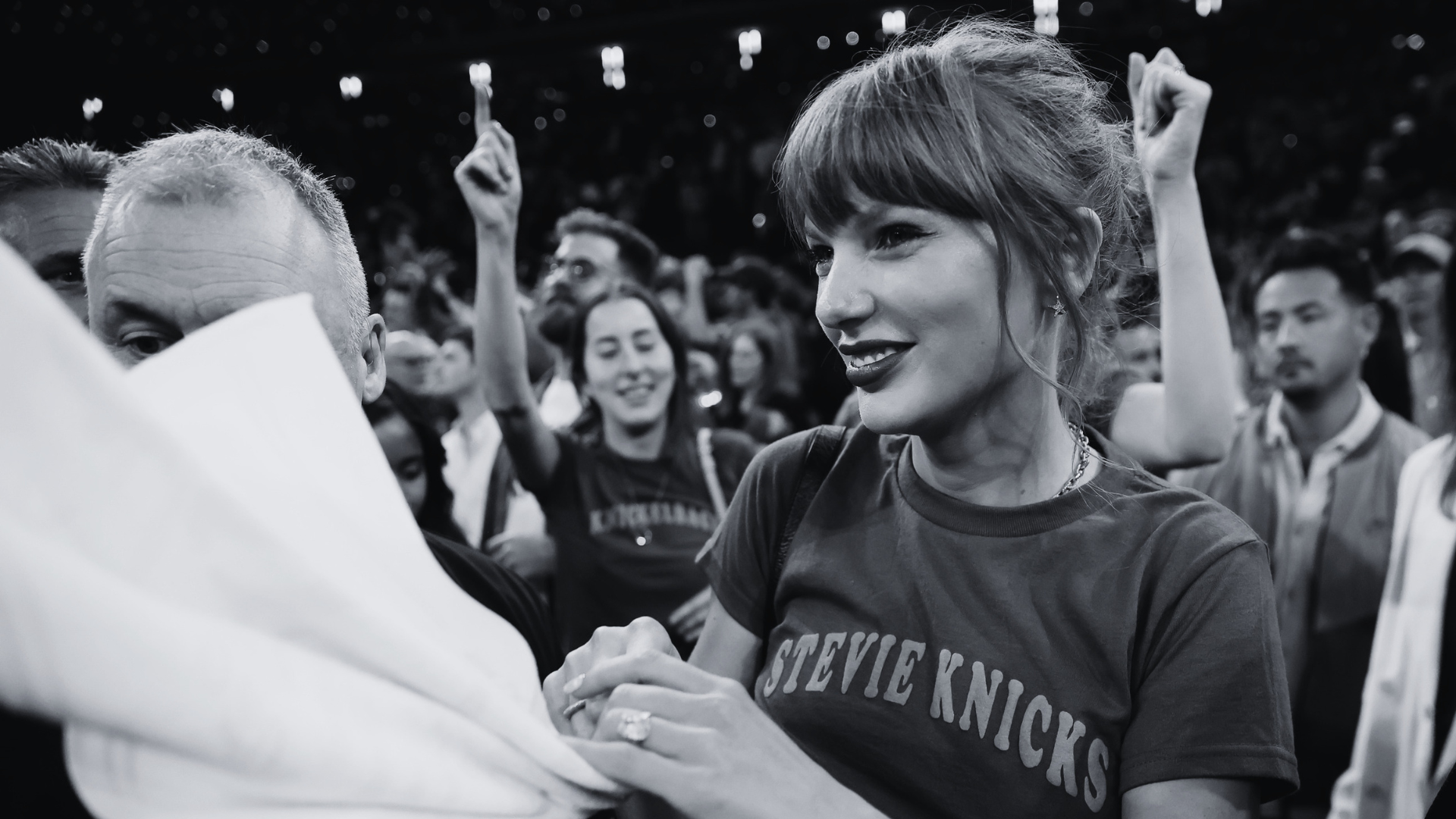
There is an inevitability in 2026 that anyone that has amassed obscene levels of wealth, they will let you down. There were decisions made to help them accumulate that wealth, and it's likely that what they did doesn’t align with your worldview. Look no further than the way some sentiment has shifted regarding Taylor Swift in this regard. Swift (who attended the NBA Finals in Knicks gear), has long been an icon of modern feminism and progressive causes, has faced criticism from her followers for being silent on political causes, releasing multiple albums in the name of flagrant consumerism, and her negative carbon footprint caused by the use of her private jet. Eventually billionaires, even the ones we have an attachment to, will let us down.
Therefore, it is no surprise that James Dolan, a figure that all Knick fans have loathed for decades at this point, would disappoint us in a moment of celebration. Billionaires will find a way to do that. We live in a landscape where we have never been more critical of those that have amassed and hoarded wealth. The billionaire owners of the teams we follow then become a price to pay for the fandom, a necessary evil of sorts.
It remains to be seen if the Knicks players will play ball and attend the White House. Josh Hart has been a vocal critic of Trump on X (formerly Twitter) and Karl-Anthony Towns once called Trump out for being too online. It’s another example of the players being separate entities from a team’s owner. Some nuance these days is necessary, the Knicks and their fans are not a monolith, regardless of how loud their owner is. It’s a reminder that owners may buy teams, but they are ultimately defined by their players and communities.