Victor Wembanyama, Handshakes, & Basketball Theater


Why the outrage over a missed post-game handshake ignores the fascinating, villainous theater the NBA thrives on
With a missed three-point attempt in the waning seconds of Game 5 of the NBA Finals, Victor Wembanyama walked towards the locker room as the New York Knicks celebrated their first championship in 53 years. Typically, in these moments, the losing team congratulates the winners before the celebrations commence. But that was not the case with Wembanyama and the Spurs. Following the lead of their star, every Spur with the exception of Luke Kornet, Harrison Barnes, and head coach Mitch Johnson, walked off the court.
In the aftermath, many have pointed to this being a sign of Wembanyama’s immaturity, and a sign of the collective inexperience up and down the Spurs roster. Draymond Green called it “not good” and others lamented the lack of sportsmanship and disrespect exhibited by the ascending star. But if we zoom out and consider how we view a playoff series and what we expect of players, it’s a highlight of something that bothers us deeply as fans. It isn’t that Wembanyama doesn’t respect his opponents—it’s that he refuses to perform the theater of respect we’ve built around the handshake.
The idea of sportsmanship as we know it today originated in the 19th century, representing the ethical code, polite conduct, and fair play that participants are expected to hold during competition. The concept has evolved over the years, but the core philosophy is the same: that regardless of how intense the game, that there is a modicum of respect that athletes are afforded to one another that is expressed after the game. It’s something that is taught from the very beginning of an athlete’s life at the youth sports level, to high five the opponent and say good game, regardless of how well or how poorly the game went.
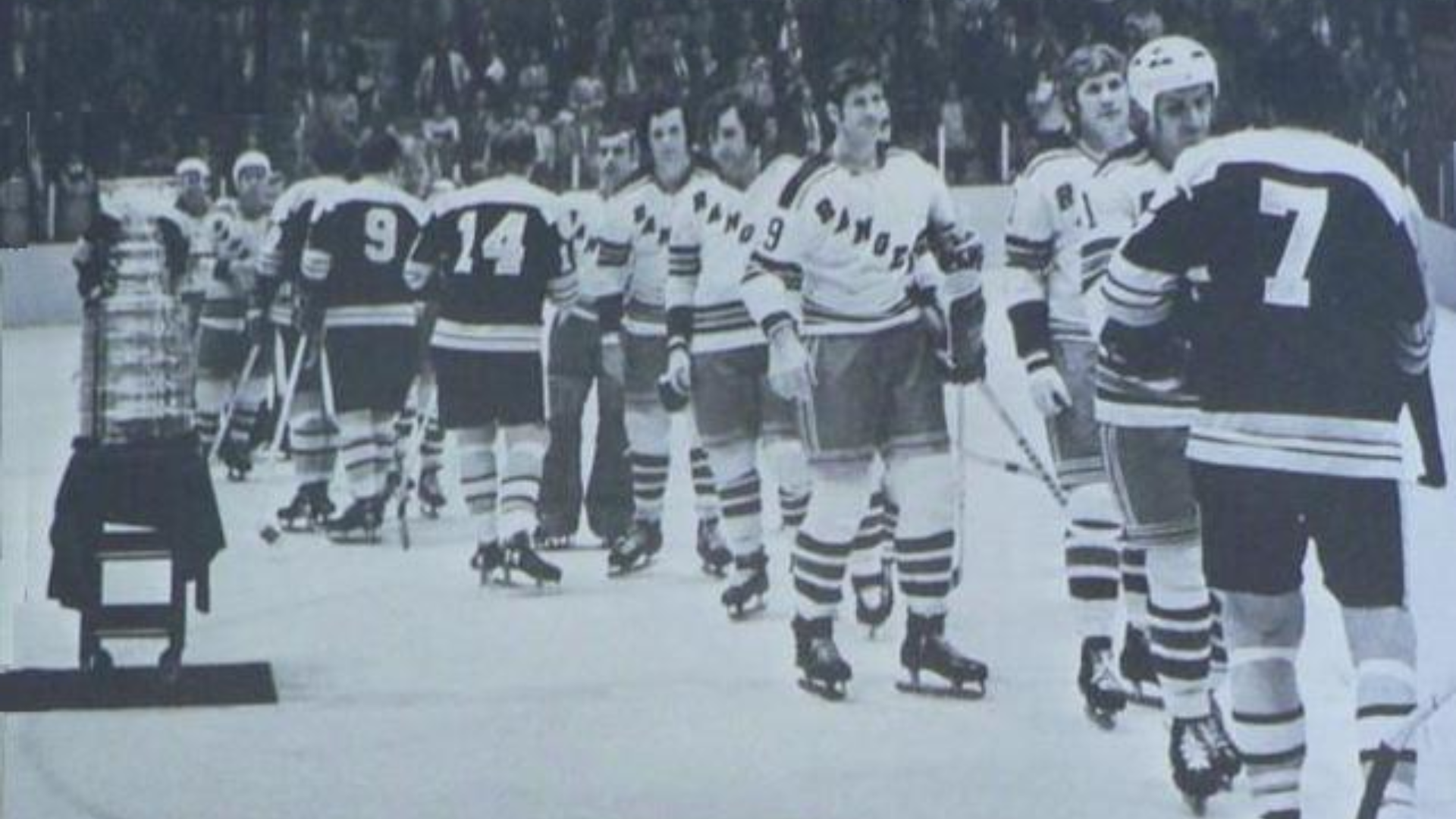
On the professional level, the organized handshake line originated in hockey. During a 1908 fundraising All-Star Game in Montreal—held to commemorate Ottawa Senators Captain Hod Stuart, who died in a diving accident the previous year—two opposing players were photographed shaking hands, and a tradition was born.
As a result, post-game pleasantries have become deeply ingrained in the way we watch and play sports—so much so that when a player or team deviates from them, it instantly becomes a story. The most infamous example of this is when the Chicago Bulls defeated the Detroit Pistons in the 1991 Playoffs and walked off the court without shaking hands.
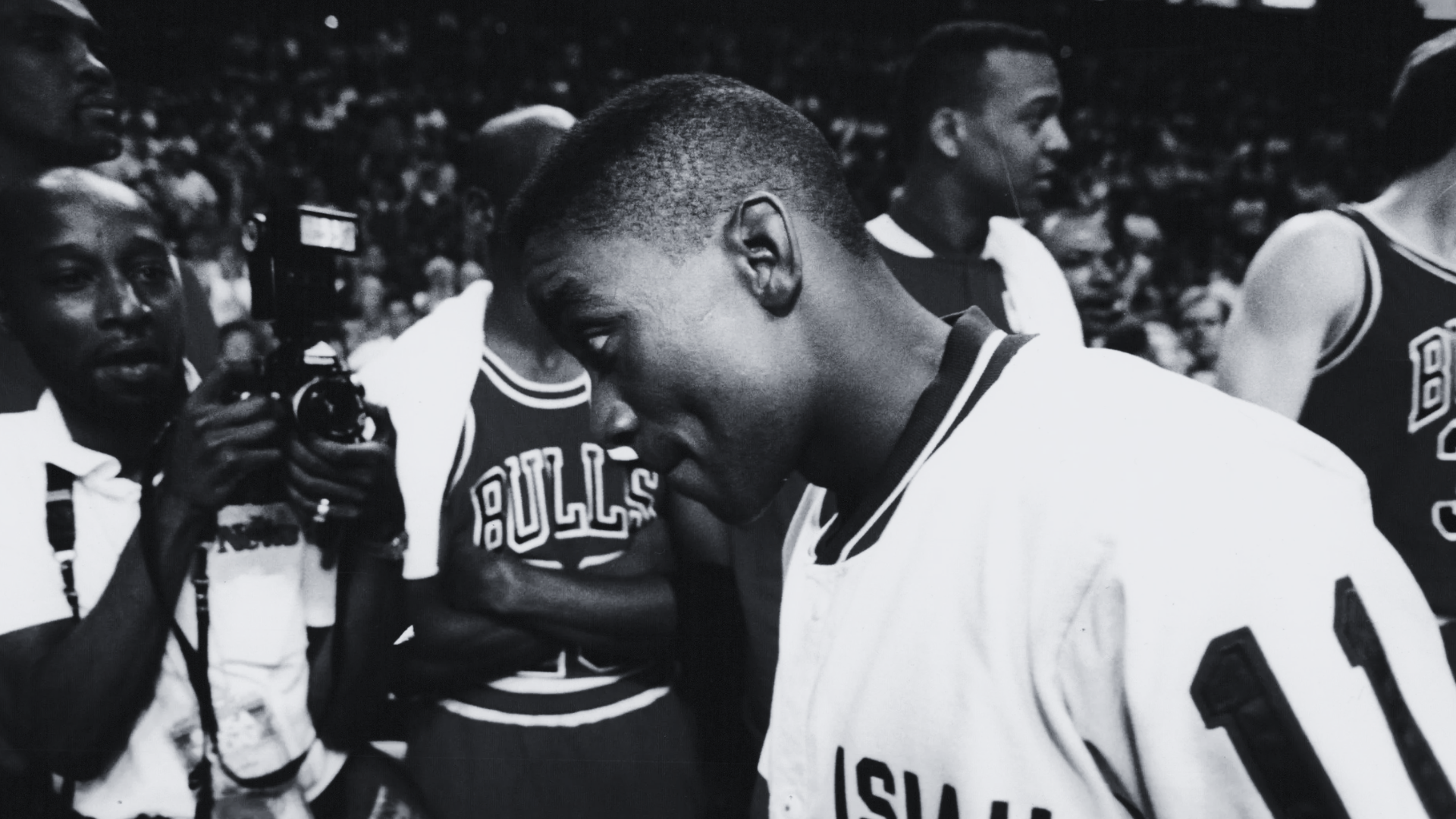
That moment was a deeper example of the disdain between Michael Jordan and Isiah Thomas and was re-ignited during the airing of “The Last Dance” in 2020. It also happened a few years ago when the Lakers played the Nuggets and LeBron James walked off of the court without shaking hands. Just as Wembanyama is now and Thomas was before, James was also critiqued for violating sportsmanship rules.
Wembanyama’s decision not to shake hands with the opponent is not a new occurrence, however. He did the same thing during the regular season after losing by 21 to Oklahoma City. As an ascending star, there is a lot of scrutiny to everything that Wembanyama does on and off the court. The way many have reacted to this perceived sportsmanship slight runs in direct opposition to what makes Wembanyama such a breath of fresh air to those same fans.
The way he approached the All-Star Game is a prime example of the sea change that Wembanyama represents. During this season’s All-Star Game, an event that in recent years has had as much excitement as watching paint dry, there was a different vibe. The reason for that was Wembanyama. Wembanyama vowed to make the All-Star Game more competitive, to make it a real basketball game.
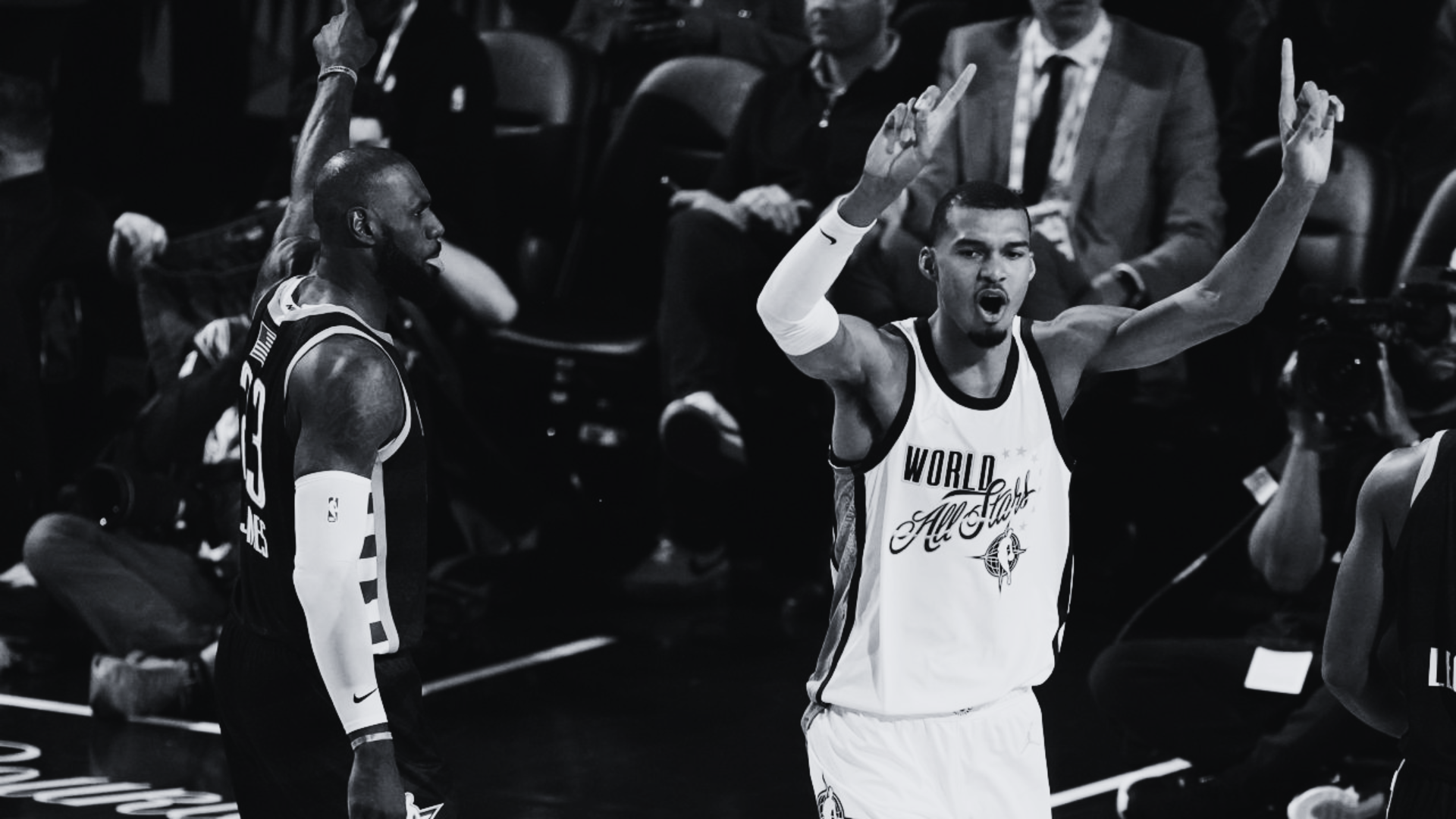
Minnesota Timberwolves guard Anthony Edwards noted that Wembanyama “set the tone”, which led to the most competitive All-Star Game we’ve seen in decades. It was a nod to the competitive fire that Wembanyama plays with, how much he wants to win. We see it in the way he carries himself on the court as well, often taking wins and losses extremely personally, sometimes to his own detriment.
This postseason was Wembanyama’s first, and the way that teams decided to deal with him was through physicality. A level of physicality that is magnified from what he experienced in the regular season. Teams were often seen grabbing, holding, and tugging at Wembanyama when the Spurs were on offense.
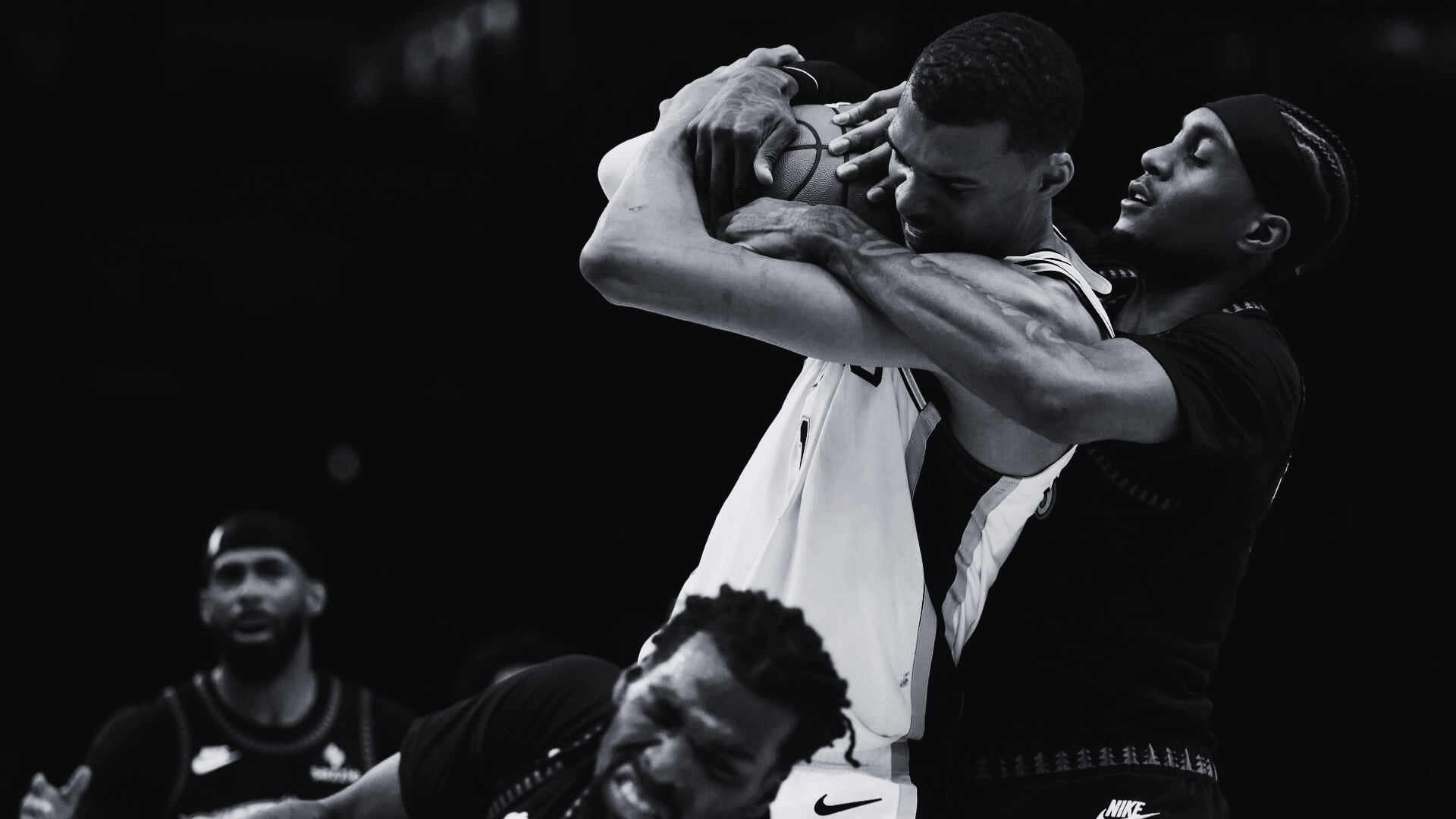
As many 22-year-olds are wont to do, he lost his composure multiple times as a result. He elbowed Naz Reid in the neck area, resulting in an ejection. He also had dubious physical reactions against Knick guards Jose Alvarado and Jalen Brunson that were not called fouls. These are actions laced in immaturity, but also indicative of the path that Wembanyama has started hovering towards as a contrarian figure. Enough happened with Wembanyama’s competitive fire and lack of composure to lead some fans to call him a dirty player, or at the least acknowledge that this postseason was the birth of his ascent into NBA villainy.
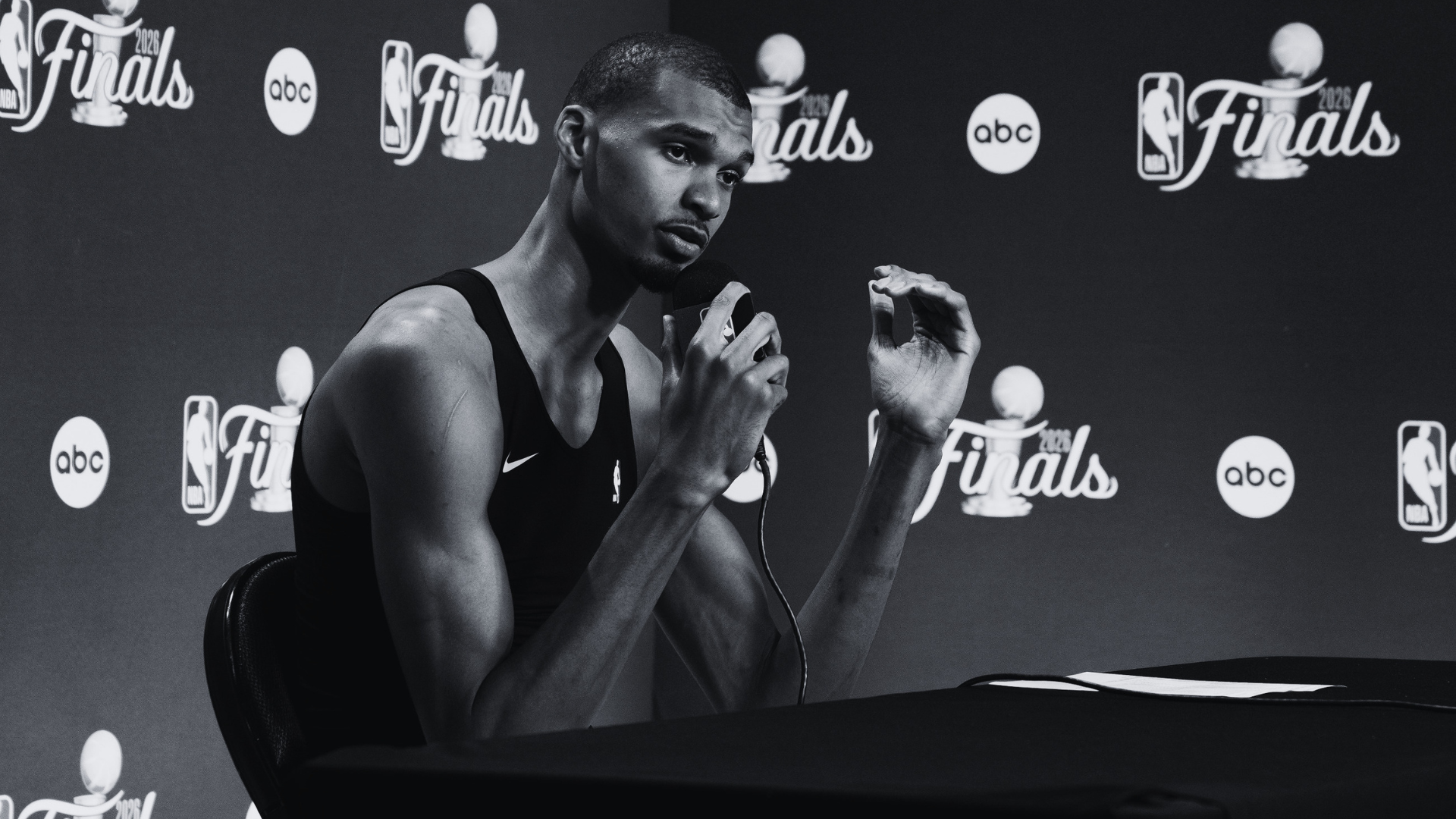
After losing to the Knicks in the Finals, Wembanyama was defiant, insisting that the Spurs were still the better team and dominated the series. He was visibly upset at the result, the sort of energy that we often covet in our athletes. Far too often, we have heard fans lament that players are too friendly, too nice to one another. There have been countless commentaries on the death of rivalries, how there isn’t animosity anymore like there was in previous eras.
We revel in teams like the Bad Boy Pistons and the Ewing-era Knicks, mythologizing their “don’t fraternize with the enemy” ethos. We make analogies to war, calling basketball games (especially in the playoffs) battles, labeling players as warriors. We want players to care about winning as much as we do as fans, and we want it done with a certain level of sacrifice and desire that meets the standards that we have established.
If nothing else, Wembanyama is that personified. The execution may be clunky at times, but he will never be accused of being overly friendly with the opponent. And for the most part, we love that. But it seems that we have drawn the line at the handshake as crossing a point of no return. It presents an interesting reaction where deviating from the accepted norm has transformed him from being a ruthless competitor and everything we want in a modern NBA player into a classless and immature sore loser.
It’s a lot to ask of a young player. To ask them to operate at maximum intensity at all times, to have the competitive fire that borders psychotic. Only to demand them to set aside those emotions the second the clock hits zero. As a human being, a person requiring some cool down time is reasonable. But that’s not what we expect of our superstar NBA players. We expect them to formulate a hatred of the opponent over the course of a series and then are disappointed when that same mentality carries over into the postgame.
What the outrage over the lack of handshake ignores is the theater that comes with the act. The NBA, more than other professional leagues in the United States, tends to have a flair for the dramatic and a love of storylines. The story surrounding Wembanyama after this Finals loss is that he is ascending, a bullet train racing towards the league, but he wasn’t ready yet. By being so prickly and non-deferential to his opponents, he displays a sort of villainous inevitability, becoming a sort of Darth Vader-esque figure.
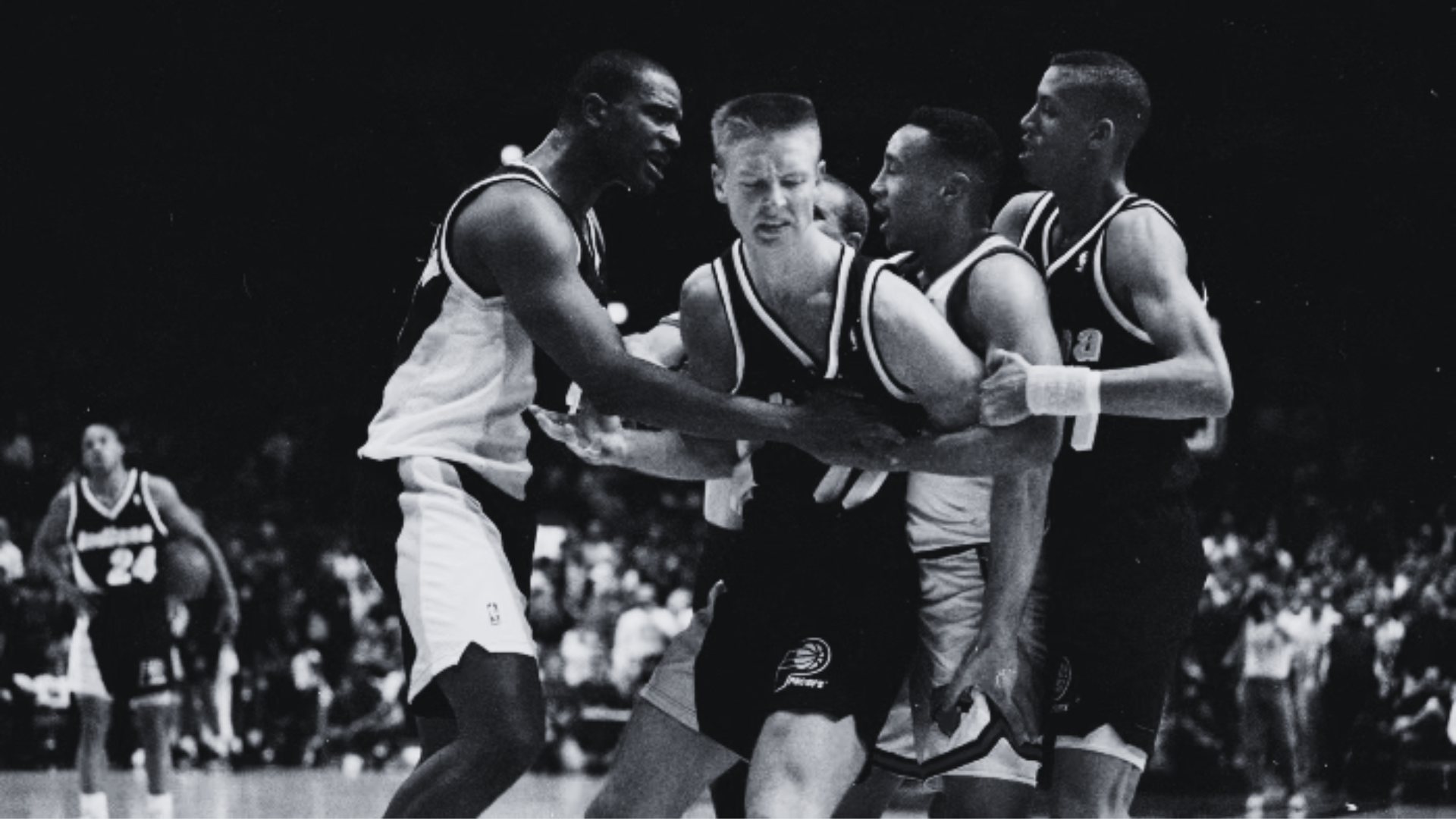
If nothing else, it creates a sort of animosity between Wembanyama and other teams that is fascinating. The irony of it all is that we often clamor for that sort of drama, it’s part of the reason why we loved the Celtic-Lakers rivalry of the 80s and the various animosities of teams in the 90s during the Jordan era. The Knicks and Pacers of the 90s for example, had a deep-rooted disdain for one another that mirrored the way each fan base felt about each other.
The existence of the sportsmanship expectation has merit. Being an NBA player is an elite fraternity so there should be a degree of respect between players. Retired players often speak of the NBA as a brotherhood, and that is why any dismissal of an appreciation of that is so often maligned. What Wembanyama has shown us throughout his young career is that the idea of that deterrence isn’t as instilled in him as others.
What is fascinating about the way Wembanyama and those before him that avoided the handshake, is that it’s not about respect or class, but rather it's about accepted norms. When a standard is set, deviating from it is often tantamount to indifference and arrogance, a disregard for the history of the way things are done. It’s like being invited to a wedding and not giving a wedding gift. Is it illegal? Absolutely not. But it is a massive lack of form.
There is a feeling that Wembanyama has an “us versus them” mentality. He has supreme confidence in his ability and the capability of his team. He has criticized the way other teams compared to the Spurs style of play, championing the Spurs as a more ethical version of basketball. He downplayed the Knicks even after they won a title against him and has called their style of play simplistic. He is displaying confidence without the deference. And that’s something we haven’t truly encountered before, and most of us don’t like it.
What we have in Victor Wembanyama is a player who doesn’t want to play by the rules that have been set over the decades leading up to his moment. In his mind, the only thing that can stop him are his own mistakes. It presents as a general lack of respect that will rub many the wrong way. In that sense it makes him a perfect villain in terms of inevitability and mentality. For someone like that, the rules of engagement don’t matter because he makes his own rules. This Finals and the way he handled it is merely the first chapter in that story.