NBA Player Movement & the Craving of Spectacle


The smartphone market and NBA fandom share the same truth: people buy the big, chaotic thing while insisting they prefer the small, stable one
In 2010 during a press conference addressing antenna issues in the latest iPhone, Apple co-founder and then CEO Steve Jobs made a proclamation that has proven to be wildly inaccurate. Jobs was asked if the infamous signal issues on the iPhone 4 would have been mitigated had the company simply made the phone bigger to accommodate better antenna reception. Jobs scoffed at the notion of a large-screened phone and said the following:
"You can't get your hand around it; no one is going to buy that."
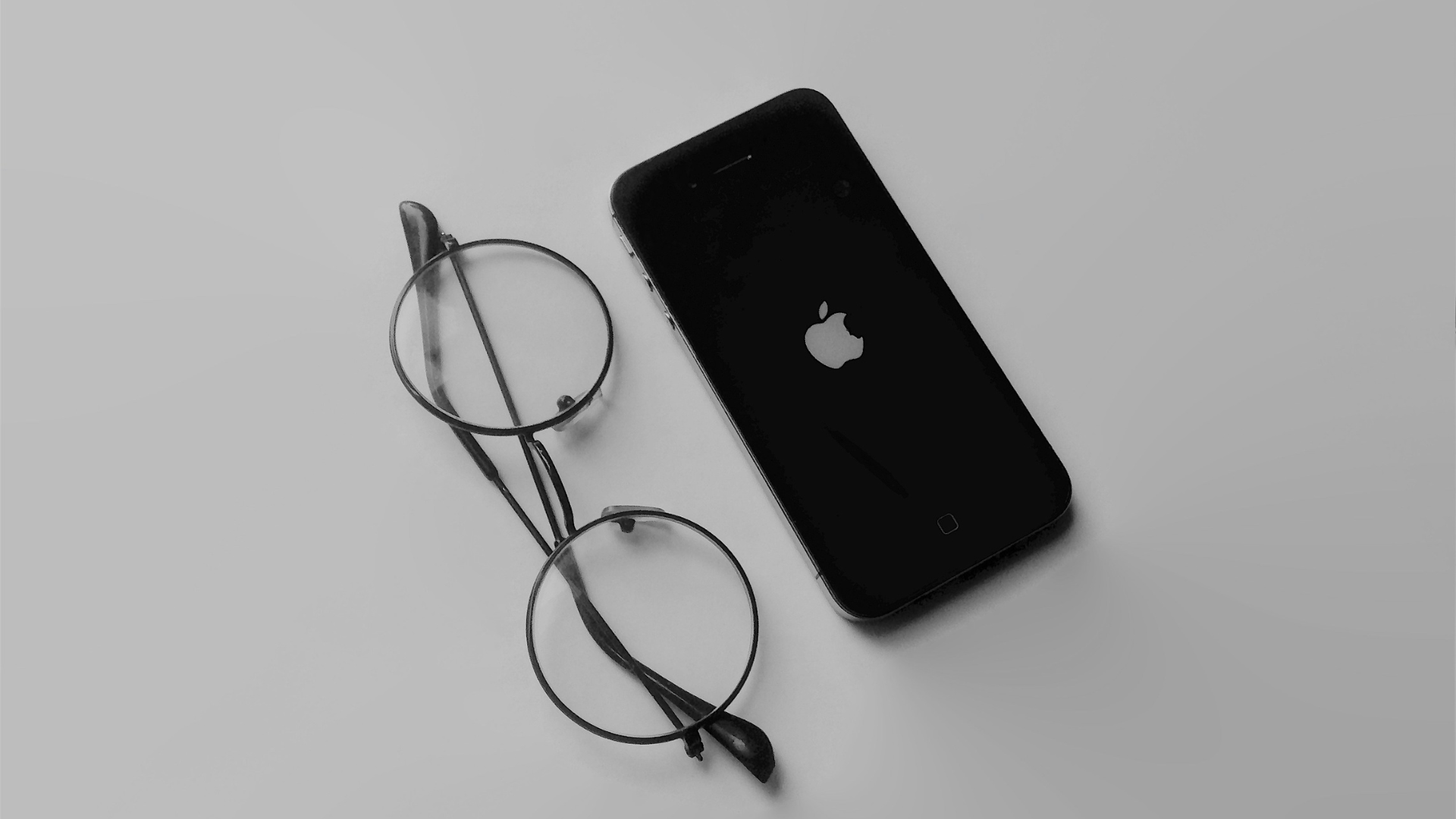
Smartphone trends have proven this thought incorrect, with every mainstream phone measuring at least six inches diagonally in 2026. The foldable form factor has even been introduced to introduce more screen size in as compact of a package as possible. While Jobs was incorrect on a market trend, he was absolutely correct about a philosophical one—people like the idea of small phones until it comes time to buy one. It's a fallacy of psychology that is also present in the NBA. We love to tell ourselves that we value the loyalty of Kobe Bryant and Dirk Nowitzki staying with one team for their entire career, and yet we constantly enter trades into the Trade Machine and get excited over poorly made jersey swaps on social media. What we say we want has no bearing on what actually excites us.
Perhaps the posterchild of player mobility and basketball wanderlust is LeBron James. Very few players could have captivated the league with a free agency decision in their career twilight as James did this summer. His decision even put a halt into NBA business, as it was reported that scheduling was at a standstill due to the uncertainty over James' next team. Countless podcasts were recorded and segments aired debating what team LeBron should join and the implications of each destination.
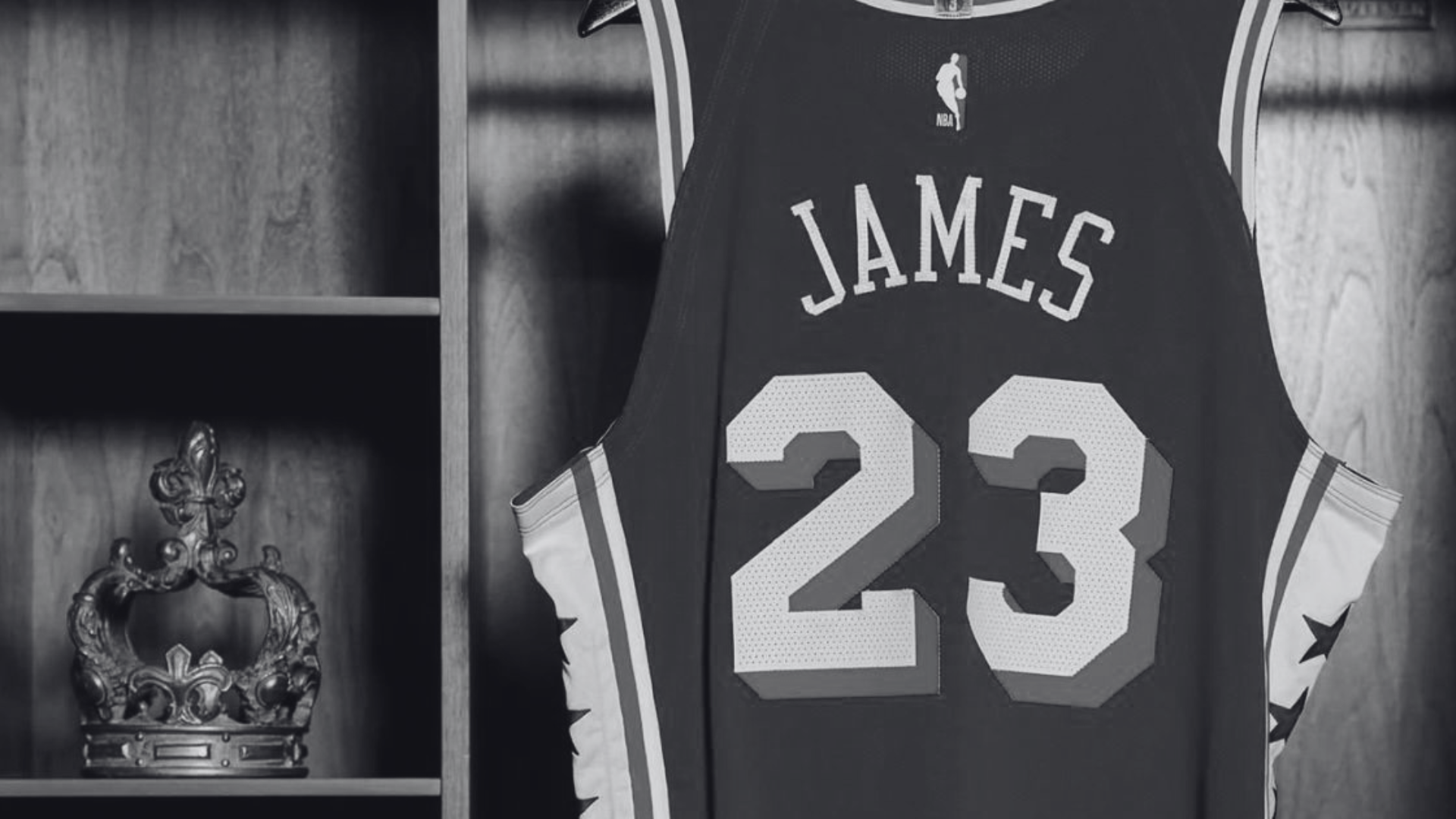
The material was seemingly endless. Cleveland represented a final homecoming, the Ohio kid writing his final chapter where it all began. Miami represented a rethinking of his most controversial basketball decision, "The Decision", and a chance to re-establish his legacy in South Beach as a co-star to Giannis Antetokounmpo. Golden State allowed another friend team up with Stephen Curry and Draymond Green, a fascinating test of an all-veteran squad and if they could truly compete for a title. Instead of those, LeBron chose Philadelphia—a team that presents a fascinating opportunity to win alongside players like Jaylen Brown, Joel Embiid, and Tyrese Maxey.
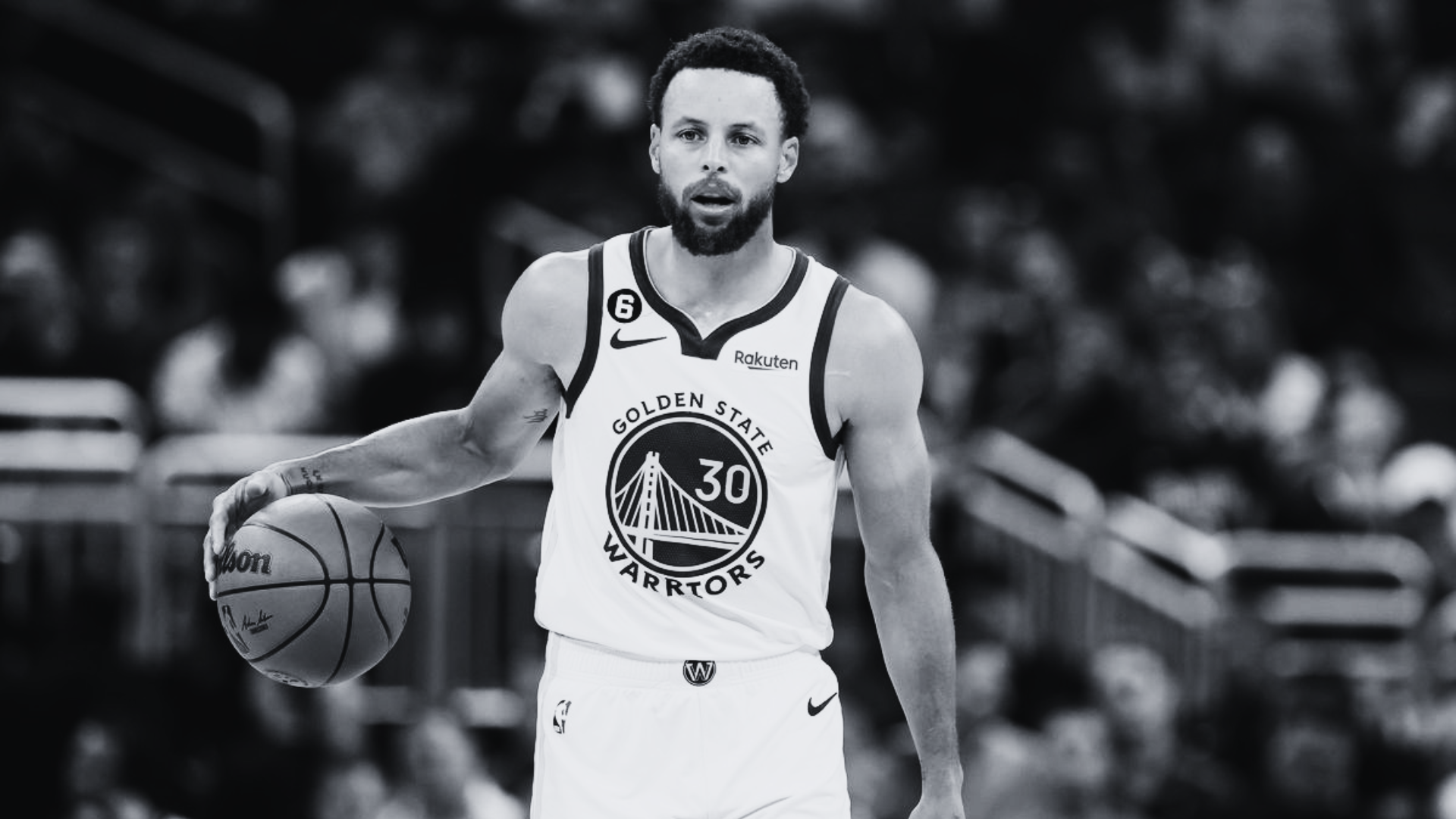
In the days that have followed the signing, there have been countless reactions—both of excitement and dread—discussing its impact and how the landscape of the NBA shifts because of it. What it has also done is forced NBA fans to fantasize about other trades, other star destinations and how they could shift the landscape of the league. With LeBron not going to Golden State, it has caused many fans to question whether Steph Curry should be traded away to maximize the end of his career. This sort of fantasizing and pondering of a theoretical pairing runs in direct contrast to what many fans have stated that they wanted: player loyalty.
The idea of player loyalty was never more in question that when James executed "The Decision" and joined Chris Bosh and Dwyane Wade in Miami to form a "Big Three". It was an unprecedented move of players taking agency and tipping the scales in their favor. To this day, many have considered it a mistake and that it served as a catalyst for the modern superteam era. Many still lament the idea that players would abandon their original teams in search of greener grass. And yet, the behavior we have displayed is that we are more prone to celebrate potential pairings and scenarios more than we are to cherish single franchise longevity. Saying that you miss player loyalty has thus evolved into a sort of whimsy desire that no longer is rooted in reality. It has become the compact smartphone.
In the early 2010s, every smartphone maker faced an impossible question to answer: how do you beat the iPhone? Apple’s device launched in 2007 and changed the trajectory of the smartphone category by introducing full multi-touch displays and (eventually) a third-party application store. Other manufacturers needed something to differentiate and to show a visible advantage over the iPhone. For a while it was connectivity with 4G and 4G LTE devices while the iPhone was still on 3G. But eventually it became screen size. Smartphone makers correctly identified that more video was being consumed on mobile, so they made screens that accommodated that use case.
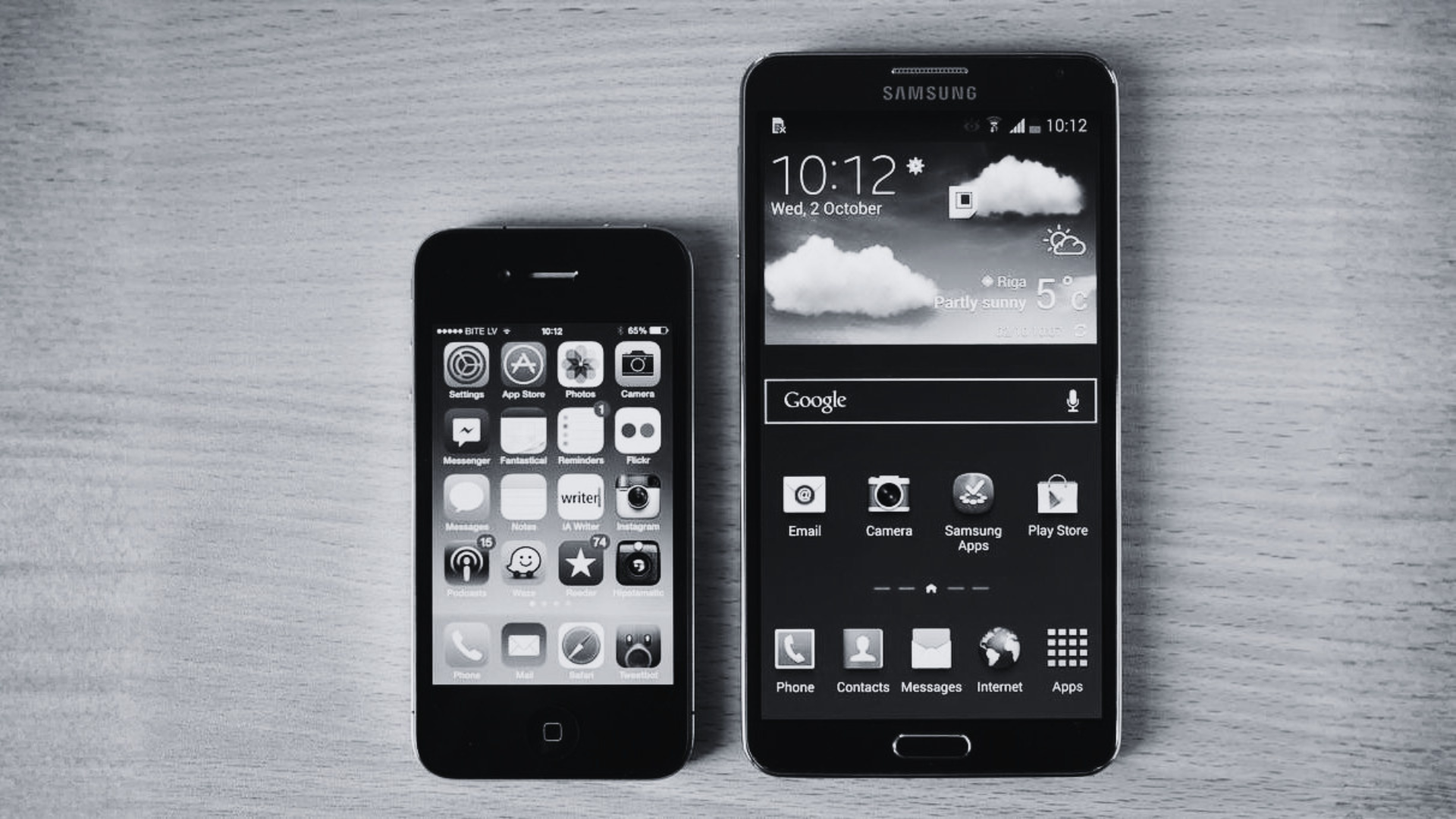
While the iPhone sported a 4-inch display, companies like Samsung were making their phones bigger and bigger, creating a new subcategory: phablets. These devices, like the Samsung Galaxy Note, represented the middle ground between a smaller phone and a tablet, giving the best of both worlds. Eventually, even Apple admitted defeat in 2014 when Apple released the iPhone 6 and 6 Plus with 4.7-inch and 5.5-inch displays, respectively. Consumer demand dictated that the public wanted bigger screens and smartphone OEMs obliged. The devices have only gotten larger, with the current generation iPhone 17 Pro Max having a massive 6.9-inch display—meaning that eventually, every phone became a phablet.
In the midst of this supersized revolution, there was a vocal group of people that lamented the size tradeoffs that came with a bigger phone. Bigger displays meant more heft and less pocketability. They required two hands to use, limiting the utility of one-handed operation on the go. Taking a phone call on these devices was also cumbersome. These complaints have been heard by many different smartphone companies, and they decided to make smaller phones again.
Apple, Sony, and ASUS all tried to introduce compact phones back into the mainstream, touting their compact size and weight while still offering top-level performance. Apple specifically introduced the iPhone 12 and 13 Mini as identical in performance to the larger standard iPhone but with a more compact footprint. It seemed like a dream for everyone that pined for the days of the smaller phone. And yet it didn’t sell. In 2020 when the 12 Mini was introduced, it accounted for only 5% of all iPhone sales. It seemed that for all the pining for pocketability, what people really wanted was a big screen to watch videos on. As the Verge’s Nilay Patel has said frequently, what the market has demanded is a big, cheap screen.

Our obsession with NBA player movement is the equivalent of our fascination with big phone screens. And the wistful desire for a time of player loyalty and market permanence is the false dream of the compact phone. Much how apps like TikTok and Instagram are simply better on a big screen, so much of the conversation around the NBA is rooted in transactional speculation.
In today’s modern social media consumption model of the NBA, so much is placed on shock value and conversation. For years, posts that featured a jersey swap of a player on another team have caused excitement and speculation among fans, leading to fierce debates on platforms like X (formerly Twitter) and Instagram. Pondering where Steph Curry could be traded to is infinitely more fun than delving into an appreciation for him as a Warrior and the magic of him staying with that franchise for his entire career. Trade propositions present the opportunity of intrigue and the unknown, and as much as some of us claim to hate the movement of players, we relish it.
The recent trade of Jaylen Brown from the Celtics to the 76ers is proof of this. For a bulk of his decade in Boston, Brown was relentlessly in trade rumors. Many theorized over and over again if him and Jayson Tatum liked each other and when the day would come when he demanded to be traded. Even when they finally won a title together in 2024 that conversation never relented. And yet when it finally happened, and our desires were finally quenched, those same people lamented on the fact that Brown will not get an opportunity to be a Celtic for life.
We often tell ourselves that players like Dirk and Kobe are the gold standard and that they represent an NBA that featured a sense of civic loyalty by both players and front offices. But even they flirted with being moved because the speculation machine in the NBA is relentless. In hindsight we can glorify their tenures and pine for a simpler time when players were pillars of a franchise and never expressed a desire to leave. But in the moment, while their stories are being written, we are constantly predisposed to fantasizing about them in another situation, wondering how green the grass is on the other side.

It can be concluded that much of this is a cycle of hindsight. We pine for a time of smaller phone screens and one team superstars because they remind of a time that was simpler. A time of players as franchise pillars as opposed to moving brands, as institutions of their cities. With smaller phone screens we think of a time when social media and the internet had a rosier outlook and wasn’t defined by poisonous algorithms designed to maximize screen time.
That reminder is ultimately part of a half-complete memory. We choose not to remember the frustrations of watching video or typing on a 4-inch iPhone or the back and forth between a team and a superstar that amounted to a basketball marriage on the rocks. We want to live in a world where we think that is the preferred option, because it makes us feel like more conscious and considerate phone users and basketball fans. It means that we appreciate talent without fantasizing about the next move while not being glued to our screens for 7+ hours a day. It’s an idyllic thought to have.
But it’s not based in reality. The truth is that the entire media ecosystem is optimized for large glowing rectangles and the way we consume NBA content is through speculation and lineup pairings. There’s a reason why the opening of NBA free agency and the trade deadline are incredibly active on social media—we simply can’t get enough of theorizing the impact of a roster change and offering counter trades that would have been better. So, when someone laments that “players are always moving” or that they feel like mercenaries, it may be prudent to remind them that deep down, we all have embraced and chosen to love the chaos of it all.