The Age of the Always-On Athlete


Nikola Jokic is troubled by fame and everything that it comes with, and he is a reminder of the elevated availability expectations of the modern athlete
During the sixth episode of The Last Dance, Michael Jordan is shown lamenting the cost of his fame and celebrity. Laying on a couch with a cigar in his hand, and opines "This is not one of those lifestyles that you envy, where you're confined to this room. I'm ready for getting out of this life." Tim Hallam, who worked in public relations for the Chicago Bulls for four decades, describes the toll of Jordan's fame in the context of the iconic "Be like Mike" media campaign—constant media blitzes, autograph requests, interview appearances—and says "I wouldn't want to be like Mike. It's an impossible task."
The exhaustion of athletic fame seems to be something that Denver Nuggets superstar Nikola Jokic can relate to. During a recent interview on the Jao Mile Podcast, Jokic reflected on his celebrity as an NBA MVP. Speaking in Serbian, Jokic said:
"I'm getting more and more bothered by popularity. This is going to sound corny, but, I'm getting ruder to people who approach me. Honestly, it's tiring...Some people around me know, I don't take pictures because it's my time. I'll sound rude again, but what can I do? If people can't understand me, I understand everything, but it's been 11-12 years and enough is enough."
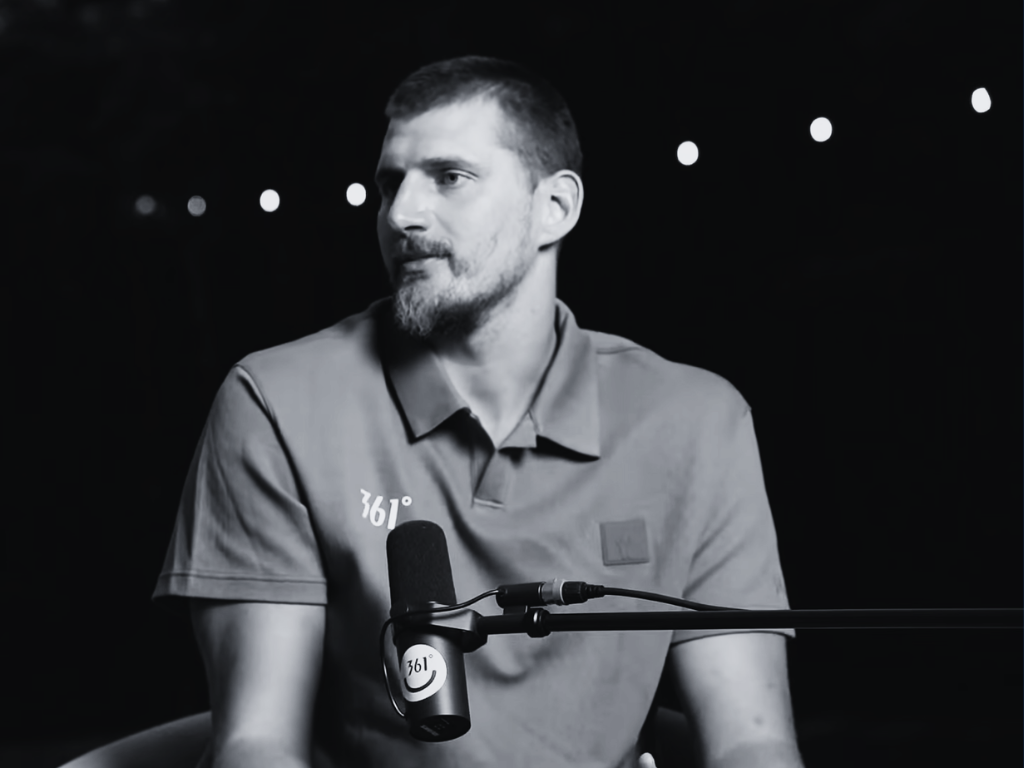
Jokic, more than most superstars, has often felt like a player that has been uncomfortable with fame and access. In the offseason he is eager to get back to Serbia, to escape the grind and requirements of the NBA season. His affinity for being with his horses back in his homeland is often used as fodder for jokes, but within it is a very real human emotion: the need to disconnect and escape. His stardom, however, has made this an increasingly challenging task. Jokic's comments and his reality as a star are a reminder of the cost of being "on" all the time in a society that has a craven need for access, familiarity, and content.
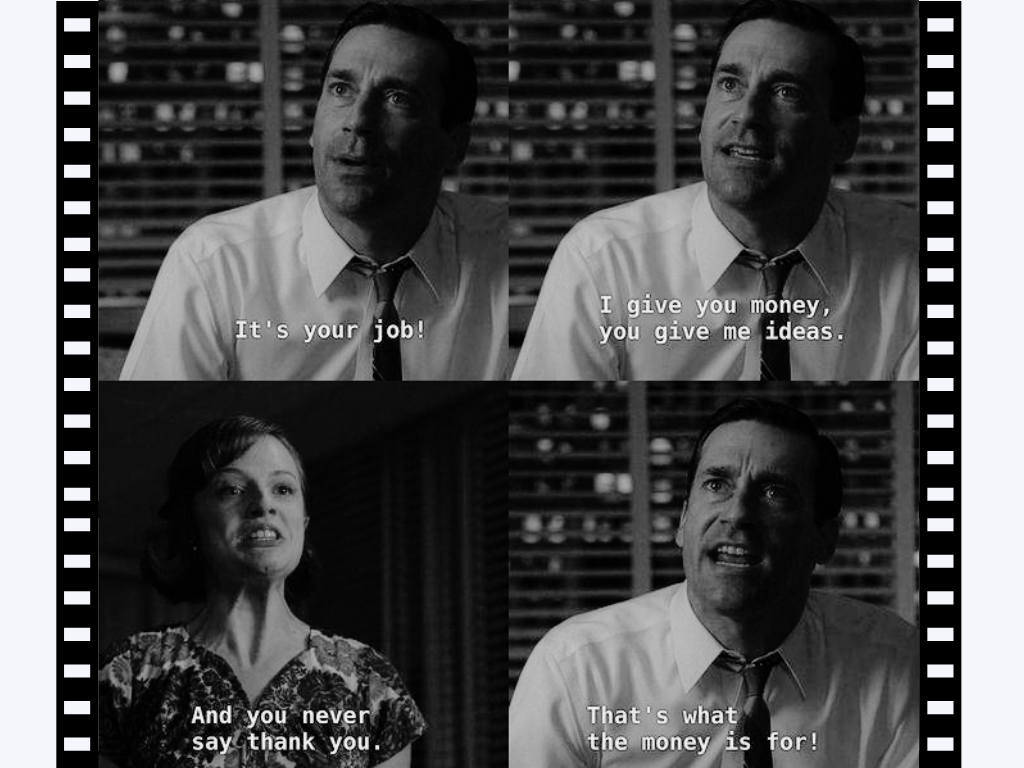
In an episode of Mad Men, Peggy (played by Elisabeth Moss) complains that Don Draper (played by Jon Hamm) never thanks her for her contributions and ideas. Draper then fires back with the now iconic line "that's what the money's for". Draper suggests that everything that happens with a job is a package deal and the justification of it all is the compensation.
Athletes in 2026 are paid extremely well, Jokic is on the fourth year of a five-year $276 million super max extension. It could be argued that being approached by fans looking for photos or autographs is what the money is for. Dennis Rodman once said that he would happily play basketball for free but that players are actually paid for all the things that surround the game rather than the game itself.
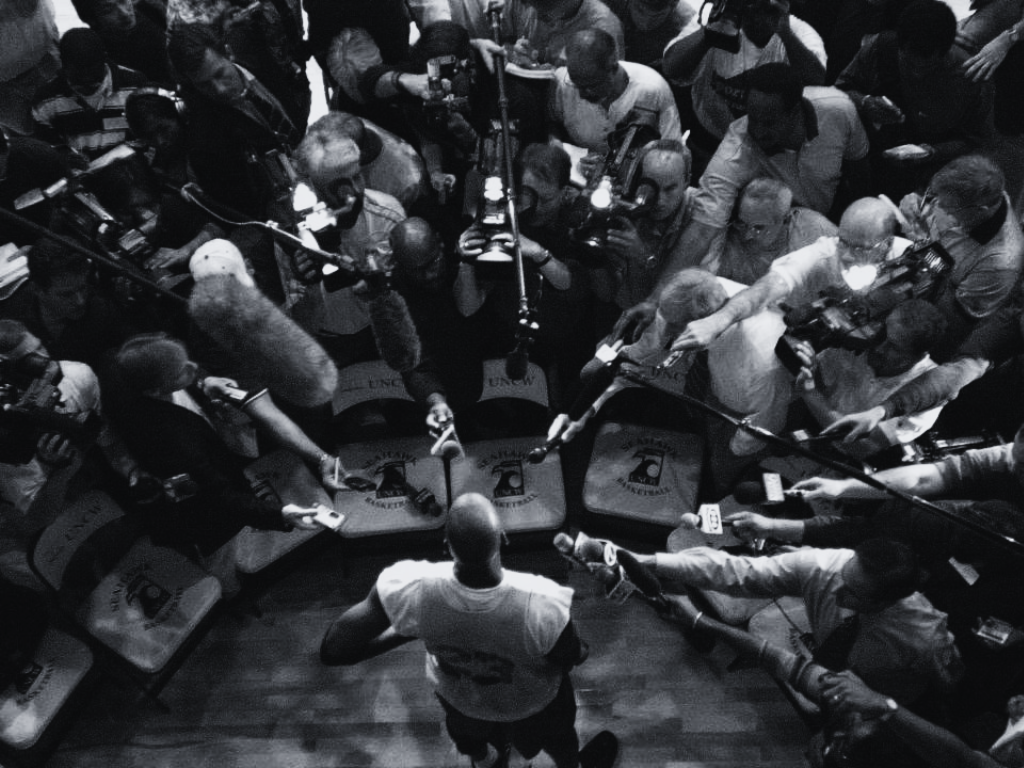
Athletes today encounter something that Rodman and Jordan never had to worry about, however: the lurking presence of social media. During the 90s, sports opinions were shared through three primary outlets: sports talk radio, newspapers, and TV. All three were somewhat avoidable by athletes and often were distilled by professional journalists. In today's world, those journalists still exist, but they are often lost in a sea of fans making posts on social media. And because most high profile athletes need some level of social media presence to promote branding opportunities, they can't simply walk away in the way that their predecessors could.
In a study conducted by the School of Sports Sciences at Tianjin Normal University, it was concluded that athlete usage of social media, even in a passive capacity, increased anxiety and decreased subjective well-being. A key thing to consider in this study is that athletes have a higher performance pressure than other people, simply because their raw output is directly being compared to their peers at all times. That by itself creates pressure, but adding in a high volume of commentary from people about the impact of any perceived inadequacy adds a secondary layer of mental health strain that many of us don't encounter.

It should then be no surprise when we see players holding mostly negative opinions about people online. This is, oddly enough, a design of social media platforms. Years ago, popular social media apps went away from a chronological feed into an algorithmic one. This shift surfaced posts from people you don't follow, with a focus on topics that you find interesting. But in order to maximize engagement, "interesting" posts are equated to ones that generate a visceral reaction, because in that outrage, comments and reshares tend to happen more frequently.
It's similar to eating at a restaurant. If you try a new taco restaurant and you loved your experience, there's a decent chance you will tell a few friends about it and insist they try the restaurant. But if you have a bad experience, the more likely outcome is that you will blast them on social media and leave a negative review as an act of warning people from having the same bad experience that you had. Negativity is often much louder than positivity.

Social media operates the same. If you see something you agree with, you're likely to simply like the post and move on. However, something that strikes a nerve is more likely to generate a comment or response post, and that's why social media algorithms operate in the way that they do.
So from the perspective of an athlete, they could be on social media for whatever reason and they will be fed commentary about them or their team—and more often than not, that commentary will be negative. In the early days of Twitter, late night comedy shows proliferated this behavior by having celebrities read mean tweets about them. In a strange way, this normalized the behavior known as "shitposting", and incentivized people to say outlandish things on the internet to get noticed.
It's then easy to see why a player might have an adversarial relationship with fans because their primary exposure to them is seeing scathing critiques of them. Despite the fact that what is posted on the internet is a microcosm of real life, the perception has a tendency to remain. When out in the world, it's understandable that a player would see the fans that criticize them as opposed to the ones that root for them.

Beneath the surface of this dynamic is a tension. Social media has opened up the floodgates to access. There are more clips and posts from star players than ever before. A fan who follows LeBron James on social media likely feels a kinship to him, helping to drive their fandom. We often see glimpses into the lives of these players and are granted access to them in ways that are unprecedented. This access creates the illusion that we know them as people, when in reality we only know the persona that they choose to share on TV, social media, and podcasts.
More than ever before, relationships with athletes have become parasocial in nature. Fans have become ruthless defenders and are defined by their fandom in some cases—as evidenced by the myriad of fan accounts for certain players on platforms like X and Threads. If these fans meet these players in real life, they feel a one-way connection to them, which could lead to assuming that the athlete owes them a photo op or a high five. We see this operate in a negative way as well, where fans feel that they can shout personal attacks at players just because they saw something the player posted.
This sort of familiarity and pent up hatred as a result of social media algorithms has led to instances that go beyond simple trash talk. In 2021, Russell Westbrook was walking to the locker room with an injury in Philadelphia and a fan dumped popcorn on him. In the same year, a Knicks fan spit on Trae Young. Even the family of players aren't off-limits. Ja Morant's parents were once harassed by fans in Utah, leading to their ejection from the arena. All of these instances come from a familiarity, a sense of access, and the feeling that these athletes know us in the same way we think we know them.
This environment presents a new challenge for the modern athlete: the need to be in presentation mode at all times. Consider for a moment, the life of an office worker. During their work hours, they have to be present, professional, and accommodating without relief. Now imagine in their off-hours they need to uphold the same standard. They don't get a chance to be their true selves and have to be in professional mode at all times. It's an unrealistic ask, and yet it is what we ask of our athletes. While it's true that the life of an athlete is very different than that of the average person, on a human level asking someone to be buttoned up at all times in an exercise in exhaustion.

Asking someone to constantly be camera-ready and media trained is a recipe for resentment. It ultimately manifests in the rudeness that Nikola Jokic was eluding to. In fact, rudeness is the only logical outcome when we have tasked players with always being available, with being willing to take a photo on demand, and to be on social media. At a certain level, no amount of money makes dealing with the mental strain of that exercise any less exhausting.
The reactions to Jokic's interview on Reddit offer little sympathy. With some commenters suggesting that this is merely the cost of being an NBA player, and that Jokic would struggle in a larger media market like New York or Los Angeles. While that might be true, it also ignores an untenable reality that we are facing when it comes to athletes. We have created mechanisms where we expect them to be accessible and grateful at all times. It's a standard that is impossible to satisfy 100% of the time.
Our reaction to stories like these mirror a lack of compassion that we often have for people based on their wealth. The assumption of "he gets paid millions to deal with this toxicity" throws a justification for an unreasonable expectation while also ignoring the human element that exists regardless of someone's bank account. It is an indication that we are becoming more cynical, more jaded, and more crass as the years go by.
Nikola Jokic simply wants his personal space to be more sacred, to not be treated as a content vehicle when he is spotted in public. It's not an unreasonable ask. And yet, we continue to fall into the trap because the mechanisms of fame and athletic celebrity make it impossible not to. Comments like these should be heeded, we should think twice before expecting them to offer us their time. But instead we act slighted, a reflection of a toxic ecosystem that has flourished in the social media age.