The New Marlboro Men: LeBron, Giannis, & Prediction Markets

NBA players are becoming more involved in the addictive world prediction markets, reminiscent of a time when the athletes of the day would promote another addictive product: cigarettes
LeBron James and Giannis Antetokounmpo are two of the most recognizable players in recent NBA history. They have achieved a lot—MVPs, championships, and both are members of the NBA's 75th Anniversary Team. But the two players have something else in common: they are notable partners of prediction market apps. Antetokounmpo joined Kalshi as a shareholder in February 2026 and James announced a partnership on X (formerly Twitter) with Polymarket.
The reaction to both of these announcements has been visceral, with some accusing Antetokounmpo of insider trading around his trade market and suggestions that James' credibility had eroded as a result of this partnership. As public sentiment around prediction market apps wane and gambling addiction is on the rise, it appears that athletes are on the wrong side of history. But it is something we have seen before. Similar to baseball players selling cigarettes in the first half of the 20th century, it seems that the athletes of today are repeating the errors of the past.

There was a time when the definition of cool in American pop culture was holding a cigarette. The cigarette was a device of authority, elegance, and importance. They were held by movie stars, artists, musicians, and any person that had admirers. Smoking became so ubiquitous that smoking in public was normalized and even expected in certain settings. Airplanes, restaurants, hospitals, and grocery stores all featured people doing daily activities with a lit cigarette in their hand.
This ubiquity extended to athlete product pitching as well. At the turn of the century, baseball was picking up steam as "America's pastime" and tobacco companies, ever the opportunist marketers, took advantage. Players like Ty Cobb and Walter Johnson had player cards inside of cigarette packs in the early part of the 20th century. Over 500 major league players would eventually have their cards inside of cigarette packs. As time went on, baseball's stars became important pitchmen for cigarettes with stars like Lou Gehrig, Babe Ruth, and Jackie Robinson endorsing cigarettes.
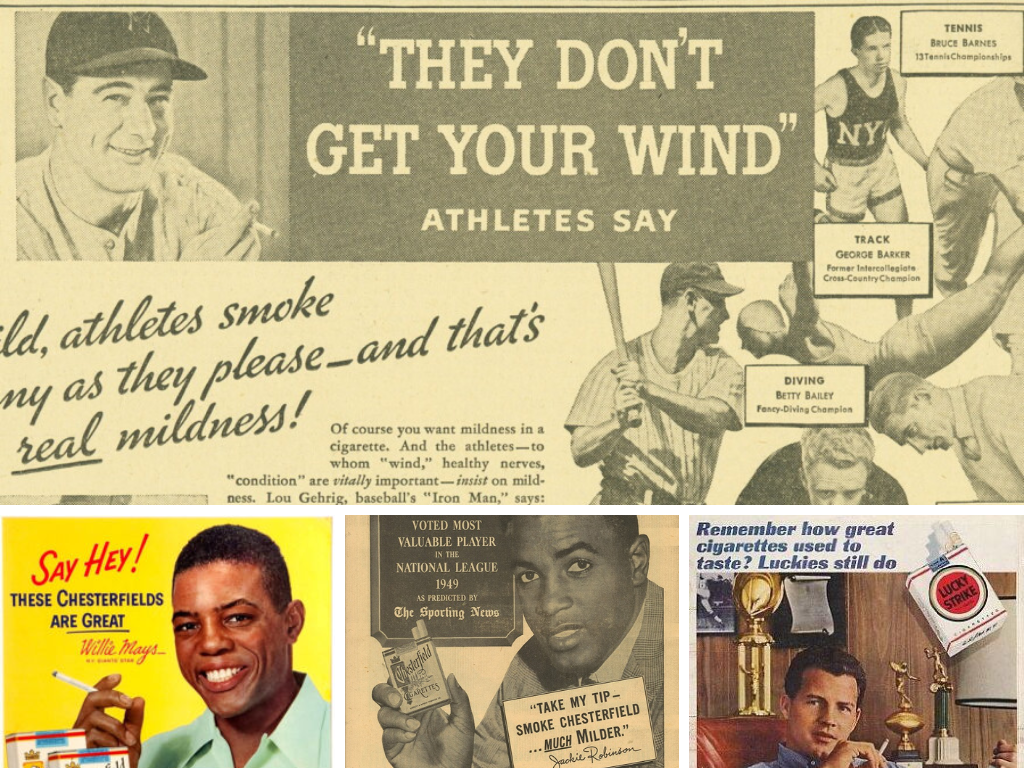
There was a correlation at play here. Baseball players were viewed as the pinnacle of athletic and bodily achievement. By aligning with them, tobacco companies were sending a message that part of being cool and in shape was smoking cigarettes. The 1934 St. Louis Cardinals won the World Series and Camel boasted that 21 of the 23 players on the roster smoked their cigarettes, creating an equivalency between athletic achievement and cigarette smoking. Lou Gehrig, who famously played 2,130 consecutive games, advertised that smoking Camel cigarettes aided in his postgame recovery, further driving home this message.
Eventually, however, science caught up with the marketing spin. In the 1950s and 1960s more data was released to link the consumption of cigarettes to long-term health issues. Baseball started by barring players from appearing in ads wearing their uniforms. This didn't deter them, however, as they still recouped advertising deals without wearing the uniform. It wasn't isolated to baseball either. New York Giants star Frank Gifford endorsed Lucky Strike in the 50s and Boston Celtics point guard Bob Cousy endorsed Kent cigarettes during the same period. The data was out there, but players continued to accept the deals.

In some sense, players were in a tough situation when it came to the decision to endorse cigarettes in the middle of the century. The data was pouring in linking smoking to lung cancer, but at the same time the tobacco industry launched a massive PR campaign to deem the findings as inconclusive. Player salaries then were not what they are today, making an easy payday from a cigarette company easier to understand from the vantage point of the athlete. In fact, the NFL even encouraged its players to advertise with tobacco companies since Philip Morris was a major television sponsor of the league. But more than anything, cigarette smoking in that era was a deeply ingrained cultural phenomenon. Cigarettes were in locker rooms and it was so normalized that athletes never saw an issue with their decision to promote them.
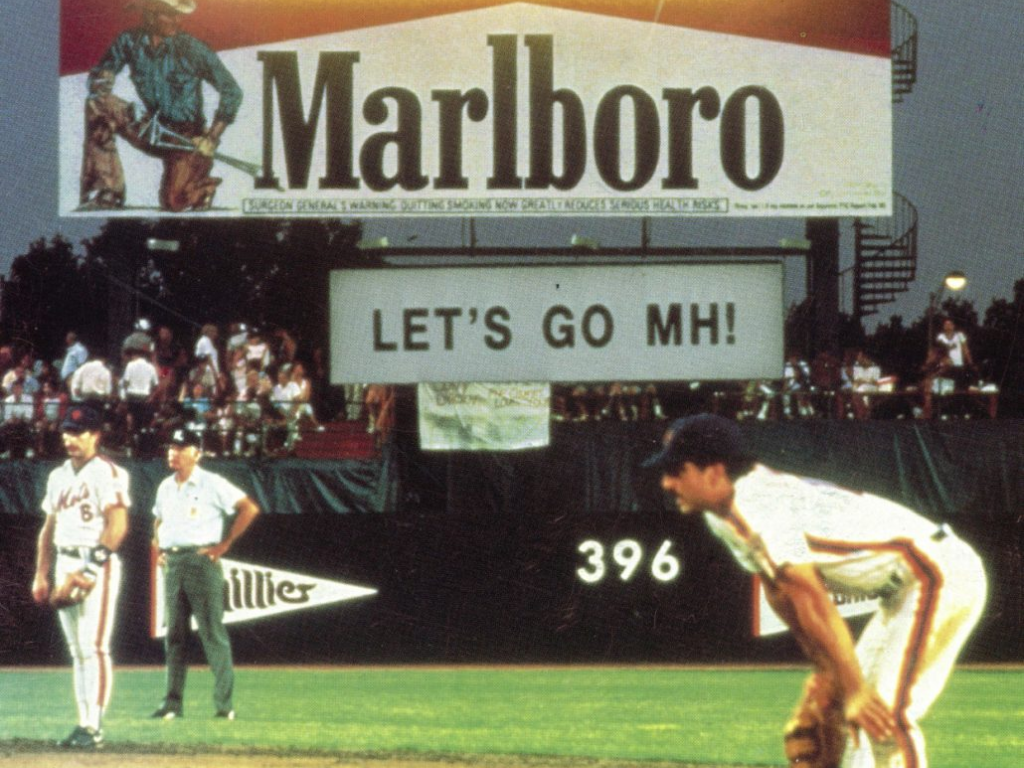
It is that normalization that is the common thread between cigarettes 70 years ago and the gambling landscape of today. Much how Philip Morris and its Marlboro brand plastered NFL media in the leagues earlier days, so have gambling and prediction markets saturated every sports league in the 2020s. Every league has multiple sportsbook partners today. In the case of the NBA, it is partnered with both DraftKings and FanDuel. There is also a growing sense that the league will partner with a prediction market provider at the start of the 2026-27 season, following the MLB's decision to partner with Polymarket.
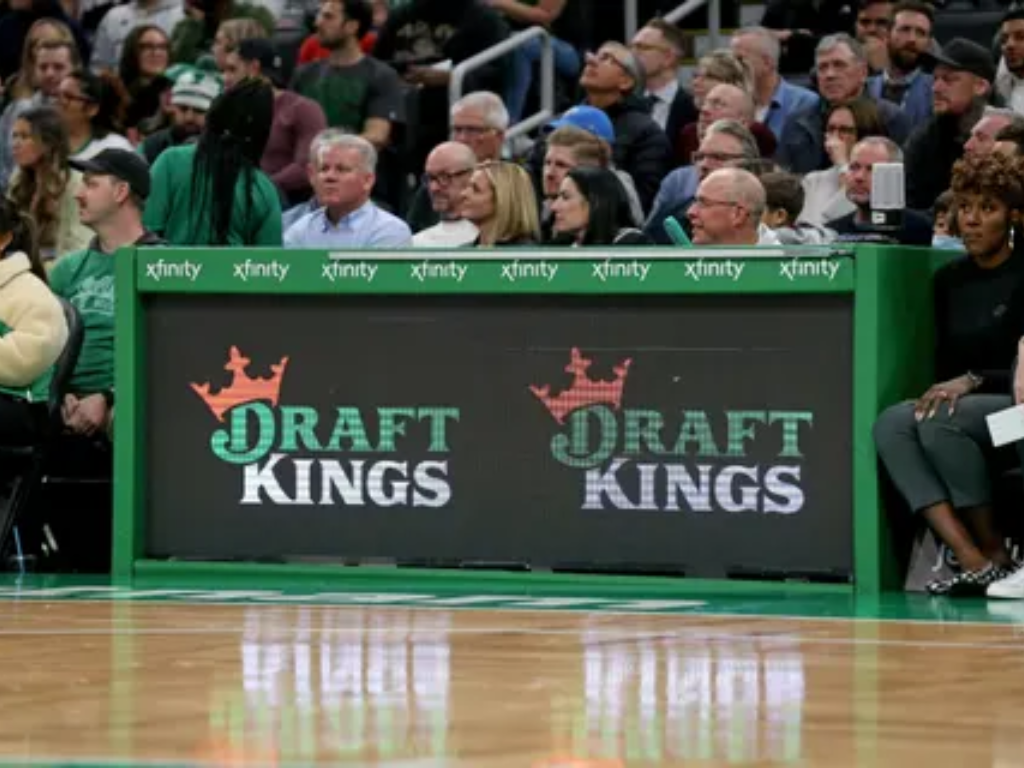
This trend has infiltrated the sports media space as well. Sports podcasts are increasingly sponsored by sportsbooks, and sports content creators often reference Kalshi and Polymarket trends as an indication of truth on a subject. As a result, watching a game in 2026 is often an exercise in exposure to the world of sports betting. Betting lines will appear on the screen, and broadcasters now have dedicated ad reads promoting specific betting odds that viewers can take advantage of.
Beyond the sportsbooks, prediction markets have soared in popularity recently with the idea that everything can be wagered on—from sports to politics to weather updates. This is the sort of ubiquity that tobacco companies had all those years ago. Cigarette ads were everywhere, players were smoking, and viewing areas like sports bars came with the perfunctory side of cigarette smoke.
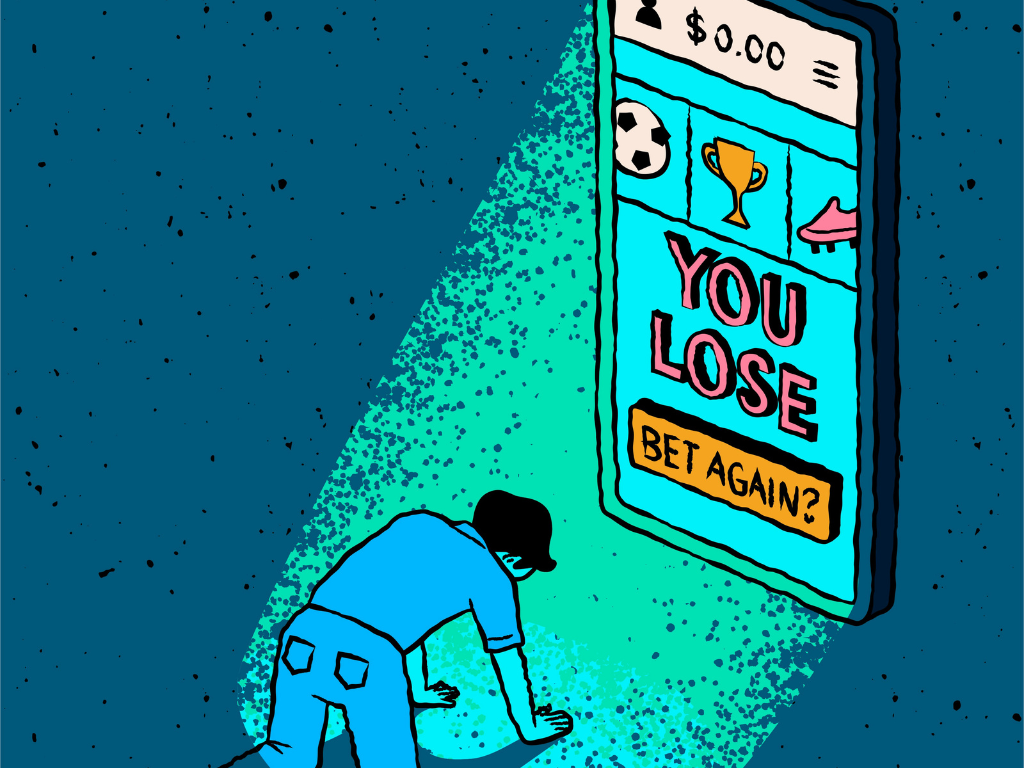
Similar to the studies linking tobacco smoking to lung cancer and other diseases in the 1940s, there is increasing evidence that gambling apps are having a negative effect—particularly on younger generations. A poll this year from the National Council on Problem Gambling (NCPG) found that 79% of Americans believe that gambling addiction in the US is as serious as alcohol or drug addiction. The survey also found that 33% of 21-44 year-olds have placed a sports bet before turning 21, an indication that the comfort with betting is achieved at a young age.
The appeal of gambling on sports also mirrors one of the many appeals of cigarette smoking: ease of access. Back then, cigarettes were cheap and accessible, helping to drive increased usage. Sports betting apps, similarly, are a mere download away on a smartphone. They are free to download and sportsbooks and prediction market apps often run promotions to lure people in to try their service. This is similar to a tactic used by cigarette companies offering coupons to try their brand. That ease of access creates a gateway into addiction, which has been evidenced by the willingness of Gen Z men to start gambling.

Much as Gehrig associated Camel cigarettes with his recovery, many prediction market app users have begun to rethink the definitions of their gambling habits. A recent study from the Bank of America Institute found that 40% of Gen Z view prediction market usage as an alternative to investing as opposed to merely viewing it as gambling. In July of 2026, it is reported that 48% of all gambling activity came from Gen Z, an indication that they are normalizing gambling at a higher rate than any previous generation.
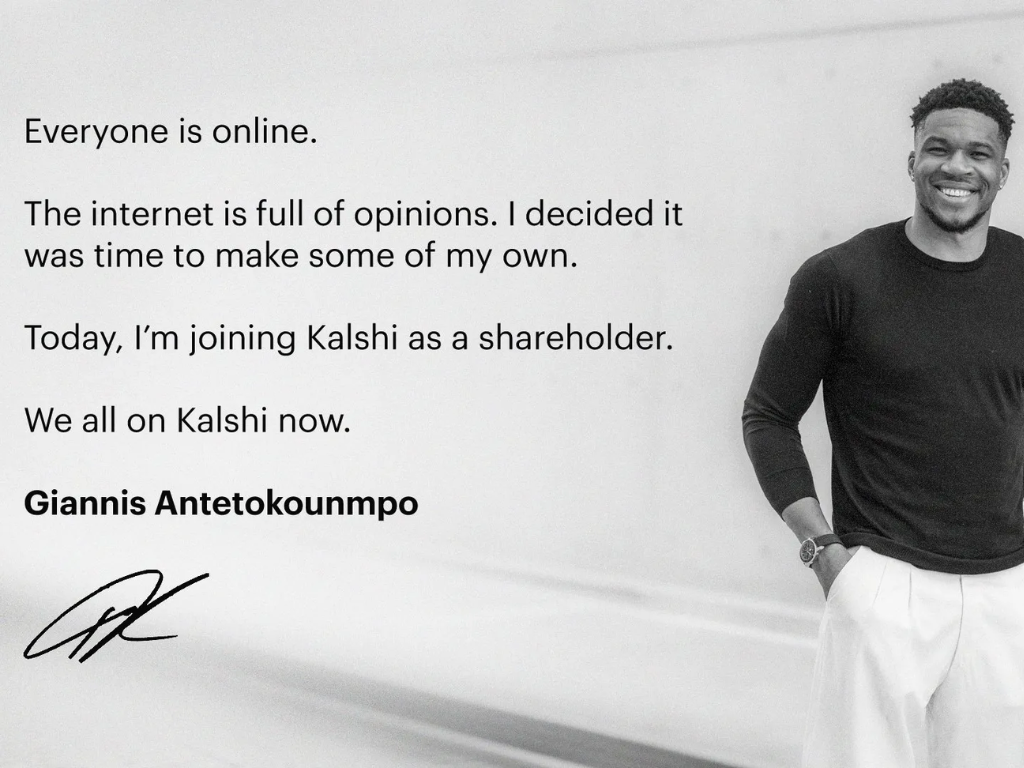
This data is readily available to NBA players like James and Antetokounmpo, and yet they continue to align themselves with the practice of sports gambling. This is despite mounting evidence that gambling addiction can lead to depression, with reports that up to 81% of individuals with a gambling disorder have had thoughts of suicide. And yet numerous players past and present continue to appear in ads, promoting something that can be just as destructive as tobacco addiction, if not more.
In the '50s, Bob Cousy had the financial incentive to appear in ads and early in his career as he worked off-season and part time jobs to be able to sustain his family financially year-round. The athlete of today is not in the same situation, but they are in the empire-building business. It's important to note that Antetokounmpo isn't simply doing ad reads for Kalshi, but he is a shareholder in the business. LeBron is positioning himself as a Polymarket partner, which lends credence to the belief that he will be doing more than creating advertisements.

In the cigarette ad era, player endorsements made an equivalency to the physique of the athlete to sell a product that made you feel like them. Today, players like James represent the entrepreneur athlete who is savvy and intelligent. Their association with prediction markets indicate that the consumer too can be a savvy investor in market prediction scenarios. In both cases, there is an aspiration being sold to the consumer, a feeling that they can envision for themselves through the lens of their favorite athlete.
It can then be argued that what these NBA players see is the ubiquity of a trend that Cousy and countless baseball players saw in cigarettes decades ago. The NBA has always been a league that has been at the forefront of technological advancement and a league that has often positioned itself to skew a bit younger than the MLB and NFL. It then stands to reason that two prominent figures are seeing that the next generation of fans are gravitating towards prediction markets, so they in turn go where the proverbial wind blows.
For cigarette advertising, the lack of regulation and health data fears came to a head in 1964 with the Cigarette Advertising Code that prohibited targeting young people and banned fraudulent health assertion in ads. Later in 1969, the Federal Cigarette Labeling and Advertising Act banned cigarette commercial on television and radio. Cigarette smoking still prevailed and continued, but the way it was advertising had to change—and with it came the end of player endorsements.

It feels that we are in a similar sort of moment with sports betting and prediction markets. Various apps and companies have continued to rise through the ranks, Kalshi and Polymarket are increasingly courting influencers and subverting traditional advertising models. Leagues are partnering with these companies because they are more than willing to pay for the legitimacy that comes with league and team associations.
Some of those cracks are starting to manifest for prediction markets. Kalshi has been forced to cease operations in multiple states for running "illegal gambling operations". Players that have been involved in gambling on their games, like former Texas Tech quarterback Brendan Sorsby, have been disgraced in the court of public opinion. This appears to be the tip of the iceberg before the eventual arrival of wider regulation.
Eventually the dam will break and the addiction risks will become more pronounced and publicized. NBA players investing in these services, in turn, feels like the repetition of the mistakes of the past. The players that endorsed cigarettes were never truly lamented or criticized for what amounted to a business decision. This was especially true because they operated at a time when cigarette smoking was so common, so normalized, that it faded into the background of pop culture advertising culture.
With social media as an element in today's advertising world, there is more backlash to NBA players going all-in on prediction markets. But that vocal minority is not enough to dissuade Antetokounmpo or James when the usage rates of these services, particularly among younger generations, is so high. What remains to be seen is how history will choose to remember their decision to partake in a business that can be described as predatory. In the world of the 24-hour news cycle it may be a non-story a decade from now, which is likely why history has once again repeated itself.