
Player-Led Podcasts & the Desperate Need for Reality


How a promise to strip away the media filter revealed our obsession with authenticity, changing the way we consume sports and stories
In 2021, Draymond Green had his sights on redefining the media landscape. His podcast, The Draymond Green Show, was on Colin Cowherd’s The Volume podcast network with the ambitious thought of removing the filter of traditional media, and allowing athletes to speak to audiences directly. Green famously called this “new media”.
Since then, player-led podcasts have become increasingly abundant with players like Paul George, Jeff Teague, Gilbert Arenas, Carmelo Anthony, and others starting their own media ventures. These shows promised more basketball-centered conversation, something different than debate show theatrics that became synonymous with ESPN and FS1.

And for a while that did happen. People embraced this new format of sports commentary, and athletes carved out their own place in media. The desire for this perspective, is ultimately reflective of our insatiable need for reality in entertainment.
There is something about a presentation of the truth that we can’t get enough of as a society. Reality television has been in our lives for over three decades now and it shows no signs of slowing down, with an estimated 80% of American viewers regularly watching reality television. The same is true of the true crime genre, where 84% of Americans over the age of 13 regularly consume true crime content across various platforms. Among podcasts alone, 42% of Americans over 13 listen to true crime shows—accounting for 119 million Americans.
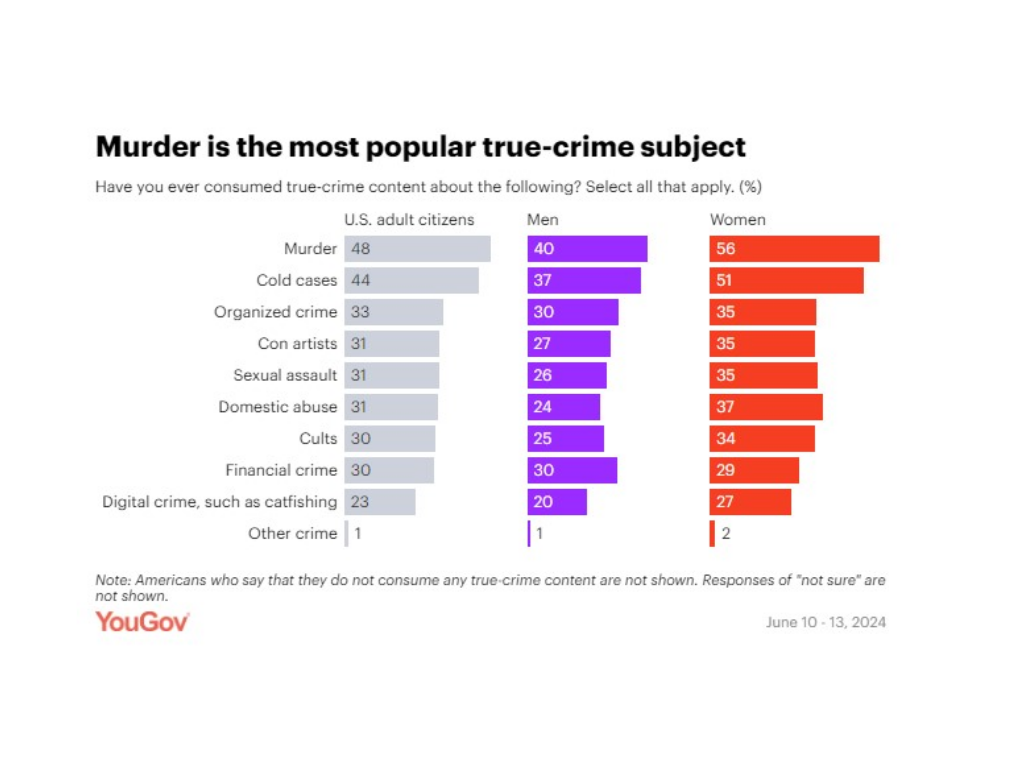
Why are they so popular? There isn’t one singular reason, but the connection to real people and real stories could be a predominant one. Both mediums introduce us to real characters and events, leading to an investment with some stakes—something that a fictionalized character can never truly achieve.
Similarly, a reality show contestant has the opportunity to appear relatable through shared family dynamics or socioeconomic situations. That connected lived experience hooks us and makes us want to root for the contestant.
In true crime, the stakes are incredibly real. There are countless fiction novels and television shows about serial killers, murderers, and other malicious actors. These can be incredibly well written and explored, but they do not meet the sensibilities of the modern content ecosystem.
A true crime documentary or podcast that taps into the zeitgeist has a way of creating an army of internet investigators, countless conversations on social media, and a deep scrutiny of the justice system because it is all happening in real time. We have seen this manifest in high profile cases such as the trials of Karen Read and Lindsay Clancy in recent years that have spawned countless pieces of content analyzing the ins and outs of each case.

The reality of it all is what hooks us, it allows us to invest in the characters, to establish lore. While fan fiction and theories have always been a part of fiction, it isn’t as cleanly laid out for us in the way that a real person’s story is. The byproduct of this is that we have a craving for the real in entertainment products as they provide more of a connection. This is evident in the de-prioritization of the sitcom and an advent to entertainment production that feels very reality driven.
With that desire for realism embedding itself culturally, it’s only natural that in the world of sports, we have come to crave the same thing. For many years, the way we understood an athlete was through distillation. Beat reporters, columnists, sideline reporters, and other journalists would speak to them, extract the information and package it for our consumption.
This gave us a manicured version of the truth, packaged neatly by the writer or producer to deliver an interesting news story. But in the social media age, this has changed. Athletes started writing their own articles in publications like The Players Tribune and then started their own podcasts, becoming the “new media” in the process. These outlets allowed them to tell their truth without the distillation of speaking to a journalist, to share their most authentic selves.
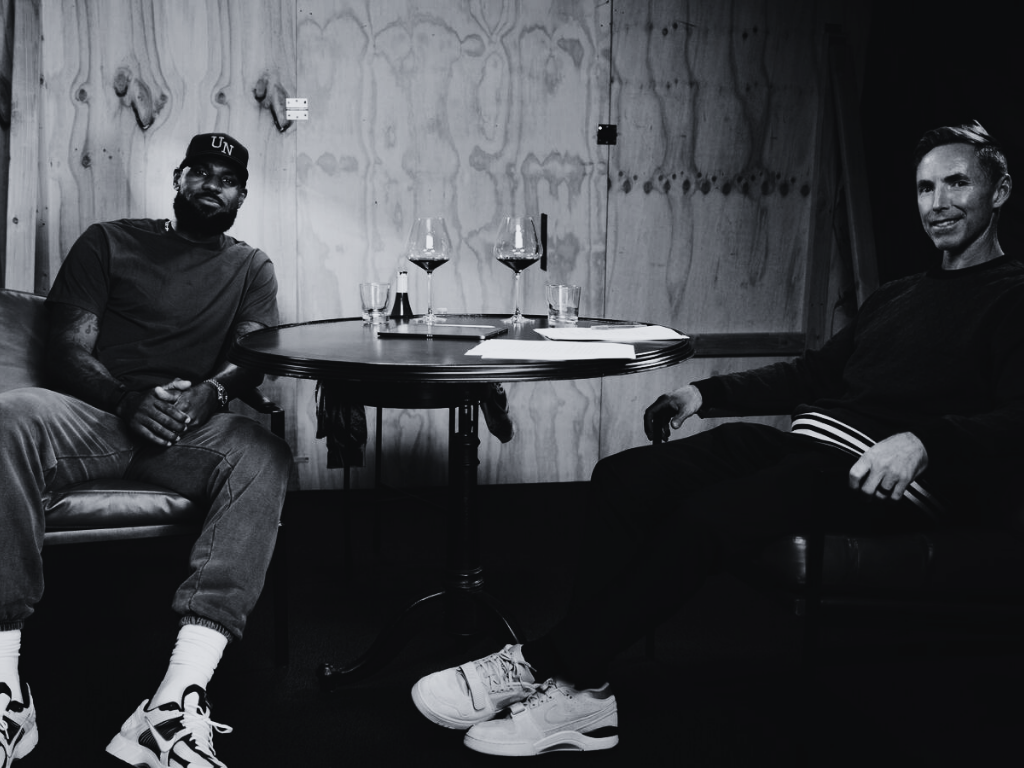
In the beginning of this movement, a lot of content was received well. Players of the past were able to articulate what they saw on the floor, to help audiences understand the games better. Kevin Garnett and LeBron James have done this very well on their podcasts, for example. But as time has gone on, they have descended into the realm of other media figures: engaging in debates and dabbling in hot take culture.
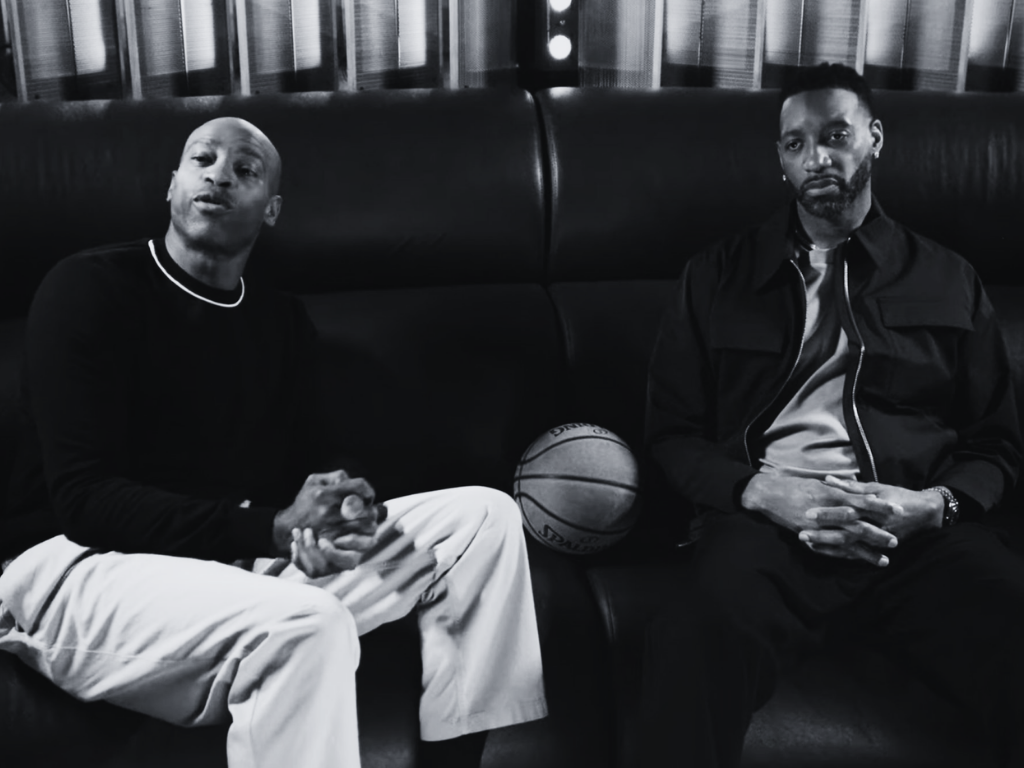
It seems that every week there is a new segment from a podcast featuring a former player making a statement that makes the rounds on social media for its absurdity. Tracy McGrady on a recent episode of his podcast Cousins with Vince Carter suggested that winning the MVP award carries more weight than winning a championship. That sort of opinion feels like it was lifted from the rundown for a show like First Take.
In a twist of irony, player podcasts were cherished for their realism. They were championed because they offered the perspective of people who actually lived in the basketball ecosystem. And yet they too have devolved into the hot take artists that we all claim to hate so much. The difference is that these players have arguably made the discourse worse because there isn’t the same level of pushback to prevent these opinions from becoming content.

There is a side effect to this as well: player-run podcasts have made the work of aspiring journalists and non-player content creators more difficult. Because of the ubiquity and popularity of player-run podcasts, there is an assumption by many that in order to talk about a sport, you needed to play it at a high level.
Much like true crime, that lived experience is important to us in this regard. And it seems to be a sort of all or nothing proposition from many—opinions really only matter through lived experience, that an opinion of a non-player is thus less valid.
Consider someone critiquing the decision-making of a basketball player in a late game situation. If their opinion isn’t in line with the consensus, many will fire a retort of “well you never played, so you wouldn’t understand”. That push back sends a message that in order to comment on a sport you need to have played it at a high level.
It’s a bar that other journalistic fields don’t have to clear. No one asks that a tech journalist be a former engineer for example, those are two inherently different skills. And yet we have now come to expect those that cover sports to have been former athletes. That makes many trying to get into the profession to become discouraged and less likely to enter.
The truth of the matter is that there should be space for both to succeed. A player breaking down film or analyzing player body language is a realm that they are very familiar with, and they are generally subject matter experts on the topic. But that’s not to say that a regular creator that never played in the NBA can’t learn that skill in their own way.

Our obsession with reality speaks to a desire for authenticity but also a growing distrust in storytelling. In a 2016 analysis, researchers Kurt Braddock and James Price Dillard concluded that exposure to narratives helped to influence beliefs, attitudes, intentions, and behaviors in ways that aligned with a story’s message.
In a world where people have deep feelings of skepticism towards media institutions, there comes a desire for authenticity, for the stripping of a narrative. In fact, in sports discourse the term “narrative” has come to become a synonym for “slander”. There is an assumption that many reports are engaged in bad faith. That is why true crime is so popular, and that is also why many have flocked to player-led podcasts: the feeling of authenticity and the lack of fluff.
But is that a way to consume an entertainment product? Is there inherently something wrong with consuming something and letting the narrator take you on a journey? Some of the best stories to ever be written or acted on the screen thrive on the brief suspension from reality. Being so heavily rooted in lived experience and reality can prevent the entrance of different thinkers.
The true tragedy of the way this has all unfolded is that many players have simply become what they said they despised. They entered a game they were unfamiliar with, equipped with ideals of what it should be. In practice they found themselves playing the same algorithmically charged shell game that modern journalists and content creators have been engaged in for years.
We have continued to consume their content, even if the topical value is less polished and the ragebait material remains same. All because we covet lived experience over everything else in today’s world. It takes the curiosity out of the way we talk about basketball and everything else around it. The question we must ask ourselves is why can’t we have both? Why can’t there be a value placed on lived experience while also valuing storytelling? That is a sports media world that sounds like a much better place to live in.