Sophie Cunningham & the Cost of Algorithmic Fame

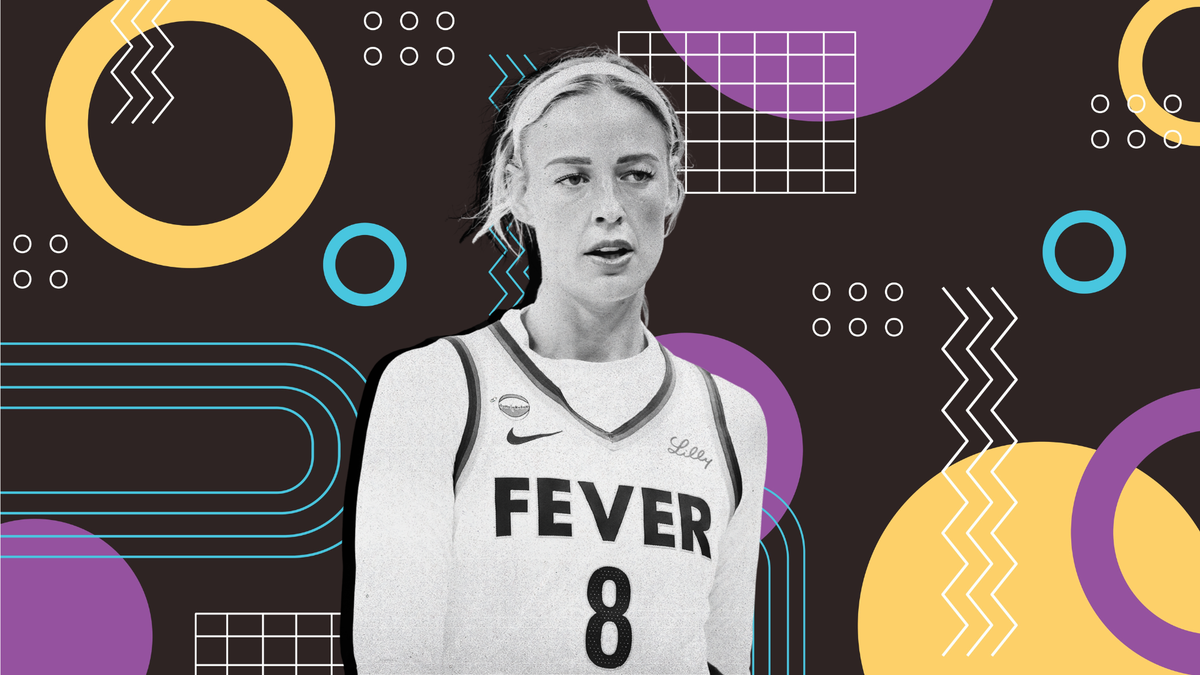
How a chase for fame and rising online presence has diminished an excellent shooting season on the court
The influencer marketing industry is booming. From 2024 to 2025 the industry grew 12.12% to a value of $22.2 billion. It is projected to continue this upward trajectory as more brands see the value of influencers and as traditional media houses recede to make way for more independent creators. The people driving this growth are women, who account for 70% of the influencer market share in the industry. We can safely assume that the social media era has been one of increased agency for women, where they can create their own opportunities and build success.
However, this increased visibility and agency comes at a steep cost. Women are often sexualized on social platforms and deal with harassment from strangers. Men online often feel entitled to women’s content, attention, and bodies, creating a vicious cycle where visibility becomes inseparable from sexualization.This creates a trade-off where playing an algorithmic game can come at the cost of overlooking the talent of the creator. In sports, this dynamic becomes even more fraught, because athletic legitimacy competes directly with algorithmic visibility.It's a balance that women have had to make for years and we are seeing it again in the way that Indiana Fever guard Sophie Cunningham has approached her rising fame.
The sports world has often struggled with how it handles women athletes that are conventionally attractive. Oftentimes, their success and prowess in their sport is overlooked in favor of their physical appearance. Athletes like Lolo Jones (bobsled), Paige Spiranac (golf), and Danica Patrick (motorsports) have all had their physical appearance become their story as opposed to their athletic achievements. But none of them match the way that the world perceived Anna Kournikova in the late 1990s.
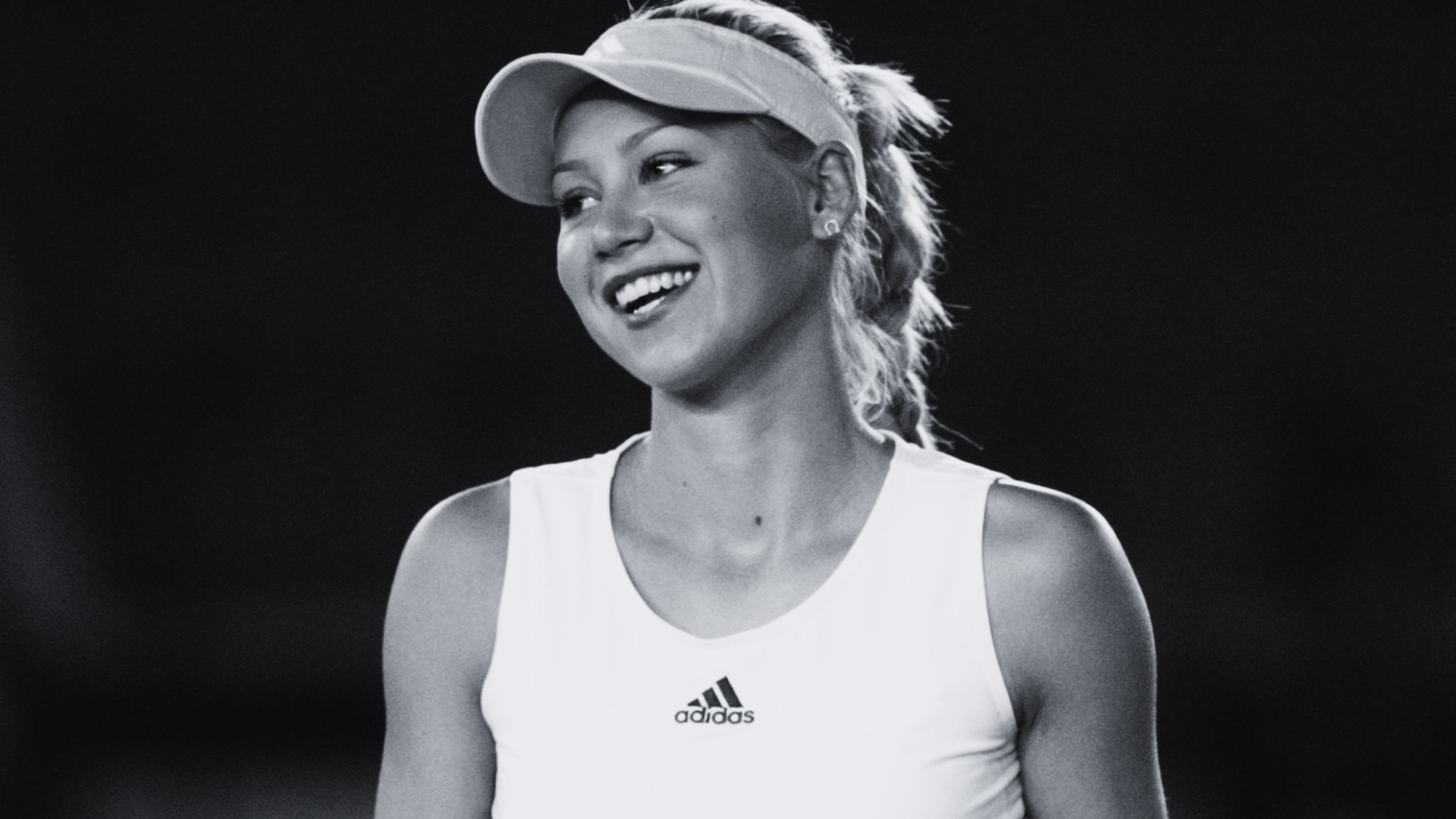
Kournikova was a gifted tennis talent at a young age. In 2000, she was ranked 8th in the world and at 16 years old advanced to the semifinals of Wimbledon. She was even better in tennis doubles, ranking number one in the world with her partner Martina Hingis—where they won Australian Open doubles titles in 1999 and 2002. Injuries ultimately derailed her career but long before then, Kournikova's skill as a tennis player was overshadowed by her physical appearance.
At the turn of the century she was the most searched woman on Google in addition to Angelina Jolie and Britney Spears. Her looks created an obsession by the public that led to numerous brand deals and eventually a career in modeling after her retirement. She ultimately lost control of the narrative about her career and became remembered only for her looks and is viewed as a tennis bust—something that sports marketers have called "The Kournikova Effect" when the publicity and hype outpaces the talent of the athlete.
While it can be argued that Kournikova had no true control over how she was displayed to the public in marketing campaigns and perception, Sophie Cunningham's foray into stardom and notoriety is more controlled. In the social media age, stars and influencers have more agency than they ever have before. They control the message, they choose what the world sees of them and can utilize leverage to maintain a certain image. Cunningham has leveraged her social media presence to cultivate her image, and much of that has involved leaning into her physical appearance.
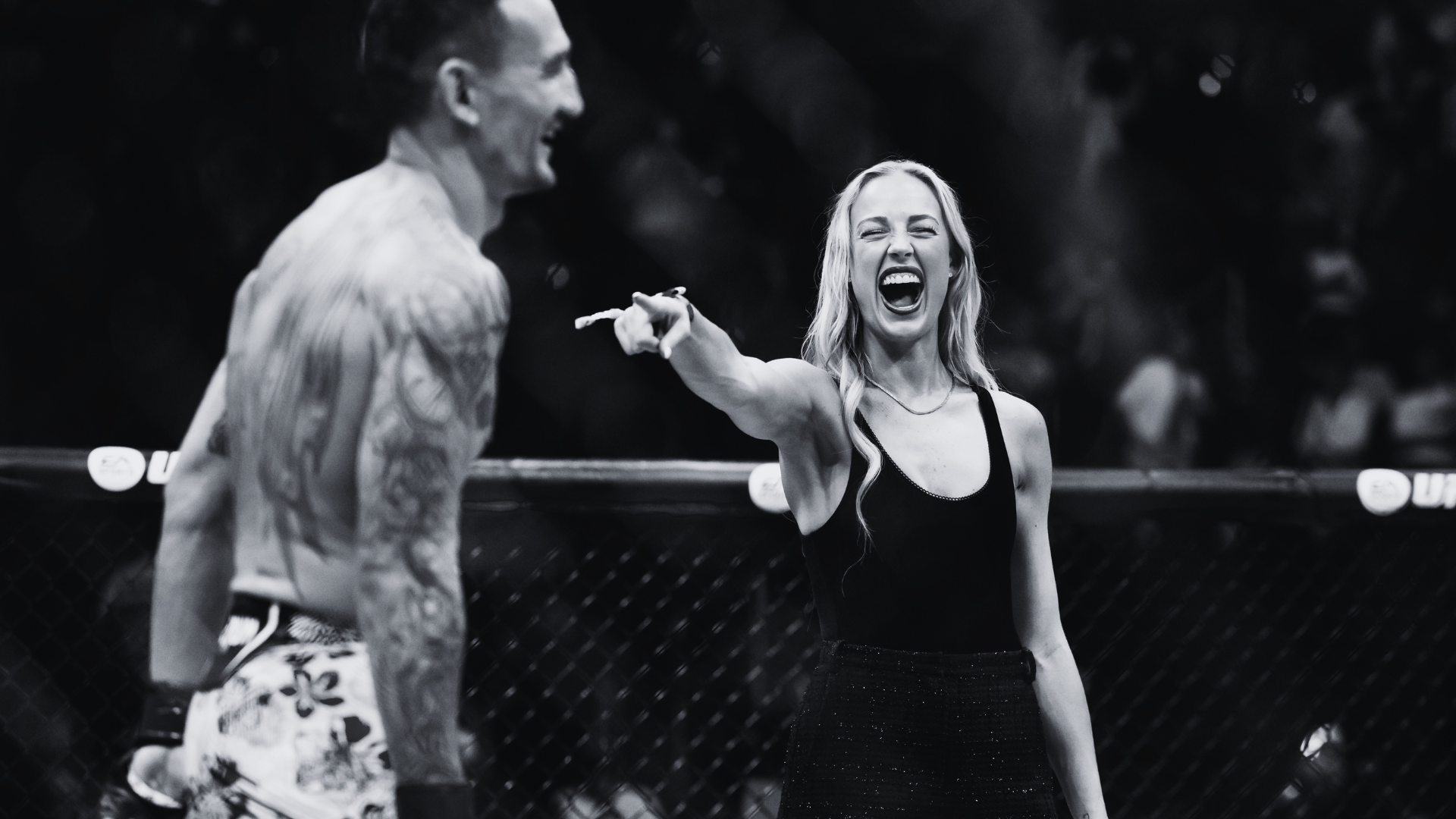
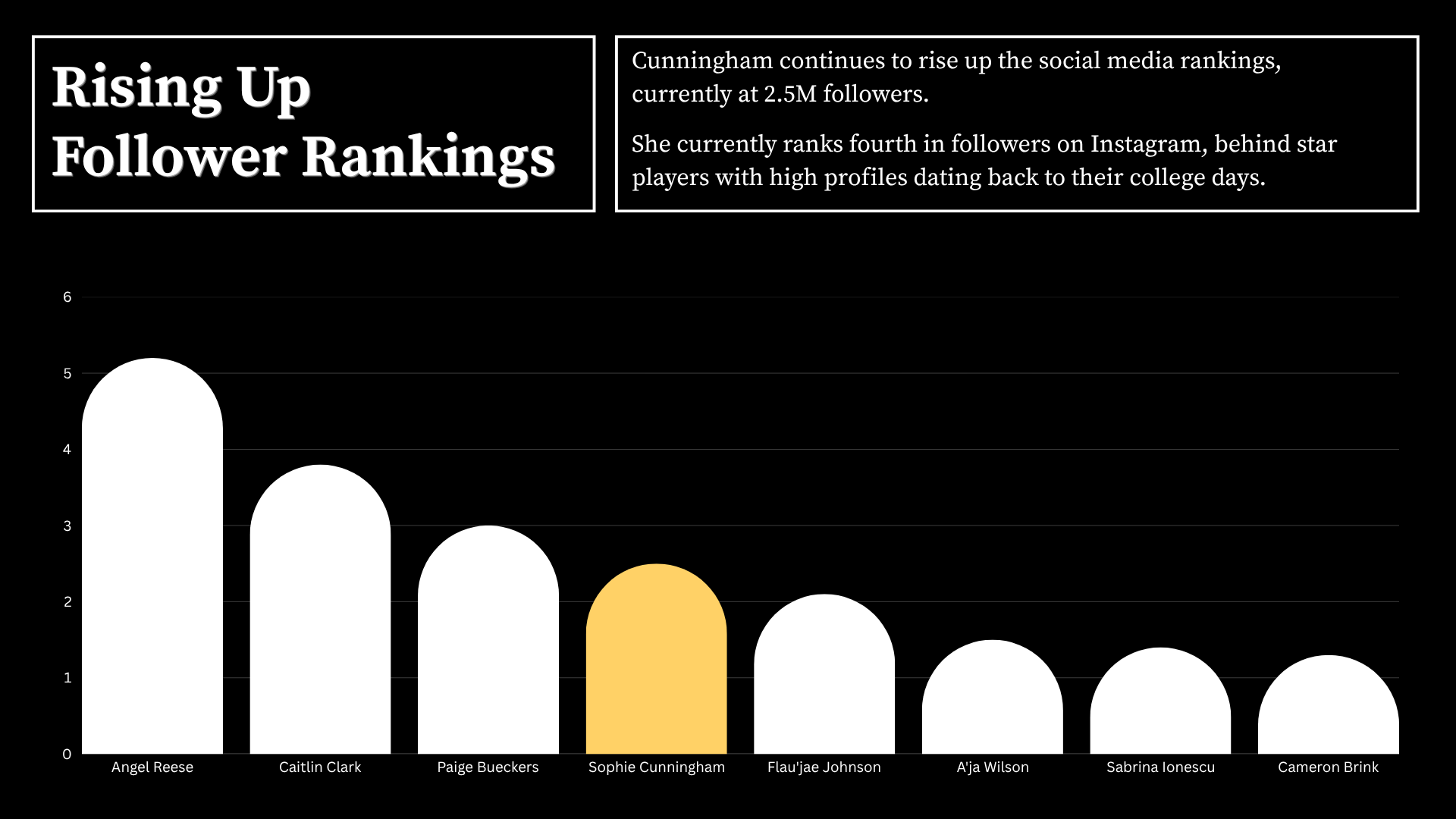
Cunningham is one of the most followed WNBA players on Instagram with 2.5M followers. Her feed is a mixture of basketball and her modeling endeavors—featuring her recent Sports Illustrated swimsuit shoot and appearance as a ring girl in a UFC fight. Cunningham has also shown an ability to create a viral moment, evidenced by her widely ubiquitous pointing gesture at DeWanna Bonner in a recent game against the Phoenix Mercury. That incident led to a massive surge in followers—netting her over 1M new followers in the last month. All of these strategies are intentional, the work of someone that knows what she's doing and is enjoying her recent rise to fame.
In a recent podcast interview, Cunningham said the following when asked about her salary in the WNBA and why she is positioning herself with various mechanisms that lead to online conversation:
“I am not ignorant. I know that if you use this platform, you can, once the ball stops bouncing, you’re setting yourself up for success, and the players need to start doing that because we don’t make enough money. Even now, after the CBA, we don’t make enough money to retire and not do anything once we’re done.”
It can be inferred from this comment that Cunningham views the creator economy and pop culture as inextricably tied to her financial security. WNBA players are only now reaping the rewards of higher pay with their new collective bargaining agreement and Cunningham's point about financial security does have some merit. However, it does seem that she is more in front of cameras and mentioned in headlines than other players across the league, indicating a different approach than her peers in the league.
Her impact has been so widespread in the pop culture zeitgeist that on a recent episode of The Bill Simmons Podcast, author Chuck Klosterman praised her charisma and predicted that by 2050 she will be on a presidential ticket as a vice presidential candidate. Mere days later, Cunningham questioned about the need for data centers on farmland—tackling a hot button political issue, an indication that she is incredibly aware of the conversation around her and wanting to stoke the right-wing social media flames to further engagement.
Because of her looks, social media circle, and upbringing (a white woman from Missouri), Cunningham has received the nickname "MAGA Barbie" and has become a person of tremendous fascination with the American political right, as can be seen from multiple right wing fan pages on X. For her part, Cunningham has deflected any assumptions about her political leanings, saying the following in a New York Times interview last year:
"I'm clearly white and from Missouri, and so I think there was a lot of assumption there. All I have to say is I really am right in the middle, and I think a lot of America is like that. In our culture today you have to choose and you have to be an extremist, and that's just not me. So I agree with things on both sides; I disagree with things on both sides."
Commentary like that and her social media presence have become the story of Cunningham. Those that like her cherish her physical attractiveness and personality. Those that don't like her say that she has simply rode the coattails of Caitlin Clark's popularity and has become a sort of internet troll that is aligned with the fringe political right. What has been lost in these conversations about Cunningham, however, is that she has statistically been one of the best shooters in the WNBA in 2026.
Despite her social media following (2.5M followers on Instagram, 3.1M followers on TikTok), Cunningham is and always has been a role player in the WNBA. In her two years in Indiana in particular, she has evolved into a crucial bench shooting piece for the Fever. Last season, Indiana was 3rd in offensive rating and this year they are first. This has largely been due to the offensive excellence of Caitlin Clark, Aliyah Boston, and Kelsey Mitchell, but Cunningham has been a factor without a doubt.
This season, Cunningham has shot 43.8% from three on 4.2 attempts per game. That is the 6th best three-point efficiency in the league this season and ranks the highest in three-point efficiency for volume shooters (over 4 attempts per game) with a minimum of 10 games played. From an advanced metrics perspective, she ranked equally well. Cunningham is 2nd in true shooting percentage, 3rd in effective field goal percentage, and third in offensive rating. What the numbers tell us is that Cunningham is an elite shooter in the WNBA.
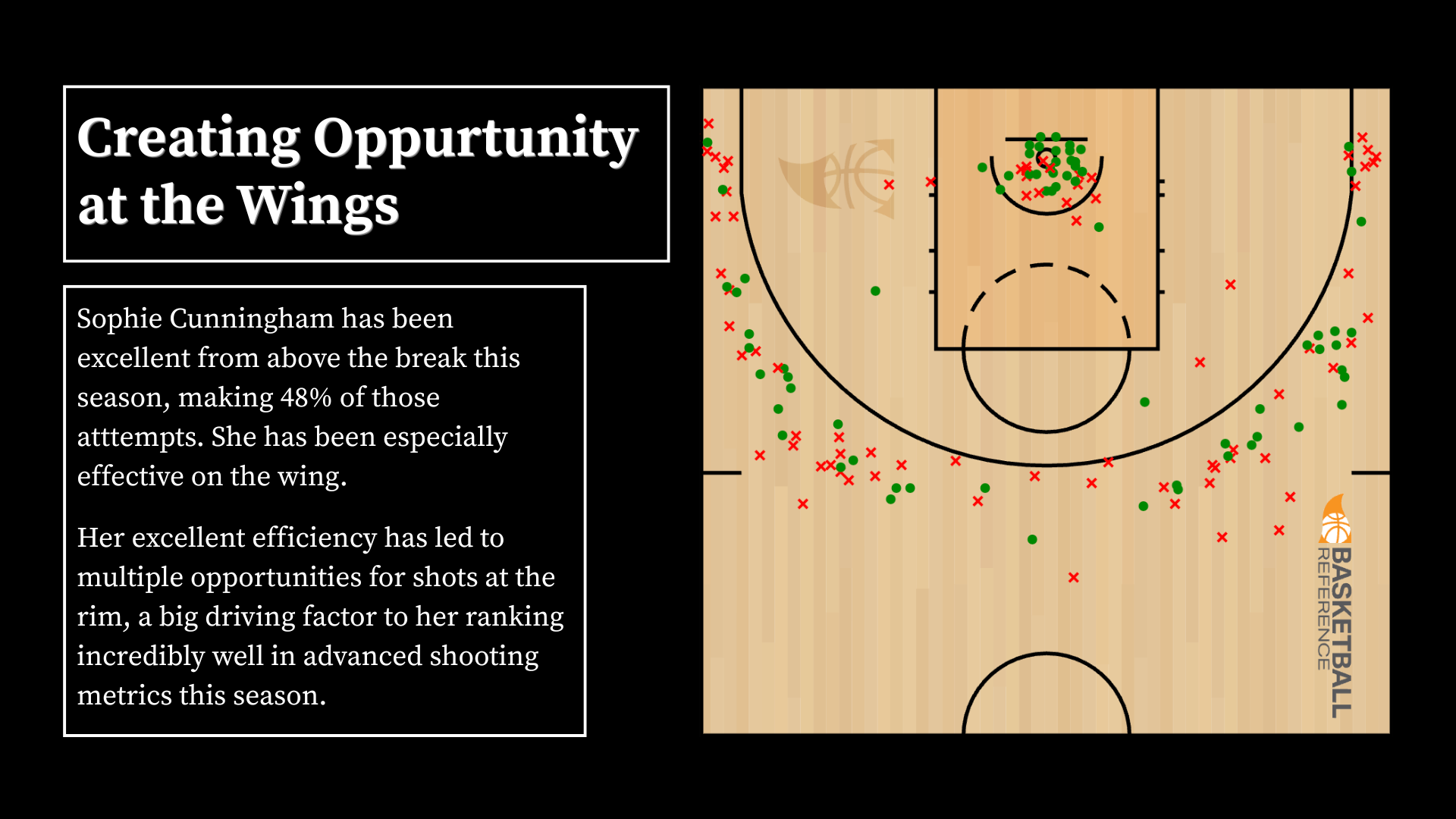
Interestingly, when breaking down her shooting by zone, Cunningham presents us with a contradictory tale of efficiency. From the corners, she is only shooting 23.5% (on only 17 attempts). But above the break, she has been wildly efficient. Cunningham has shot 48.1% on 79 attempts. A bulk of her makes have come on the wing, which informs her efficiency at the rim. Cunningham has made 68% of her 35 attempts in the restricted area, her three point gravity allowing her to attack the rim off the catch for layups and runners. Among the same high volume three-point shooters in the league, Cunningham ranks third in two-point field rate, an indication of her value as a bench scorer.
This is the aspect of Cunningham that is so often overlooked. We have focused on her antics on the court as Caitlin Clark's "enforcer", her status as a political lightning rod, and her increasingly influencer-esque social media presence. Hidden beneath all of that is a technically gifted shooter who has continued to evolve her style to fit a role on her team. It forces us to wonder if we as the viewing public are misrepresenting her, or if she has simply made the conscious decision to be more of an internet personality than a basketball player.
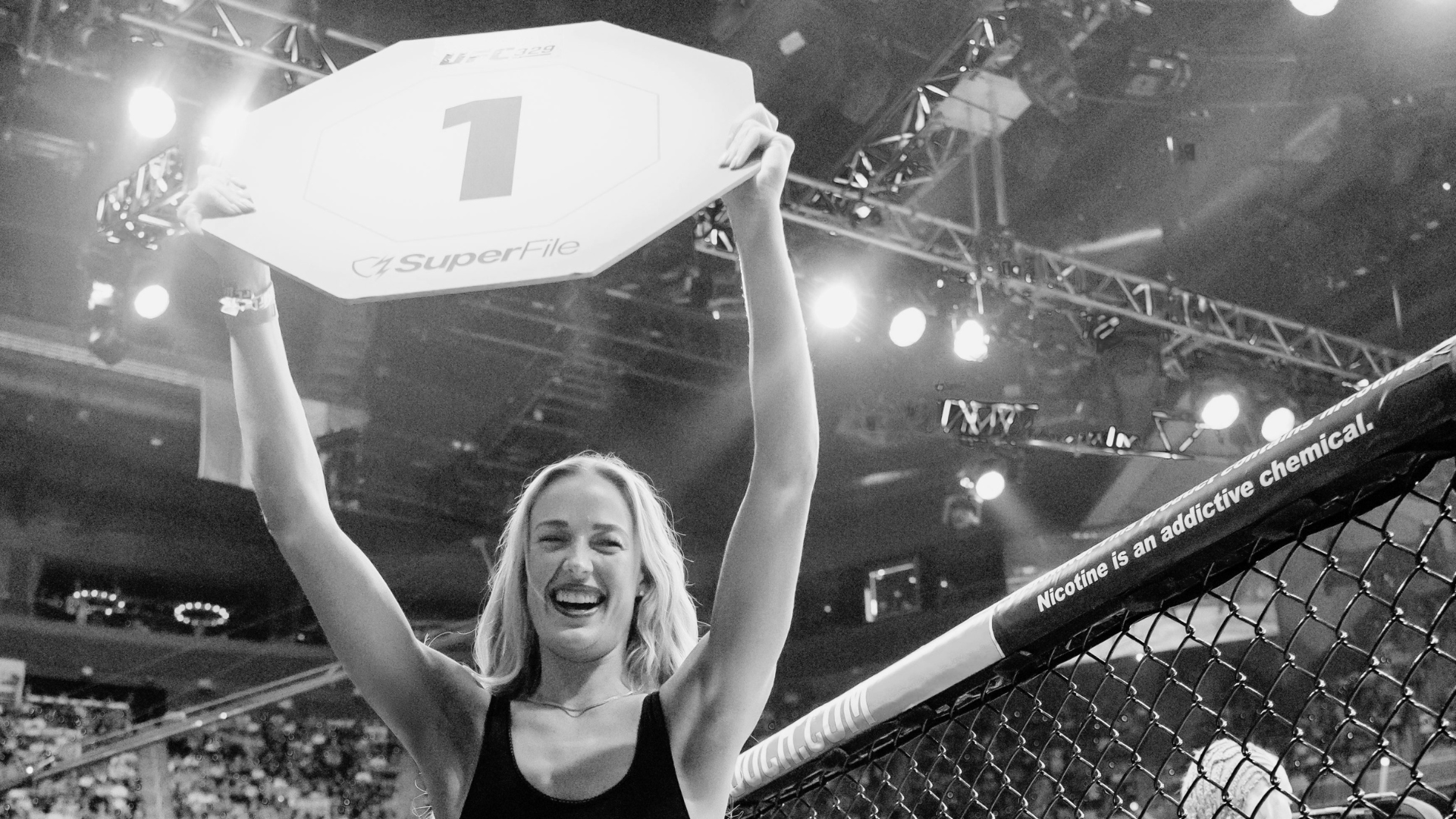
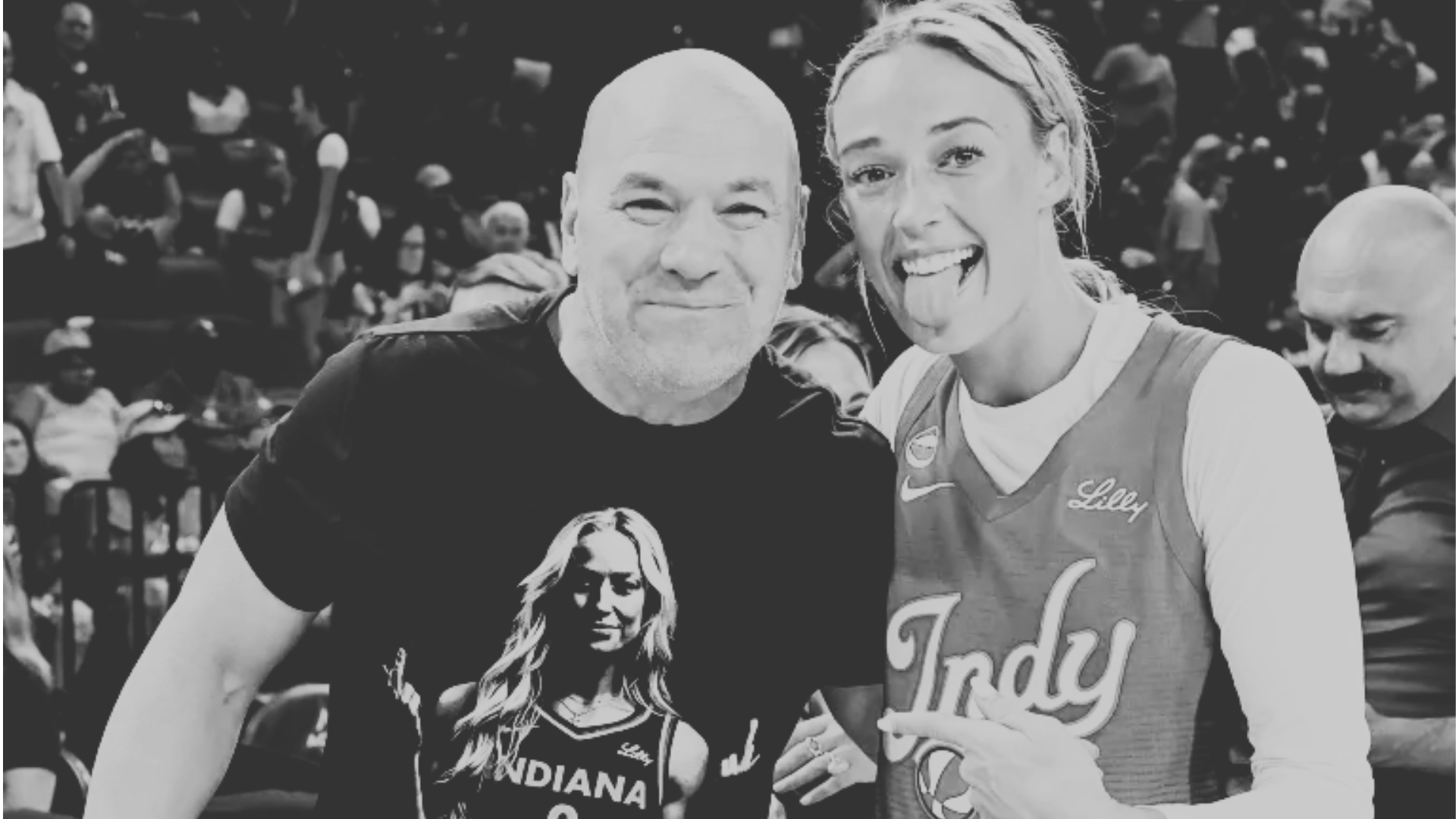
Her appearance as a ring girl at UFC 319 is an example of this decision-making. Cunningham was in Las Vegas experiencing her first UFC event and after a joke about wanting to be a ring girl, UFC president Dana White turned it into reality—capitalizing on the virality of Cunningham's recent antics on the court to garner even more views. And the idea worked. On TikTok, clips of Cunningham's appearance had over a million likes and countless comments from those that love and loathe her. If nothing else, Cunningham has proven to be an internet engagement goldmine, the type of figure that has fierce loyalists and venomous detractors.
Much of her persona online is geared towards maximizing engagement, increasing her visibility, and to get people talking. She has done this countless times on her podcast Show Me Something and through her commentary online. The thing about viral moments like her pointing or her UFC appearance is that they are fleeting. Viral content in 2026 is best compared to fast food—easily digested and often unremarkable with time. Basketball, on the other hand, presents an opportunity for immortality, to be remembered for achievements. These moments paint her as a sort of cartoonish figure whose essence doesn't allow any part of her basketball game to breathe.
The WNBA has grown a lot over the last few years with a massive influx of generational talent into the league. But the league has always had a dedicated fan base that feels a connection to its franchises and players. These players are often deified and worshipped for their excellence on the court. At her current efficiency pace, Sophie Cunningham is on pace to have the 9th best three point shooting season in WNBA history (for players with more than 150 attempts in a season). Her desire to be internet famous and secure partnerships and clout in other ways causes us to overlook that potential feat.
It seems that Cunningham is enamored by the news cycle, craving to be a part of it as much as she can. It's a dangerous game to play, and unlike Anna Kournikova she is playing willingly, excited to be a part of it. In a sense she is an illustration of the trappings of the modern social internet that can turn people into stars overnight. But that fame often comes at a cost. For Cunningham that cost is legitimacy.
When we look back at the 2020s boom of the WNBA, she runs the risk of simply being remembered as a viral footnote, not an excellent shooter. The calculus for Cunningham has come to be that she will skyrocket to fame, and she will be a household name. But it won't be for basketball, despite how good of a shooter she becomes. And in that sense, she presents a view into the potential pitfalls of the influencer economy in the sports space.