
The Brooklyn Nets & the Fading Need of Community Buy-In


The Brooklyn Nets' uncertain place in New York reveals how billion-dollar franchises have become investment assets first, and community institutions second
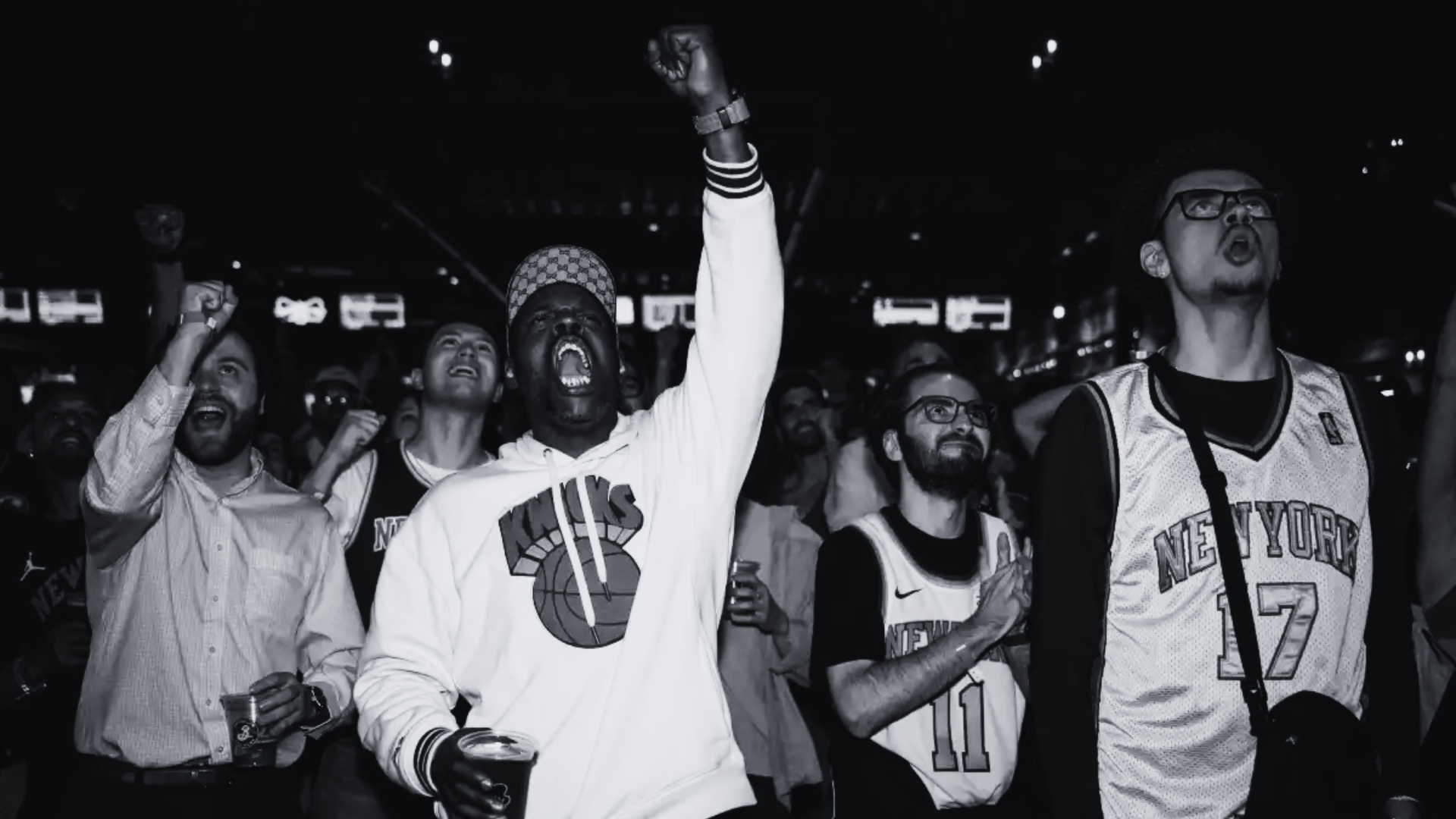
When the New York Knicks broke their 53-year championship drought, the entire city of New York commenced in a celebration that lasted an entire summer. Based on the ubiquity of the celebrations and the now adopted rally cry of “Knicks in Five”, a person unfamiliar with the NBA would be forgiven if they thought that the Knicks were the only basketball team in New York City. Even during the Finals, when the San Antonio Spurs’ Julian Champagnie caught fire, ESPN’s Mike Breen noted that the player was “torching his hometown team.” The ultimate irony of course, is that Champagnie is from Brooklyn, home of the Nets.
In the aftermath of the Knicks title, many have come to the same conclusion about the Nets. That the franchise, which already struggled mightily for mindshare amongst New Yorkers, had achieved peak irrelevance in the city now that the Knicks reached the mountaintop. Bill Simmons has repeatedly lamented that the Nets have lost the city, while others have suggested that the team move back to New Jersey or contemplate relocation.
Even New Jersey governor Mikie Sherrill has expressed interest in having the Nets return to the Garden State. The perception of the Nets in this regard highlights a growing chasm of perception in the NBA: the growing corporate-minded slant of team ownership and the increased irrelevance of community embrace as a barometer of success.
If the Nets were to decide that the New York City market was no longer viable for them, they would have a few options to consider. Seattle and Las Vegas have long been rumored in the bid for expansion teams, while the intrigue of international markets like Vancouver, Montreal, and Mexico City are also on the board. They could even settle for a plethora of mid-sized cities like Louisville, Kansas City, St. Louis, and Nashville—or even a return to New Jersey.
Exploring any of these options presents an obvious positive that fans can easily understand: sole ownership of basketball fandom in the market. They would own the fan base, would no longer deal with being considered the “little brother” next to a more established brand, and can form a new identity.
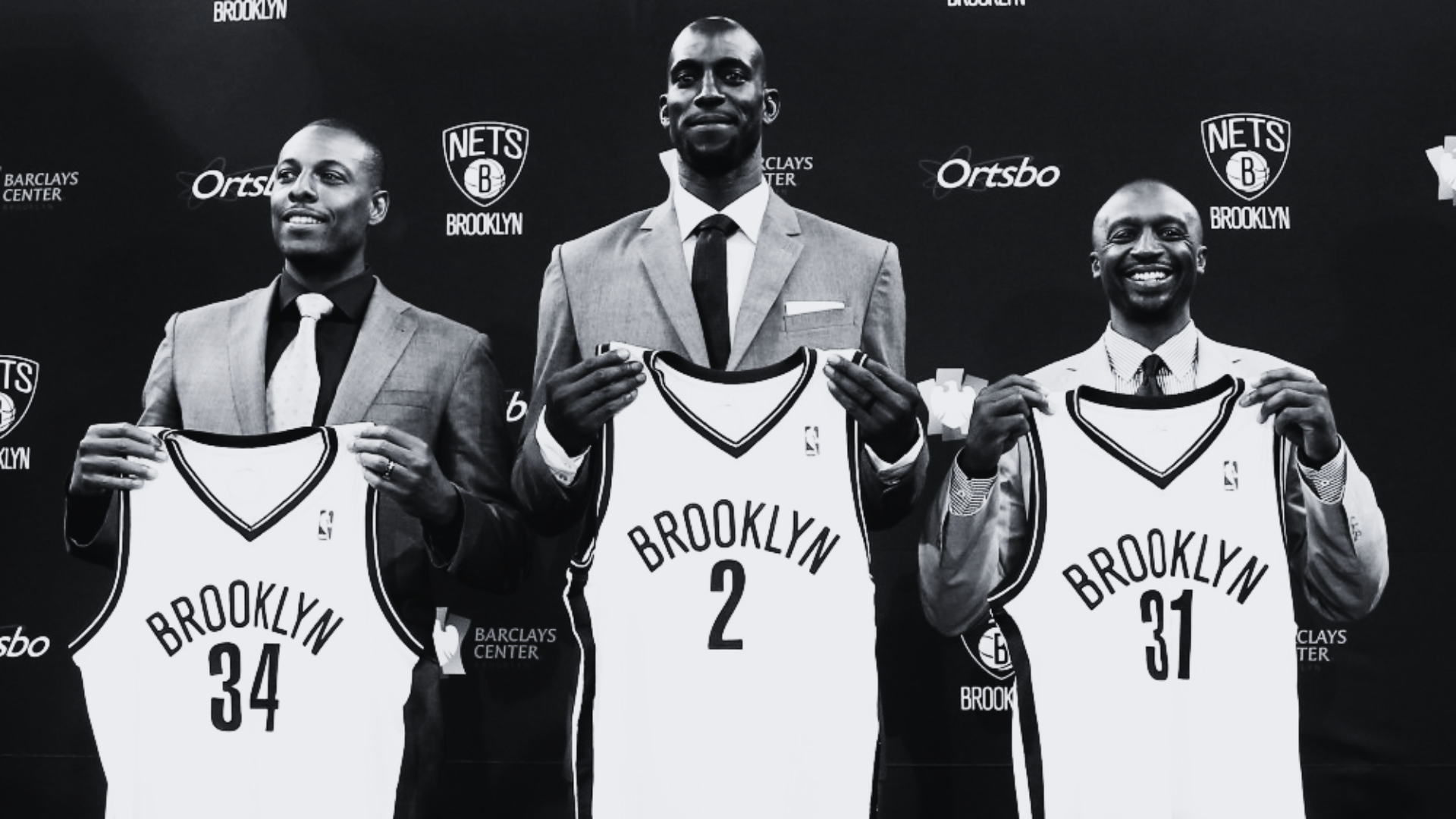
As it stands, the Nets time in Brooklyn has been defined by the disastrous ownership of Mikhail Prokhorov, the ill-fated acquisition of Kevin Garnett and Paul Pierce, and high profile (but ultimately fruitless) signings of Kevin Durant, Kyrie Irving, and James Harden. If there is a franchise that could benefit from a clean slate, it’s likely the Nets.
All of these moves in addition with aligning itself with iconic Brooklyn figures like the Notorious BIG and Jean-Michel Basquiat were all done with the intention of capturing cultural currency from the Knicks locally. The acquisitions of Durant and Irving were the closest they ever got to cracking that code. But as soon as the Knicks became a playoff team again, that all faded.
The thought behind bringing the Nets back to New York City (they were the New York Nets in the ABA during the 1970s) was to maximize on the bigger market. The Nets thought that with the Barclays Center in Brooklyn, that the lights of the big city would increase their viability, they would sign free agents, and truly contend for ownership of the city.
What the Nets found out, however, was that overcoming over six decades of unopposed Knicks fandom would be a tough nut to crack. Even when they were title contenders in the Durant and Irving era, they still felt like a secondary story—a reality that another little brother franchise, the LA Clippers, experienced during its own “Lob City” era.
Between the failures of team construction, its current era of rebuilding, and massive fandom disparity, it would seem prudent that the Nets have a lot of reasons to leave New York. And yet, the numbers tell a different story. The Nets, who have missed the playoffs the last three seasons and haven’t fielded a true contender in six years, are still the 9th most valuable franchise in the NBA. Yet the perception of the Nets would have you believe that they resided in the same value stratosphere as the Memphis Grizzlies or New Orleans Pelicans. And that is why they are unlikely to leave New York City.
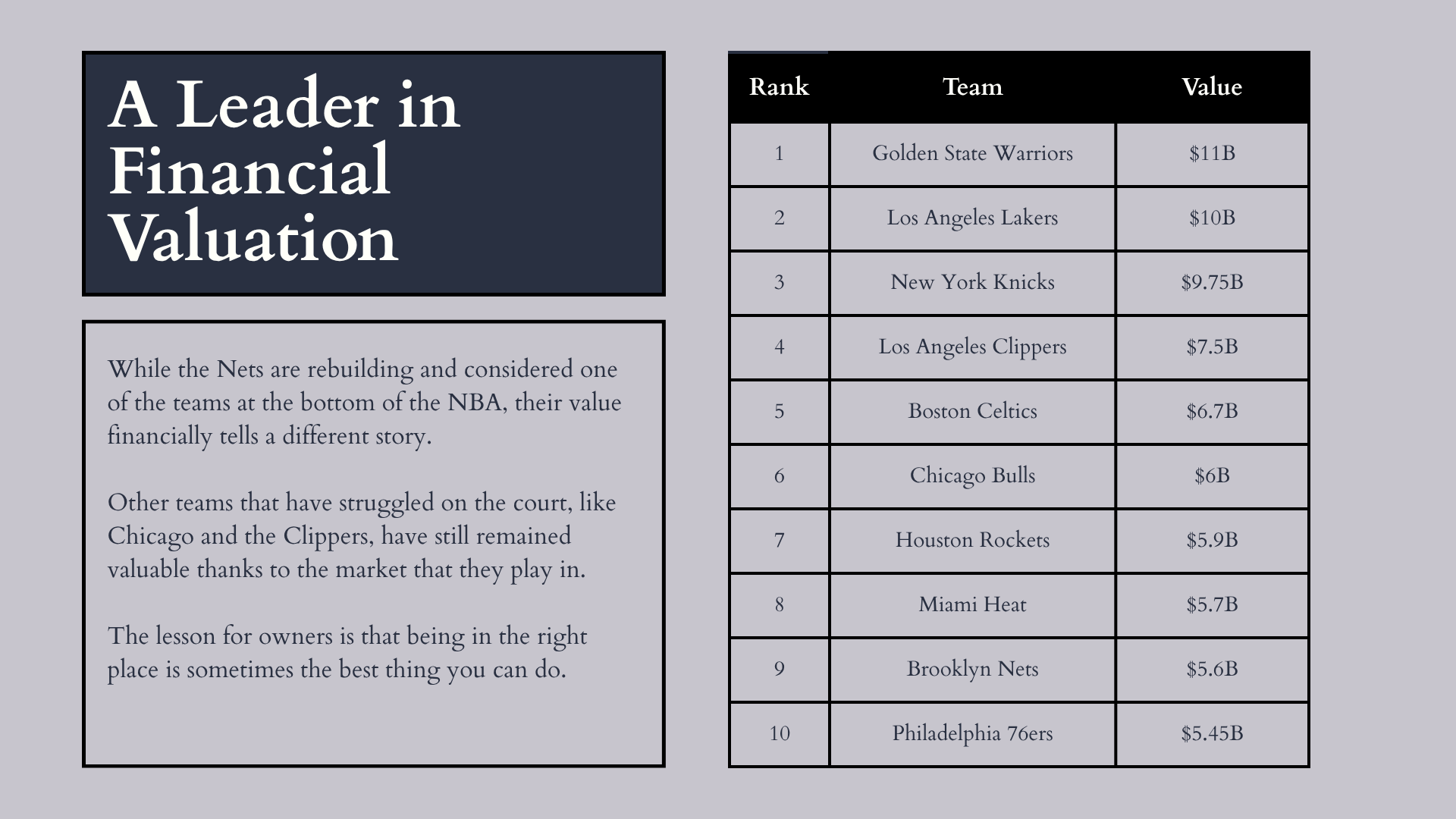
In the top ten value list there are some franchises that have fielded an awful product on the basketball court, but enjoy the benefits of a large-sized media market. The Clippers have long been an underachieving franchise even when making big-name acquisitions and are the fourth most valuable franchise in the league. The Chicago Bulls, who have toiled in mediocrity for the better part of a decade, are right behind them in fifth. Conversely, well-run franchises like the Nuggets and Spurs are towards the bottom half of the league in franchise value. What this shows us is that winning on the court is only part of a team’s true value.

When Nets owner Joe Tsai bought the franchise, he also bought the Barclays Center. This is an important acquisition because of the prominence of that arena and New York City as a whole as a concert and entertainment venue. Barclays Center has frequently been named a top ten global arena by Billboard and was the sixth highest grossing venue worldwide in 2024. Many of the events that the venue hosts would be difficult to execute in other markets as New York City remains an essential market for live shows alongside Los Angeles, Nashville, and Las Vegas. Remaining in New York ultimately makes good business sense for the Nets, because it delivers maximum return on investment.
The term investment is important to consider. There was a time when a sports team was a community asset emotionally. Teams were owned by local businesspeople, pillars of the community, and their teams became extensions of that community. There was a “one of us” quality to it and it made it feel like the owner, despite being a rich person, was relatable on some level, that they had some “skin in the game” so to speak. But as time has gone on and media rights deals have caused franchise values to skyrocket, that is no longer the case.
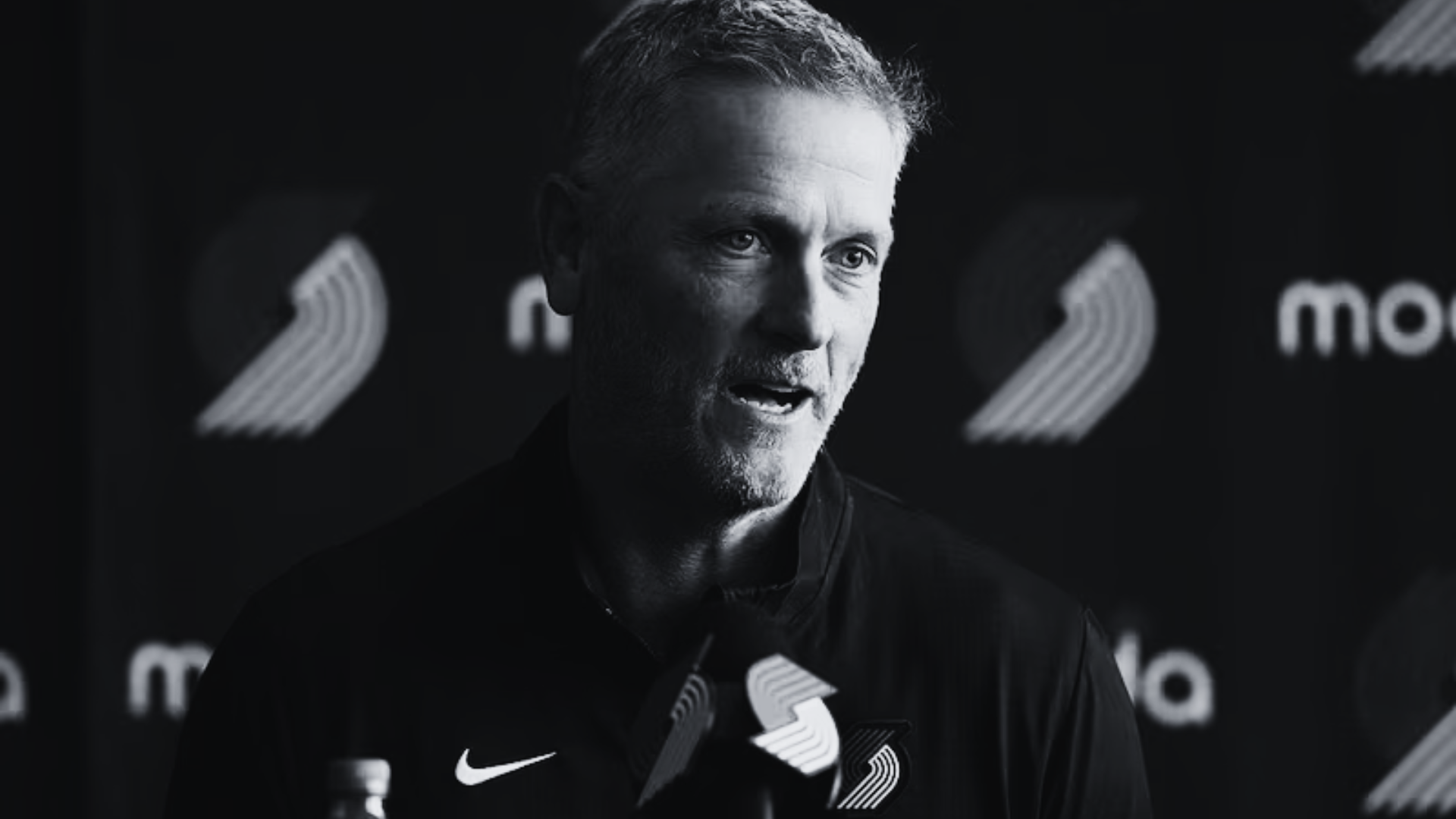
As franchises sell for billions of dollars as opposed to millions, they are no longer in the realm of a local business. Consider the most recent franchise purchase. The Portland Trail Blazers were sold to Carolina Hurricanes owner Tom Dundon, who is originally from Dallas. Not even a full year into his tenure as owner, and there have already been murmurs of him moving the team. The actions of Dundon have felt reminiscent of a hostile corporate takeover focused on ruthlessly cutting costs and getting into disputes with the city, leading many fans to rebel against the new ownership group. As a result, the Blazers have gone from an interesting playoff team to one that has an increasingly alienated fan base.
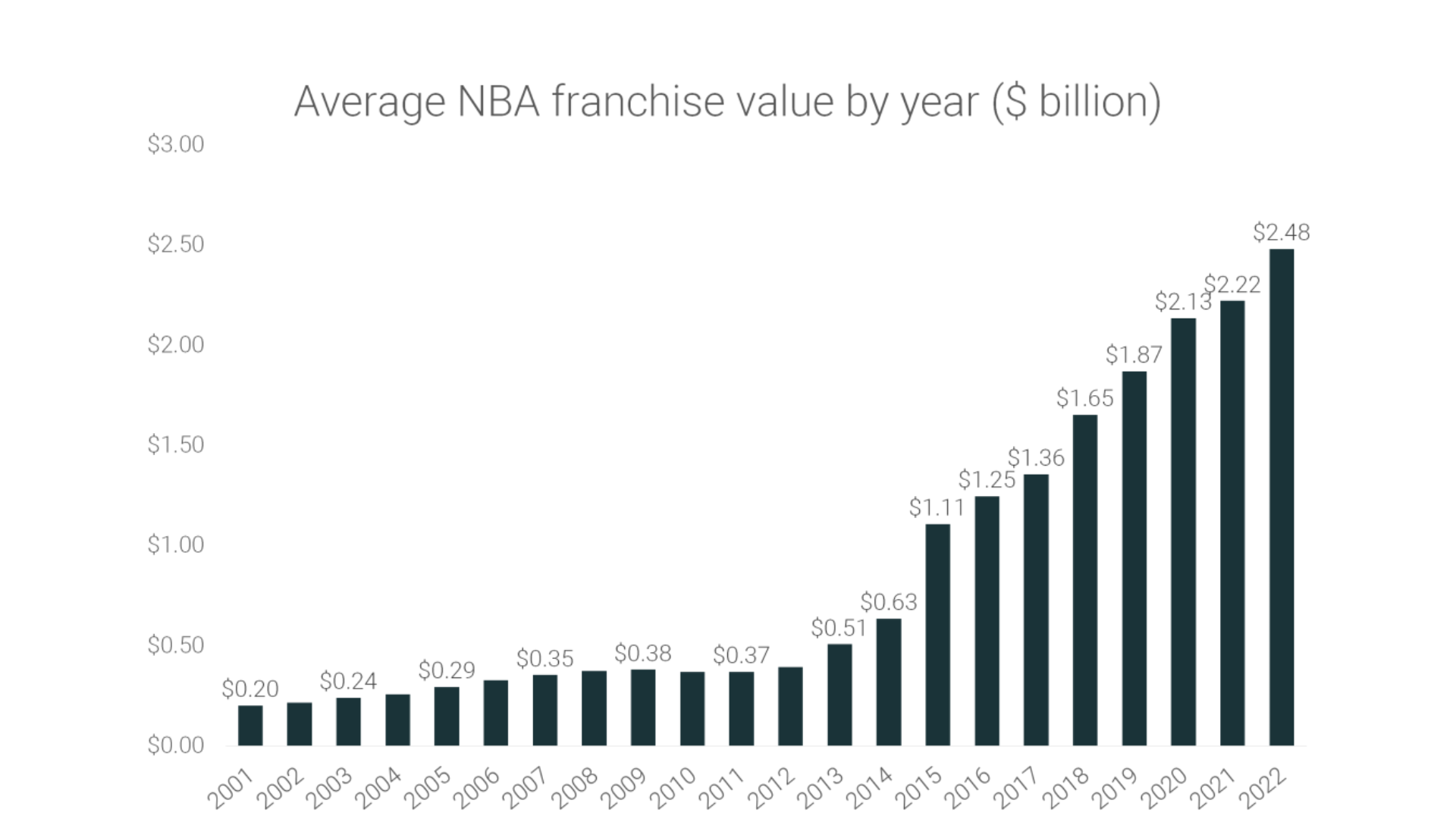
More than ever, NBA franchise ownership has become more of a sound investment to the uber rich. From 2001-2022, franchise values skyrocketed by 1,100% and are only increasing. If someone were to buy a team today, it is almost a guaranteed foolproof investment that will only appreciate with time. This sort of financial windfall has led many in private equity to take an interest in NBA franchises—where 20 of the 30 franchises have some sort of PE backing. When that happens, teams are no longer community pillars but rather simple line items in a portfolio.
This reality is why the Nets will never leave the New York City market despite the sentiment around their fandom, or lack thereof. There is this thought amongst fans that owning a local sports team is not only a massive purchase, but a sort of civic obligation. That a new owner is not a newly minted monarch or dictator, but rather a steward. They expect new owners to revitalize a city, excite a fan base, and drive economic growth through the success of their team. We expect them to be good faith community members. In a certain sense, we want them to act like a small business.
But sports franchise ownership in 2026 is not a small business, it's a mega corporation—filled with shareholders and open opportunities. Much like Boeing leaving Seattle and HP leaving Palo Alto, NBA team owners are always looking for the most advantageous landing spot. We see it on a small scale of state line relocation, like the Chicago Bears building a stadium in Indiana or the Philadelphia 76ers considering a move to New Jersey. Those are financial moves made in the spirit of better tax regulations and better deals from local government.
But it can quickly snowball into threats of relocation. And generally speaking, the threats almost always work because for every disgruntled city there are ten others that would gladly become the new home of a franchise. Since 2000, three NBA teams have relocated. And with the league's stance on expansion forever up in the air, the only way for a city to get a team is to court relocation with a disgruntled owner. But ultimately, for NBA owners these decisions are fully financially motivated.
For the Nets, playing in the country's largest market and being able to attract more than just basketball crowds (for the NBA's Nets and the WNBA's New York Liberty) is the reason to stay in Brooklyn. It doesn't matter that the Knicks have full ownership of the city and the mindshare of the public when it comes to basketball in the market. The team is able to extract value and be successful without that sort of public backing.
That dynamic introduces a contrast worth considering. In a world where basketball teams are investment properties more than civic celebrations, does fan support even matter? It feels like a ridiculous question to ask because fans have always been massively important. Ticket sales, merchandise sales, and arena environments are all predicated on fan engagement after all. But the reality is that the bulk of the money made for an NBA franchise has very little to do with those elements.
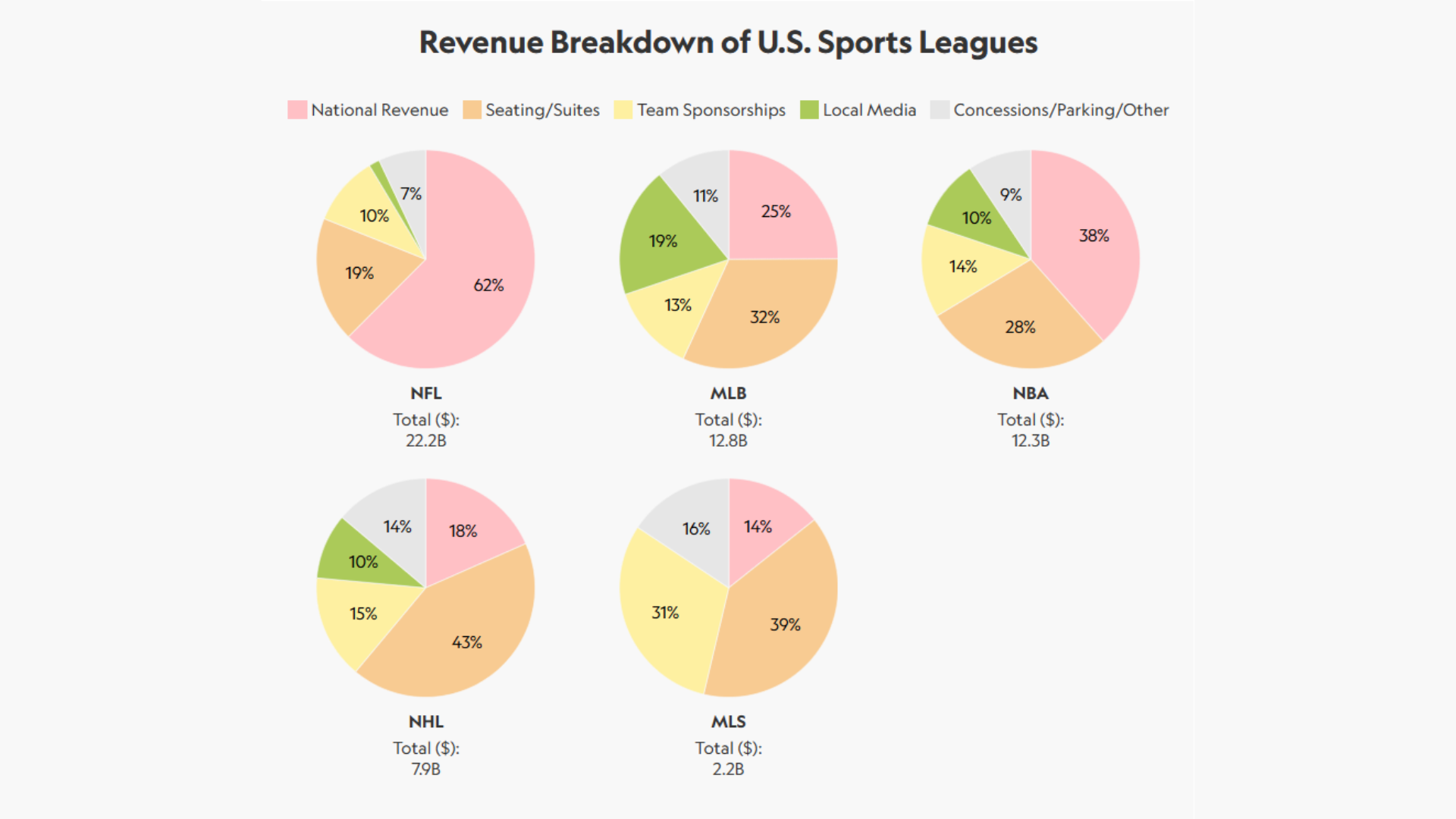
In 2024, nearly half (48%) of NBA team revenue came from national and local media deals, while team sponsorships accounted for 14%, 28% of revenue was from seating. But even that seating number isn't reflective of the average fan. It's estimated that between 60-70% of ticketing revenue in the NBA is from luxury suites and premium seating. By that math, it can be estimated that only 8% of NBA team revenue is driven by fans buying tickets and merchandise to their favorite team.
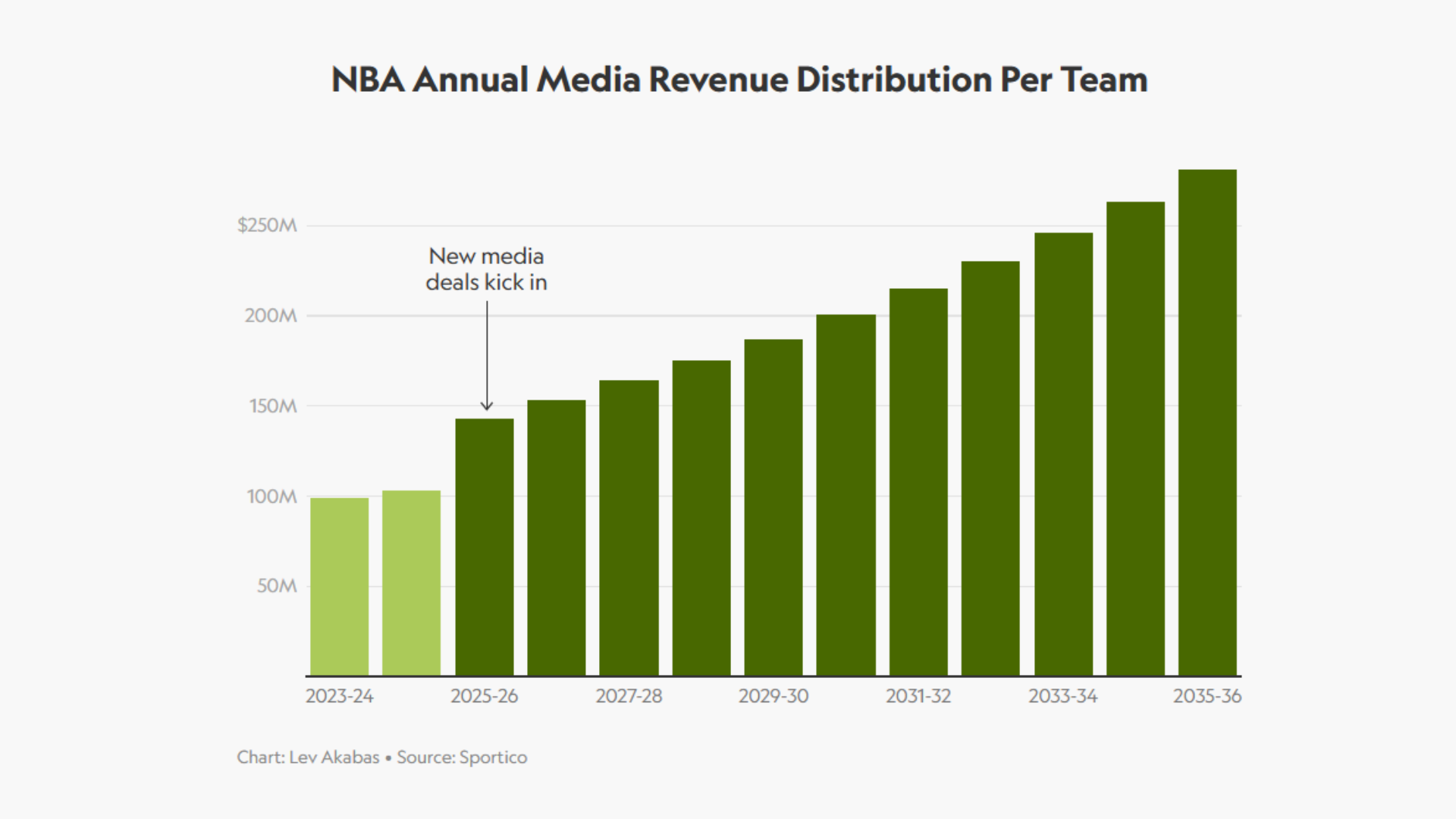
That breakdown will only grow wider with the NBA's new media deal that will pay teams $281M per team in 2035-36 (this past season teams received $143M each from the media deal). This means that for an NBA owner, the individual seat at their arena is much less significant than the broadcast rights or the sponsors in the arena. That math is indicative of why Tom Dundon has been so hostile to the Portland market and why Joe Tsai is content staying in New York. They are opposite reactions grounded in the same philosophy: a team is only as valuable as the money the owner can extract.
When fans lament that owners don't care about them, the sad reality is that the statement is probably true. For as much as owners say that they are invested in a community there is a limit, and that limit is laced with opportunism. The Brooklyn Nets are a case study in why fan investment has never mattered less in professional sports. It’s a bleak reality for fans who still view their team as a community trust. But in modern professional sports, success isn't measured in hearts and minds anymore. It's measured on a balance sheet.