
The Much-Needed Emergence of Local Over-the-Air NBA Broadcasts
In a streaming world, it was time for the NBA to move past regional sports networks. Over-the-air presents an option to solve the problem and cultivate the next generation of fans
The way we watch basketball is changing. The NBA’s new media deal has embraced streaming apps like Peacock and Amazon Prime. All indications are that this move has been a positive, as ratings and viewership increases. Behind this success, however, is the rot of the fading regional sports network (RSN) system that carried local broadcasts. With the demise of Main Street Sports Group, 13 NBA teams are left to find a new solution to broadcast their regular season games locally.
The Detroit Pistons have announced that their solution will be to ditch the media deal with a RSN and instead air their games over the air in partnership with WYMD-TV. The Pistons join the Suns and Jazz and teams that have gone this route. And if the lessons learned from those two teams is any indication, all NBA teams should also consider the over the air route.
One of the biggest pain points for NBA fans in recent years has been the dreaded regional blackout. NBA League Pass has long been marketed to see all the NBA games. But this is only half-true. It is merely a way to watch out of market games. But when it comes to in-market games, fans can often be left out in the cold.
For years during the peak of cable TV subscriptions, this was less of an issue. Cable often carried regional sports networks like local FOX Sports affiliates, and that enabled local fans to watch their teams in their non-nationally televised games. But as cable faded in favor of streaming, the entire existence of RSNs has started to feel like a function of the past, a relic in desperate need of revitalization.

Some teams have offered a bundle streaming app for local teams. Fans in the New York City market have been able to do this with the Gotham Sports app. They have been able to access packages with YES (Yankees and Nets), MSG (Knicks, Rangers, Islanders, Devils, Sabres), or a bundle with both. These start at $20 per month and go as high as $35 a month. The solution allows for mobile usage and support for smart TV apps like Amazon Fire TV and Roku.
The streaming app solution provides a modern avenue for teams to maintain revenue in the streaming landscape. RSNs typically pay between $30-100M per year for rights to a team’s local broadcasts, depending on the team. This is a lot for teams to sacrifice, and the standalone streaming app solution helps to mitigate those losses. And in the case of Gotham Sports, it seems to be working, with the teams under the apps umbrella seeing increases in viewership.
While that is successful it also introduces a new problem to fans: additional streaming fatigue. As streaming has become the de facto way to watch TV and movies, the costs for the consumer have continued to rise. Every single prominent streamer has increased their price or implemented ad-supported tiers from 2021 to today. What was once a dream to escape the cable bundle of unwanted channels has now turned into a nightmare featuring death by 1,000 cuts.
Adding yet another subscription to households already feeling the squeeze from rising prices on essential goods is a tough sell. What the teams that do this are signaling is that while watching sports is not a necessity, it can be viewed as such because of the emotional attachment that fans have to their teams. The side benefit is that they recoup losses from lost RSN deals, an ultimate win-win financially.

What makes the over the air decision that the Jazz, Suns, and now the Pistons have made is that it prioritizes long-term thinking. Over the air broadcasts simply require that residents purchase an antenna to install on their TV that start at $49.99. This one-time fee and lack of subscription revenue can lead to less money for the team. Utah Jazz owner Ryan Smith has noted that in the short-term, the team lost 50% of its revenue by going OTA.
While that sounds bad, it ignores the long-term vision that going this route presents. By sending a message that a fan can watch their local team’s games for a small one-time charge, NBA teams open the potential for wider reach. The team has also introduced Jazz+, a streaming option for games Since making the move, the Jazz have seen a 9x increase in viewership of their locally broadcasted games.
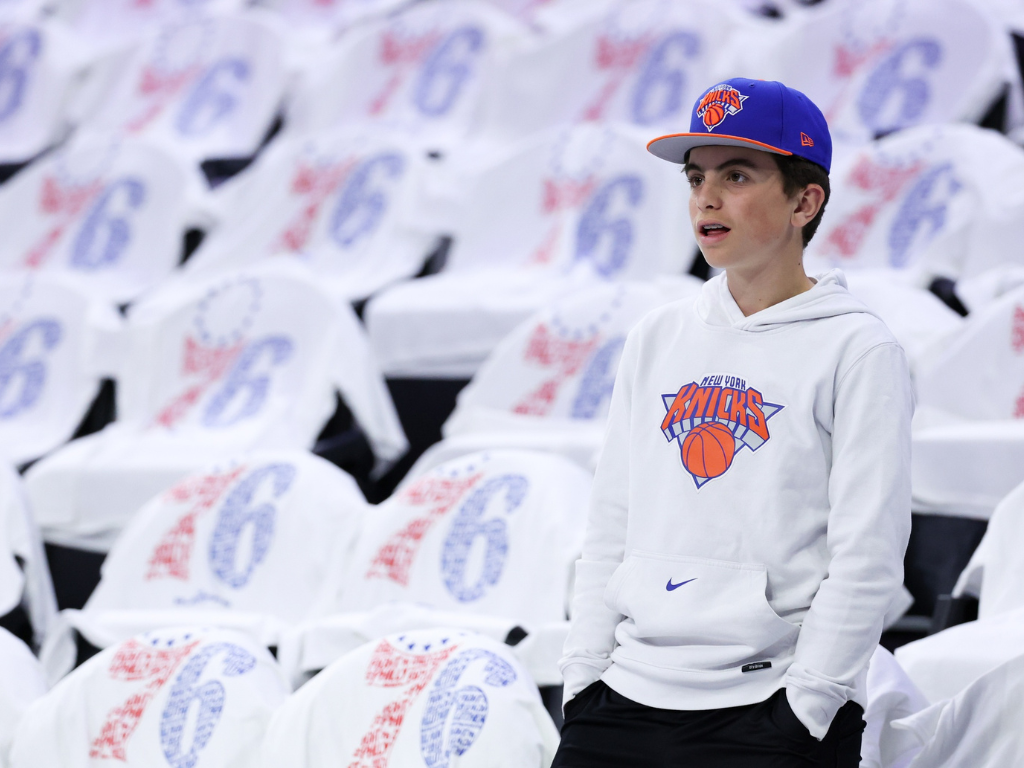
More than the raw number is the demographics data. According to Smith, this shift has opened avenues for younger fans to start following the team. The 18–25-year-old demographic is often the one with the least disposable income, and if teams meet them where they are they can cultivate fandom that has downstream effects as they progress in life with the team.
What this strategy accomplishes is by creating an interest. By removing the roadblocks of a monthly subscription cost, younger fans can become invested in the team—especially for teams like the Jazz and Suns that have marketable young stars like Jaren Jackson Jr and Devin Booker. What that eventually leads to is purchasing merchandise, going to games, buying concessions at the arena, and so on.
This is incredibly important for a franchise like the Pistons. Despite enjoying a rejuvenation and return to winning over the last couple of seasons, the Pistons often trail the Lions, Red Wings, and Tigers for mindshare in the Detroit market. Offering an OTA option allows those fans to fall in love with an intriguing Pistons roster while avoiding the streaming app that will house Red Wings and Tigers games soon.
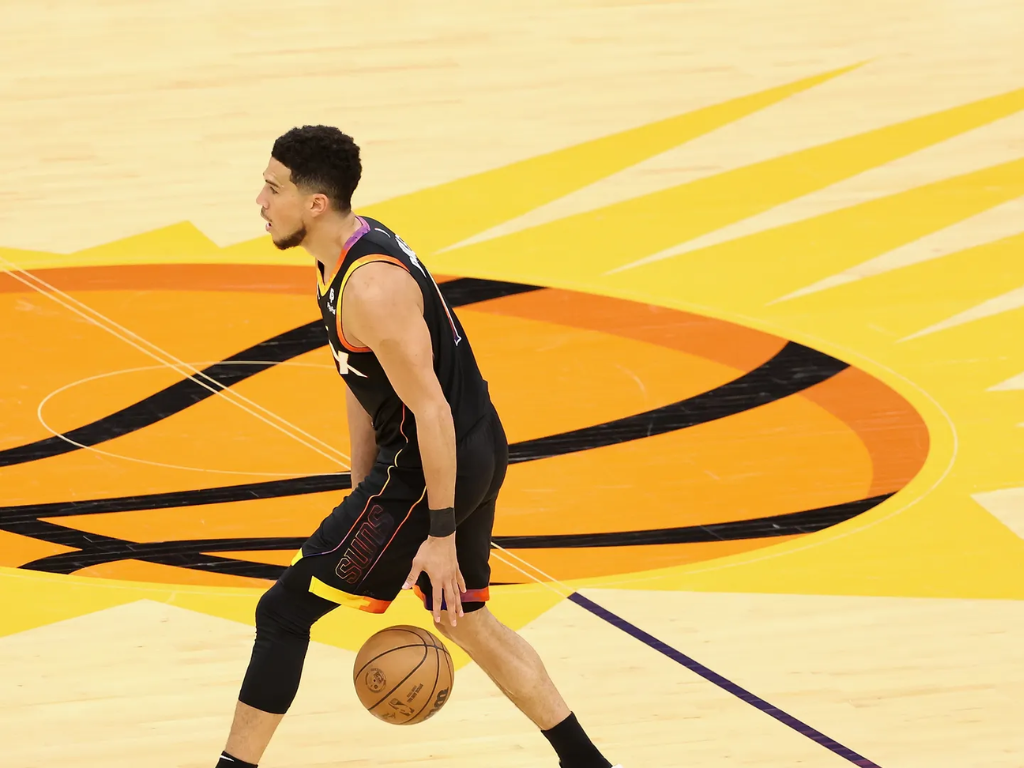
Over the air broadcasts have been so successful for the Phoenix Suns that the team has extended its agreement with Gray Media through 2030. The agreement also includes the WNBA’s Phoenix Mercury and the Sun’s G-League affiliate, the Valley Suns. This move is a grassroots investment in basketball in Arizona, trying to build a loyal basketball fan base in the region. The viewership increases back up this strategy, but also address another issue that teams need to wrestle with.
The issue is that increasingly, being a sports fan is becoming increasingly expensive. Attending games have steadily been rising over the last decade. This is across all teams of the pricing spectrum. The Warriors, Lakers, and Knicks have always been on the upper end of the scale. In 2016, tickets to see those teams was under $300 per ticket. In 2024-25, tickets frequently exceeded the $400 threshold. In 2016, 12 teams had average ticket prices of under $100 per ticket. In 2026, only two teams have rates that low.
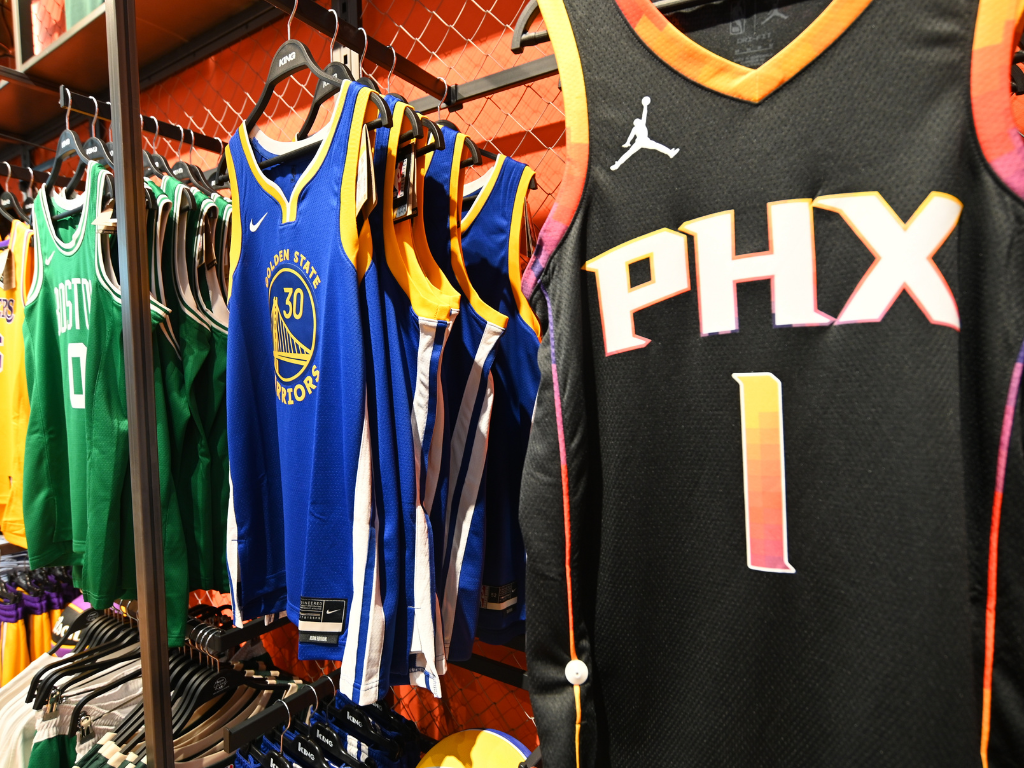
It’s not only tickets. NBA jerseys have continued to see an uptick in price, with Swingman jerseys often retailing for $150, a steep increase from 10 years ago. T-shirts have gone from being $25 to closer to $40. Every single marker of being a fan and attending a game has gone up to the point where fans with lower income feel left out.
These issues are compounded by the fact that watching the NBA on TV has grown to be incredibly expensive. By adding Prime and Peacock to the rotation with ESPN, fans must juggle multiple subscriptions to watch the league. Compounding that with an individual team subscription to watch locally broadcasted games starts to feel like price gouging at a certain point.
The over the air solution for those games provides fans with the smallest bit of relief, allowing them to be fans without requiring a further financial commitment. With the NBA’s new media deal, teams will see their payouts increase by 7% every season from 2027 thru 2035. They are making more money than they ever have, offering an easy and cost-efficient way for fans to watch games feels like the least that teams can do for their supporters.
While it sounds like merely a gesture of goodwill, it is also a method of enhancing the viability of a fan base, engender support throughout a local community, and help fans fall in love with teams again. The Jazz, Suns, and Pistons are recognizing the importance of a wide-ranging fan base that is invested in the team. More NBA teams should take note, and OTA broadcasting for non-nationally televised games should be the standard.
Thanks for reading Deep Cover! This post is public so feel free to share it.