Detroit, Grit, & the Importance of City Culture with Our Teams
The resurgence of the Detroit Pistons shows us why city culture and identity still matter in sports
I lived in Detroit from 2005 until 2023. When I first arrived in the summer of 2005, the Detroit Pistons were in a grueling seven game series with the Miami Heat on their way to a second consecutive trip to the Finals. In the following years, that team would have three consecutive trips to the Eastern Conference Finals. I was amazed and felt that this was just how it would be. That the Pistons were a well-run organization that always competed for titles.
I cannot overstate how wrong I was. From 2009-10 through 2023-24 the Pistons won only 33% of their games with a record of 409-805. In this stretch, they had the worst record in the NBA and made the playoffs only twice (which is the lowest in the Eastern Conference). But this year, it has been different.
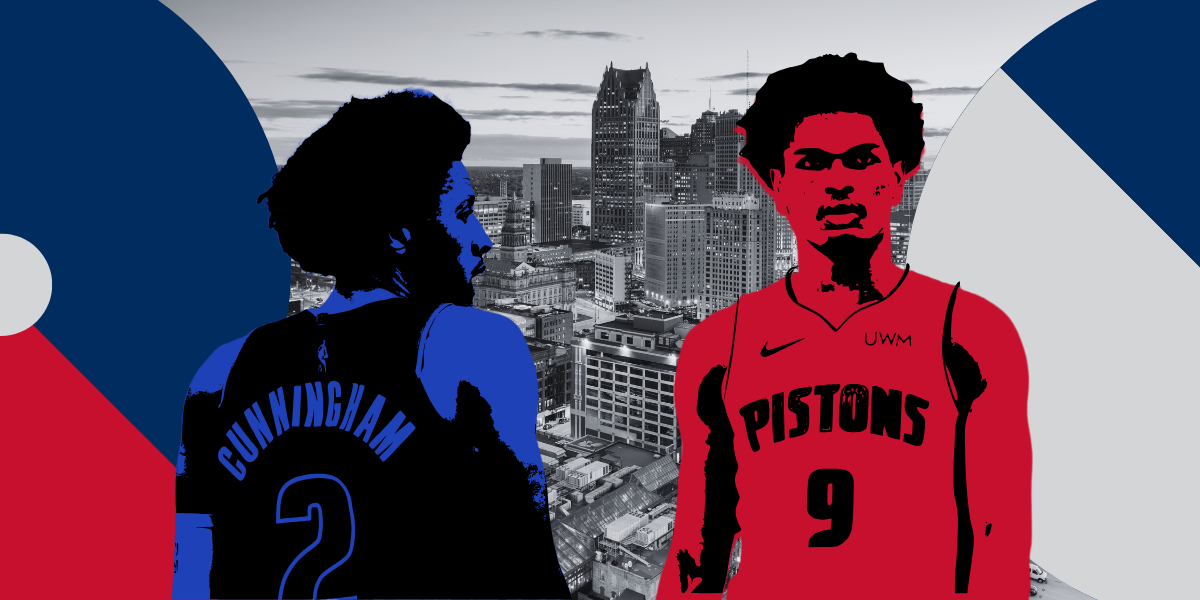
Under new head coach JB Bickerstaff, the team has had their best season in a decade and are back in the playoffs. They have done this through the emergence of point guard Cade Cunningham and a relentless toughness that has ended in a few scuffles on the court. This Pistons renaissance mirrors a similar revival that the city’s NFL team, the Lions, has experienced. Both teams have used the word “grit” to define their identity. It is a term that is true of the city and its teams, which has created a connective tissue that many pro franchises do not have with the places they call home.
The Character of a City

If you were to ask a random person throughout America what the most dangerous city in the country is, there is a good chance they will say Detroit. There is a reason for this, as the city has historically ranked towards the top in violent crime rate over the years. When I moved there in 2005, the downtown area was a skeleton. Generally speaking, many people didn’t venture into the city for leisure unless they were attending a sporting event.
As the years passed, this started to change. The downtown and midtown areas received an influx of investment and businesses started to return to the city. Today, Detroit features a vibrant selection of bars, restaurants, and attractions. Yet, the reputation persists. It has created a bit of an underdog mentality that has permeated throughout the city.
Detroit is often labeled by coastal cities as being firmly Midwest, and yet at the same time not as Midwest as other cities in the region. In metropolis terms, it is also overlooked in favor of Chicago and the weather is deemed a non-starter for many.
Even in the music scene this has happened as well. Where many hip hop artists come from Detroit (Eminem, Big Sean, Tee Grizzley, etc.), yet are often overlooked compared to artists from areas like Florida, Memphis, and Chicago that are outside of the primary three hip hop markets (New York, Los Angeles, and Atlanta). These slights are taken personally by Michiganders, and it has created an “us vs everybody” mentality. That mentality even birthed a clothing brand in the city—Detroit vs Everybody.
When combined with the history of blue-collar hard work that the city is known for, the motif of Detroit has become overcoming adversity. Millennial and Gen Z Detroiters lived through the Great Recession and the collapse of the “Big Three” automotive companies (Ford, General Motors, Chrysler) that necessitated a bailout.
Through it all, Michiganders and Detroiters navigated the hard times, were molded by them, and found a path forward. There is loyalty there that is not something that transplant cities can understand, where roots were planted and maintained. This sort of rigid (at times confounding) loyalty to their sports teams is a part of the identity, of not quitting when the bad times arrive. It is that faith and that toughness that has helped to inspire the latest generation of teams on their way to prosperity.
A Reflection of the People
Both the Lions and Pistons have been turned around by coaches that many in the media had written off. Dan Campbell was waved off by many as a meathead after his introductory press conference and has been heavily criticized for his aggressive play calling in fourth down situations. Despite that, the Lions are now experiencing sustained success for the first time in decades and their players are fully bought in to his vision.
Pistons coach JB Bickerstaff was fired by Cleveland after last season in the hopes of retaining their superstar guard, Donovan Mitchell (which they did). It is the sort of move that reinforces the idea that the NBA is a league run by superstar players and not its coaches. Bickerstaff has a background of raising the defensive ceiling of teams, going from the second worst defensive rating when he took over to being in the top 5 when he was dismissed. That sort of defensive emphasis plays extremely well in Detroit and more than in other cities.
If you consider the best times in Piston’s history, it comes down to two eras: the “Bad Boy” Pistons of the late 80s and the “Going to Work” Pistons of the early 2000s. Both eras featured players that were either unheralded or overlooked and won with defense and a rough edge. And this current era of Pistons basketball has shades of both of those eras in multiple ways.
It starts with a point guard that has been undervalued in their era. For the Bad Boys it was Isaiah Thomas whose diminutive size often led to his under appreciation when compared to Magic Johnson. The Going to Work era featured Chauncey Billups, a player that played for four teams before finding a home in Detroit. And now it is Cade Cunningham, who despite being a number one pick has become somewhat forgotten due to injury and lack of team success prior to this season.
All three eras have had an enforcer who makes other teams pay for getting physical with the star player. It was Rick Mahorn in the 80s, Ben and Rasheed Wallace in the 2000s, and today it is Isiah Stewart. These players are revered by Detroiters for displaying the sort of toughness and physicality that speaks to the sensibilities of the city.
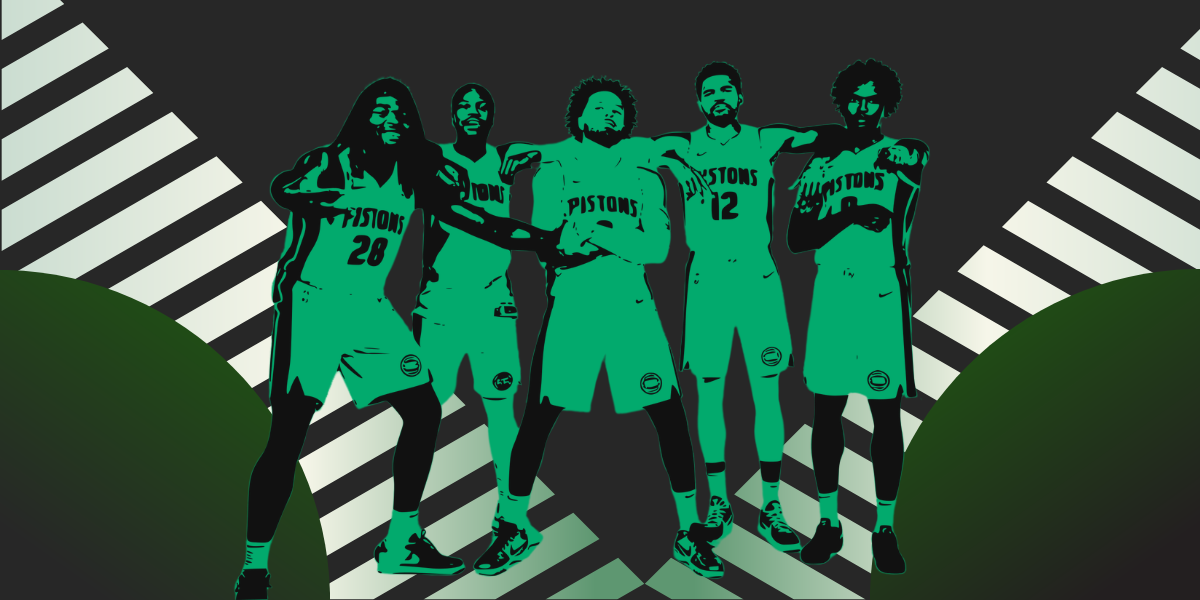
This year’s team also features developing young talent which is very reminiscent of the Bad Boys era that featured players like Bill Laimbeer, Vinnie Johnson, and Joe Dumars. In addition to Cunningham, this current generation of Pistons features promising talents like Jalen Duren, Ausar Thompson, and Ron Holland. The blueprint of the past is all over this team.
A Formula for Buying In
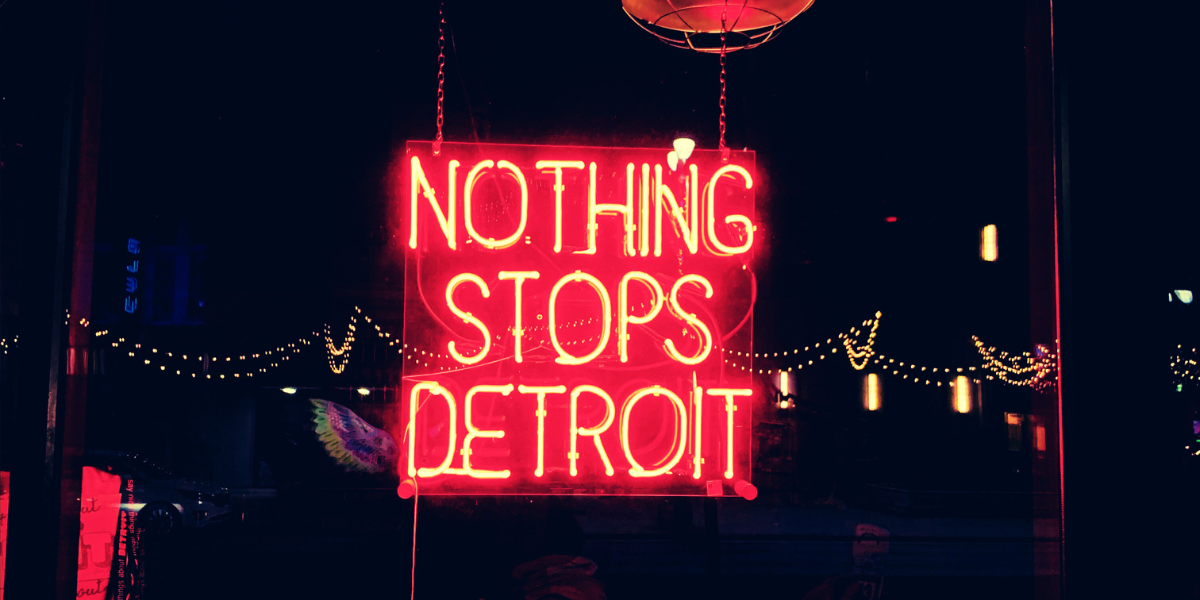
It is not a coincidence that the Pistons have been at their best when the team takes on a gritty identity. There is a connective tissue between the mentality of the city and their basketball team. It is the same for their football team, which has led to the figures becoming more likable and easier to root for. It is an identification between the hardworking people of the city and the athletes that they root for.
Up and down the Pistons roster, there are players that have been doubted and are underdogs in their own way. Isiah Stewart has been called a dirty player. Cade Cunningham has been overlooked as an ascending star when compared to players that have entered the league after him (Paolo Banchero, Chet Holmgren, Victor Wembanyama). Ron Holland, Ausar Thompson, and Jalen Duren were often critiqued as prospects with unknown potential. The veterans of this team—Tobias Harris, Dennis Schroeder, and Malik Beasley—have been throwaway names that have carved meaningful roles on this team.
The collective has taken a terrible situation, one that was left for ruins in the wake of the disastrous Monty Williams era and tripled their win total. Just as Detroit has risen from the ashes to become a great American city again, the Pistons are rising with it and bringing meaningful basketball back to Motown. It’s not pretty or glamorous, rather it is tough, rugged, and emotional.
The comeback of the team and the city are interwoven, a rebirth that was a long time in the works. There was a point in time when it felt like the Pistons would never figure it out. A team that was destined to be embarrassing and mediocre. Nationally, for many years, this was the sentiment about the city of Detroit. It is a comeback story that is remarkable and awe-inspiring. But it can be summed up in one word that best describes this Pistons team, their NFL counterparts, and the city they play in: grit.