Dylan Raiola, Patrick Mahomes, & the Criticism of Emulation
The tension between homage and authenticity in modern sports

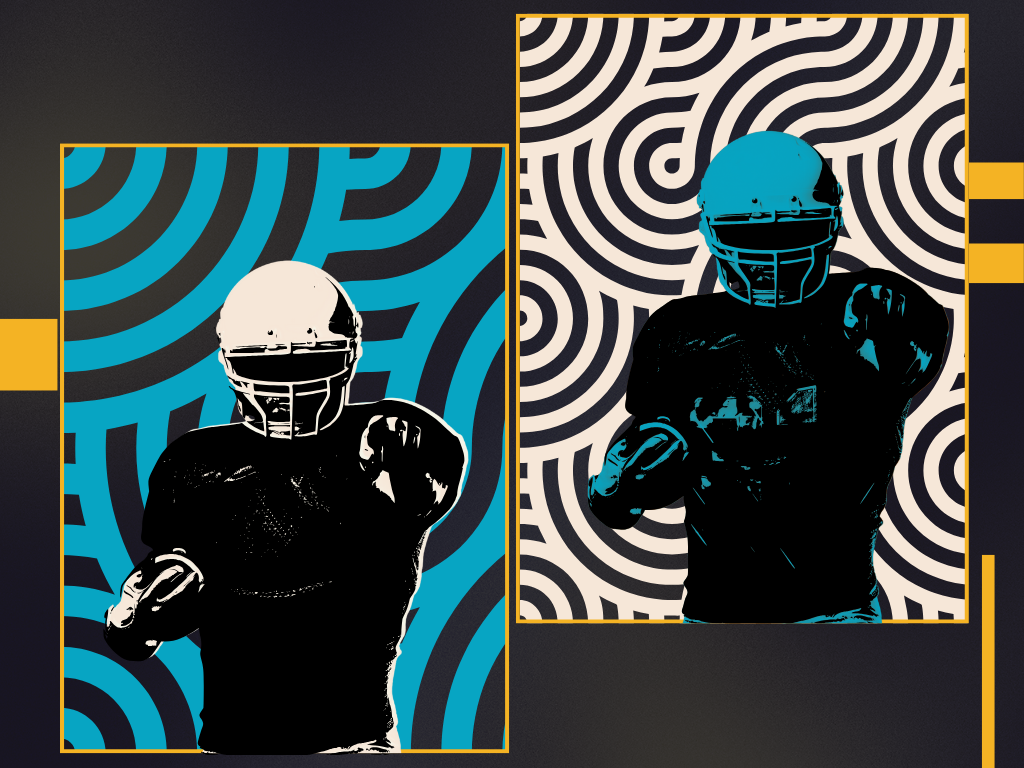
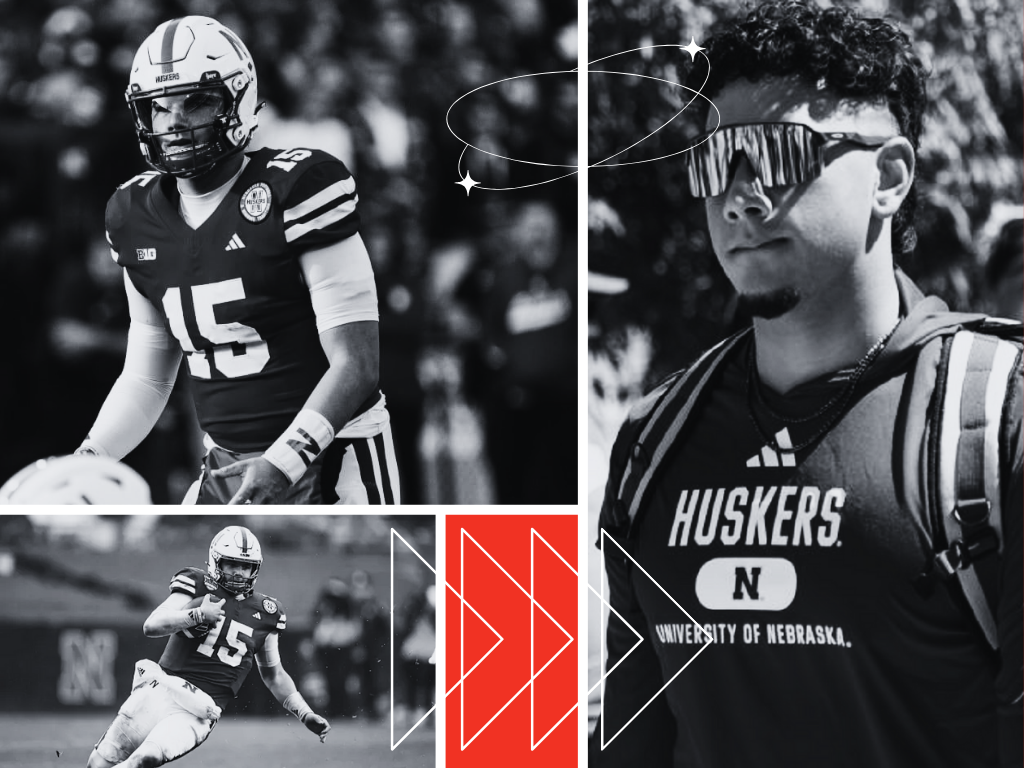
It’s gameday, and the quarterback enters the locker room. He takes off his Oakley Sutro sunglasses and runs his hands through his curly, mohawk-style hair. His jersey awaits him, number 15 in red. You may be thinking that this is for a home game at Arrowhead Stadium and that the quarterback is Kansas City Chiefs star Patrick Mahomes. But rather it is 200 miles away in Lincoln, Nebraska, and the quarterback is Cornhusker star Dylan Raiola.
Raiola, the son of former NFL offensive lineman Dominic Raiola, has often been compared to Mahomes, and for good reason. Both players wear the same number, share similar play styles, have aligned style choices, and come from baseball backgrounds. The similarities have been so numerous that Raiola has often been called “Mini Mahomes”, a moniker that he is attempting to shed this season. His rejection of the Mahomes comparisons is a case study in the psyche of the modern athlete, where there is a hyper-awareness of personal brand, and being considered authentic is of utmost importance.
A History of Emulation
In the arts, great artists are inspired by the icons that preceded them, helping them to mold their unique style. There is no Nas without Rakim, no Jay-Z without Notorious BIG, and no Lady Gaga without Madonna (despite their past tension). The same has been true of sports for many years. Athletes idolized the stars of their youth and wanted to achieve success to be just like them.
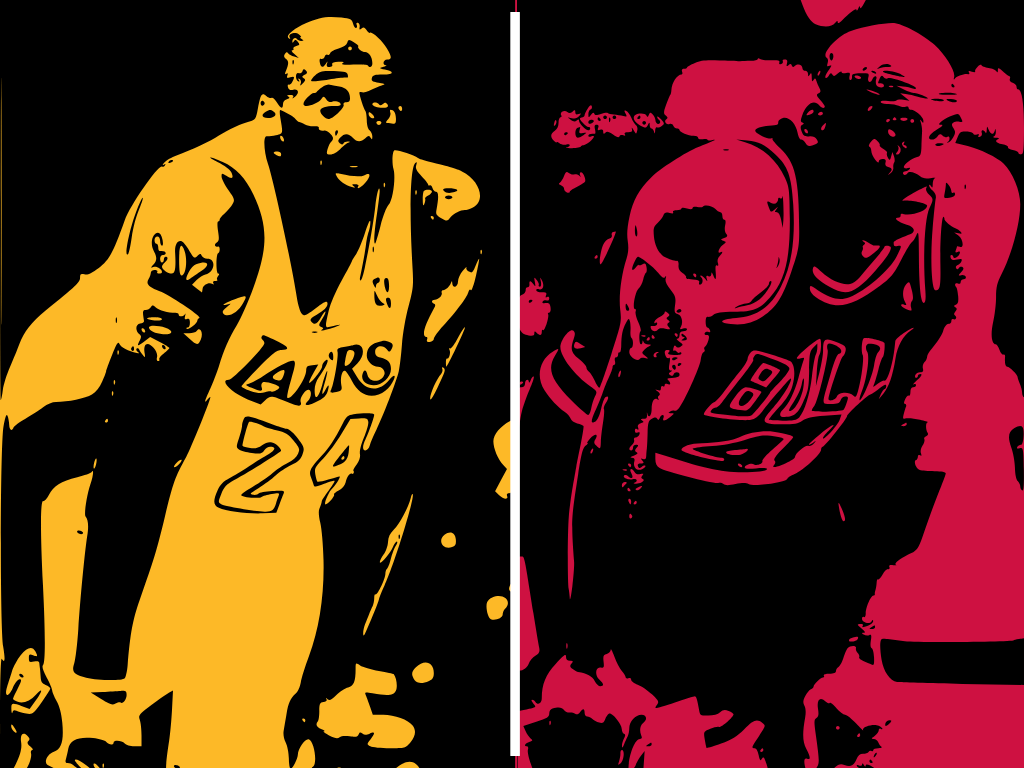
Perhaps the most famous and well-documented version of this was Kobe Bryant. Bryant was coming of age during Michael Jordan’s prime, and like virtually every kid of the ‘90s, styled his game after Jordan. Bryant, however, took it further than most. He adopted Jordan’s bald haircut, his tenacity, and his play style was remarkably similar. Bryant himself acknowledged this as was revealed during “The Last Dance” documentary, where Bryant, talking about Jordan’s influence, said, “everything you see from me comes from him”.
Even Jordan himself noticed the influence when he jokingly said that Bryant “stole all of his moves” in an interview. Kobe’s mannerisms, his shot selection, and even the way he ran down the court were all reminiscent of Jordan. There is no denying who inspired Kobe to do what he did for as long as he did it. Bryant embraced it for most of his career, and it helped to make him one of the greatest players in the history of the NBA.
Throughout history, athletes have embraced the similarities between themselves and their idols. Players like Steve Nash, LeBron James, and Giannis Antetokounmpo have all remarked how their games were influenced by Magic Johnson. Tom Brady has often credited Joe Montana for the way that he approached the quarterback position. Lamar Jackson’s dual-threat style was inspired by Michael Vick, something that the Ravens quarterback has often remarked on.
Instead of being looked at as a weakness, these players show an admiration for the history of their sport and an appreciation for their unique skillsets. The inspiration of the past is the foundation, and they are often able to build upon the blueprint set forth by their idols. And yet it seems that in 2025, this has fallen out of fashion, and it all starts with a perpetual craving from fans for authenticity.
The Need For Authenticity
During the 1990s, there was a boom in athlete marketing. Players were in commercials, magazine spreads, and paid endorsers on TV and radio. The poster child of this sports marketing boom was Michael Jordan, who was being paid by companies like Nike, McDonald’s, and Coca-Cola in addition to his salary with the Chicago Bulls. Part of maintaining his marketability was an image that companies adored—a media-savvy pitchman who was mostly free from controversy. The downside of that sort of PR-forward approach is that it necessitates a public mask, hiding the true person beneath.
But because it was so successful for Jordan from a financial point of view, it became the new norm. Players who have come into prominence since Jordan have often had manicured personas that come off as incredibly cookie-cutter, without any sort of interesting edge. There are a few exceptions, like Minnesota Timberwolves guard Anthony Edwards, but modern athletes are often buttoned up because they are reliant on relationships with brands, and there is an elevated focus on building up to becoming a mogul—we can call this the LeBron James model.
The irony of this is that while this sort of media training is excellent for marketing opportunities, it often draws a collective eye roll from many fans. Perhaps no modern athlete exemplifies this manicured frustration more than Boston Celtics forward Jayson Tatum. Tatum is without a doubt one of the best players in the NBA, finishing in the top six in MVP voting and named first-team All-NBA in each of the last four seasons. And yet, when discussions about the face of the NBA come up, he is often overlooked. A big reason is the perception of an inauthentic presentation to the masses.
Part of the rejection of Tatum is out of his control. The Celtics generally are disliked outside of the Northeast because of the way the team is covered and the way its fan base brandishes its storied history to outsiders. But the crux of the Tatum dislike is rooted in the fact that every display of emotion from him is attributed to other players. The social media posts where he texts Kobe Bryant’s old number, the championship celebration pose that recreated Kobe’s iconic 2001 photo, or when he said “we did it” in the same style as Kevin Garnett when he led the Celtics to a title in 2008 are all examples of what many perceive as Tatum’s lack of originality.
In a display of the times we live in, it is interesting to compare the way Tatum’s mimicking was received versus how Kobe Bryant’s was in the late 90s and throughout his career. Bryant is considered a student of the school of Jordan, whereas Tatum is viewed as a copycat without a real personality. The shift makes it much clearer why someone like Dylan Raiola has shied away from embracing his emulation of Mahomes, because the modern social media world has taken what was once considered an act of reverence and turned it into one of plagiarism—a sign of how important individual brand is in 2025.
The Value of Personal Brand

It’s fair to say that we are living in the renaissance of athlete brands. When players enter college, they are in discussions to represent brands and universities through NIL deals and strategic partnerships. Young athletes are required to be more media savvy than before at an incredibly young age. They need to make the right decision and present themselves in a way that is both marketable and unique. We have seen WNBA star Caitlin Clark try to tiptoe around this line and face criticism for trying to remain neutral on issues that surround the world of women’s basketball.
There is a pressure to be skilled and to show emotion, but to do it in a way that is unique and original. This pressure is magnified in the social media age, where every quote, every post, and every bit of body language is analyzed and then micro-analyzed again for good measure. Because we covet era comparison, many athletes who emulate their idols face the unenviable task of constantly being compared to their heroes in a news cycle that never sleeps.
Perhaps the best example of this is the way that LeBron James being inspired by Michael Jordan led to the anointing of him as the next Jordan and then the seemingly endless content well of James chasing the legacy of Jordan. It’s completely understandable for Dylan Raiola to check out of that potential future and distance himself from the comparisons as much as he can.
The question then becomes, why is it such a big deal to be inspired by older players? It can be argued that in this current age of social media influencer personas that authenticity has become a rare commodity. There is a thirst for a sort of human connection with publicly visible people—whether that is athletes, musicians, or actors. So when a player is clearly influenced by another player, that inspiration is mistaken for unoriginal copying.
The reality is that there is a reason that the inspiration happened in the first place. There was something about the sensibilities of that player that resonated and inspired them to pursue an athletic dream. That should be something that is celebrated and respected. Instead, we default to hater culture, which at this point is the native tongue of online discourse. While I understand Raiola’s resistance to the “Mini Mahomes” moniker, being accused of emulating the most successful quarterback of his generation is not the worst thing. It’s okay to have idols and okay to try to reach their level of greatness—a dynamic that should be normalized once again.
Thanks for reading Deep Cover! This post is public, so feel free to share it.