
Is It Time to Bring Back the Ticket Stub?
The case for a commemorative ticket post-event to balance the convenience of the modern world with the nostalgia of the past

You walk up to the door with a small piece of cardstock in your hand. It’s unassuming and small, yet you clutch it with a mixture of excitement and anticipation. You hand it to the person working at the door, and they let you in to finally watch your favorite team play live. You look at what remains of the cardstock, your ticket stub, your eternal memory. This experience is an endangered idea in today’s sports ticketing landscape, as digital purchases and mobile wallet transactions have become the standard. They are a reminder that convenience has eclipsed memorabilia and memory.
Buying a ticket to a game in 2025 is an almost exclusively digital experience. Fans log on to Ticketmaster or another ticket selling app or website, they pick their seats, pay with their phone, and scan a code when they enter the arena. It’s a fairly seamless experience that is certainly convenient. The only flaw is the lack of a physical remnant a fan can hold to commemorate the game that they attended. It’s another example of the fleeting nature of our digital world, a reminder that experiences are not designed for memories but as a simple holdover until the next purchase.
Why Digital is King
Digital ticketing has quickly become the standard operating procedure for enjoying live sports, and that standard was accelerated after the COVID-19 lockdowns. After society slowly readjusted to life in public, many precautions were taken. People were social distancing, wearing masks, and avoiding physical contact. These steps made physical tickets at venues a nonstarter.
Enter the smartphone, a device that was perfectly situated to accommodate the changing landscape of public interaction. Phones provided quick access to the internet to verify ticket authenticity, could be scanned from a distance, and limited physical contact—reducing exposure and fears of getting sick. With the proliferation of mobile wallet applications like Apple Pay, Google Wallet, and Samsung Pay, digital solutions presented improvements in security, solved fears of loss and theft, and sparked a vibrant resale market.
One of the things that used to be commonplace for me when I first started attending games in the mid-2000s was the dubious world of ticket scalpers. These resellers would often be outside the door, looking to resell tickets at a premium to make a quick profit before a game started. There was no way to know that the tickets were real or fake. This practice didn’t disappear in the digital ticketing boom, but it became much more difficult. In 2019, Ticketmaster introduced SafeTix, an encrypted technology that adds anti-counterfeiting features to tickets purchased through their portal.
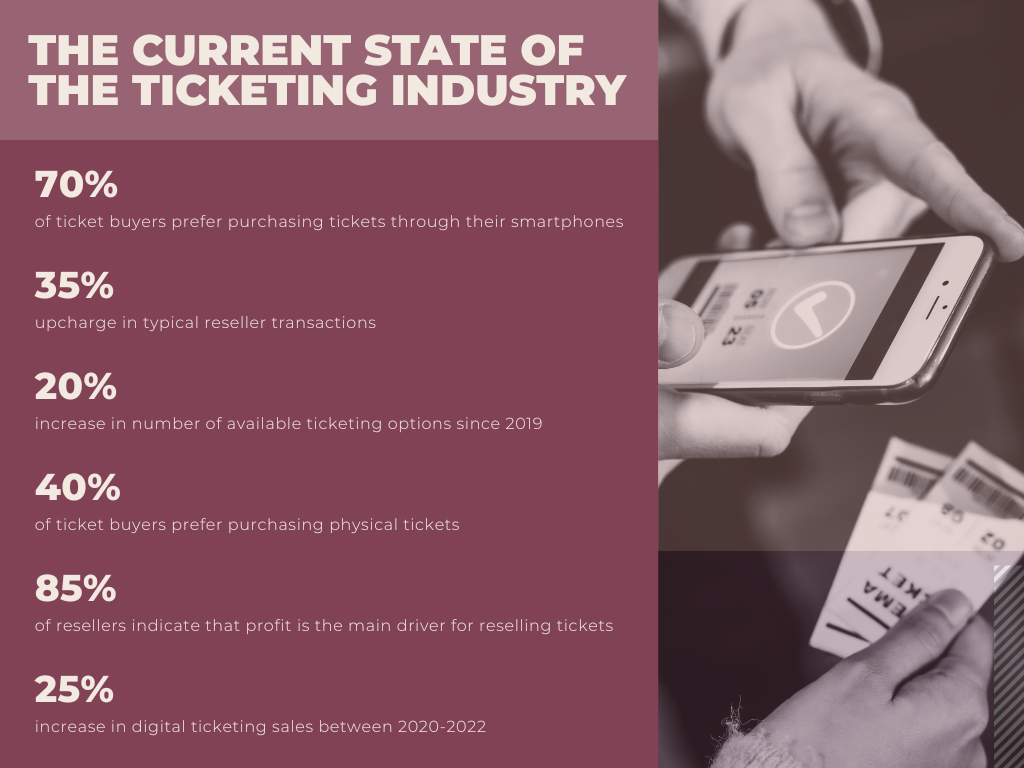
This technology uses an automatically refreshing barcode and supports NFC, enabling tap-to-enter at venues. Since Ticketmaster hosts resellers on its platform, this gives the user peace of mind when buying tickets that they are indeed authentic. It’s a massive improvement in terms of safely getting into a venue, because it largely removes the risk of loss and theft—so long as you don’t lose your phone.
By opening digital marketplaces, platforms like Ticketmaster and StubHub created massive reseller ecosystems. They’re often marketed as a buffer for when life disrupts well-laid plans. Ticketmaster suggests that its reselling marketplace is a way to get other fans into the game when your plans change. Much like listing unwanted clothes on Poshmark or eBay, tickets can now be transferred safely and securely, which enables ease of access for fans looking to get into the games.
What this has also created is a reseller market that is filled with automated bots that buy tickets at face value to enable higher profits for resellers. It’s the double-edged sword of a vibrant marketplace—people can easily sell their tickets but that ease of access is also easily exploited by those looking to make a profit. This has led to a recent lawsuit, where Ticketmaster has been accused of employing illegal ticket resale tactics and costing consumers millions of dollars.
The convenience and elevated security of digital tickets cannot be denied, and that is why it has won the proverbial ticketing war. But much like streaming services, those benefits diminish the feeling of acquisition that can be derived from physical remnants. There is a sense that a new album isn’t special anymore because it’s just another line item in your Spotify app. A ticket to the game is just another card taking up space in your mobile wallet app. That loss of what makes it feel special is powerful and at the same time sad—it is a microcosm of a world where everything is fleeting and nothing invokes memories of what happened.
The Power of Memories and Nostalgia
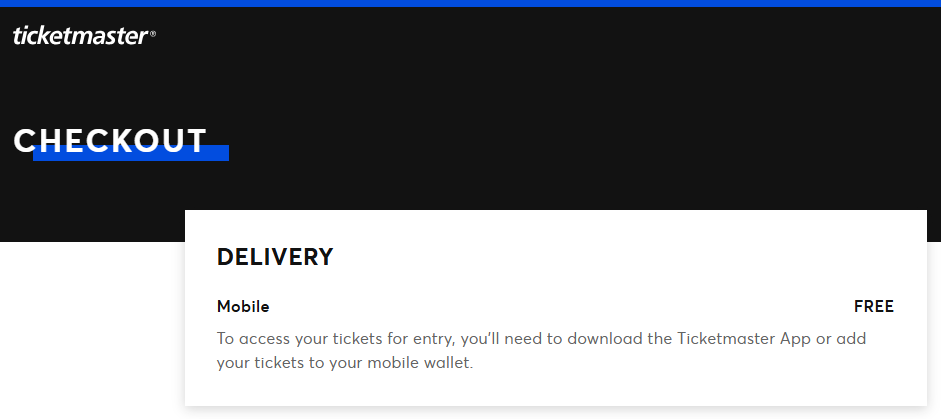
While digital has taken over, even the ticketing apps see that there is still a group of consumers that prefers physical options, even if they avoid mentioning it explicitly. Ticketmaster does offer a way for its customers to obtain physical tickets. They offer a U.S. Mail option the ability to print mobile tickets from home. The issue with this is that most stadiums have moved away from any physical ticket option following protocols from COVID-19 prevention that have remained in place. For example, when attempting to purchase Seattle Seahawks tickets from Ticketmaster, mobile delivery is the only option.
For those that value keepsakes, a physical ticket option for a slight upcharge would likely be worth it for them to have a memory of the game they attended. Let’s consider this scenario. A couple starts dating and finds they have mutual fandom in the same team. They start going to games together and enjoying themselves. Would it not be nice for them to have those two tickets in a physical form to signify this moment? As it currently exists this is not possible, unless they make custom ticket stubs through a service like Stubforge or by creating their own using a design app like Canva.
A physical ticket can tell a story and recall a memory in a way that a screenshot or digital remnant in a smartphone does not. In the past, they often had specific designs that were indicative of the style of the era. They are a sort of time machine that can take us back to the sensibilities of a forgotten era. Attempts to recreate this sensation with NFTs haven’t felt the same.
This longing for nostalgia and the past is why we have seen a surge in the popularity of sports trading cards and why companies like Fanatics are making a big push into sports memorabilia. These physical objects are vehicles that allow us to remember the great moments of the past. Buying rights to a video highlight or seeing a digitally rendered ticket pass simply do not offer the same feeling.
Regarding tickets, they can be used as mementos or even the centerpiece of art and scrapbooks. They take on a vessel of memory where we can recall a great moment or devastating defeat that we witnessed live. We’ve seen a broader push from digital back to physical in other industries. As tech titans have run amok with user data, there has been a resistance and a return to tangible physical products.
In the era of streaming music, vinyl records have seen a return to popularity for collectors. Music devices like iPods have gained a large hobbyist community as streaming apps have become more bloated and costly. Even DVDs have seen a surge among Gen Z collectors, a remedy for constantly shifting catalogs on services like HBO Max and Netflix. There is a sense of safety and security to knowing that you own an object, and don’t have to worry about losing it due to millionaires negotiating with other millionaires.
Is the physical ticket due for a comeback? Not likely. However, a post-event option to have a commemorative ticket would be a solution to address the need for physical nostalgia while also retaining the safety and reliability of mobile ticketing solutions. In the grand scheme of things, is not having a physical ticket for sporting events a huge deal? No. But it is a symbol of a world that is increasingly run on fleeting subscriptions and vaporware. There is still something about that tangible piece of cardstock—a little slice of nostalgia that I find myself wishing we still had in our modern world.
Thanks for reading Deep Cover! This post is public so feel free to share it.