Kevin Durant: A Superstar Without a Home
On loyalty, reverence, vitriol, and why one of the greatest basketball players of his generation can only call Team USA home

Typically, in basketball, we tend to associate a great player with a certain city even if they had multiple stops throughout their career. Damian Lillard will always be considered a Blazer despite his short tenure in Milwaukee. Klay Thompson will always be a Warrior regardless of how long he stays in Dallas. And so on.
Those players all had a fan base that they could call home despite their travels. Kevin Durant is notable in this sense because he is the unique type of star player that has been in his prime at a multitude of locations. When asked recently on social media about the possibility of getting a statue in Oklahoma City, Durant downplayed the idea by saying that the fan base should “just erase me from the history books.”
A fan followed up this comment on X by asking Durant what jersey he would like to be wearing when he is enshrined into the Hall of Fame. To the surprise of many, Durant said “Team USA“. While the tone of the conversation was joking, there is some truth to what Durant said—he is universally beloved as an Olympian but wildly mercurial as an NBA superstar. That duality is why Kevin Durant is a superstar without a home.
Seattle and the Original Sin
When an NBA player is drafted in the top 5, it’s expected that the city that selects him is going to be their home for at least four years. And if the player is any good, likely longer since draft rights are so crucial being able to re-sign a young star to a rookie max extension. But Kevin Durant never had that experience.
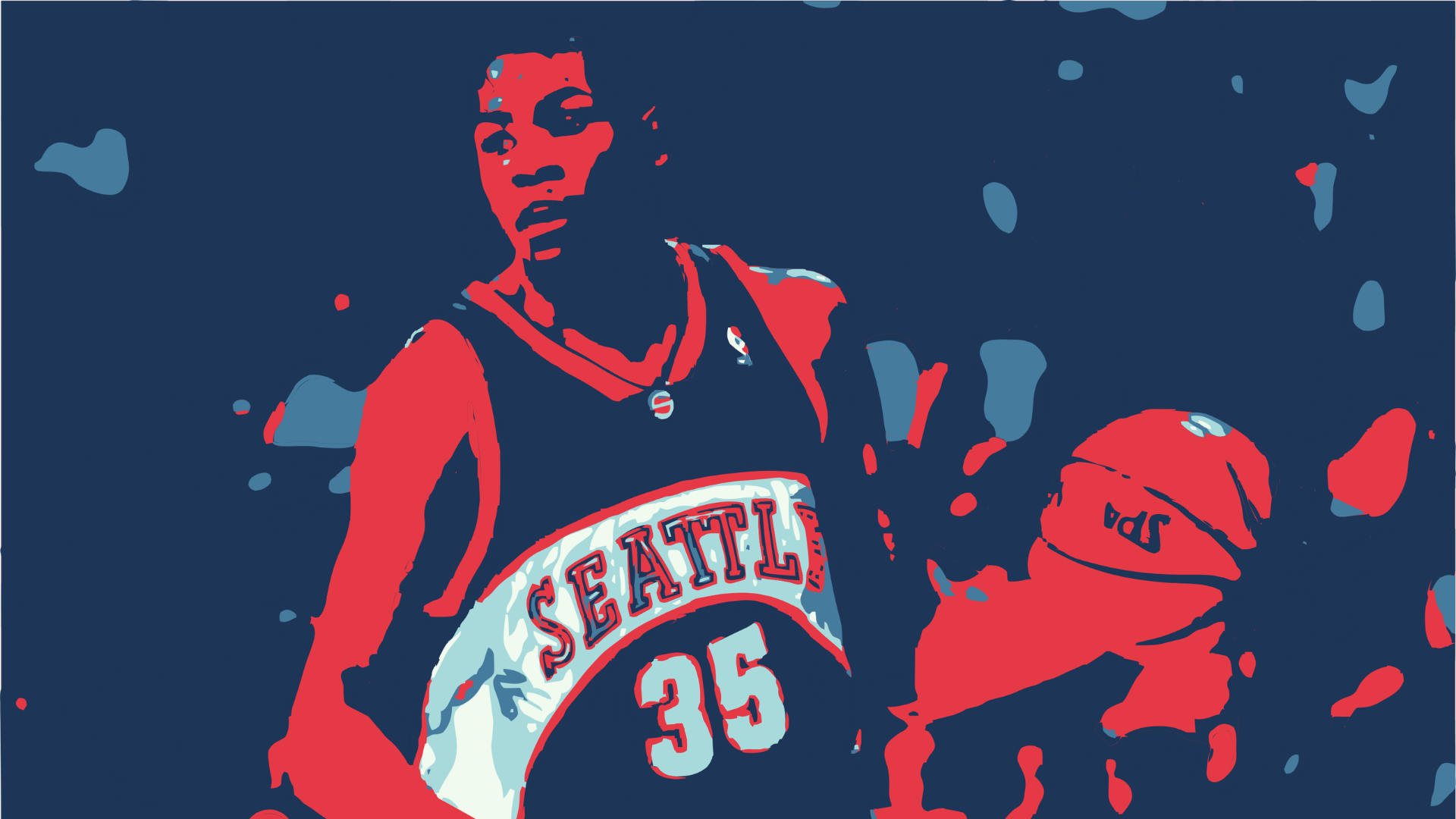
At 19 years old, he was drafted second overall by the Seattle Sonics. Durant was supposed to be the savior of that team who had fallen on some tough times and traded Ray Allen to the Boston Celtics. Durant would go on to win Rookie of the Year in a season where the Sonics would only win 20 games, but he was committed to the city, having bought a house on Mercer Island under the impression that he would be there for the next four years.
But then the team moved to Oklahoma City. From Durant’s perspective at the time this was actually preferable because Oklahoma City wasn’t far from Texas where he played his college ball. But this moment showed Durant the business of basketball at a very young age. He was unable to formulate any community in the place that drafted him because all of that was stripped away due to the economics of the league and changes in team ownership.
This is perhaps the original sin in the path of Durant’s transience. It has been clear over the years that he still has a fondness for Seattle, showing the impact of his exposure to the business of basketball. He has been very vocal about the need for the Sonics to return to the city and that the NBA is better when it has a Seattle franchise. In 2018, Durant said the following about contemplating about what could have been in Seattle:
“It happened so quickly. That’s the nature of the business. It was devastating for the fans. I was just getting used to the city. I was confused emotionally about how to think about it, but as time goes on, you see the excitement of Thunder basketball in Oklahoma City, you tend to wonder. Because it was me and Nick, Jeff at the time. Once we had success, we were thinking about how crazy it would’ve been had we been making the playoffs, making the Finals in Seattle.”
Many have wondered aloud, most notably Bill Simmons numerous times on his podcast, if the team had stayed in Seattle how that would have impacted Durant’s career. Would he have stayed in Seattle as opposed to the path he went on? Durant seemed ready to call Seattle his home back in 2007, and at 19 years old that fantasy was taken away.
The Hero Becomes the Traitor

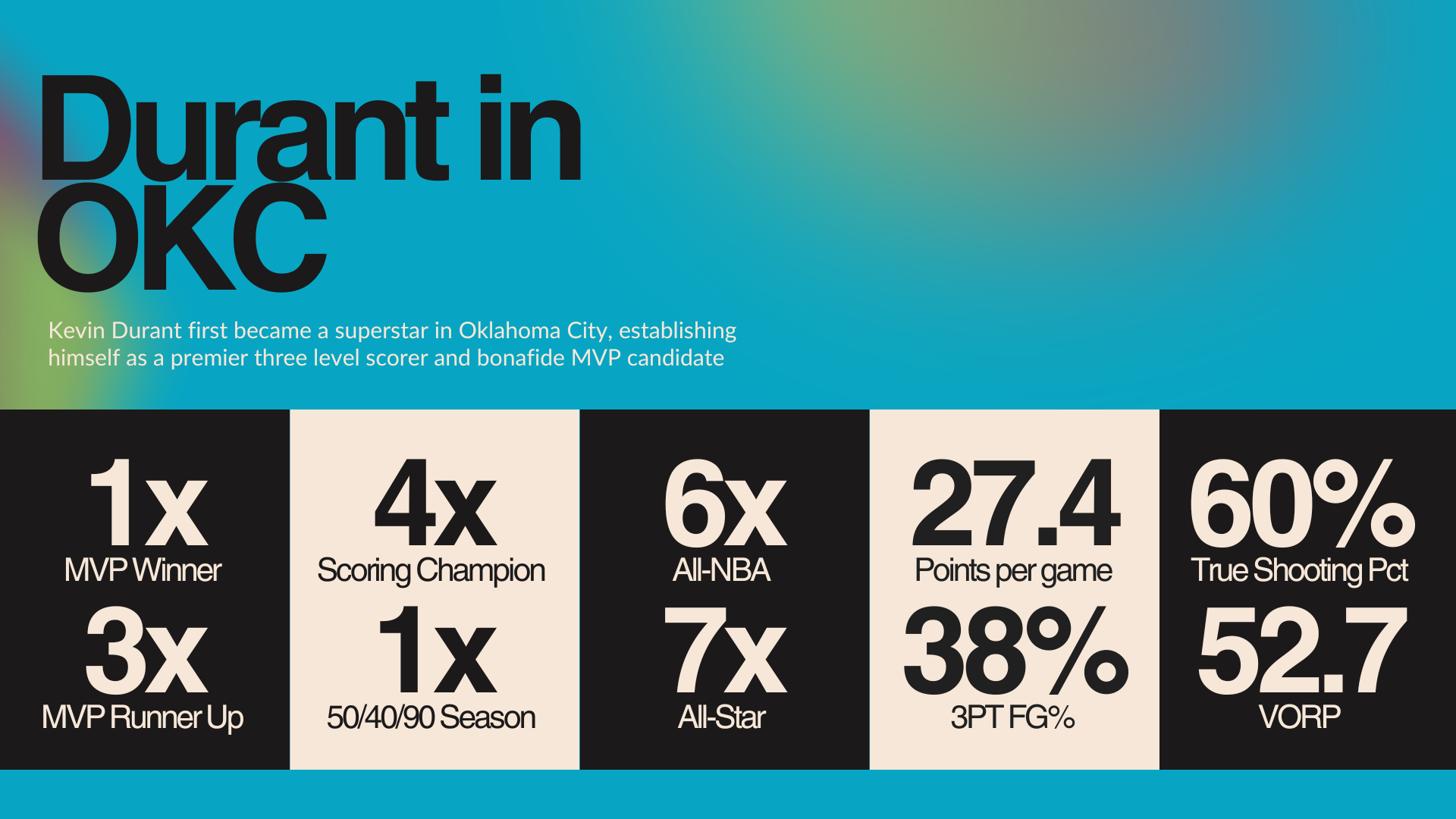
In Oklahoma City, Durant became the lethal three level scorer that we know today. He led the league in points per game in four of his eight seasons in Oklahoma City. He was named First-Team All-NBA five times and won his only MVP award as a member of the Thunder.
In an era where the basketball public hated the idea of the Miami Heat superteam of LeBron James, Dwyane Wade, and Chris Bosh, Durant’s Thunder were the other side of the coin. Built organically through the Draft, the Thunder featured an exciting core of Durant, Russell Westbrook, Serge Ibaka, and (very briefly) James Harden. Under the guidance of General Manager Sam Presti, the team made good signings and prudent decisions—proving that team building wasn’t dead.
This dynamic played out in the NBA Finals in 2011-12. The Heat prevailed in five games, but it wasn’t due to poor play by Durant. On the contrary, Durant averaged 30.6 points, 6.0 rebounds, and 1.0 blocks per game in the series while shooting 54.8% from the field and 39.4% from three. But the volume for Durant was questioned. In the series, he attempted 20 shots per game on his normally excellent efficiency. But Westbrook took more shots than him (24 per game) while shooting only 43% from the field and a miserable 13% from three. James Harden in his capacity as a sixth man didn’t help matters as he only shot 37% from the field on 10 attempts per game.
Much of the blame in the moment was put at the feet of Durant, where many were critical of him not being more assertive and taking more shots—perhaps a byproduct of the Kobe Bryant ethos of basketball scoring at the time. It was a bit of an unfair stylistic critique. Durant, who has long been deemed a basketball purist, often tried to make the right basketball plays. The idea that he would force isolations his way was simply not how he operated. This was the same folly the befell LeBron James as well when he was in Cleveland, ironically enough.
In the years that followed, the Thunder were a formidable championship contender behind the pairing of Durant and Westbrook (Harden was traded in the off-season after the Finals appearance to Houston). But they were never quite able to overcome the expectations. The entire NBA ecosystem was waiting for Durant to emerge, to finally win a title.
That moment seemed to be finally happening in 2016. Facing a Golden State team that had set the regular seasons win record with a 73-9 record, the Thunder were ahead in the series 3-1 and seemed poised to return to the Finals. But the Thunder collapsed against the Warriors, losing in seven games. In those three games, Durant was uncharacteristically inefficient. While he scored 32 points per game, he only shot 39% from the field and 26% from three.
What happened next made Durant a villain in Oklahoma City. Durant decided to leave in free agency following the defeat and signed with the very team that just eliminated him in the Conference Finals. Many have waxed poetic about the decision, most notably when Stephen A. Smith called it “the weakest move I’ve ever seen by a superstar”. Durant instantly went from being the savior to a reviled villain.
Even after the Thunder won a title since his departure, the fans have truly not forgiven what they view as an act of cowardice. The idea of stacking the deck with Golden State was also a turn off to basketball observers, and this was the moment where Oklahoma City would never truly be Durant’s basketball home despite the success he enjoyed there for eight seasons.
A Guest in the House
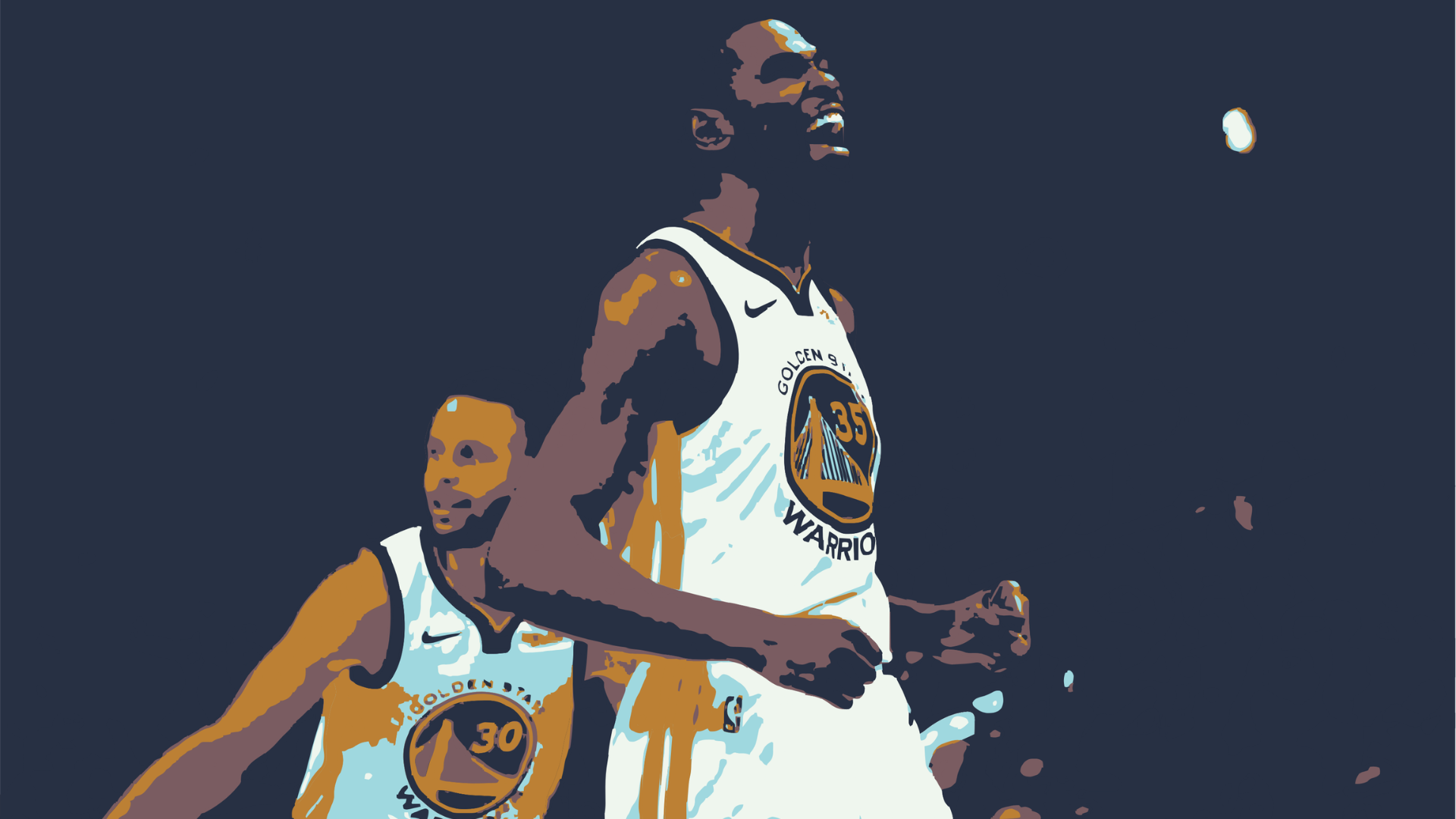
I remember the moment when I found out that the Warriors signed Kevin Durant vividly. It was the 4th of July in 2016 and I was at a Tim Horton’s in Detroit waiting for a coffee. My instant reaction was that there was no point in watching the regular season. That the Cleveland Cavaliers led by LeBron James would meet the Warriors in the Finals again, but this time with an unstoppable offensive force added to the Warriors already formidable roster.
The reaction was vicious and came in rapidly. Players across the league were posting their thoughts immediately. Damian Lillard said “The game has really changed.” Paul Pierce chided Durant, saying that “if you can’t beat them join ‘em”. Marcin Gortat mused about their potential offensive output saying “That’s crazy!!! KD in GSW??? Are they gonna score 200 points a game”.
The reaction from fans differed, lamenting the loss of a competitive playing field in the NBA, with many feeling that he was taking a shortcut to winning a title. Durant was only in Golden State for three seasons, and true to the expectation they made the Finals three times and were champions twice.
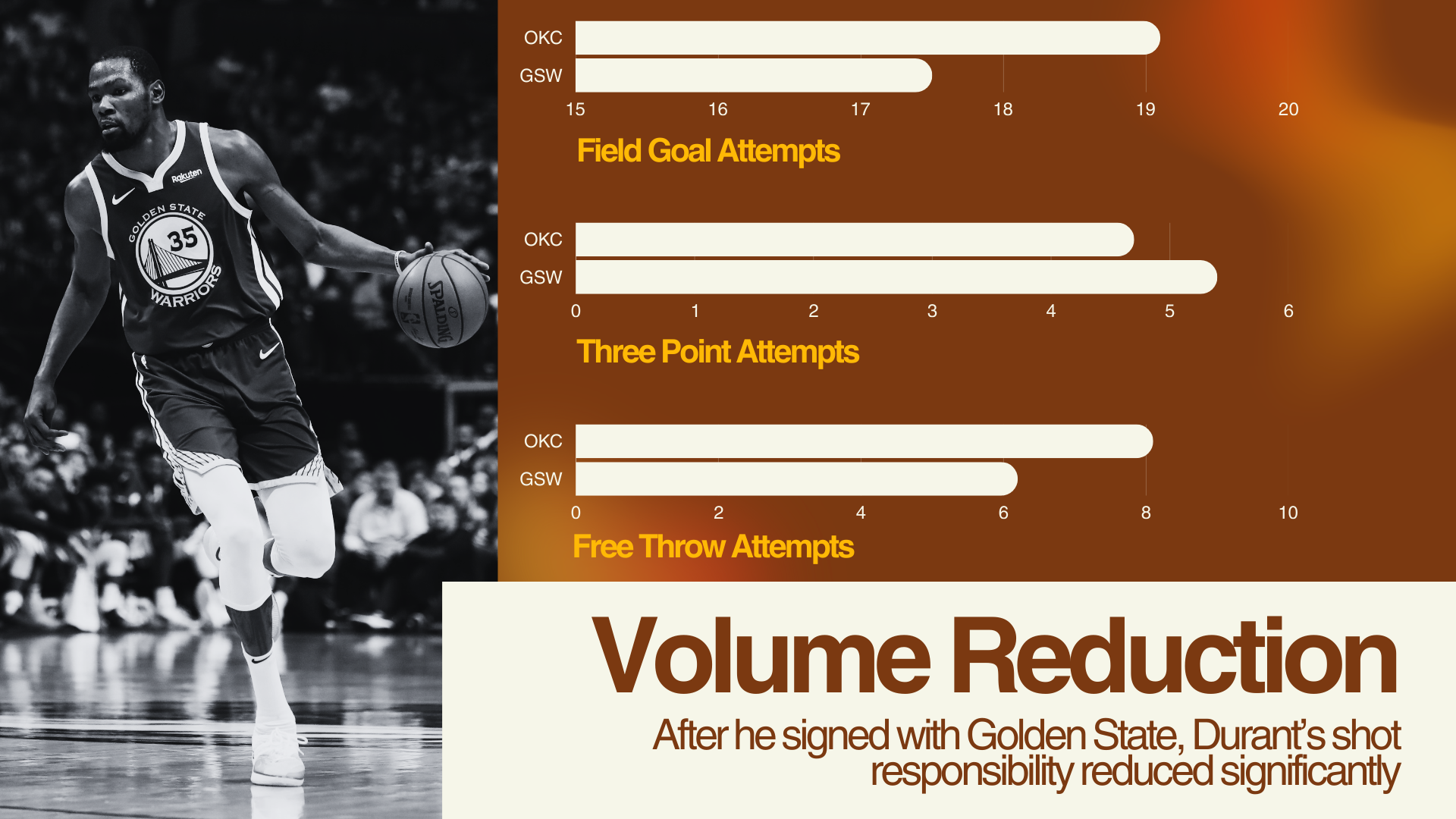
As a Warrior, Durant was more efficient than ever, able to operate in the flow of the Warriors motion offense and get off clean looks with a slightly lower volume than when he was in Oklahoma City. He was no longer leading the league in scoring, but he was winning a lot, and the Warriors were coasting through the playoffs. In his three seasons there, the Warriors were 46-14 in the playoffs and swept their opponents 41% of the time. It was a level of dominance in the postseason that we hadn’t seen in many years.
But despite winning two Finals MVPs, Durant’s two titles have been overlooked. The refrain has been that he had to join an unbeatable team to win his title—it was in essence akin to ring chasing veteran move, but he was still in his prime. As a result, people have devalued his two titles, saying that they hold less weight than the titles won by Dirk Nowitzki or Giannis Antetokounmpo because of the adversity those players faced on their way to a title. If winning an NBA title was slow cooking a meal, Durant’s titles were viewed as fast food.
The deeper issue is that he joined a team with a star (Steph Curry) that was revered like a god in his city. Curry revived the Warriors to the point that many have forgotten how poorly run of a franchise they were for decades. He revolutionized the way basketball was played with volume three pointers, and he was every bit the favored child of the Bay. Durant, when compared to Curry, Draymond Green, and Klay Thompson, was a bit of an outsider.
Once again Durant was a player without a true home, a team and a place that was never distinctly his own. He won, but he was not beloved in the same way that other champions were beloved in their cities. He didn’t have the same equity that Curry had, and it ultimately created friction.
In the 2019 Finals, Durant ruptured his Achilles tendon in Game 5 against the Raptors. That moment ultimately became his last as a Warrior as he entered free agency that summer. He was clearly tired of people devaluing him and his contributions, he wanted a place where he could define his success, to win a title and be embraced. Many teams wanted to sign him despite the fact that he would miss a full season before playing again. He turned down offers from Phoenix and New York and signed in Brooklyn—teaming up with Kyrie Irving in the hopes that he would finally have a place where he could win and be fully embraced.
The Architect of Destruction

The move to Brooklyn was supposed to be Durant controlling his own destiny, forging his own path to show that he was more than just the frosting but rather the entire cake. He and Irving were determined to make Brooklyn a title contender and win a title on their own terms. Irving, similarly, was looking to get out of the shadow of LeBron James. After winning a title in 2016 with James, Irving requested a trade looking to be the leader of a franchise. That deal sent him to Boston—which was a showcase of immaturity and broken promises.
The Nets would later acquire the disgruntled James Harden from the Houston Rockets—creating their own superteam that was ready to win right away. The issue was that they very rarely played together. In the two seasons that the short-lived trio was assembled they appeared in a total of 10 regular season games and six playoff games together.
What was maddening about the experiment was that in the brief moments that they were on the court together, they were magnificent. In their six playoff games in 2020-21, when the trio shared the court, they had an offensive rating of 135.4. They had three players that could create a shot and draw double teams, it was a construction that should have worked.
But often it is the unknown that sinks our plans. When he signed in 2019, Durant couldn’t have foreseen that the world would be taken to its knees by a global pandemic that would shorten the following two seasons. He also couldn’t have known that Irving would miss a bulk of games as a result of his anti-vaccination stance. Injuries also ravaged the team, with all three players dealing with injuries throughout the duration of the experiment.
And yet, despite all that, it can be argued that the Nets were a Kevin Durant toe from making it to the Finals. In Game 7 of the Eastern Conference Semifinals, Durant took what he thought was a game-winning three. But instead, it was merely a game-tying two pointer because his toe was on the line as he rose up to release the jumper.
The Milwaukee Bucks ended up winning the game and the series, getting by the Atlanta Hawks in the Conference Finals and delivering Giannis Antetokounmpo a title. Had that toe been where Durant meant it to be, it’s reasonable to say that the Nets would have coasted past the Hawks and likely defeated the Suns in the Finals.
The way we would look back at his time in Brooklyn would have been vastly different, as would the way we perceive Antetokounmpo’s career in Milwaukee. In an alternate universe, his toe isn’t on the line, he wins one in Brooklyn and is celebrated for carrying a team to the title as the main guy.
Shortly after that. Durant’s contract extension kicked in with Brooklyn, and he requested a trade—recognizing the dysfunction that he had a hand in creating that led to Harden asking out before him. Irving had become unattractive as an asset because of the COVID saga, and Durant sensed the failure that had occurred.
In many ways, Irving and Durant had a vision of a modern corporate structure in Brooklyn. Steve Nash was brought in as a coach that would collaborate with the stars as opposed to a more traditional disciplinarian. The stars viewed themselves as enhancers of the Nets’ non-existent brand in New York City. All that sense of collaboration and ownership of the situation evaporated as the foundation of the partnership crumbled due to off the court decisions and lack of availability. Once again, Durant was left looking for the situation that would solve his problems and fully embrace him.
The Last Stops of the Pursuit
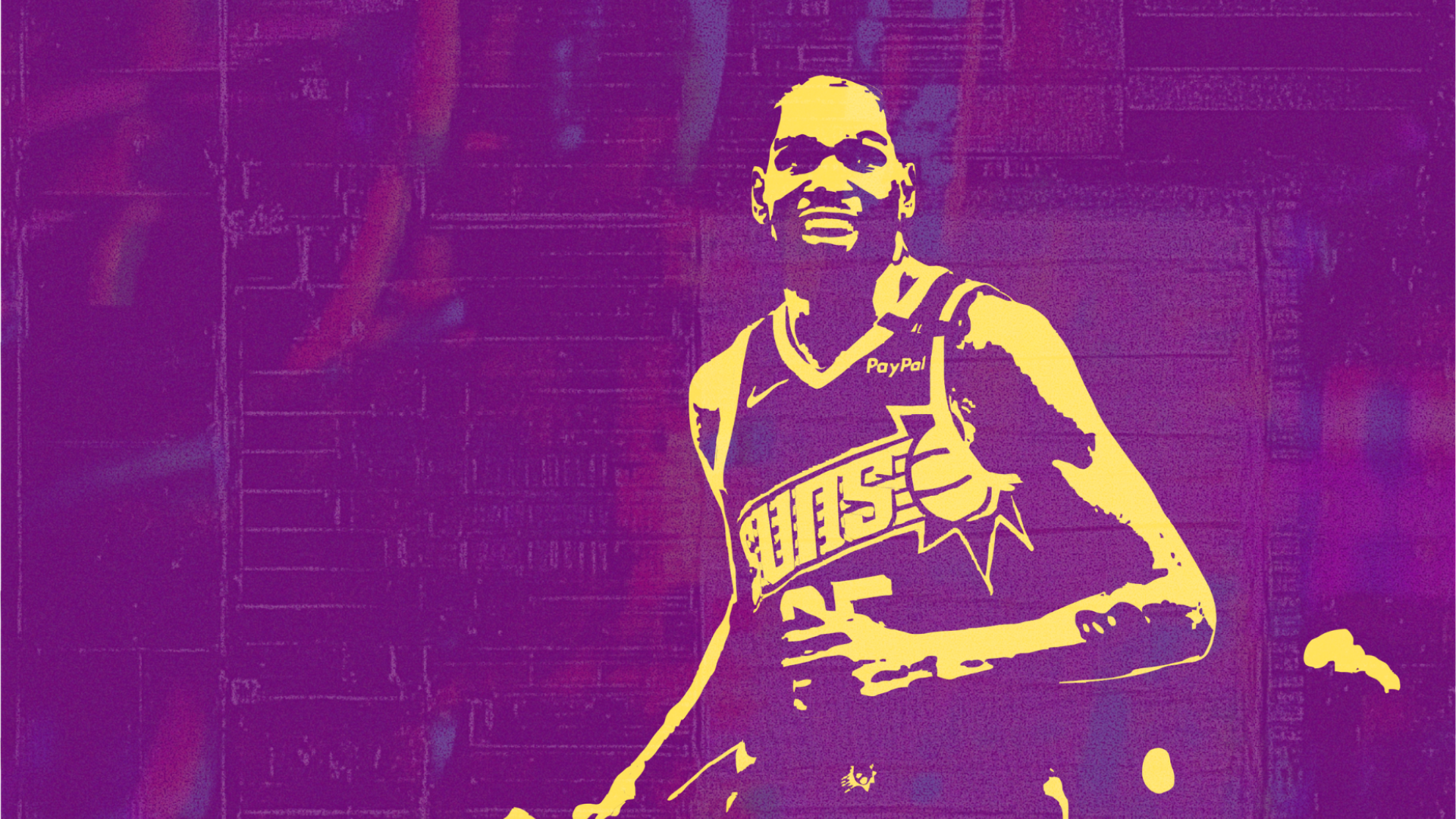
After the Brooklyn experiment ended, Durant was traded to Phoenix. The Suns under the stewardship of Mat Ishbia, were ready to make a big splash and compete for titles. The team acquired both Durant and Bradley Beal (from the Washington Wizards) to pair with Devin Booker. In the two years that Durant was there the team didn’t win a playoff game.
By this point the superteam model had become a relic of the past with teams like Oklahoma City and Boston winning games and championships with depth. The trades that the Suns made to acquire Durant and Beal sapped them of that and of much of their future draft capital. The offensive fit between the trio never truly worked and their defensive limitations were difficult to overcome.
The team lacked any sense of cohesion and much of that came at the feet of Durant—who at this point in his career was branded as a sort of antithesis to positive team culture after his previous stops. Because Ishbia was front and center about competing for titles right away, the pressure fell especially on Durant to perform and prove the sacrifice of young players and future assets to be worthwhile.
Durant never requested a trade from the Suns, but it was clear that the team was going to try to get younger after the failed experiment. It seemed like Durant was content at that point to be a solid producer without the need to finally find that professional home.
But the fans in Phoenix seemed to express relief when he was traded in the summer of 2025 to Houston. The superteam era in Phoenix was often characterized as lifeless and joyless—a stark contrast from the team that made the Finals in 2021. Durant’s exit allowed an escape from the drama of having him on the roster for fans, and they have had an encouraging season so far—sitting at 32-23 and in the seven seed position in the Western Conference at the All-Star Break.
Houston has felt like a mercenary mission for Durant. The Rockets had a productive return to form in 2024-25 but didn’t have enough scoring to get past the Warriors in the first round of the playoffs. Durant was brought in as their solution to that problem. He’s been productive as a Rocket, appearing in 50 games and averaging 25.8 points per game at his normal excellent efficiency.
Durant has still seemed like himself throughout, a smart basketball player making winning plays on a good team. But there is no deeper connection beyond that. His existence on the Rockets seems to serve the purpose of enhancing their title odds in a very transactional way. The team’s young players like Amen Thompson, Tari Eason, and Alperen Şengün seem to be the true emotional stars of the show for the franchise. Durant, similar to his time in Golden State, is somewhat of an outsider again.
The Rockets are fourth in the West with Durant and feel like a team that can at least win one playoff series. But the mercenary feel prevents any sense of acceptance for him. The only way that seems likely is if he delivers a championship to the city.
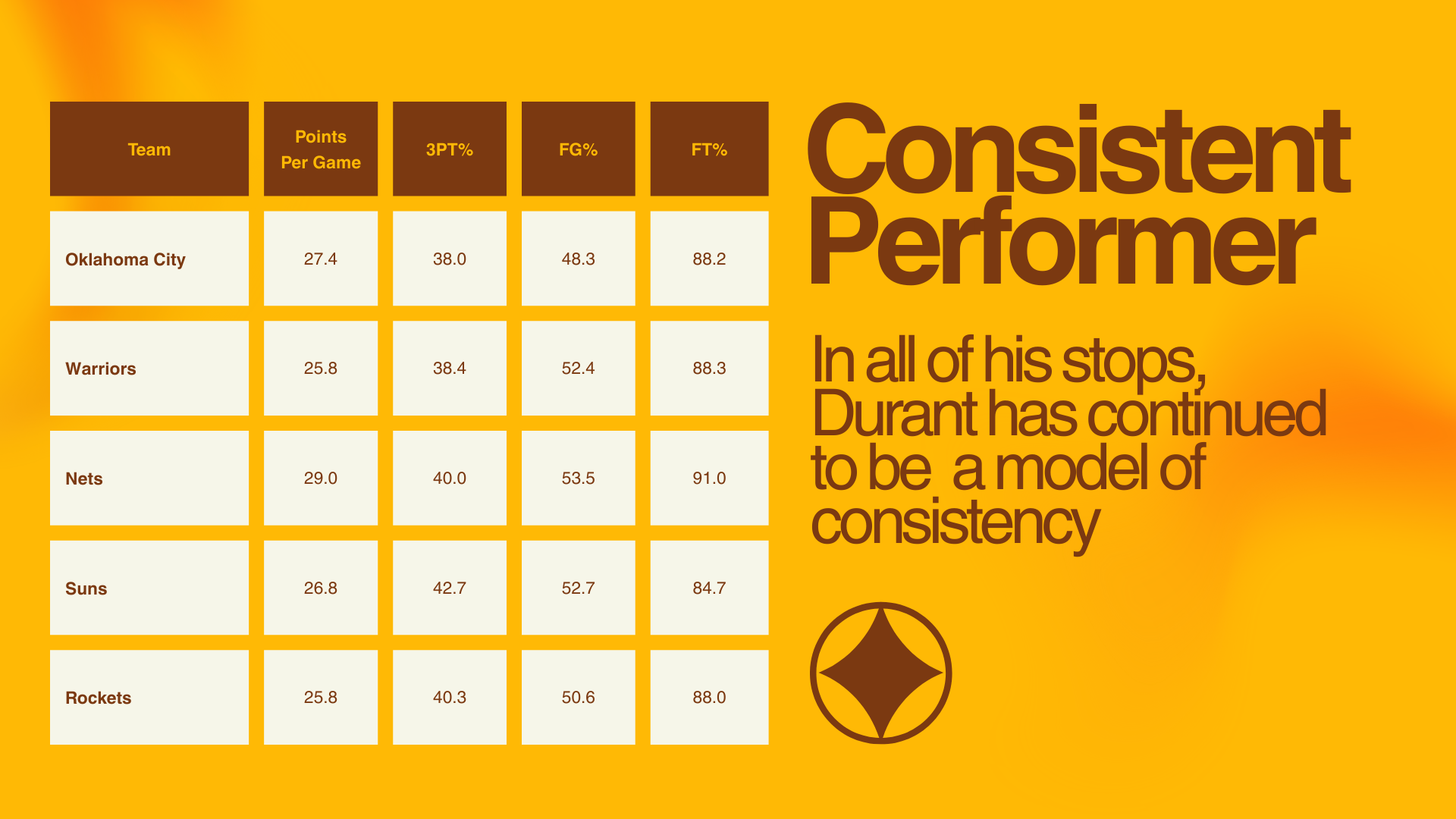
The road during his career has been filled with success but also disappointment. And that disappointment has turned into resentment by the fan bases that he has left in his wake. It seems that the only stop where Durant is truly beloved seems to be when he plays for the US National Team, where he is revered as a god amongst men.
Basketball Utopia
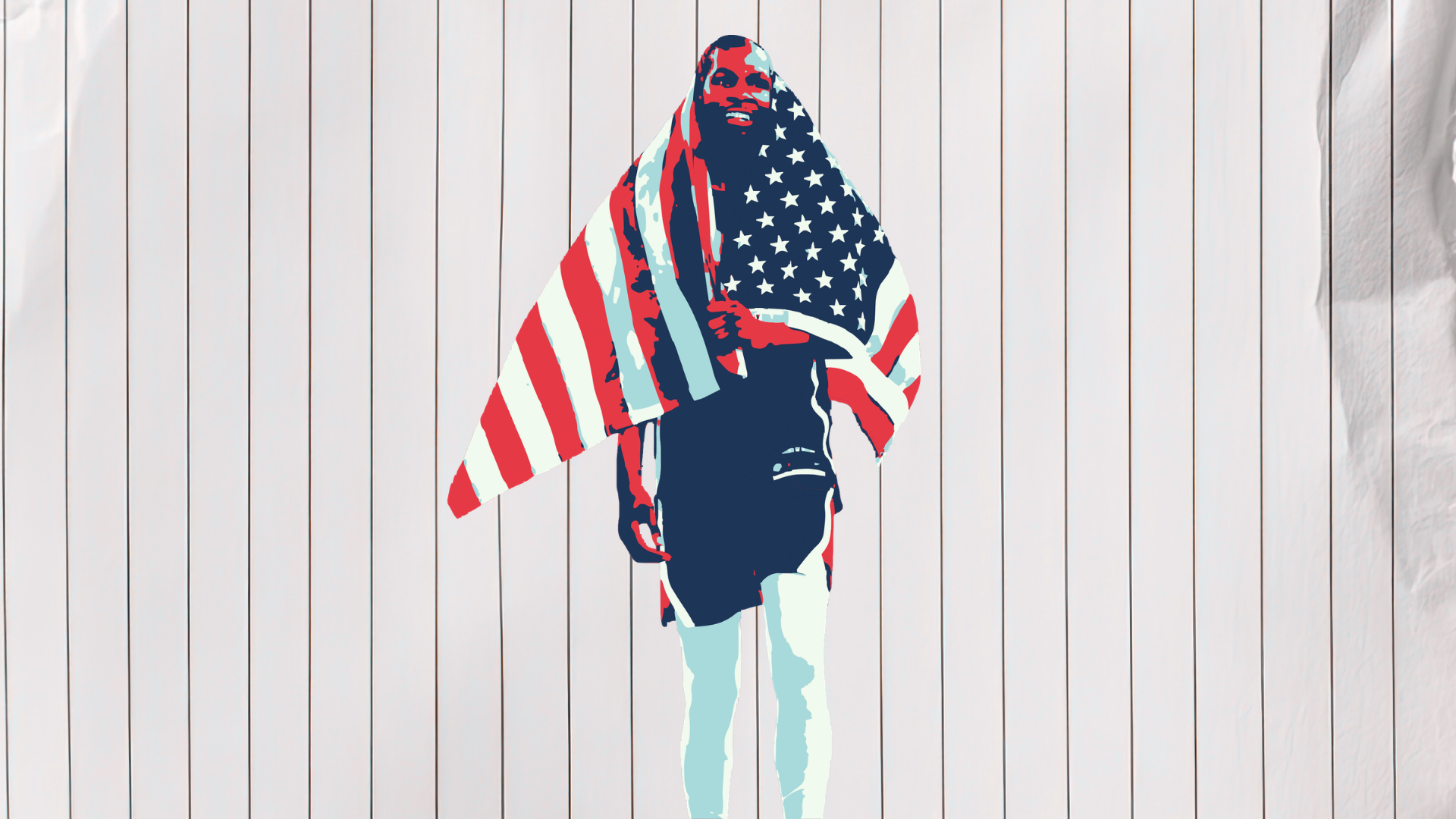
It was often theorized that the reason that Kevin Durant signed with the Warriors was not just about winning championships. But rather that there was a beauty to the way the team played basketball, and that Durant as a student of the game was attracted to it in ways that other players may not be. Indeed, when the Warriors were at their best and most beautiful, it was with Durant on the roster. That sort of feeling for high level basketball is why Kevin Durant is such a great Olympian.
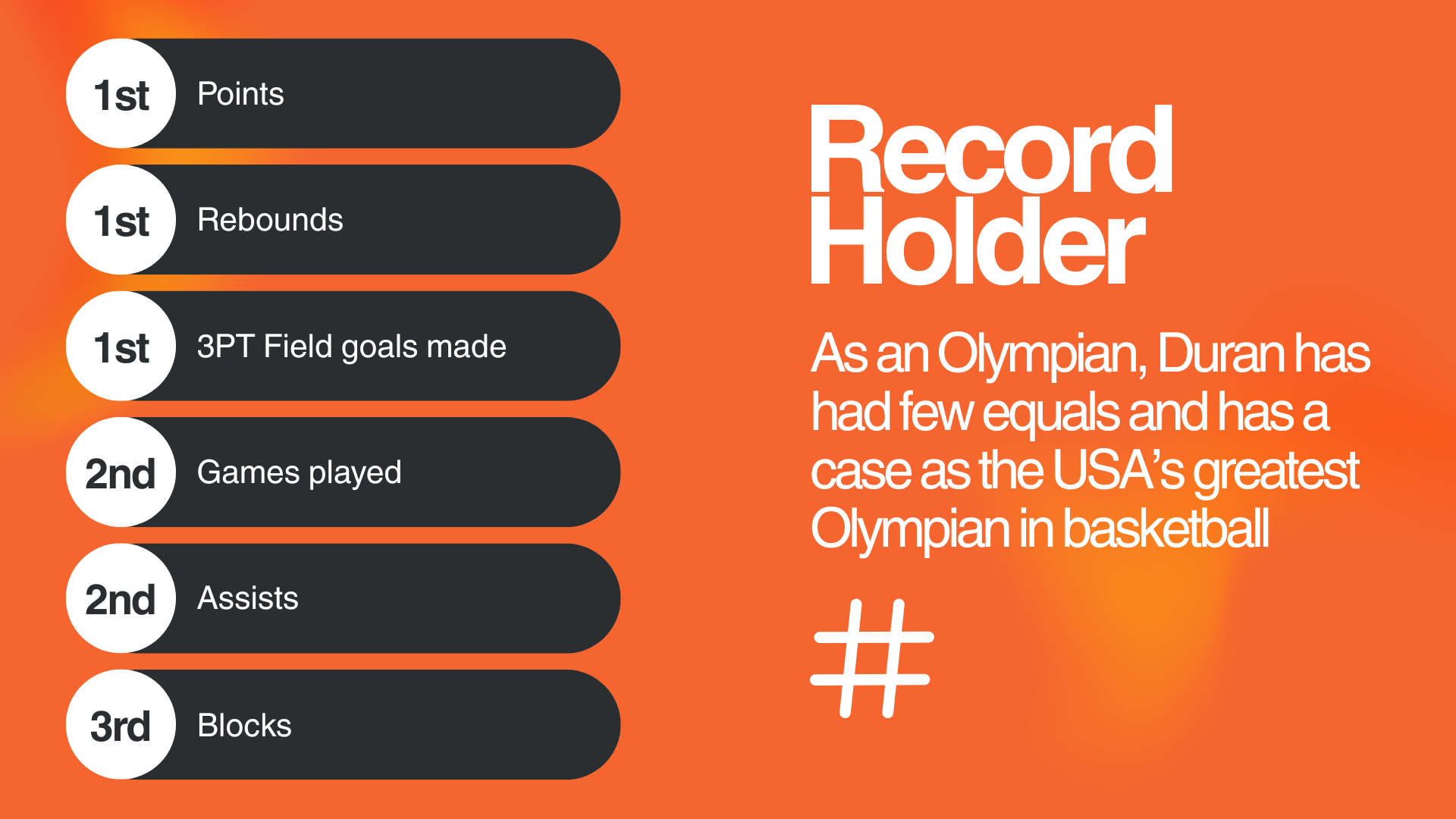
Kevin Durant is the greatest Team USA player ever. He is the only player to have four gold medals, and his win-loss record is 27-1 in the Olympics. He is atop the Team USA record books in points, field goals made, rebounds, and free throws made. He is also second in assists and third in blocks. For a team that selects the best of the best every four years, Durant has consistently been at the top of that mountain.
There is no drama around Durant when it comes to the Olympics. He has been consistently considered one of the best players in the world since 2010 and he has shown it at the international stage. He is universally beloved by fans because he has done nothing but win and produce against the competition.
For fans of Team USA, the objective is always to prove the notion that, despite all of the NBA’s international expansion, the United States is still king on the hardwood. Durant has been a big part of that objective being fulfilled and fans have loved him for it as a result. Their expectations are high and he has met them, every single time.
The truth is that the Olympics are probably a relief for Durant. There are so many other sports to focus on, and every action isn’t hyper analyzed in the way it is in the NBA. Durant is allowed to play free basketball without much of the pitfalls that come with NBA stardom. And as a result, he has thrived.
Team USA is his true basketball home, and yet paradoxically it can’t be because it’s never constant. In many ways, Durant’s folly is indicative more of the modern basketball environment as opposed to any defects we may project onto him as a player. We live in a never-ending social media cycle that makes everything a massive deal even if it isn’t in the grand scheme of things.
Durant as someone who is active on social media, sees and hears all of the noise. And to a certain extent he is responsible for caring about those comments too much. But when we see the way stars are talked about regardless of their situation it is telling of the mental burden of NBA stardom.
Giannis Antetokounmpo has been criticized for not making an official trade demand out of Milwaukee despite the signs being clear that the team is no longer a title contender. People bemoan the idea that he is wasting what is left of his prime on a mediocre team. And yet, those same critics will lament the trade requests of someone like James Harden and yearn for the days of player loyalty. In that regard, the star player can never truly win the narrative battle.
There is no true narrative battle with Team USA, either you are selected or you aren’t. Perhaps the money at play is to be considered as well. NBA players are incredibly well compensated, and Durant has made over $500 million in NBA salary. Olympians are not compensated on that scale, so maybe that makes it even more palatable, purer to fan eyes in some way.
Kevin Durant has no true NBA home because he was taught the business side of the NBA at 19 years old when the city that drafted him no longer had an NBA team. As a result, he has followed the way that the winds of basketball culture have blown—embracing a transient nature. Without a doubt, his decisions have had consequences and people have held his feet to the fire over it.
It begs us to question if he is truly a tragic figure or a representation of the universality of the modern athlete. His association as a legendary face of Team USA basketball is a unique basketball legacy. In some ways he is more national hero than franchise icon, which it can be argued is more significant. With Kevin Durant, we are reminded that no matter how great you are a fan base will always be fickle. The tragedy of his journey is the realization and illustration that the modern athlete may never live up to the expectations that we have as fans.