Knicks Big Men & the Shadows of the Past
Karl-Anthony Towns, preferred styles, and a deeper reconciliation of modern New York and its more industrial past

Martin Luther King Jr. Day is a holiday with pronounced importance to the NBA, a basketball tradition with wall-to-wall action. The New York Knicks have played a game on MLK Day 38 times, the most of any NBA franchise. It’s an important day on the Knicks calendar and the players usually treat it as such.
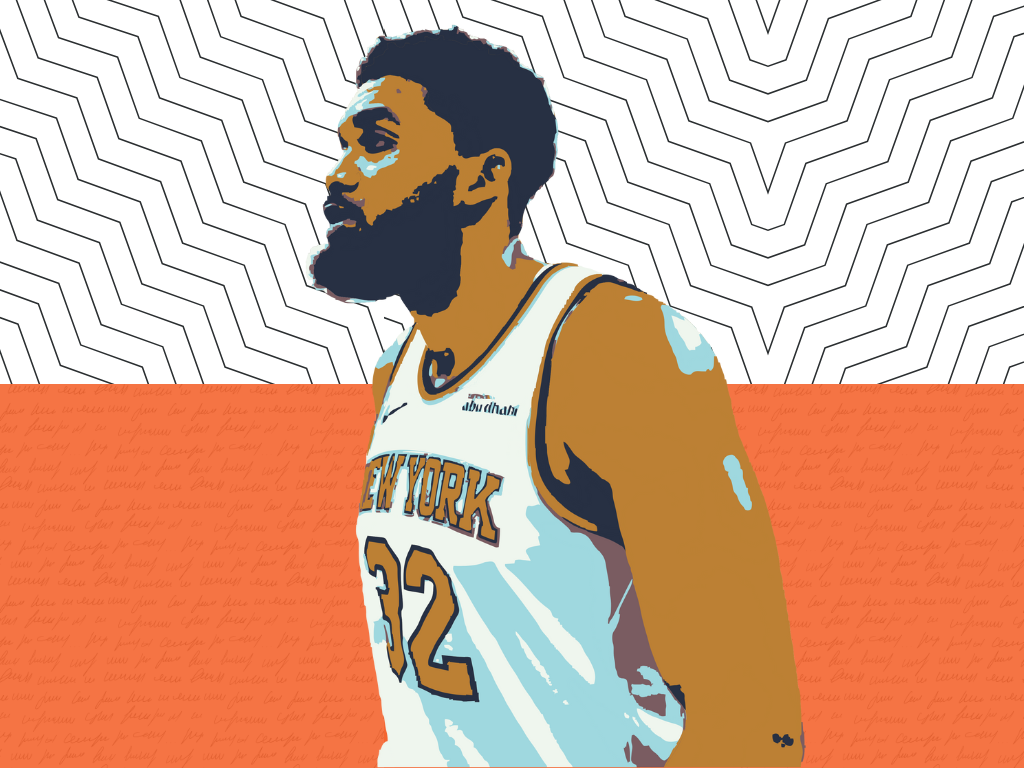
But this year, the Knicks’ MLK Day experience was a nightmare, as they got blown out by the injury depleted Dallas Mavericks. The crowd at Madison Square Garden had seen enough and began booing their beloved basketball team. Those boos applied to the whole team’s effort but specifically seemed to be targeting one player: Karl-Anthony Towns.
Towns has had a tumultuous second season in New York, marked by inconsistent play, lackluster effort defensively, and a perceived lack of chemistry with face of the franchise Jalen Brunson. There is increasing pressure for the Knicks to trade Towns, in the hopes of acquiring a big man with more two-way potential. If that happens, KAT joins a long list of former Knicks big men to try and fail to capture the imagination of a fan base desperate to win. To uncover why this continues to happen it’s important to reflect on the culture of the city and to glance into the rafters and feel the shadows that Patrick Ewing and Willis Reed still cast upon this franchise’s big men.
The Foundation in the Middle
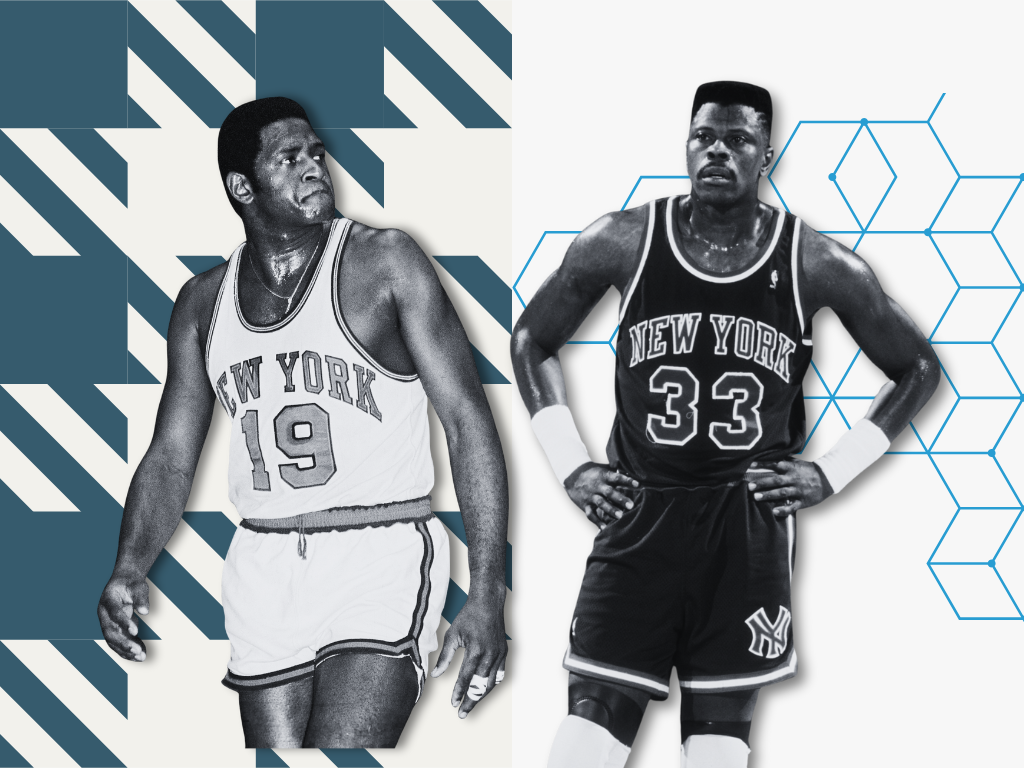
If you were to ask a Knicks fan who the greatest five Knicks of all time are, chances are that Patrick Ewing and Willis Reed will be mentioned. Reed was the defensive anchor of the only two championship Knicks teams in the 70s and remains the only Knick to ever win an MVP award. Ewing was the face of 90s Knicks basketball that was defined by toughness and defense, leading the Knicks to two Finals appearances.
Both were highly skilled players of their eras, and have both been named to the NBA Top 75 Team. They are seminal figures in Knicks lore. Reed, famously limped onto the floor in Game 7 of the NBA Finals against the Lakers in 1970 after having torn a muscle in his thigh. He played a half through the injury, made the games first two baskets, and thoroughly inspired his teammates to propel them to victory. His most memorable moment was one of toughness, rather than pure basketball skill. That ethos has resonated with Knicks fans ever since.
Patrick Ewing was drafted to be the savior of the Knicks after a tumultuous first half of the 1980s defined by instability and injury. He averaged over 20 points, 9 rebounds, and3 blocks per game for 13 straight seasons as the anchor of the Knicks. He often battled through a myriad of injuries and appeared in 85% of the Knicks games through his first 13 seasons. From his third year on, the Knicks never missed the playoffs with Ewing as their anchor and he constantly battled injuries, gaining the respect of the city and the fans.
Both Ewing and Reed created the foundations of Knicks basketball culture. They were both reliable, fierce defenders, and always gave effort despite the health issues that they were dealing with. While they were both skilled and productive offensive players, that often was secondary to their mentality and ferocity.
Beyond that, both players came from a struggle that defined their hunger. Reed grew up in the segregated South and dealt with constant segregation and racism. Ewing, the son of Jamaican immigrants, also dealt with racism and language barriers on his journey to the NBA. It is fitting that both players would end up in New York City—a melting pot that has been home to immigrants seeking the American Dream for centuries. They, like the immigrants on Ellis Island before them, knew what it meant to be in the city and the grinding mentality it took to succeed, and that is why they resonated with Knicks fans so much.
A City That Rewards Toughness

There is a perception that many people who have never lived in New York City have about the city. It is a perception of high society and opulence that has been portrayed in countless TV shows and movies that take place in the city. That perception is rooted in some truth—Manhattan is after all a hub of the financial and fashion world. But the entire culture of New York City is not restricted to Manhattan, it’s a melting pot of the other boroughs that make the place so unique.
Boroughs like Brooklyn and Queens have historically been defined by being deep tapestries of immigration and cultural diversity. They have historically featured a wide array of people—home to artists, industrial workers, and everything in between. Queens is one of the most linguistically diverse places in the world, an indication of the melting pot that the borough is. Similarly, Brooklyn is a hub for small businesses in numerous industries with 91% of Brooklyn businesses having less than 20 employees.
The boroughs outside of Manhattan were built on the backs of immigrant labor and embody a feeling of overcoming odds and adversity as a core identifier of culture. It’s a sort of credo that has persisted even with rampant gentrification of certain areas (particularly in Brooklyn). Despite the rapidly changing landscape, New Yorkers still take the subway, value hard work, and wear toughness as a badge of honor. The idea of a weathered and resilient East Coast native often has its roots in these boroughs.
That mentality being so deeply intertwined with the identity of New York City extends to their basketball fandom. It’s why Knicks fans of a certain age romanticize and revere the Knicks of the 90s. They were a team that wasn’t the most skilled but was the toughest and gave maximum effort at all times. That is a story that can be sold to New Yorkers, because above all else they value toughness and resilience.
Looking up and down that roster, there were countless examples of players that mirrored the way many New Yorkers saw themselves. Ewing, the son of immigrants, making the NBA through obstacles and being a coveted prospect. John Starks was bagging groceries before he got his NBA opportunity. Charles Oakley was discarded by Chicago and rebounded and defended with a tenacity that few players could mimic. They were physical, unglamorous, and absolutely tireless in their approach to basketball.
New Yorkers have endured a lot in this century. The attacks of September 11th, 2001, put the city and the world into turmoil, and the city’s residents had to pick up the pieces. In 2020, the Coronavirus pandemic hit the city hard due to the congested nature of its dense population. These two events paint the picture of the difficulty of surviving in New York, which is the foundation of the culture of toughness that the city embraces.
This translates on the basketball court and is transposed from the style of the city’s park games. Driving to the paint, ball handling, and tough defense are table stakes on the playground. Knicks fans want the same of their professional outfit. Defense shows resilience, a dedication to the grind to do whatever it takes to survive to meet goals. Fans want players that work as hard as they do to be able to afford seats to a game at Madison Square Garden.
So, when a Knicks fan sees a player not giving effort that is the true cardinal sin. They can excuse missed jump shots, but a missed rotation or closeout on defense is inexcusable. Knick fans want a level of physical sacrifice from their favorite players, because they have sacrificed so much to make it in New York City. The issue with this—as is evidenced by Karl-Anthony Towns’ play style—is that the modern trajectory of basketball has shifted more and more from that ideal.
The Modern Dilemma

The top big men in the NBA today are often defined by their offensive prowess. Nikola Jokic is a passing savant, possessing incredible vision for highlight assists that still manage to mystify us. Giannis Antetokounmpo, while being a positive defensive player, is more lauded for his relentless driving ability and quick first step to get into the paint. Victor Wembanyama is widely considered to be the next elite player in the NBA. His incredible height makes him an obvious defensive superstar. But the focus has centered more on his wide-ranging shooting ability and capability of handling the ball like a point guard. All of these players have high-level defensive traits, but it is their offensive capability that truly captures collective imaginations.
The NBA has never been more skilled than it is today. Forwards and bigs often display guard skills. Guards can shoot better than ever and are more athletic than they have ever been. Almost every player that enters the league today is expected to be somewhat of a threat from three at minimum. There is an emphasis on skill and less on the grinding nature of the former NBA.
The prioritization of skill over tenacity has led to numerous players finding themselves off of NBA rosters because they simply didn’t have the measurables or elite skills to survive in today’s game. This clashes directly with the ethos of the 90s Knicks and other teams of that era.
In a certain sense, the sensibilities of modern basketball have evolved beyond the profile of what Knicks fans learned to covet all those years ago. Players like Charles Oakley simply do not exist anymore, because the league demands more offensively of its players—placing a premium on versatility above all else.
This creates some friction for Knicks fans more than other fan bases. So much of the identity of what basketball is supposed to look like to New Yorkers is no longer the reality. This disconnect can help to explain the fickle treatment of the team’s big men since Ewing left New York.
Judging Big Men
Since Ewing’s departure in 2000, the Knicks have had a myriad of big men come through Madison Square Garden. They were supposed to bring the team back to relevance, to bring back the winning that the franchise enjoyed during the Ewing era. Fans soured on a lot of them because of their lack of defensive intensity and toughness—an example of the standard that was put in place by both Reed and Ewing.
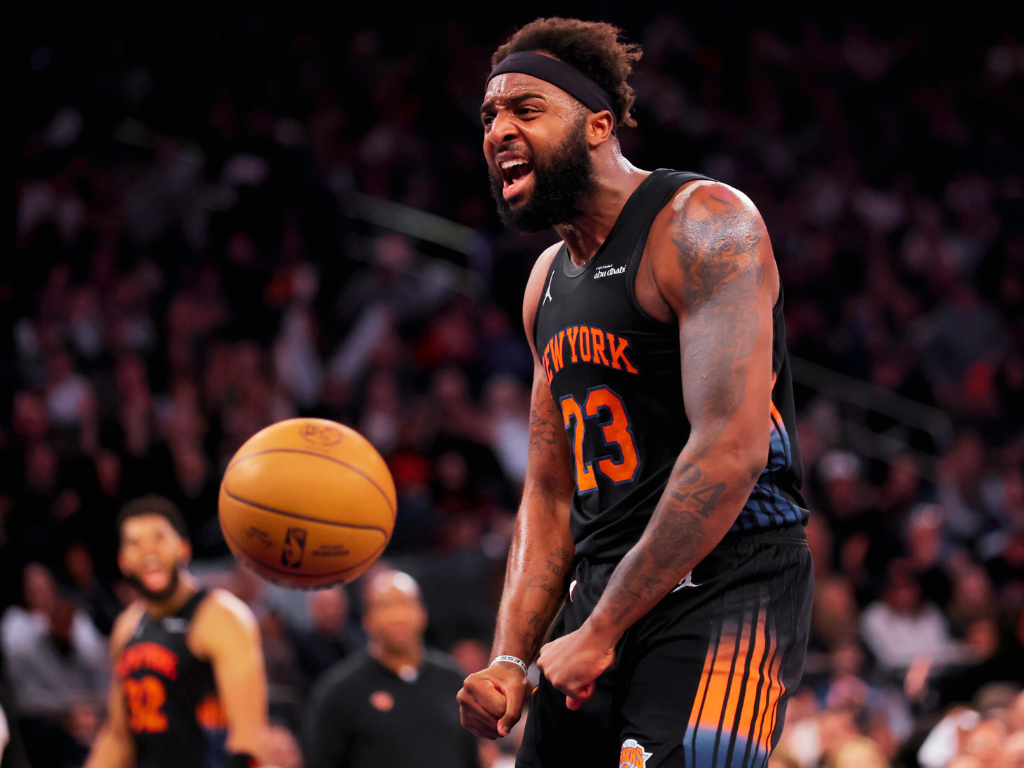
There are some notable exceptions, however. Both Marcus Camby and Tyson Chandler represented defensive stalwarts that did the dirty work by protecting the paint and rebounding. Their style of play embodied what many fans look for. A modern version of that archetype is on the Knicks roster today—Mitchell Robinson. Despite his lack of offensive scoring ability, Robinson has made up for it in defensive range, shot blocking, and offensive rebounding. He has perpetually been a fan favorite because he is the definition of bodily sacrifice that fans adore in this city.
There are four big men that have defined the post-Ewing era, and all of them met times that were filled with fan animosity and dissatisfaction.
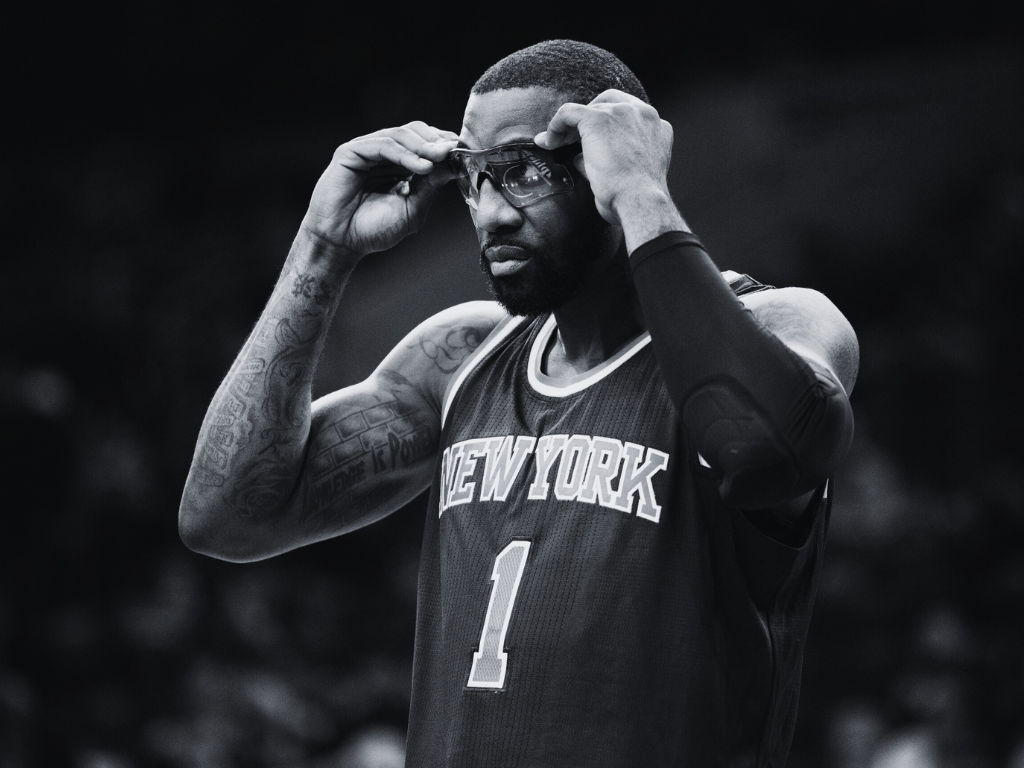
Amar’e Stoudemire was the Knicks big free agent acquisition in the summer of 2010 when the team famously whiffed on luring LeBron James and Dwyane Wade to New York. Stoudemire had half of a season where he led the Knicks to an above 500 record before injuries started to take their toll on his worn-down knees.
In a sense, Stoudemire was the Manhattan socialite version of a big man. The flash was there, as was the offensive ability—Amar’e averaged 25.3 points and 8.2 rebounds in his first season as a Knick and made All-NBA second team. But there was something missing from his game that didn’t translate to all New Yorkers. This was especially pronounced as Carmelo Anthony arrived, who seemed to have more of that sacrifice built into his DNA. Amar’e played five seasons in New York but only started in 160 games, a perpetual what-if scenario that was quickly forgotten.
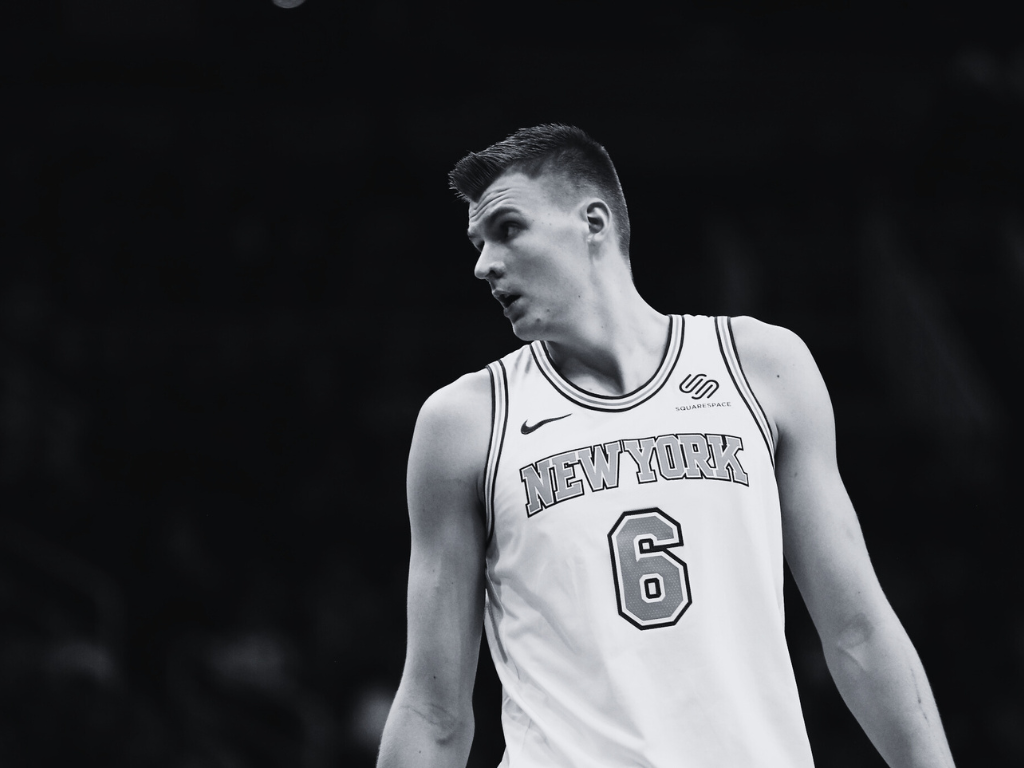
An immediate successor to Stoudemire was Kristaps Porzingis. He was billed as the ultimate modern big man—standing at 7’3” with tremendous shooting range. If the 90s Knicks ethos was the old money of New York, the style of Porzingis certainly represented Jay Gatsby and his new money. There was a sense, however, that Porzingis simply couldn’t handle the rigors of being a superstar in New York.
After his third season that saw him making an All-Star team, Porzingis missed an entire season due to injury and ultimately demanded a trade. Part of making it in New York as a basketball player is navigating a relentless media environment that tests even the best athletes. Some like Patrick Ewing and Clyde Frazier navigate it with relative ease. Others, like Porzingis, seem to wilt under it. This turn of events ultimately led to fans calling him soft and that he simply wasn’t built for New York.
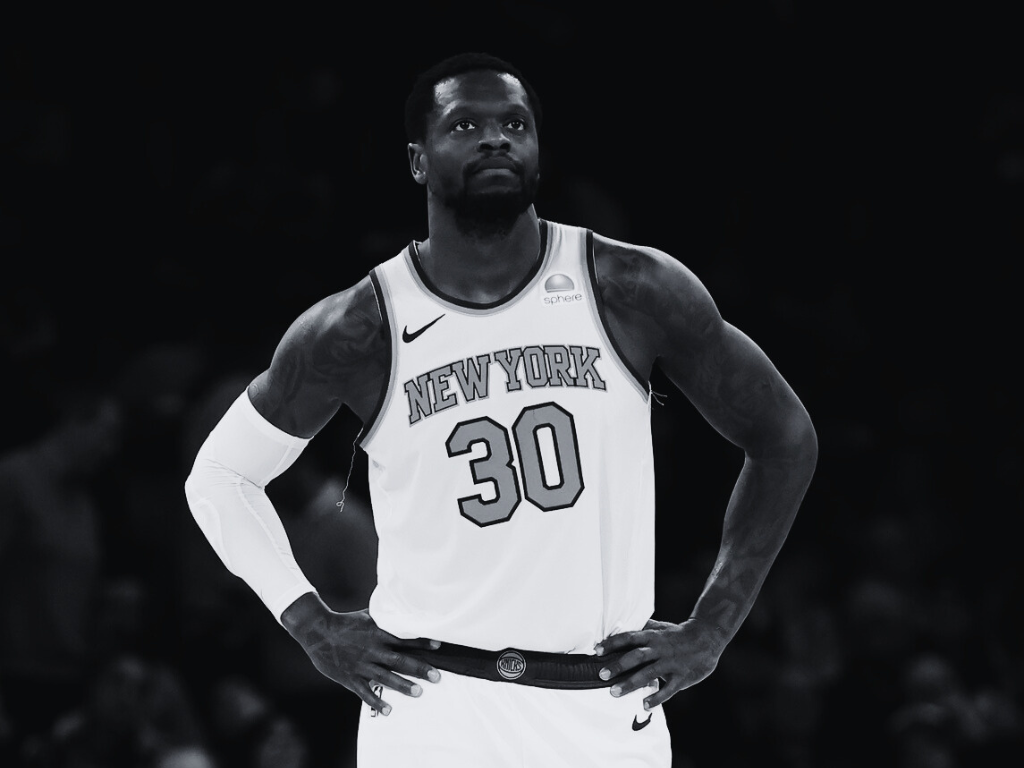
Perhaps the most interesting case study in promised big men gone awry for the Knicks is Julius Randle. Randle was signed in the summer of 2019 after the team once again whiffed on their free agent targets—this time it was Kevin Durant and Kyrie Irving. After a rough debut season, Randle became the foundational piece of the Knicks resurgence in 2020-21.
That season saw Randle put the team and the city by extension on his back, leading to his iconic “New York, we here“ quote in a post-game interview with Rebecca Haarlow. Randle was looked at as someone that took on the challenge of New York and had the toughness to navigate the expectations with his bulldog style that resonated with New Yorkers.
That would all evaporate the following season, when he had a regression in his production. That led to fans booing him and questioning his body language. This resulted in the infamous “thumbs down“ moment, where it seemed that the fan criticism finally made Randle crack. This was a cardinal sin by Randle, because it showed fans an inability to handle adversity—which was akin to blasphemy.
The mental struggles of Randle ultimately led to his lapses on defense, making what was already a tenuous relationship with the fans into a toxic one. Yet in the end, Randle rebounded and fought through injuries again to regain his All-Star and All-NBA form. But too much had happened and he was eventually traded to Minnesota for Karl-Anthony Towns.
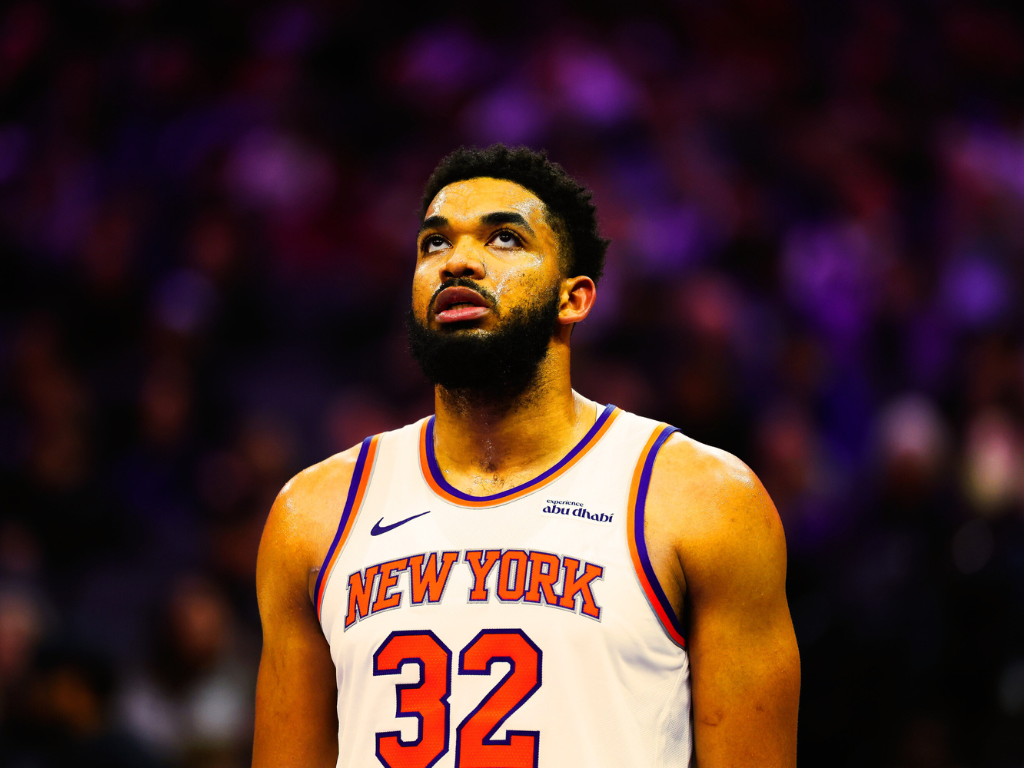
That brings us to Towns, who is the latest Knicks big man to catch the ire of the Knicks fan base. KAT, like Porzingis, is representative of what the game has become. A seven-footer with tremendous three-point efficiency at high volume. But the knock on him from the moment he entered the NBA was a lack of a motor—particularly on the defensive end.
Through a season and a half as a Knick, that has proven to be true. When KAT is on, he looks like one of the best players in the NBA. But when he isn’t he looks like a massive liability. His lack of defensive presence and initiative on that end of the floor has quickly soured on Knick fans, as he is booed frequently these days. There have been moments where KAT doesn’t hustle back on defense, when his drop coverage is lax by any standard, and when he flails at the ball picking up silly fouls—these are all indictments of his effort and critiques of his toughness and want-to.
He, like the men that came before him, is being held to a standard that is all but extinct in modern basketball. Fans seem to want more sacrifice, more determination, and they are not getting it with Towns. It is especially glaring for him because of his co-star.
Jalen Brunson, who signed with the Knicks in 2022, has the highest approval rating of a Knick since Patrick Ewing. Part of that is because he is an underdog—a second round draft pick that was overlooked for being undersized. Everything he has he has earned and fought for. He plays through injury and approaches the game with the sort of determination that New Yorkers love. When comparing his effort to that of Towns, the disconnect is glaring and impossible for Knick fans to ignore.
The great irony of Towns is that in a general sense, he is exactly what you want in a modern big man. He presents matchup problems on the perimeter and creates spacing conundrums for defenses. But fans want the intangible, the toughness that Ewing and Reed had that felt so quintessentially New York. In today’s world, it is an impossible standard to live up to.
The Impossible Standard
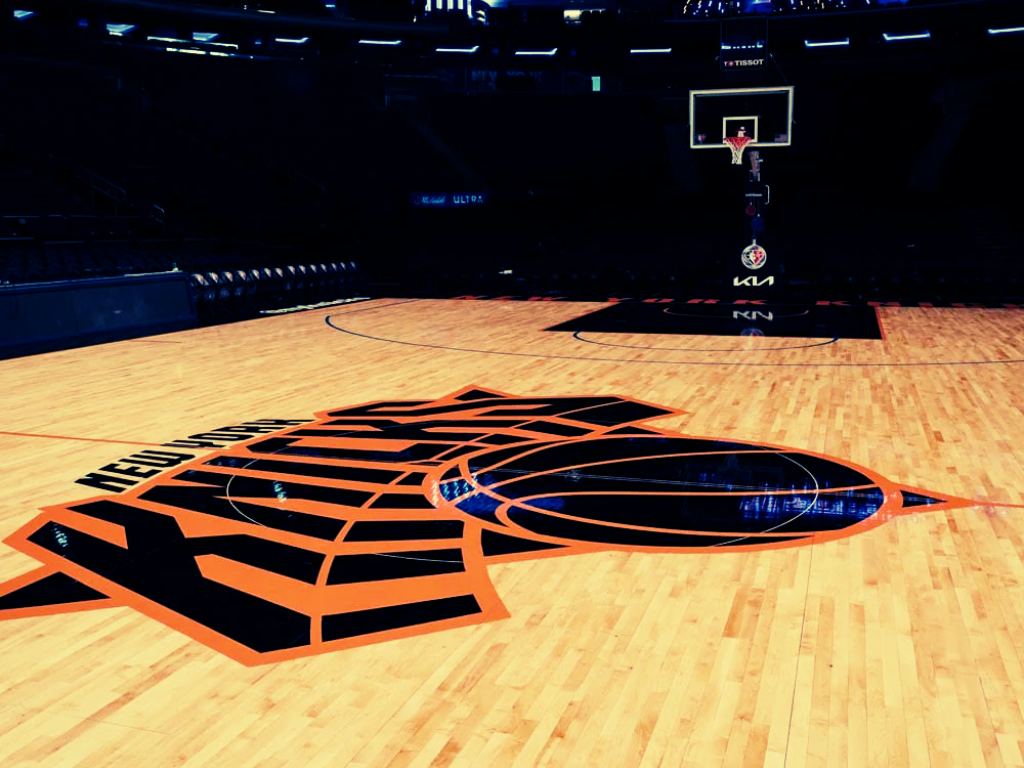
The game of basketball has evolved to one that weighs more heavily on the offensive side of the ball. Look no further than the players that make the most money, they are typically threats to score more than they are lockdown defenders. The league has evolved more towards skill as opposed to grit, whether fans like it or not.
On top of that, the calculus around players has changed versus the 90s. Ewing had to deal with columns in the New York Post and Daily News, but he didn’t have to contend with social media. Considering the 24/7 commentary that happens online about teams and athletes, it’s honestly easy to understand why someone like Julius Randle would get fed up with fans complaining about his performance. Athletes are only human after all.
In fact, it may be fair to say that if the Patrick Ewing of 1985 was transplanted into the world of today, he would struggle even with all of his built-in toughness. Karl-Anthony Towns is ultimately both competing with his opponents and the ghosts of the past. The preconceived notions about him from Minnesota have followed him, causing many to expect him to fail. It’s a standard that is impossible to live up to, trying to emulate only the good of a mythologized figure that requires you reconfiguring who you are as a basketball player.
In a broader sense, this juxtaposition reflects the reality of New York City itself. In the sitcom How I Met Your Mother, Barney Stinson (played by Neil Patrick Harris) comes to his friend Ted (played by Josh Radnor) in a dream and said the following about New York City: “New York is never finished Theodore. She’s a lady only a handful of architects ever get to dance with. Do not miss your turn.” The line reflects the ever-changing nature of New York City—a constantly evolving organism that reinvents itself repeatedly.
The cities hard-nosed posture has softened a bit in recent years with the gentrification of neighborhoods and the insertion of tech and finance culture. It is still filled with hard-working people but many of them have been priced out of the market, having to move to Long Island or New Jersey. The desire for the Knicks to an embodiment of the toughness of the past could therefore be seen as part of a larger identity struggle of the city.
Big men like Towns are in the crosshairs of that struggle—forced to live in the shadow of what once was. We have seen him try to make adjustments like increasing his driving rate to show his willingness to embrace contact, to display his toughness. The standard feels like one that should be adjusted, just as New York has adjusted to the modern world. The cold reality is that the NBA will never be like the 90s again, and that there needs to be some semblance of balance reached—chiefly around effort.
As always, winning cures all in the NBA. If the Knicks win at a high level with Towns showing the resilience to overcome the bump in the road, he will be one of those legends that future generations will have to live up to. But it would be foolish to overlook that the standard is arduous and seemingly impossible. That is the true weight of playing in New York, despite the long-term drought of championship success. The culture of expectation is a weight that many have avoided, and it is on KAT to determine if he will fold in this moment or finally be the one to break the cycle—if it can be broken at all.
Thanks for reading Deep Cover! This post is public so feel free to share it.