Meet OneCourt: A Device That's Making Sports More Accessible
A Seattle startup is bringing a new way to experience games to the blind and low vision community—and making sports more immersive in the process
Attending a live sporting event is a timeless activity. It offers connection to the teams and athletes we love, while also offering drama of the highest order in a community setting. Put another way, sports are an explosion of sensory stimulation. A combination of stunning visuals with immersive noise that keeps us coming back for more.
Experiencing the magic of a game is not as easy, however, for those with blindness or low vision. In the past this often required purchasing a wheelchair accessible ticket and relying on assistance from stadium staff.
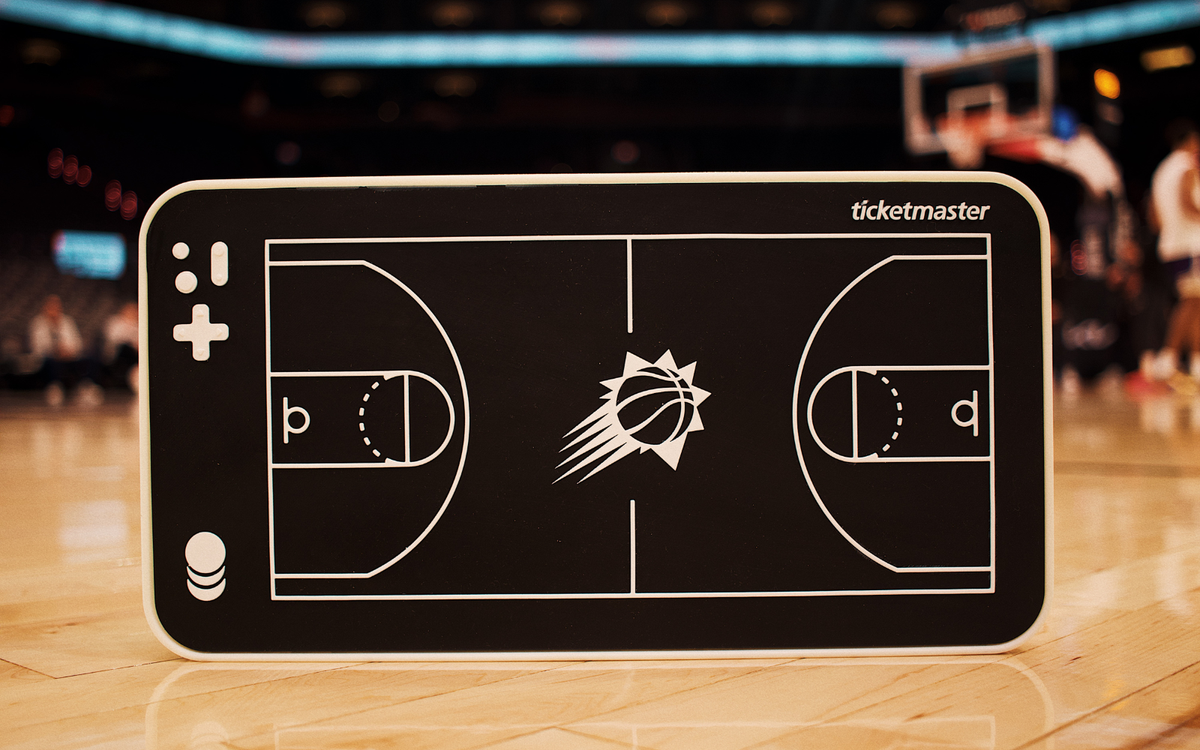
While this is a solution for attending games, it does not enhance the live event experience. OneCourt, a startup based in Seattle, Washington, is attempting to change that with their tactile broadcast technology. I spoke with Bree Fraser and Alexa Garay from OneCourt to better understand the product and how they are trying to bring sports experiences to a historically underserved community.
The Creation of a Product
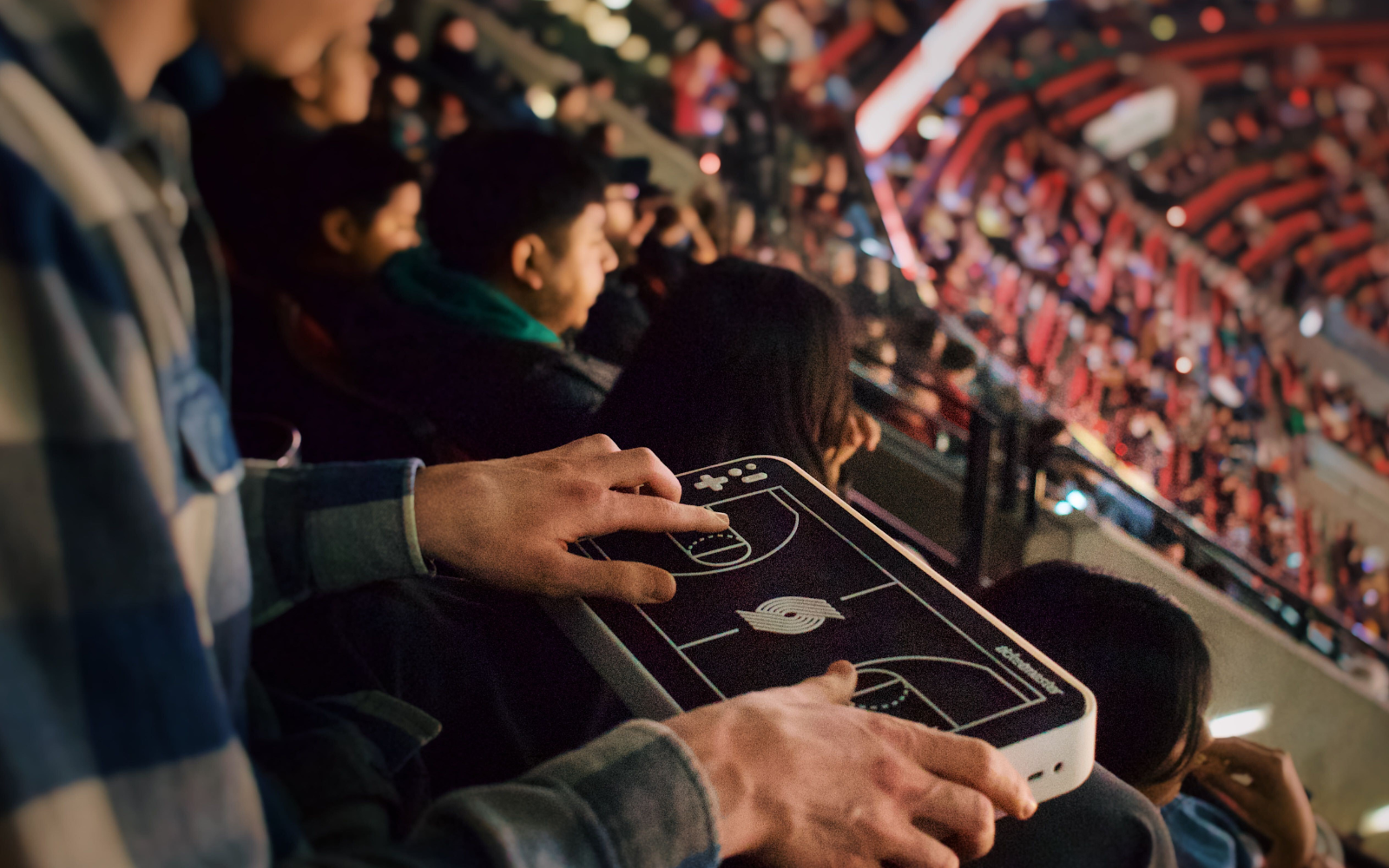
It started with a video. OneCourt CEO Jerred Mace saw a video of a blind man sitting with a sighted woman at a soccer match. The woman took the man’s hands around the surface of a game board to replicate the action on the field. This is a technique called tactile signing—a form of communication often utilized in the deafblind community.
Mace was inspired by this and thought that there was an opportunity to improve upon this interaction method, scaling it to be more accessible to those in the blind and low vision communities. Mace then assembled a team that worked out of a makerspace at the University of Washington in Seattle to create the world’s first tactile broadcast device.
The work continued for a couple of years when the first fan-facing pilot device was introduced in the 2023-24 NBA season with the Portland Trail Blazers. This moment allowed fans to use the device and get real-time feedback of what the experience was like, which was invaluable for the OneCourt team.
Since then, OneCourt has continued to partner with NBA teams—including ongoing partnerships with the Trail Blazers, Brooklyn Nets, Sacramento Kings, and Phoenix Suns. They have also expanded into baseball, showcasing the device in the summer of 2024 during the MLB All-Star Game in Arlington, Texas. The All-Star Game allowed the company to be a part of ESPN’s advertising during the Home Run Derby which has led to more interest from sports teams according to Alexa Garay.
The OneCourt device is currently on its sixth design iteration, which is the product that is available at select NBA arenas. To get to that point, they leveraged the blind and low vision community in Seattle to test the technology and make improvements to enhance their game experience. This started with a rough prototype that featured six motors that would eventually become the slab device of today with hundreds of motors.
The testing community started with 50 people but has since grown to over 1,500 people actively testing the product. This testing group has now advanced beyond the Pacific Northwest, with planned demo days at the National Federation of the Blind conventions. This year’s convention will be taking place this July in New Orleans, which the company plans to be present for.
At the time of this writing, OneCourt is primarily a business to business (B2B) product focused on professional sports teams. But they are rapidly moving close to expanding in the direct to consumer (D2C) space. The company has viewed their efforts with teams as a chance to gain mindshare with their potential user base and then capitalize on that awareness as they launch more broadly into the consumer market. This sort of planning is indicative of the potential of the OneCourt device, and the potential to position it as something with even wider appeal.
Enhancing the Fan Experience
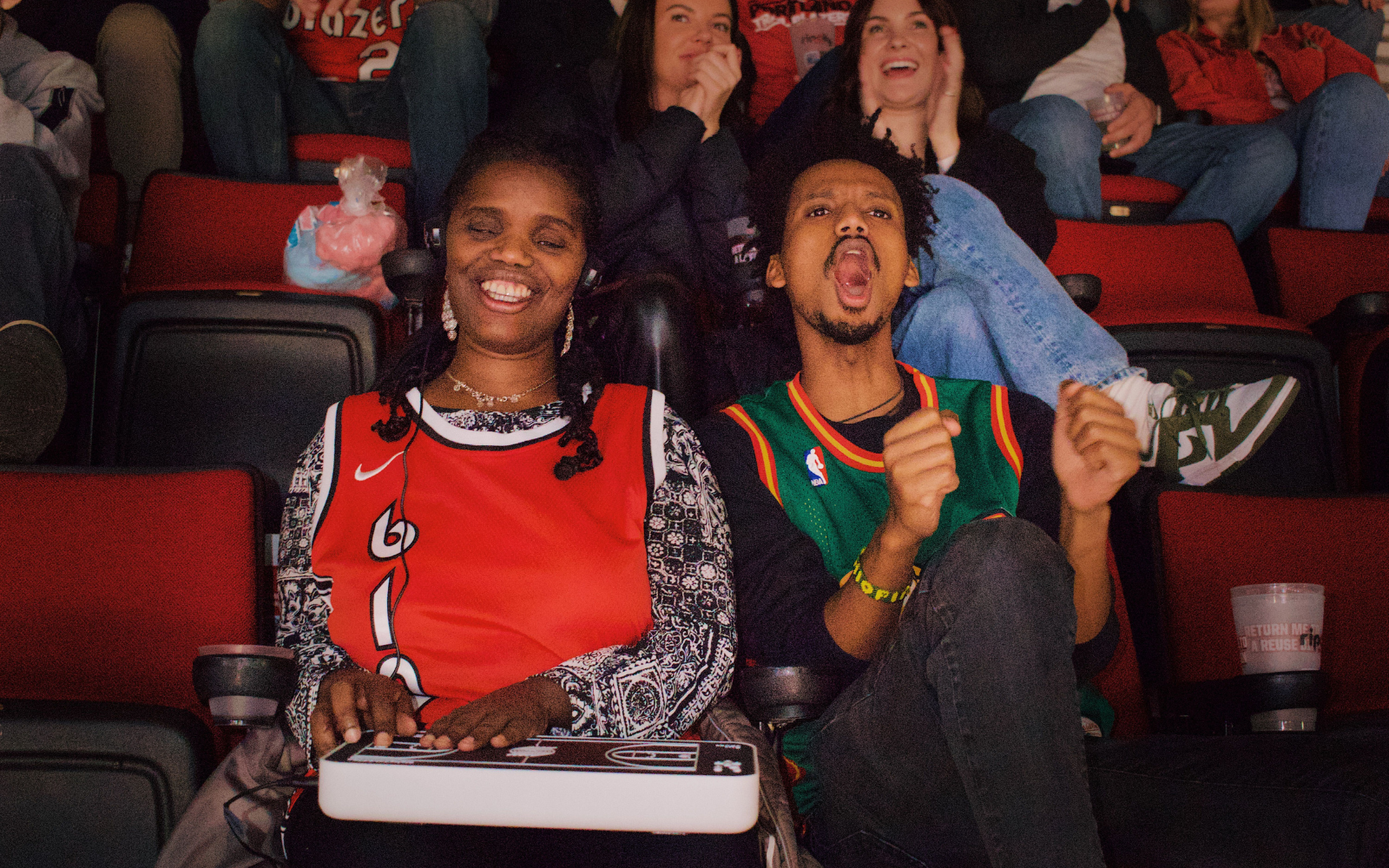
The problem that the team identified for those in the blind community was that there was no true way to enjoy sports at a venue. Listening to the radio broadcast was an option, but that presents a jarring experience thanks to “broadcast delay”, resulting in the crowd cheering but being unaware of what happened for up to 90 seconds.
To solve this problem, OneCourt has leveraged tracking data that the NBA has been using since 2016 to deliver player and ball movement to send signals in real-time to the device. The information is processed and relayed to the device with 0.5 seconds of latency—allowing users to know what is happening immediately.
Each moment has a different vibration pattern that allows the end user to differentiate between events such as a made shot, missed shot, dribbles, etc. The device also enables fans to listen to a live broadcast if they choose to, further elevating the experience. The company included a status button to allow the score, time remaining, and more to be spoken—mimicking the experience of looking up at the jumbotron.
They have utilized the same sort of data in other sports like baseball and football, a clear benefit of the modern acceleration of analytics and tracking data. The additional benefits of every play type having a different vibration associated with it is that OneCourt is being utilized to teach different aspects of a sport to new fans, to understand things like what the strike zone in baseball is and being able to conceptualize it through touch.
Put simply, this device is an absolute game changer for those in the blind and low vision community. That segment of the population was the inspiration to create this device in the first place, and they will always be the demographic that is a guiding light for this product. But in the process of developing, testing, and exposing their ideas to the public, the team has also noticed that there are applications for their technology in ways that could revolutionize the live sports experience as a whole.
Changing Live Sports
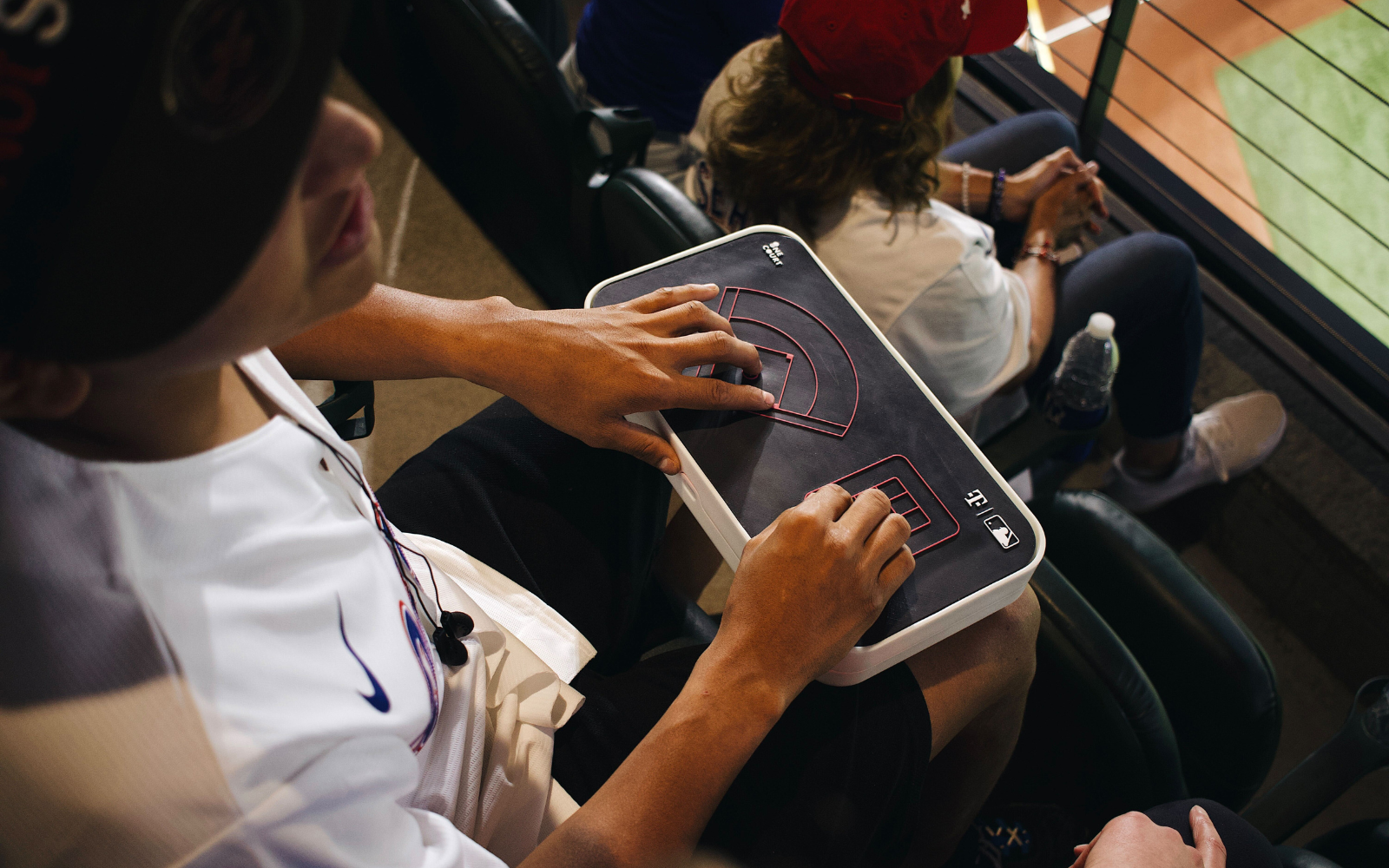
As OneCourt has expanded their reach and inked new partnerships with different leagues and teams, there has been a growing interest from people that are outside of the blind and low vision community. Bree and Alexa both confirmed that they have seen interest from teachers, fans with autism, and elderly or aging fans that are losing their vision.
Beyond accessibility applications, however, OneCourt envisions their device as an essential companion to live sporting events. By incorporating the elevated sense of touch, sighted people can become fully immersed in a game in a way that hasn’t been possible before. Much how the rumbling of a video game controller creates an immersive experience signaling an important moment, OneCourt can be used to amplify the events of a game—whether it is a clutch basket or a big hit.
Teams are starting to see the company’s vision as well. The NBA teams that are on board have partnered with the company with an end-to-end support model, ensuring that fans using the devices are satisfied with the experience. The franchises that Bree and Alexa spoke to were very eager to be on the forefront of new technology that gives them an edge in fan satisfaction and in-game experience.
As OneCourt’s technology continues to spread through activation events and outreach, the company is ambitiously courting other professional teams across sports. The eventual goal will be for a direct-to-consumer model—enabling blind and low vision customers to enjoy watching live sports at home in a way that has never been possible before.
The company is focusing on one goal at a time right now, which is prudent considering that they are a start-up. But the bigger vision and what may be possible down the road shows us a future where the magic of sports can be accessible to all people. And even beyond that, the product shows the potential of technology making sports viewing more immersive and thrilling by captivating more of our senses.
Anyone that loves sports can attest to just how enthralling, all-encompassing, and captivating it can be. We develop a love for these teams, athletes, and moments that is difficult to describe. What OneCourt is doing is taking that feeling and delivering it to a group of people that have been excluded from a full experience for far too long. In that sense, OneCourt represents everything that is right with sports.
Interested in learning more about OneCourt? Check out their website HERE.