Out of Bounds: Alyssa Thomas & America’s Marginalization of Black Women

The fallout from a basketball moment has turned into a mirror of where the country sits in 2026
In a game between the Phoenix Mercury and Indiana Fever a play between Alyssa Thomas and Caitlin Clark has caused a national conversation. The play ended with Thomas making contact with Clark’s throat and a retroactive Flagrant Foul Penalty 2 and subsequent one-game suspension for Thomas. Clark has come back and played in games, wasn’t seriously injured, and Thomas served her suspension. From a basketball perspective, the moment should have passed. But as it seems to happen so often when it comes to Caitlin Clark and her fans, it hasn’t.
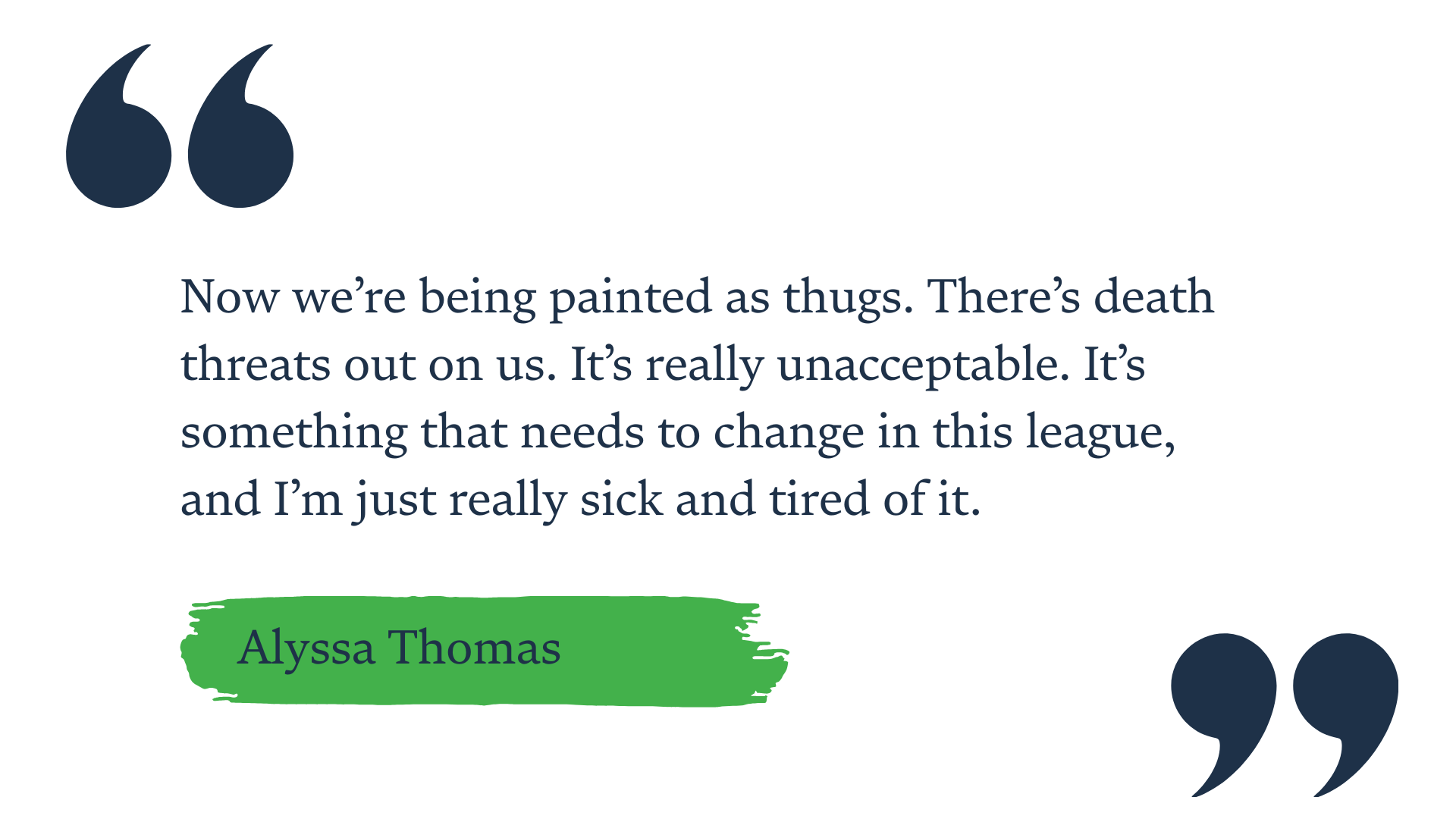
In recent days, Thomas, a 7-time All-Defensive selection and 6-time All-Star, has revealed that in the aftermath she has experienced death threats, leaked addresses, and racial slurs. Much of the online conversation on platforms like X has resorted to racial dog whistles calling Thomas a thug. This is juxtaposed to the way those same people discuss Fever guard Sophie Cunningham, who earned the term “enforcer” for similarly physical fouls in her time in Indiana. The juxtaposition between the online glorification of Cunningham and the demonization of Thomas is a stark reminder that even in basketball, the racial divide in this country is still massive.
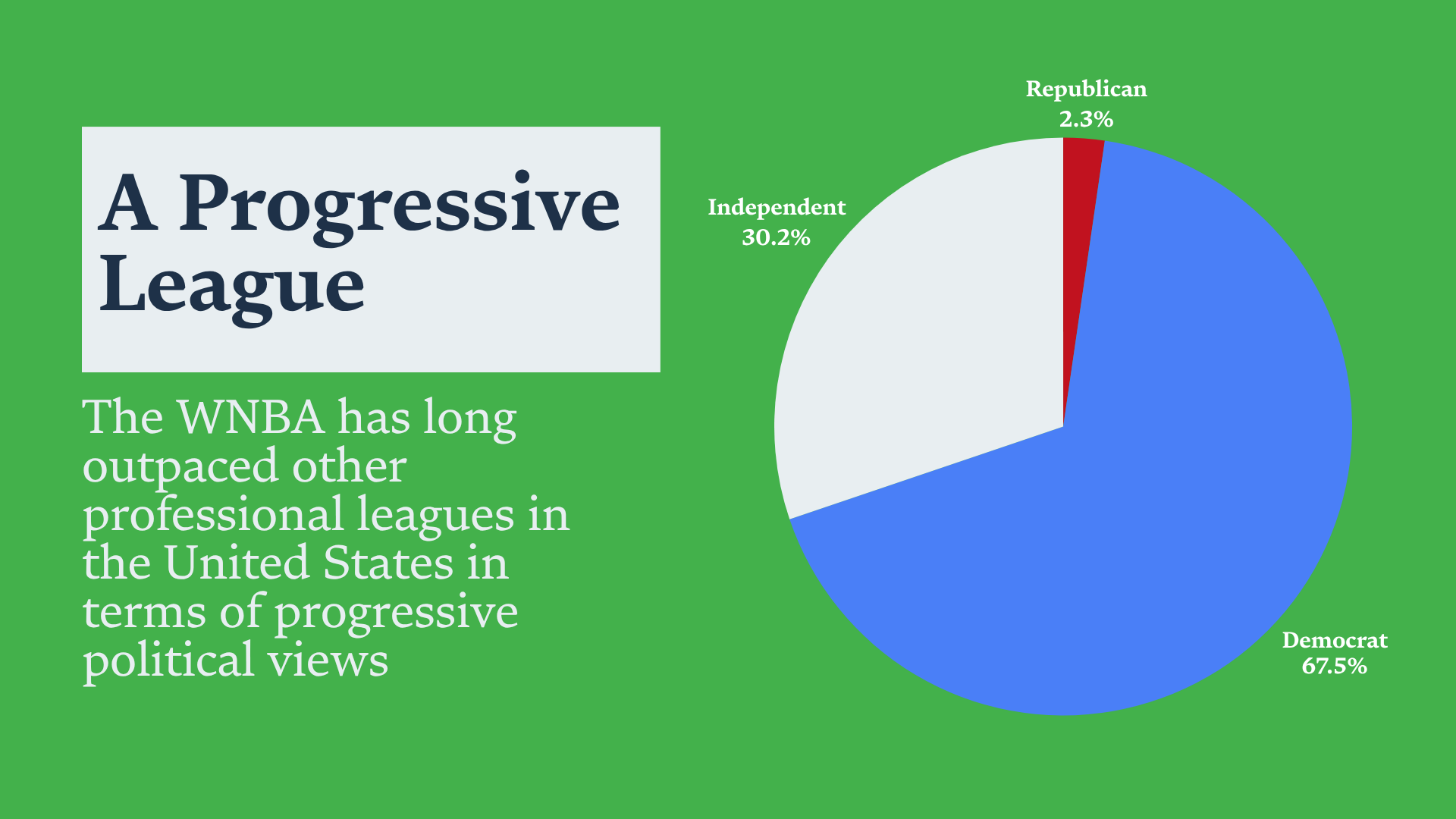
The WNBA has long been the most progressive league in the United States, and the gap has only widened in recent years. Over 67% of WNBA players identify as Democrats, a massive 25% more than the closest major league, the NBA, that has 42% of its player pool identifying as Democrats. Republican identification of leagues paints an even more drastic picture, with only 2.3% of WNBA players identifying as Republican—by far the lowest of the leagues polled. Considering the values of each party in 2026 and the composition of the WNBA makes this unsurprising.
The WNBA is over 80% Black, and by far the most LGBTQIA+ representation of any league in the United States with 52 players identifying as gay in the 2026 season—accounting for 25% of the player population. Considering that those two groups, Black women and the LGBTQIA+ community, have been the targets of the Republican party in the MAGA era, it’s no surprise that so much of the league leans one way politically.
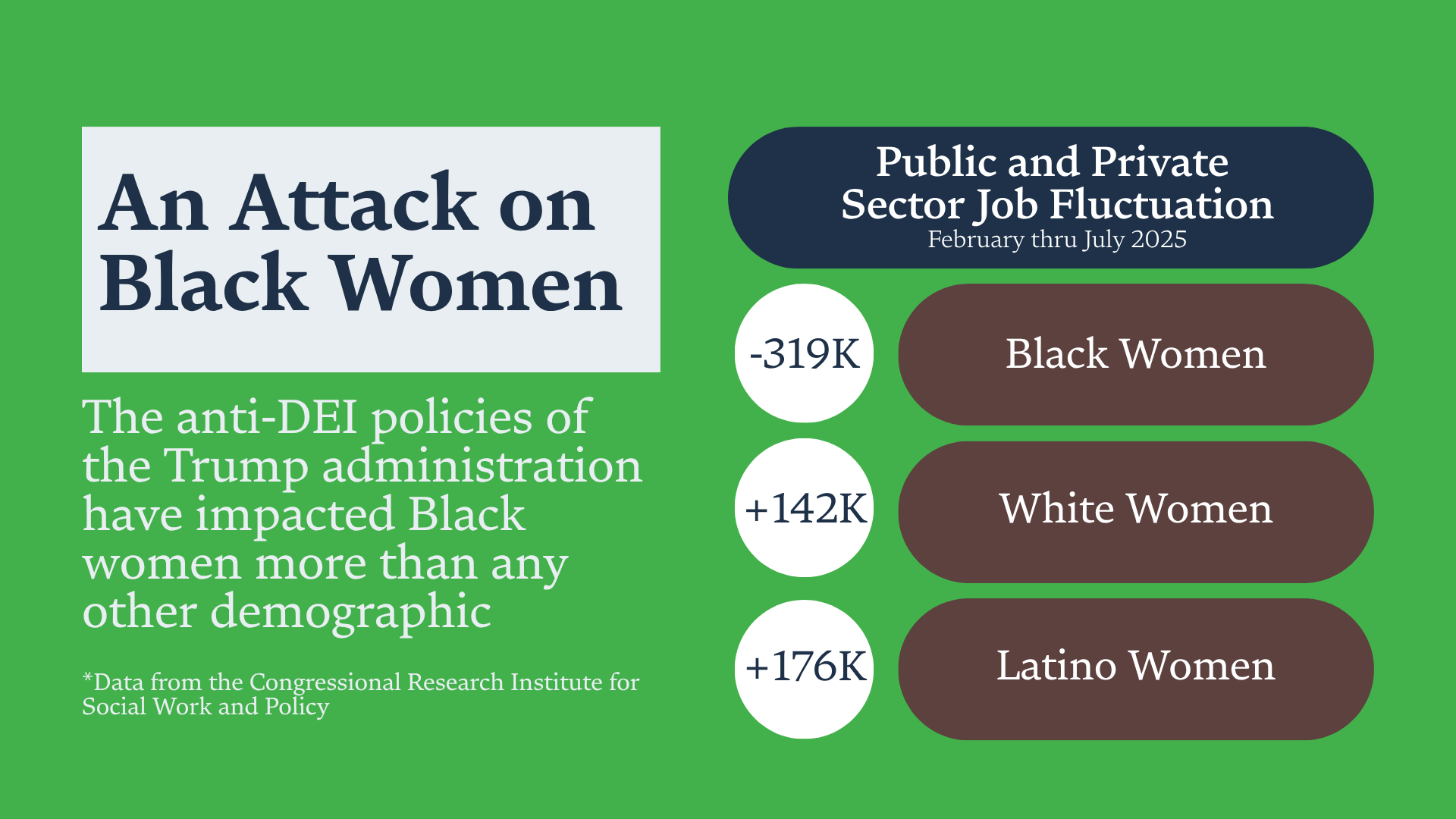
The Trump administration has actively dismantled Civil Rights enforcement mechanisms, redistricted voter districts that are Black dominant, and rolled back DEI (diversity, equity, and inclusion) policies—a direct attack on Black women. The administration has also been incredibly hostile to the LGBTQIA+ community by blocking gender affirming care and added protections to medical professionals who refuse to serve LGBTQIA+ patients.
That political context is important to understand, because while all sports leagues are heavily filled with minority players, it can be argued that with the mix that the WNBA has, it contains the most. It’s often said, but the WNBA is a league that was built on the backs of Black women, and despite that they are so often overlooked. The idea of the “White savior” has long existed across all sports. Larry Bird was positioned that way in the 80s in the NBA, as were Peyton Manning and Tom Brady in the NFL in the 2000s as Black quarterbacks started to become more common. It should be no surprise then that in an ascendent WNBA, so many clamored to similarly anoint Caitlin Clark similarly.
In the current political state of the United States, there has been an increase in the platforming of racist and anti-Black viewpoints, and it has permeated all aspects of digital life. X has become a platform for White supremacist and racist rhetoric, run by Elon Musk—who has descended into a more White nationalist viewpoint. Meta has repeatedly allowed hate speech on their platform, often ignoring reported accounts. The winds of politics have directly influenced these platforms, and it has empowered bad actors to say the worst possible things on social media without recourse.
This rhetoric has latched on to the WNBA like a disease and impacted the way the league is discussed online. Because of the animosity towards women (especially Black women) and members of the LGBTQIA+ community, WNBA players have become an easy target. The people that are making these comments, with their ideology, likely also are predisposed to buying into trad wife content and have certain opinions of how women should act and how they should look. The result is an elevation of someone that looks like Caitlin Clark and Sophie Cunningham, while disparaging the leagues Black players.
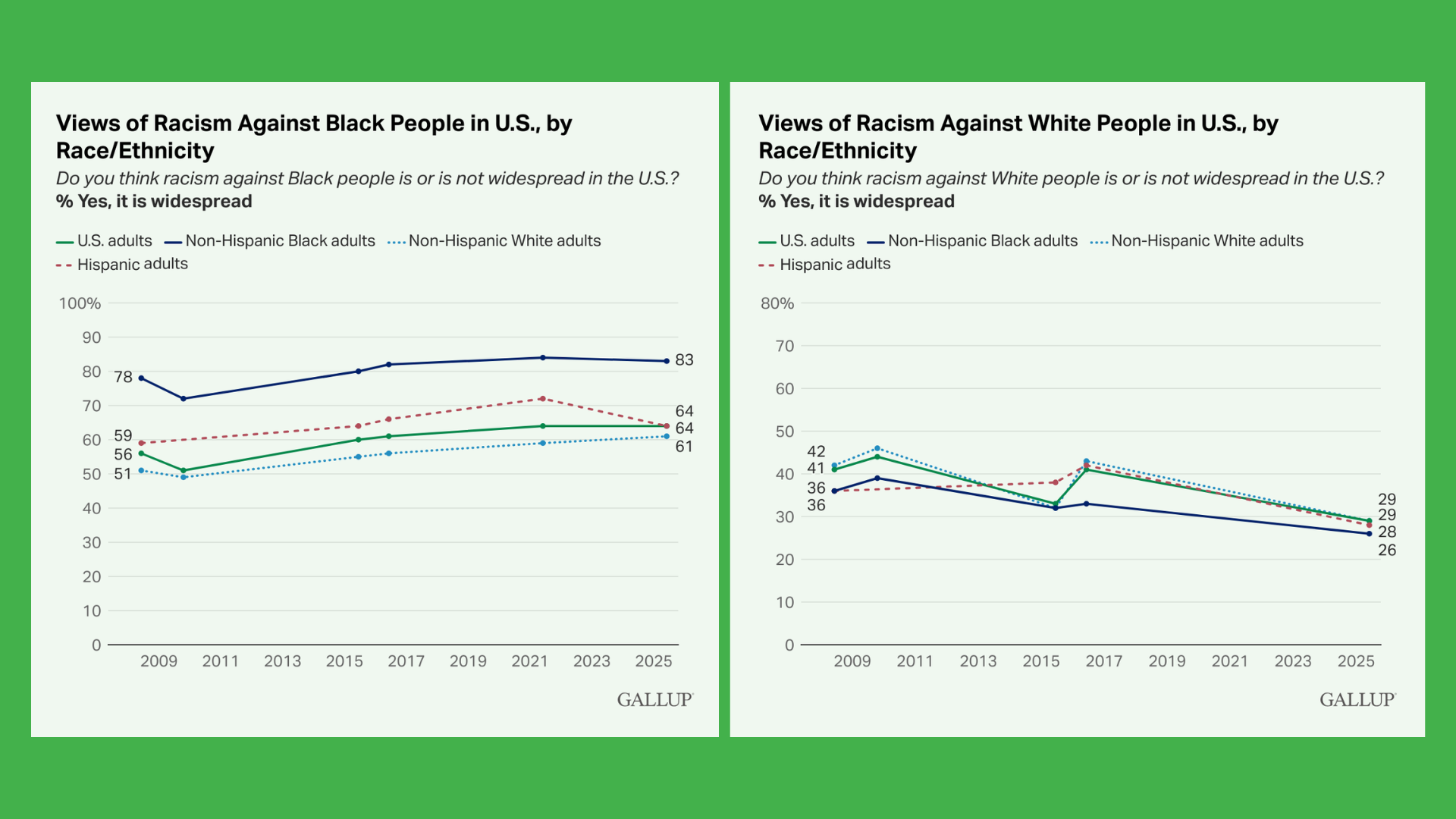
This behavior is reflective of a growing sentiment of racism being on the rise in the United States. According to a Gallup poll, 83% of Black adults feel that racism against Black people is a widespread issue—an increase from 72% in 2009. Even among many White people that number increased from 49% to 61% in the same time span. Meanwhile, perceived racism against White people has gone in the opposite direction. In 2009, 41% of US adults believed that it was widespread, that number has dropped to 29% today. So despite many online claiming that White people are persecuted for being White, the numbers indicate otherwise.
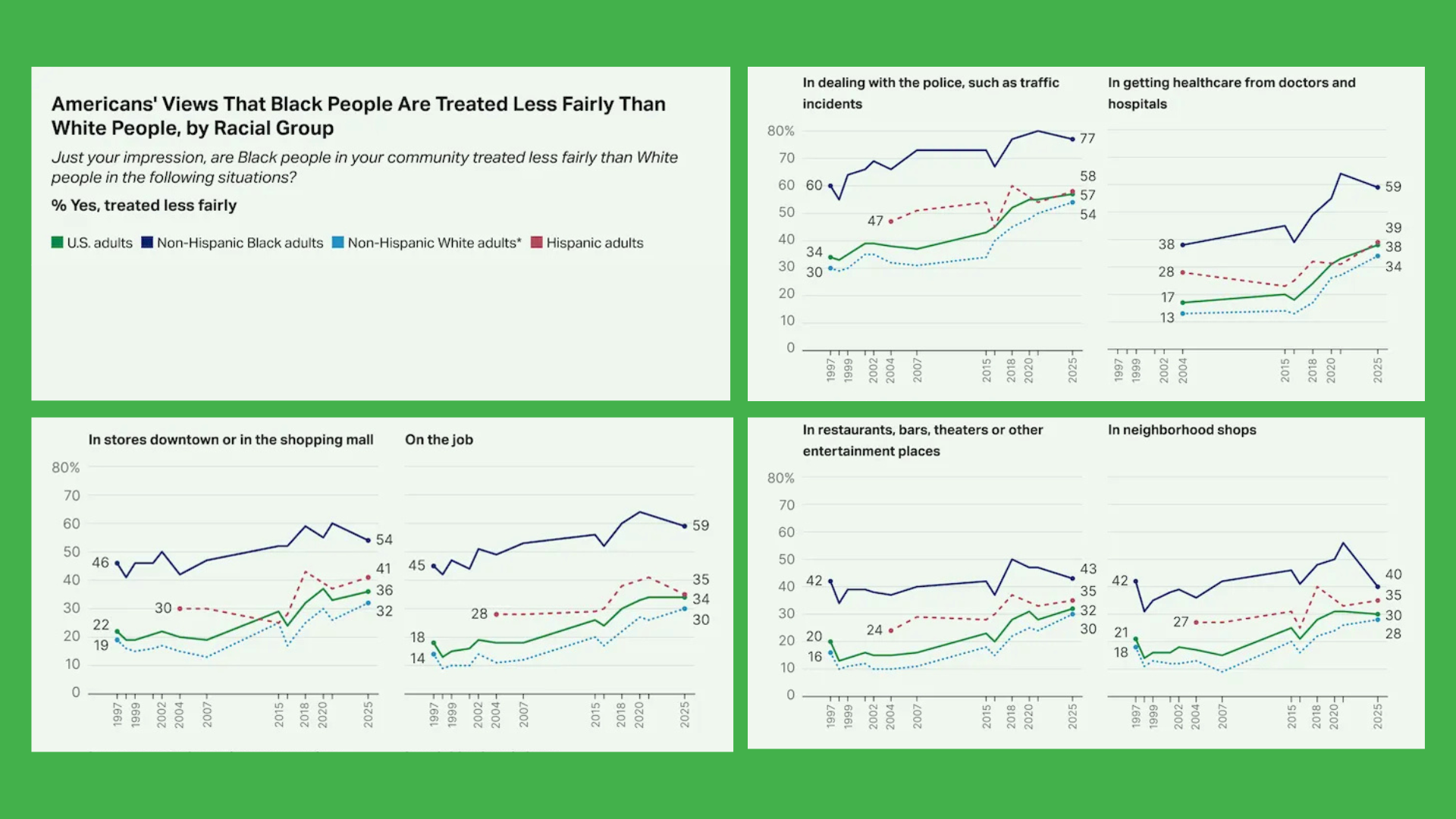
The study went on to cite other metrics besides the blanket term of experiencing racism. Among US adults, feelings that Black people face bias from police officers, hospitals, at work, and while shopping are all on a steep rise. The morale of Black people in America has taken a downturn as a result. In 1995, 76% of Black adults felt that there was progress being made in the fight for civil rights. In June 2025, that number has cratered to 53% and all indications are that it will continue to decrease. The issue is that their White counterparts do not seem to want the same thing. In 2020, 53% of White adults expressed a desire to see more laws passed to address civil rights. Today, that number has dipped to 41%.
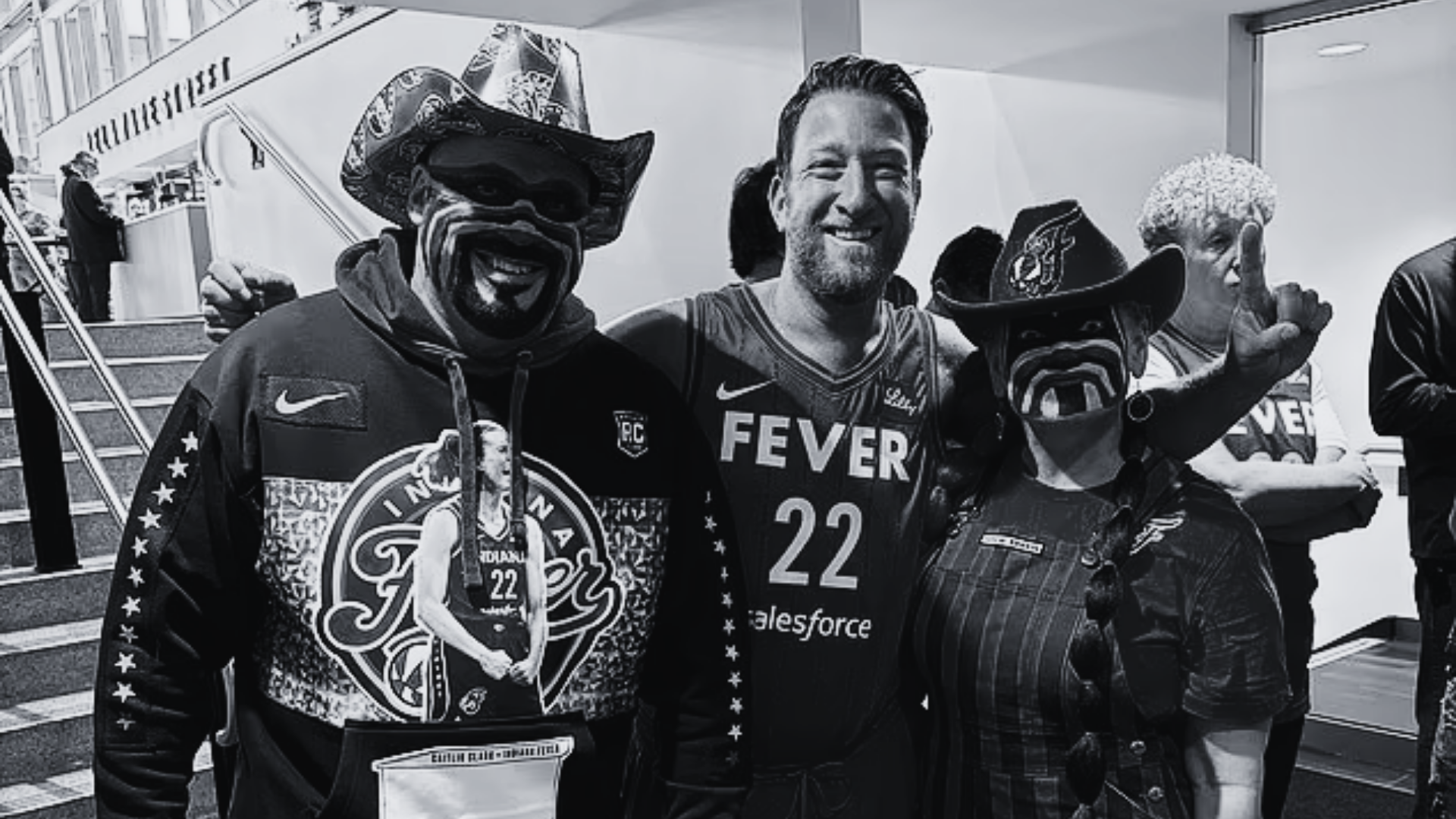
What all of these numbers tell us is that racism is back on the rise in America, and many White people are continuously empowered to think that it is an overblown issue. That mentality helps to inform the groundswell of support for Caitlin Clark by MAGA White people. In the ideology, diversity is often seen as the enemy, the enemy of power wielded by White people.
You may wonder, why is it that only Caitlin Clark is the one who gets painted as a figure of importance for that part of the American electorate? After all there are many prominent White players in the WNBA like Kelsey Plum, Sabrina Ionescu, and Paige Bueckers. The answer is silence. Plum, Ionescu, and Bueckers have all made statements in support of their Black peers throughout their careers. Clark has often taken the silent approach or at the very least the diplomatic approach aimed at pleasing both sides of the spectrum. By not being specific, there is ambiguity that allows her legions of fans to claim deniability.
Clark, because of this approach, has come to be a sort of metaphor for anti-Black sentiment. Many of her defenders and advocates have ignored any of her shortcomings as a basketball player but have instead defaulted to notions that other players are jealous of her and that she is being bullied. This situation is exacerbated by the way the media has handled the Clark story at times. There have been calls for people to appreciate the fact that Clark brought in new viewers and helped accelerate the league’s popularity.
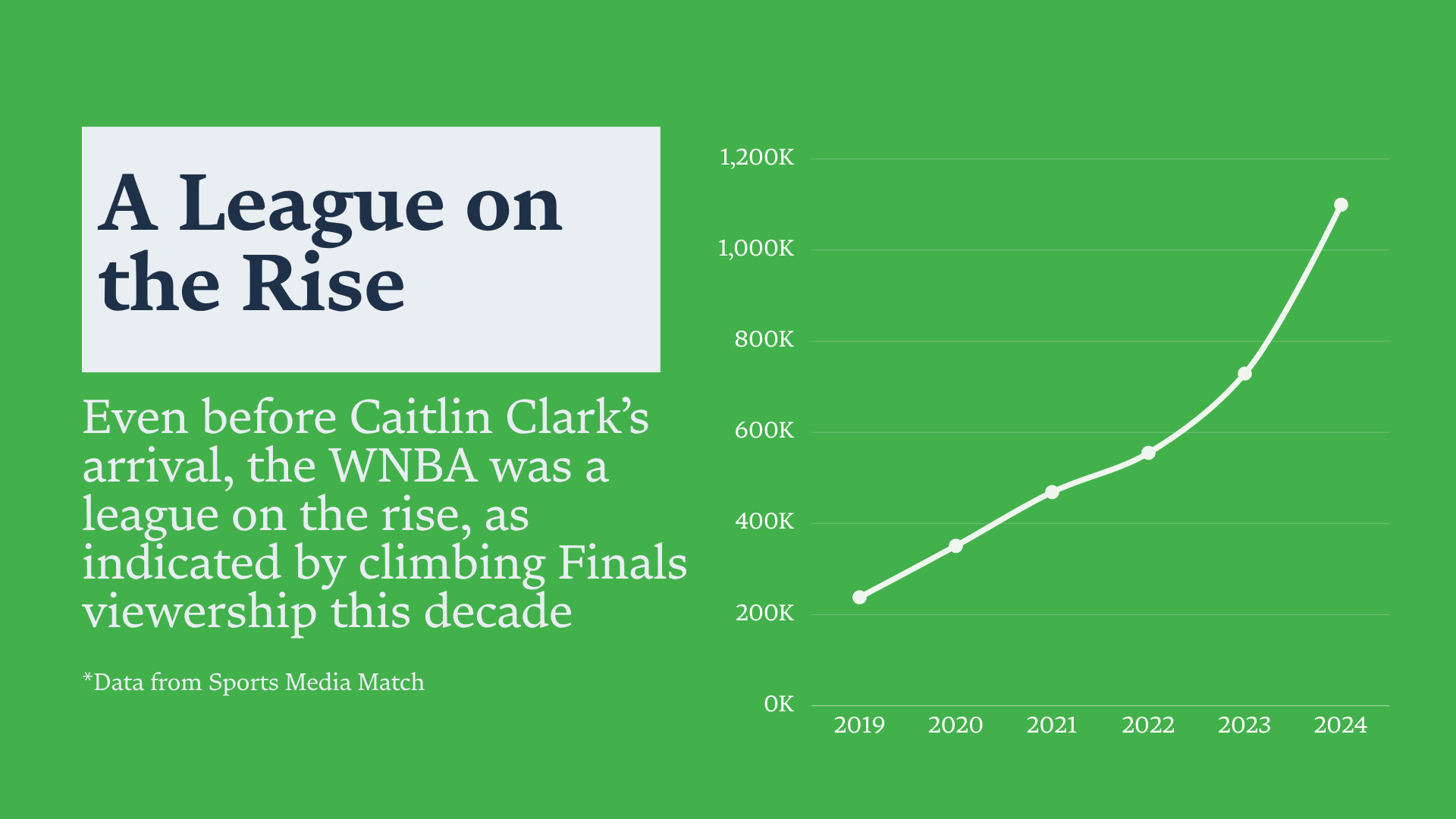
The issue is that the league was on an upward trajectory before Clark, and viewership numbers continued to climb last season even when she missed time with injury. Clark, due to her unwillingness to discredit the talking point, has become a representation of the racial divide in this country. Alyssa Thomas’ frustration and treatment has become a similar representation to the plight of Black women in this country in 2026 as a result.
During Donald Trump’s purge of DEI initiatives, the first people that were affected were Black women. Countless public servants lost their jobs, even if they weren’t hired as a result of DEI practices. Part of this might be Trump lashing out at Black women for overwhelmingly voting against him in the 2020 and 2024 elections—receiving 5% and 10% of their vote, respectively. Trump’s “Big Beautiful Bill” also defunded Planned Parenthood, which took healthcare access away from many Black women. While it may sound extreme to say that Trump has waged a war on Black women, his actions indicate that it’s true.
With all of this swirling around Black women in America today, they have been made to be an enemy. And an increasingly angry portion of White America has decided to do something about it. The rhetoric and trends are incredibly dangerous and a reflection of a fractured country. Many will try to wave this off as internet trolling. That diminishes the threat. Maya Angelou once said, “when someone shows you who they are, believe them the first time”. Black women in this country have increasingly been shown that they are targets for racist vitriol, whether in the WNBA or elsewhere.