The WNBA & the Toxic Timeline

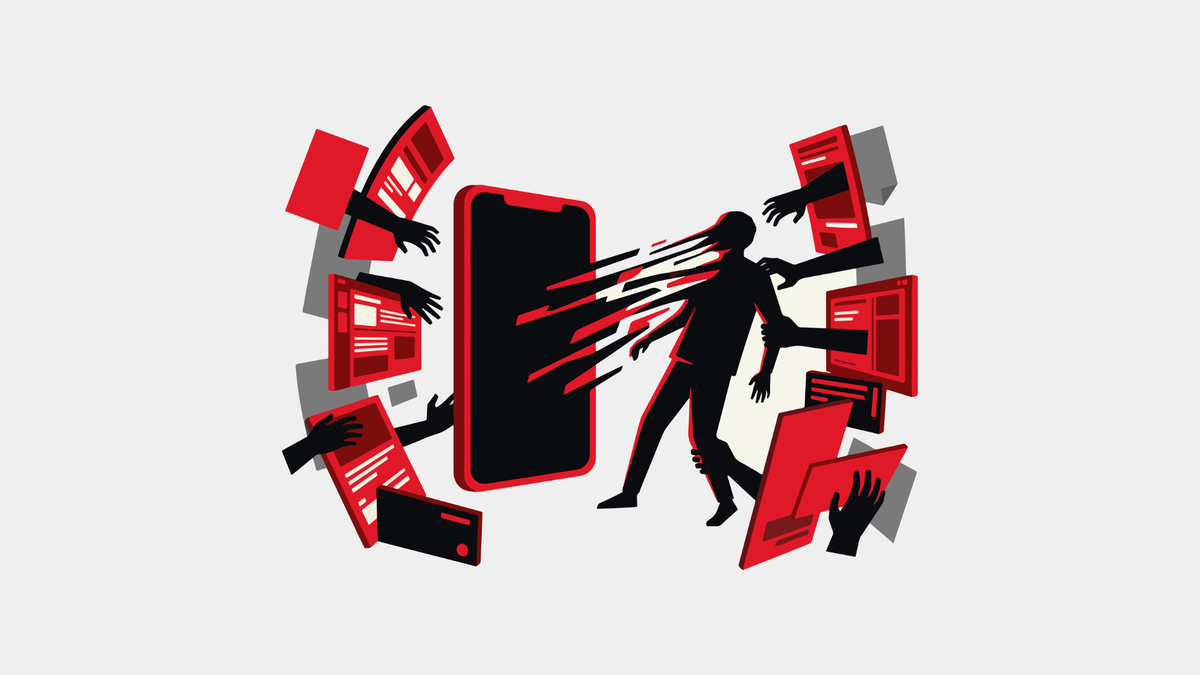
The league insists that the discourse around it is contained online, flagrantly ignoring the reality of algorithmic radicalization and its real-life effects
Shortly after Caitlin Clark and Angel Reese entered the WNBA and helped usher in a new wave of popularity, a thought crossed my mind. As so many new fans came aboard to watch professional women’s basketball, would the league be able to withstand the incoming “NBA Twitter-ification" of the product? The NBA, after all, had embraced social media, and all the toxicity that can come with it, and it was time to see what would happen as those same users came to the WNBA.
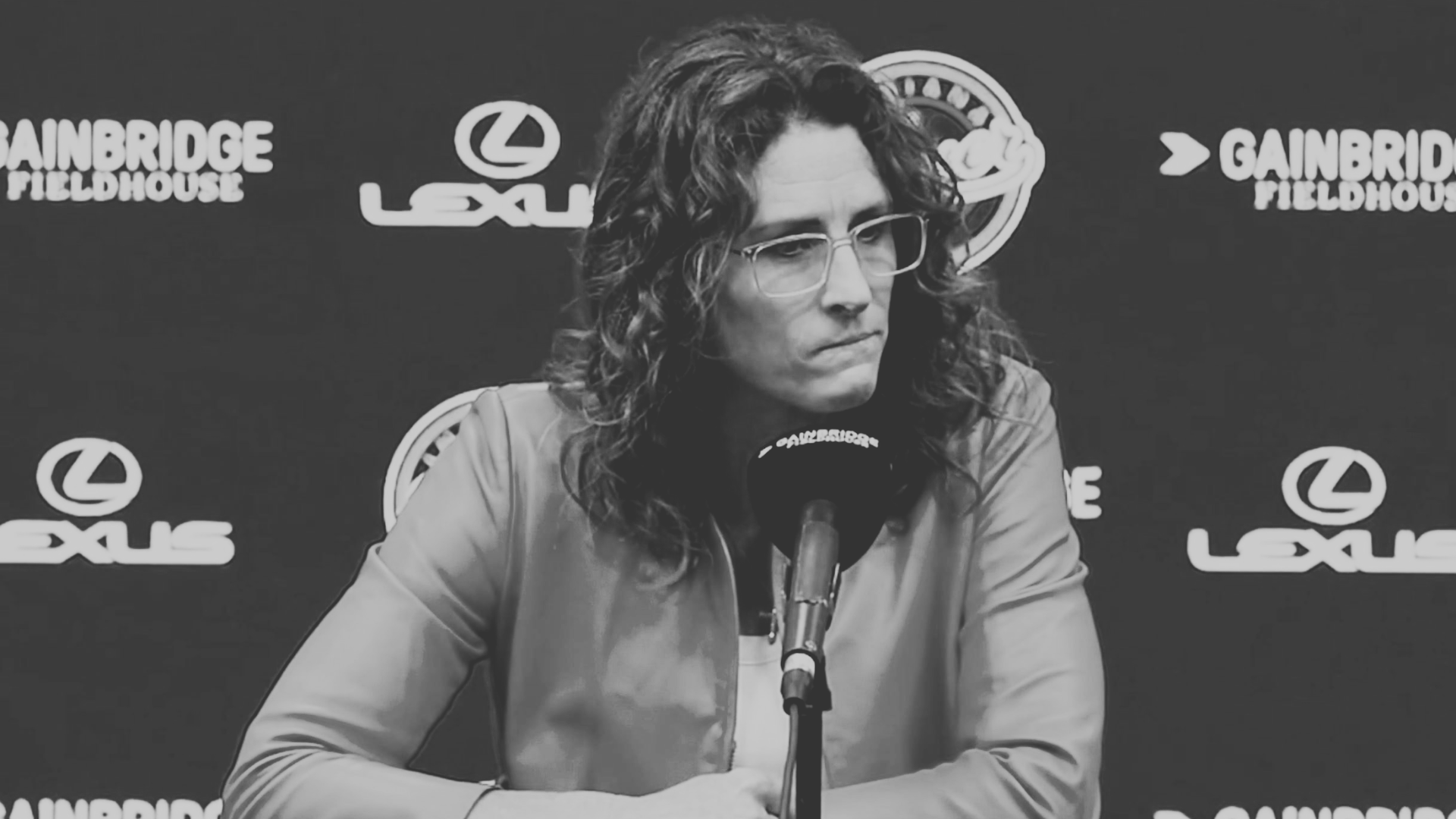
If this season is any indication, the answer to that question is: badly. Players like Alyssa Thomas and Courtney Williams have reported receiving death threats, former NBA cast-offs Enes Freedom and Royce White have sparked culture wars by “declaring” for the WNBA Draft while mocking trans women, and Sophie Cunningham has become a lightning rod figure of the political right. Many in the league, such as Indiana Fever coach Stephanie White, have written off the discourse in the league as the work of online trolls.
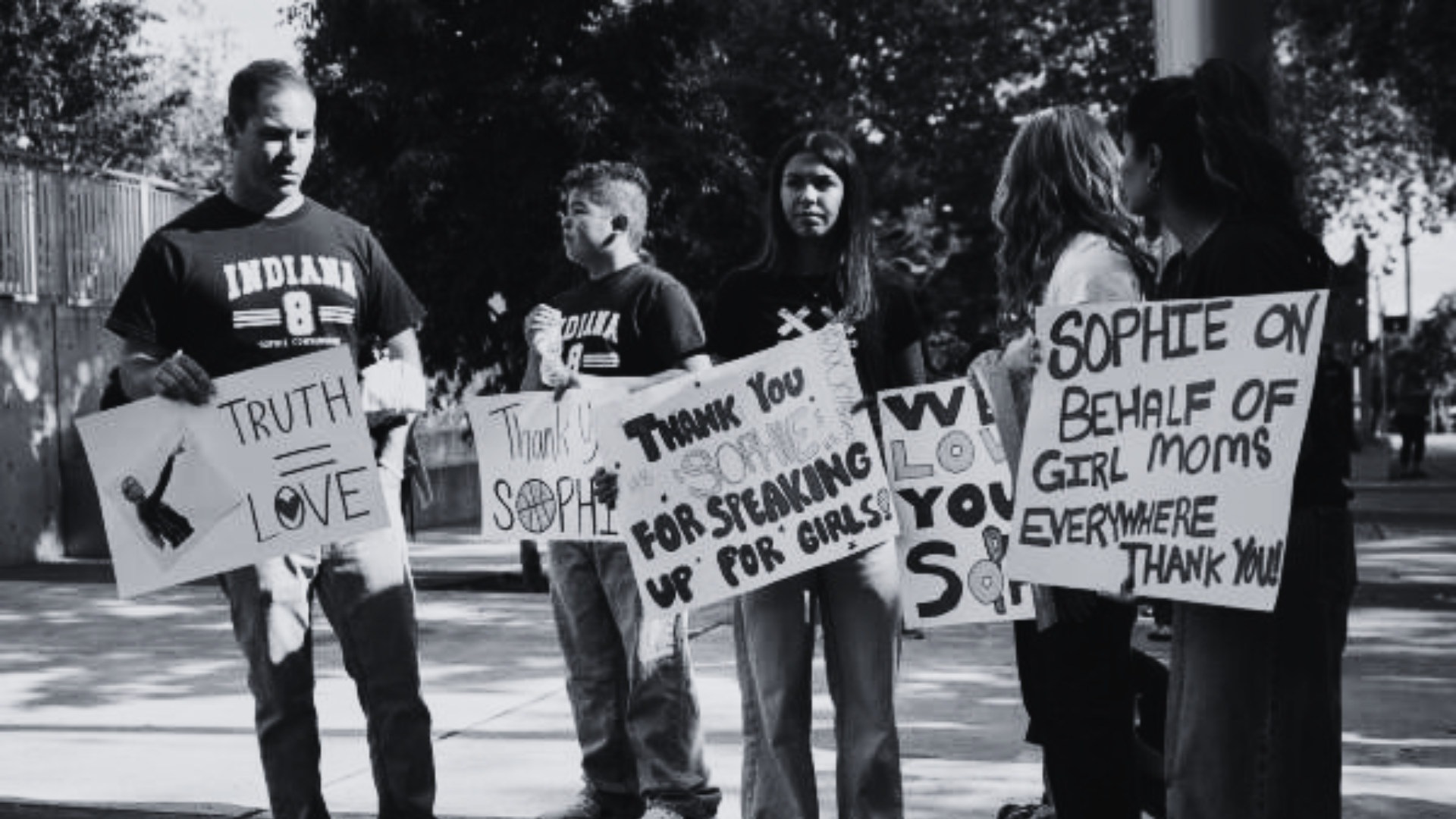
But this is underselling the issue entirely. Anti-trans activists have engaged in a touring protest with the support of Sophie Cunningham and her alliance with prominent right wing figure Riley Gaines. Fans have been thrown out of games and even gotten into a verbal altercation with one of the owners of the Seattle Storm. This year in the WNBA is a reminder of how divided the country is and that social media mechanics have emboldened many to outwardly display their vitriol.
In the late 2000s, I worked at a family-owned Italian restaurant. The restaurant business has a way of attracting an eclectic group of people, and the place I worked at was no different. We had a few people working in the kitchen that would likely be considered on the political fringe today. They would often get comfortable enough to share a bigoted opinion, which would promptly be corrected, and they thought twice about saying that sort of thing again.
That sort of person, who was once mocked for a contrarian and largely backwards opinion, has found community in the age of social media. There was a time when social media was marketed as a connection tool, to find people that you knew and keep up with their lives. This was what drew me to apps like Facebook and Instagram initially, as I had moved around a lot and they provided a way to stay connected.
But eventually, to maximize time on site, those networks changed their focus. Instead of a chronological feed, users now had an algorithmic one. This tapped into your interests and served you content related to them. The positive of this model is that it’s great for targeted advertising, and many influencers have leveraged it to build their own brands. The negative is that people increasingly became entrenched in their belief systems and are no longer willing to engage in good faith arguments with those possessing differing opinions.
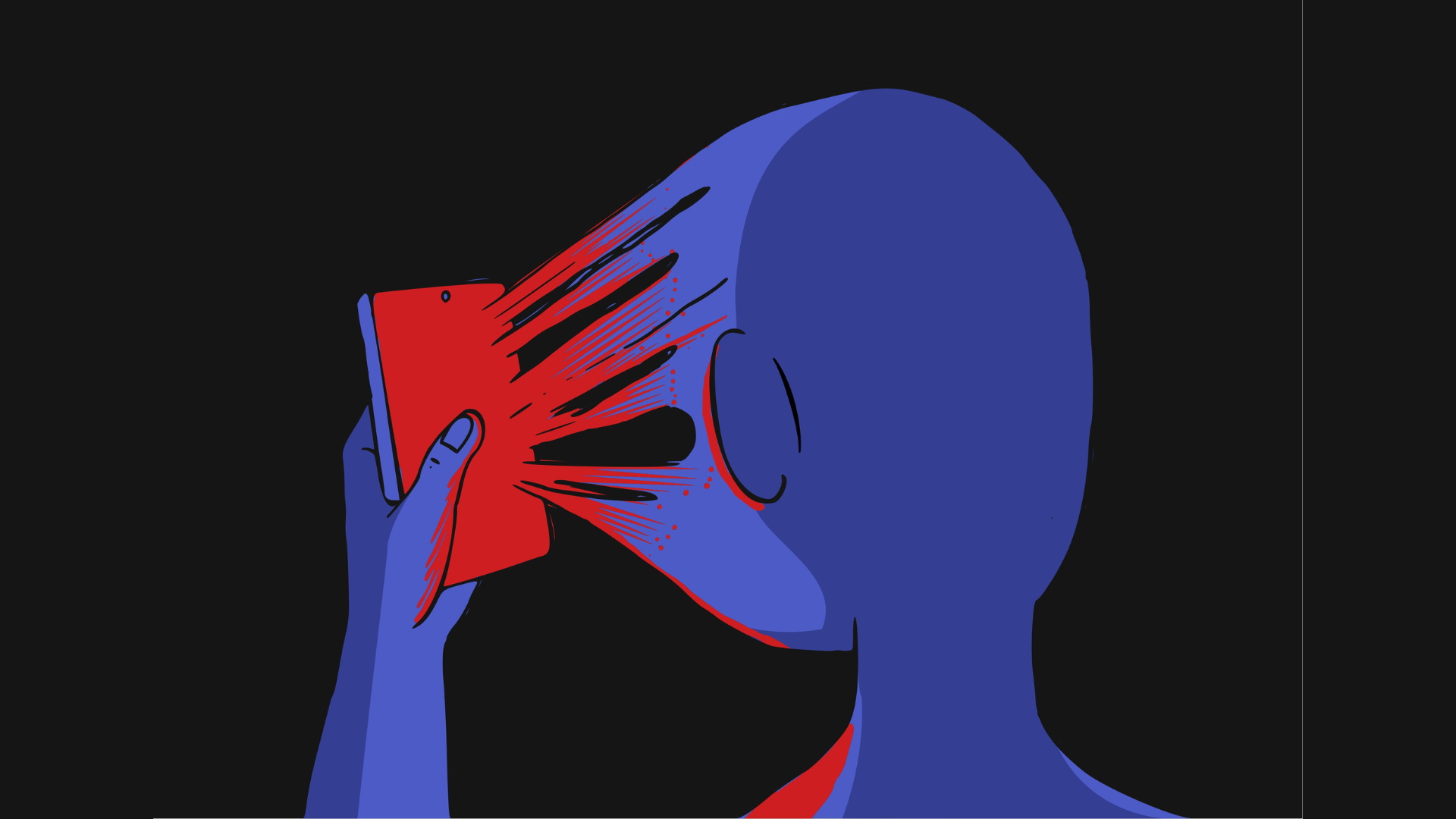
Social media is often called an echo chamber, that your presence on there will only expose you to like-minded voices. If you hold an anti-vaccine stance for example, chances are that your feed will surface many who feel the same way. This applies to sports fandom, music tastes, and any other interest you may hold.
The goal of companies like Meta and X is to maximize your time on their platform to show you more advertisements. Even if they show you something that contradicts your belief system, it’s very likely that the top comments you are shown are of like-minded people mocking the original post, increasing your time on the app.
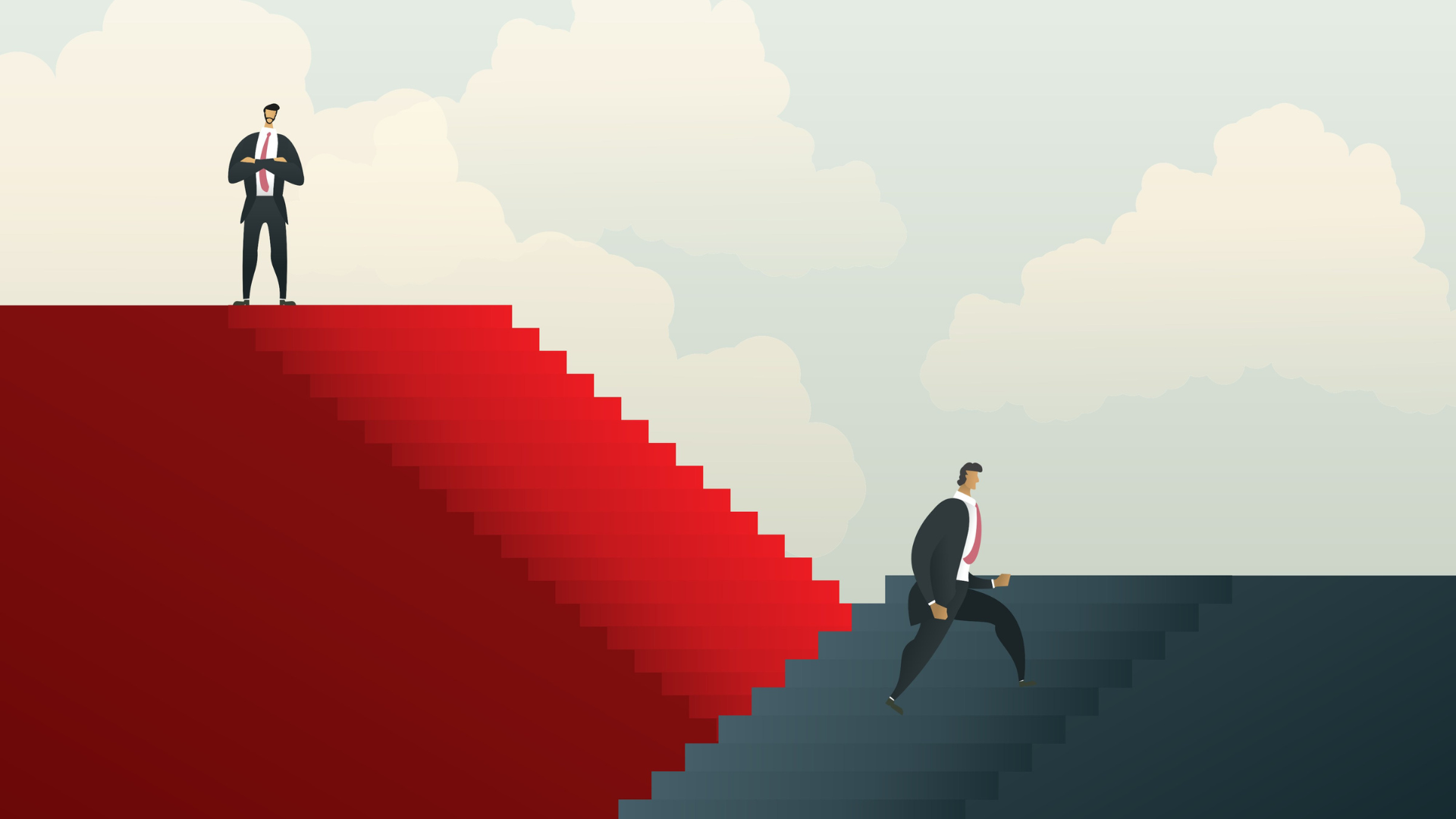
On one hand this helps to cultivate community, to show you like-minded individuals that you can follow and connect with. On the other hand, it turns anyone with a different belief system into a boogeyman. During the 2020 election cycle, 89% of Trump voters were convinced that Biden would ruin the country if elected, and 90% of Biden voters felt the country would also be ruined if Trump was elected. This sort of polarization has become the norm and can be attributed in part to the proliferation of social media echo chambers.
In recent years, this divide has widened. Many left-leaning people have left X (formerly Twitter) because it became very right-leaning thanks to the personal politics of CEO Elon Musk. Similarly, BlueSky became a viable option for many left-leaning internet users that wanted to escape X. As a result, both platforms became viewed as echo chambers.
When it comes to the WNBA, it has become a reflex for people in the league to simply write off the hatred that players have received and the commentary in the leagues orbit as online trolling. It lends itself to the idea that social media is not real life, and that out in the world people have decency. It's an incredibly optimistic way to view things. It's also a foolish one.
Globally, users spend two hours and twenty minutes daily on social media apps. Platforms like TikTok, X, BlueSky, and Instagram account for 35.8% of daily online activity. We all have smartphones is our pockets, and a third of the time we use them it’s to doom scroll on a social app.
Social media usage in many ways has replaced traditional third spaces where people hang out because everywhere else requires money to get in. If someone were to spend 12% of their waking hours on a platform that feeds them ideas, chances are their belief system and worldview are impacted.
If someone who leans towards the political right spends a few hours a day on Facebook and X, chances are that they will see posts that reiterate their viewpoint. What once was a passing thought has now become an ideology. Seeing all the comments agreeing with the sentiment becomes further emboldening and the thought germinates into a commonsense assumption, and any thought to the contrary is viewed as derangement.
The WNBA is an incredibly progressive league that has been built by Black women who have a long history of leaning towards progressive causes. It is the most LGBTQ-friendly league to both fans and players. In a hyper politically charged social internet, the WNBA is the prime target for ridicule and diminishment.
Many of the tenants of the MAGA movement and modern American conservatism are rooted in the restoration of White power mechanisms and the curtailing of the feminist movement. In a recent Heritage Foundation essay, Scott Yenor argued that Title IX was a failure and advocated for replacing competitive women’s sports with activities that are more aligned with “female interests” like yoga and cheerleading.
When we consider that the leading conservative think tank is advocating for discontinuing women’s team sports like basketball at the collegiate level in addition to the massive pullbacks on DEI initiatives by the federal government, it’s easy to draw the conclusion that the conservative movement in this country hates the mere idea of the WNBA.
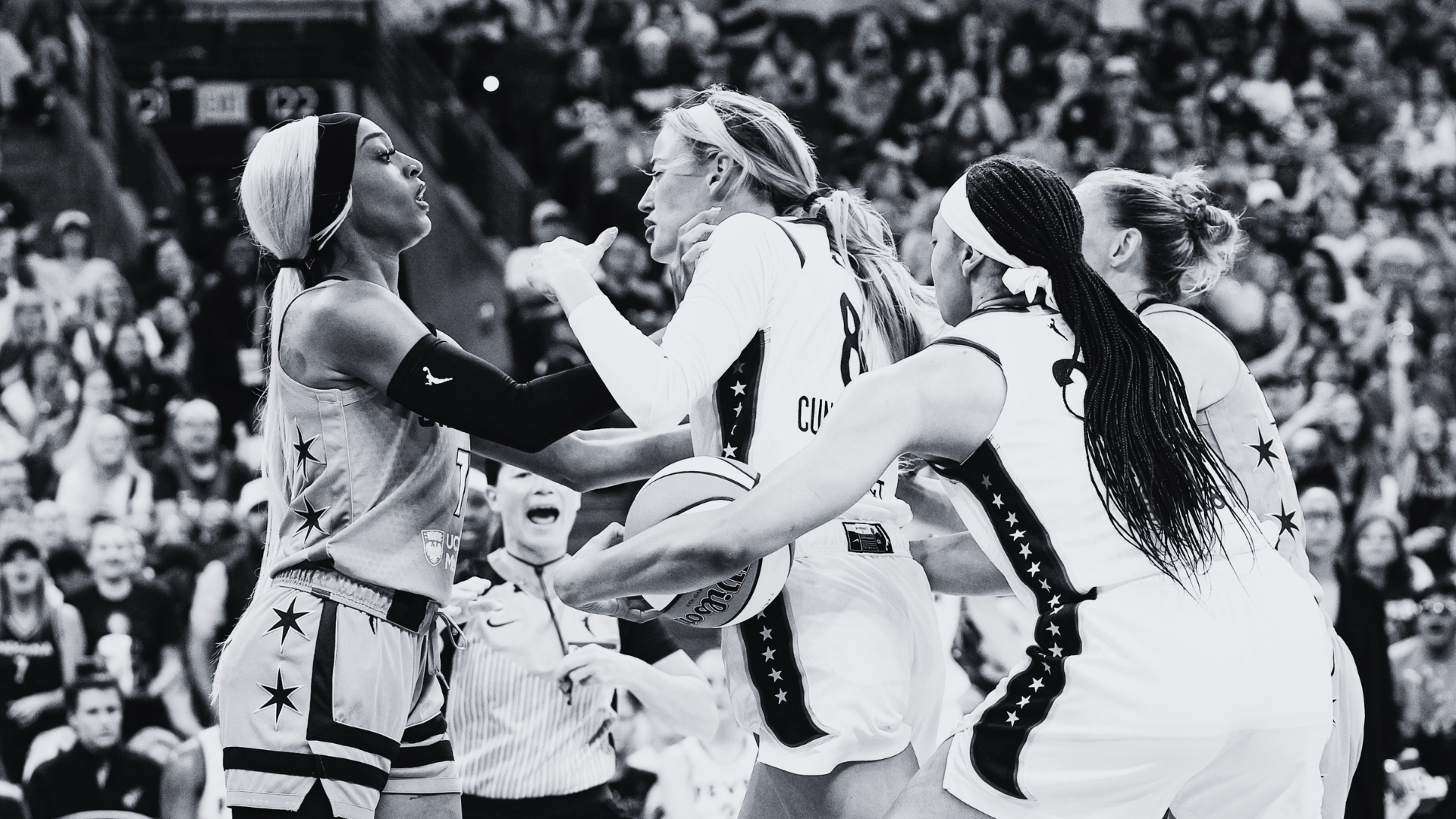
When those with a conservative viewpoint see a hard foul from DiJonai Carrington on Sophie Cunningham, they see a brutal attack from a Black woman onto their newly appointed White hero. The initial racist thought they had becomes amplified by their political echo chamber on social media and a firestorm is created.
To suggest that social media is completely divorced from reality at this point ignores the ubiquity of the services for so many people. Careers have been launched from this tool and increasingly it has become the primary news source for countless Americans. The friction in the WNBA is a reminder of just how real online discourse can be once it’s in the stands and harassing players.
The league's willingness to remain obtuse about the divide that has been created this season is itself a form of inaction. Officials may know the abuse exists but acknowledging it is different from building a real response to protect the players most affected by it.
In the WNBA we have a representation of the diversity that is possible in this country. Players from a variety of backgrounds with a wide array of identity all can coexist on the court. But the way that players have been targeted online is another reminder that in the social media age, that same beautiful diversity is the target for malice. The WNBA reminds us that we are in a country that has become broken and divided.
That is why the league cannot afford to treat this as just trolling. The ramifications have already moved beyond screens. Social media is no longer fully divorced from real life. If the WNBA wants to protect the culture that makes it so distinct, it must recognize that the threat is not only online but also entering its arenas.