The NBA & the Ten-Minute Quarter


With concerns around soft tissue injuries, attention spans, and player availability, is it time for the league to revisit its quarter length?
In 2023, when baseball introduced the pitch clock, it forced many longtime baseball fans to reckon with the reality that games were simply too long. Many complained about the disregarding of history and the forcing of a digital tool into what is perceived to be a very analog sport. The pitch clock turned out to be wildly successful with baseball becoming more popular in the immediate aftermath. The lesson is that sports must evolve with the times or else they risk becoming out of touch.
The NBA has long been at the forefront of change through enhancements in rules and technology that have defined the league for decades. But in 2026, the NBA faces multiple challenges both on the court and in the stands, which require a rethinking of the structure of the game itself. It's time for the NBA to consider the ten-minute quarter.
The NBA since its inception in 1950 has had games that were 48 minutes in length. In its earliest days, this was done as a sort of strategic advantage. During the 1950s and 1960s, the NBA was less popular than college basketball, making the 48-minute game a value proposition. College, with its two twenty-minute halves, was a national spectacle. Longer games offered the NBA's customers more action per dollar to draw in crowds. The standard stuck, and the NBA, even after surpassing college basketball in popularity decades ago has maintained its 12-minute quarters.
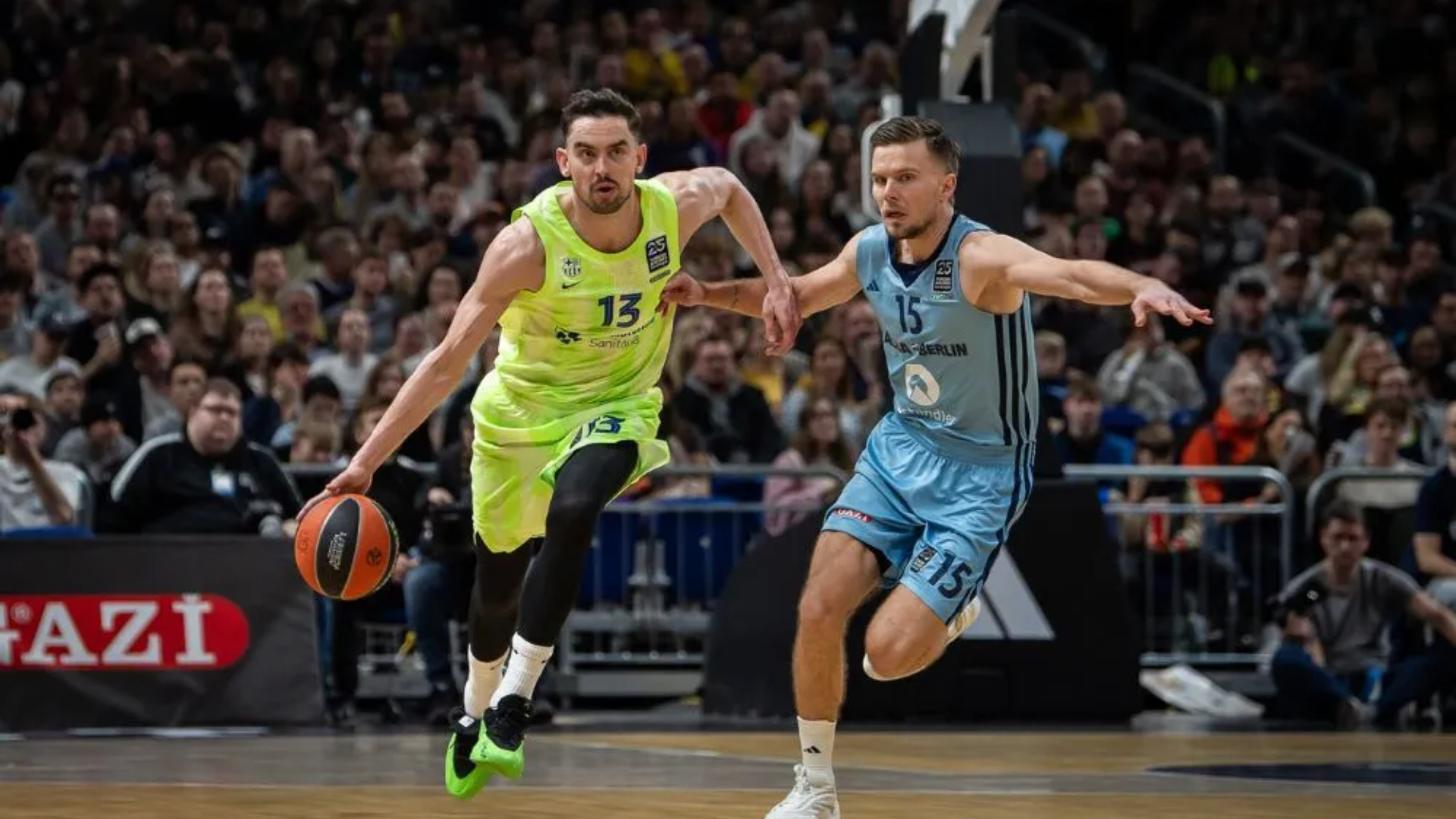
In a strange sense, that philosophy has flipped into a different kind of marketing appeal for the league. The NBA is the only major basketball league that has 12-minute quarters, with most other leagues opting for the FIBA model of ten-minute quarters with leagues in Europe and the WNBA playing ten-minute quarters in order abide by international basketball standards. By maintaining its 12-minute quarter framework, what was once a value play is now a level of competition proposition—a message that the NBA is harder, and thus the most challenging league in the world for a professional basketball player.
It's an interesting quirk when you compare it to other sports. Consider professional soccer as the best counterexample. Regardless of the major league, 90-minute games are the standard across club and international competition. Suggesting that one of those leagues adopt a 105-minute game for instance would be rightly dismissed as farcical, and yet 48 minutes has been so normalized in the NBA, we don't consider its quarter timing as odd at all.
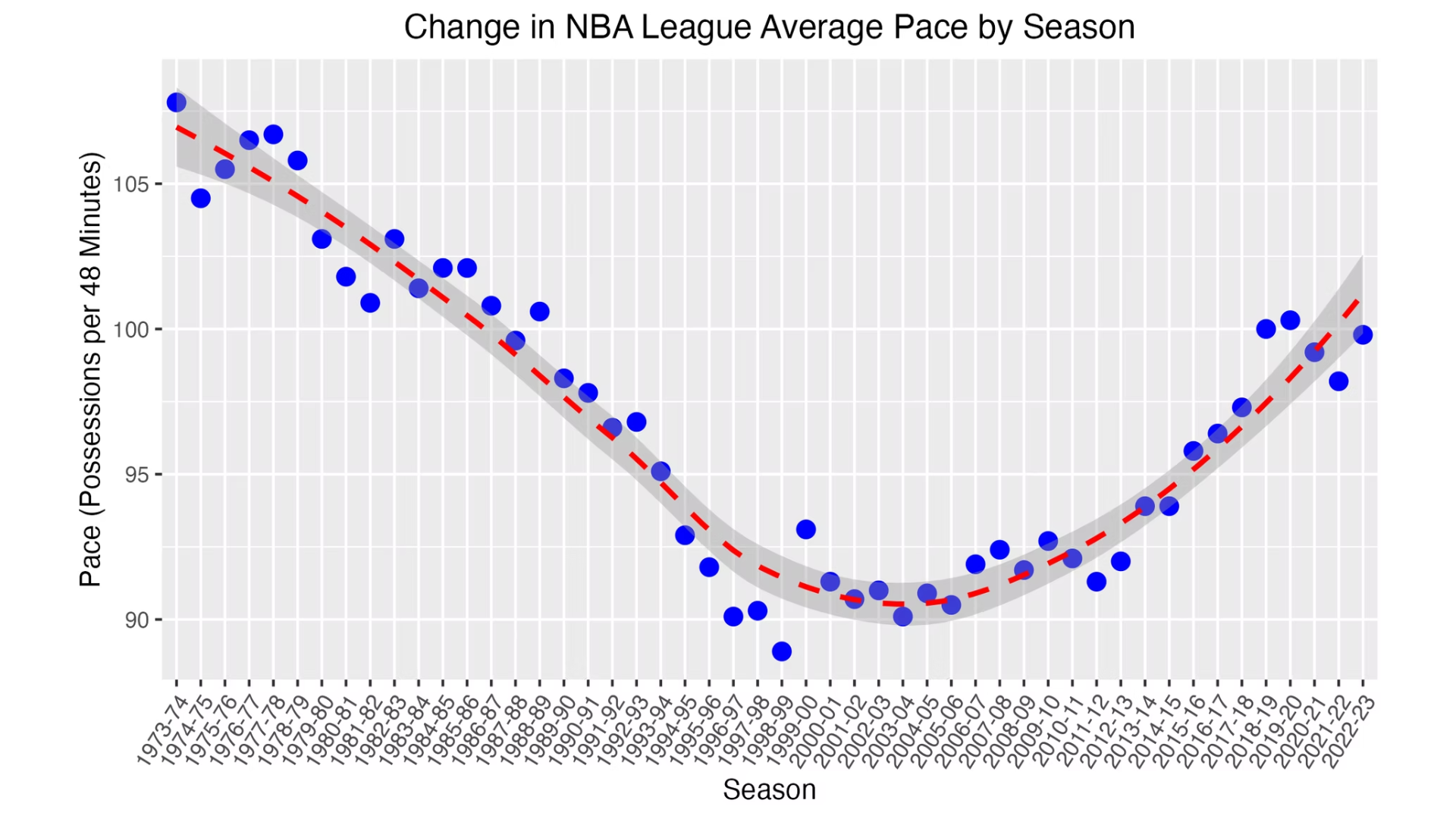
The way basketball is played today is continuing to evolve. After a drastic slowdown in the 1990s, pace numbers have continued to rise with more coaches trying to play faster and faster, and the league has been holding steady at roughly 100 possessions per game per team since 2019. This mirrors the fast paces play of the 1970s and early 80s when league averages for pace were around 103 possessions per team per game. What has changed since then that is often overlooked is just how much running players do in today's NBA.
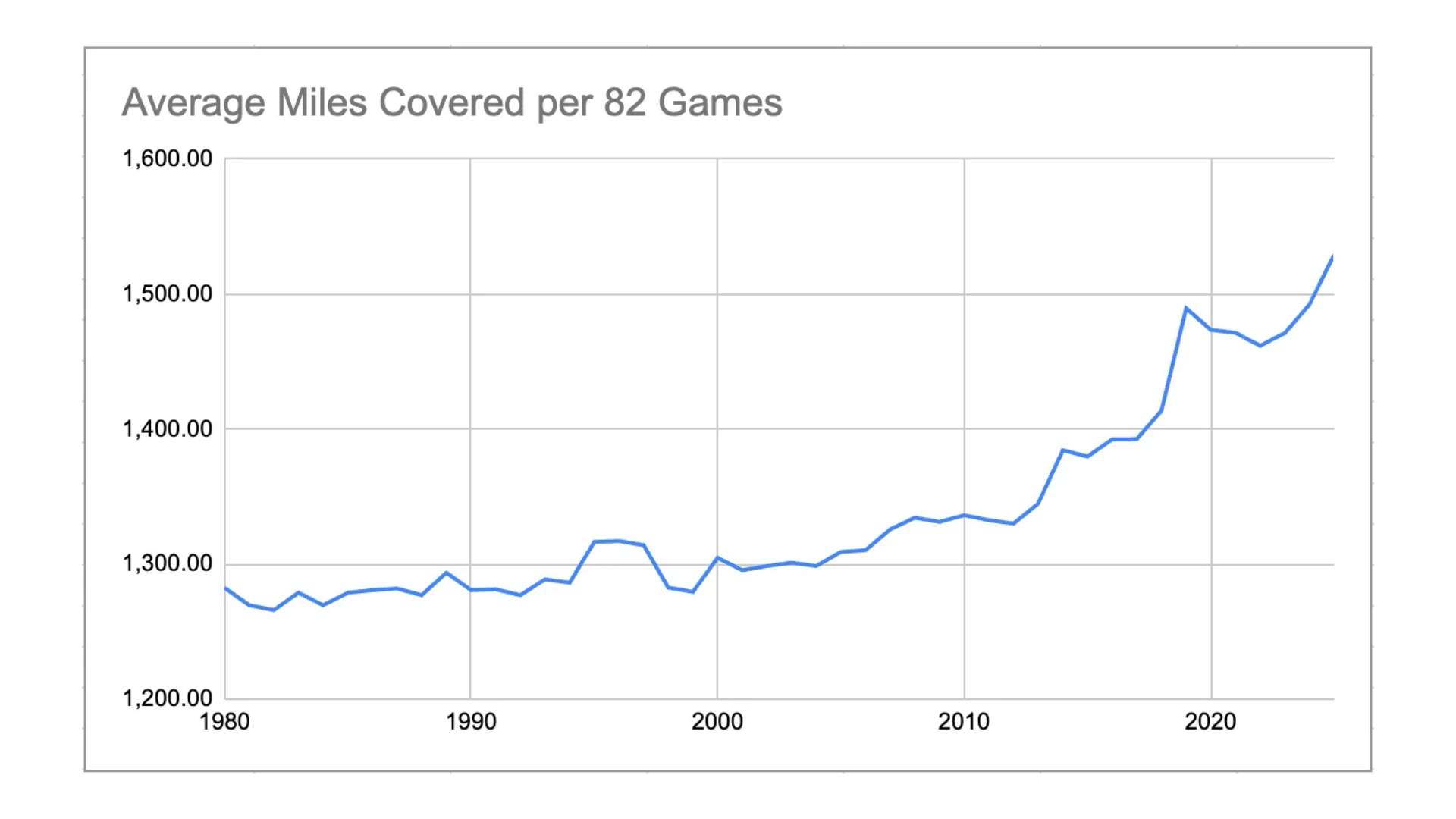
Basketball today is predicated on spacing, player movement, and switching defenses. This tactical shift requires more of players, and as a result they are running much more than they used to. An NBA starter can run as much as three miles per game. Over an 82-game regular season grind and the added physical taxation of playoff games, there is a lot of wear and tear on the legs. Based on forecasting data and NBA advanced tracking, teams in 1980 ran just under 1,300 miles in a regular season. Those numbers continue to increase with teams running over 1,500 miles in a regular season, with all indications being that they will run more in the coming seasons.
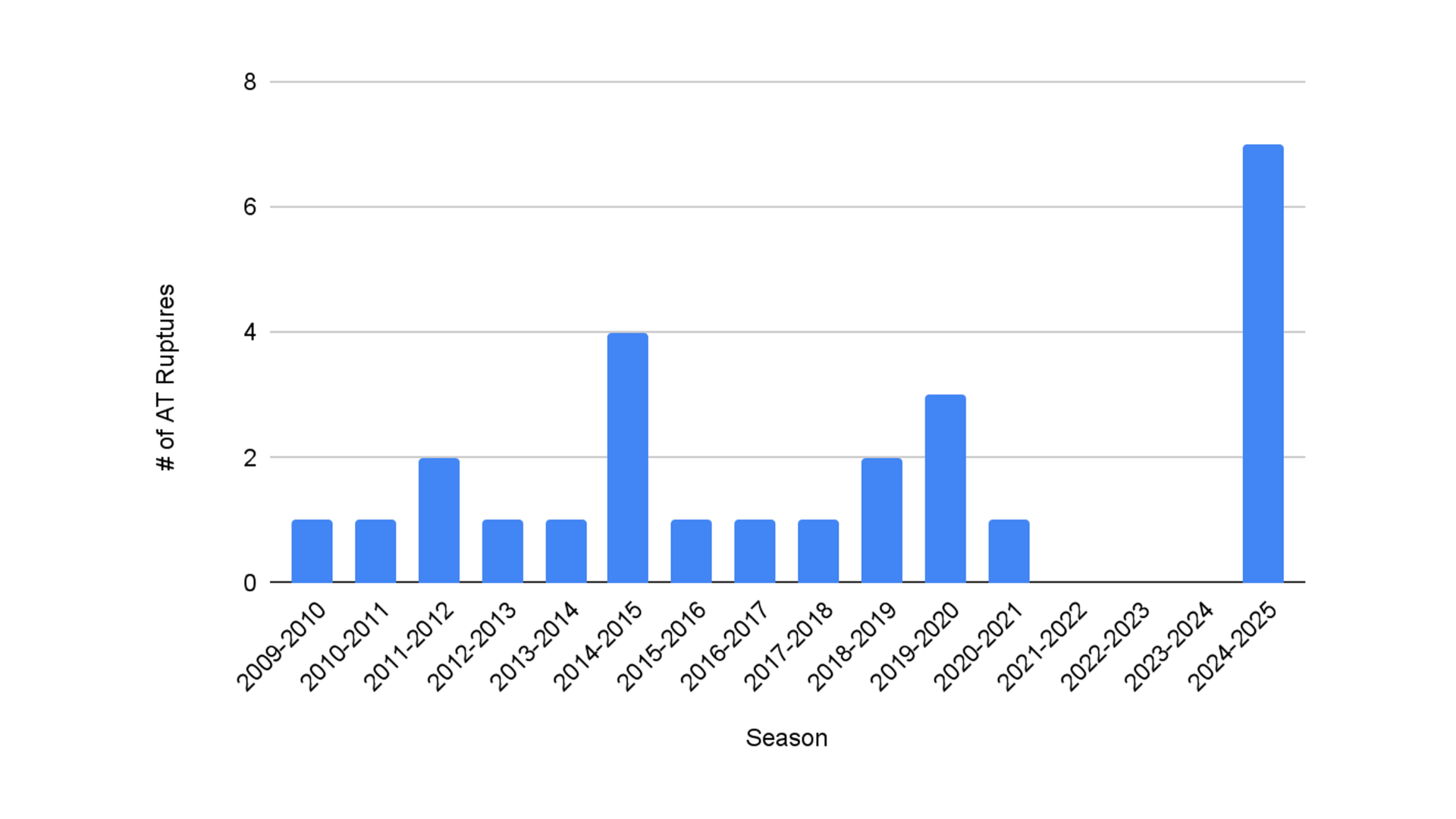
The result has been a more free-flowing version of basketball, but that has come with a cost: the rise of soft tissue injuries. Calf injuries continue to be on the rise, accounting for 25% of all lower leg injuries league-wide, up from 10% a decade ago. In the 2024-25 season, seven players suffered ruptured Achilles tendon injuries, the highest single season total on record. In the 2025-26 season, 13 players missed time due to calf injuries. For context there were only five instances of those injuries occurring from 2010-2024.
For its part, the NBA has vehemently denied any correlation between modern pace of play and soft tissue injuries, chalking it up to unfortunate coincidence. But it is becoming increasingly harder to dispute the toll that all this running does to high usage players. In the 2024-25 season, Tyrese Haliburton played in 73 regular season games where he averaged 33.6 minutes per game. Throughout the year he logged 190.3 miles on the court, the 17th highest in the NBA.
Haliburton was on the court for 70% of the time in games where he was active. If that same rate continued in a 40-minute game, his minutes would have dipped to 28 per game. That reduction of 5.6 minutes per game would have saved him 28.6 miles of running throughout the year—that's 2.4 miles more than running marathon. Haliburton eventually ruptured his Achilles in Game 7 of the NBA Finals and missed the subsequent season. It's fair to wonder if the games were shorter, could it have all been avoided?
Many fans have bemoaned player availability, or lack thereof in the load management era. Yahoo Sports' Tom Haberstroh conducted a study last season and concluded that only 33% of the NBA's nationally televised games featured the full complement of star players. While some of this can be attributed to load management, soft tissue injuries are also a culprit. Less wear and tear by saving 5-7 minutes a night could go a long way to preserve the longevity of NBA players without sacrificing the quality of the product on the court.
What shorter quarters also create is an impact for certain types of role players. Teams often have a couple of players on their team that they label as an "energy guy". This is a player that comes in with maximum intensity for the sole purpose of wreaking havoc. This could be as a shot blocker, rebounder, or ball pressure defender. With fewer possessions in a game as a result of less time, each possession they are in becomes instantly more meaningful. That means that an offensive rebound or a steal that they have increases their value, further enhancing their mythology within a fan base.
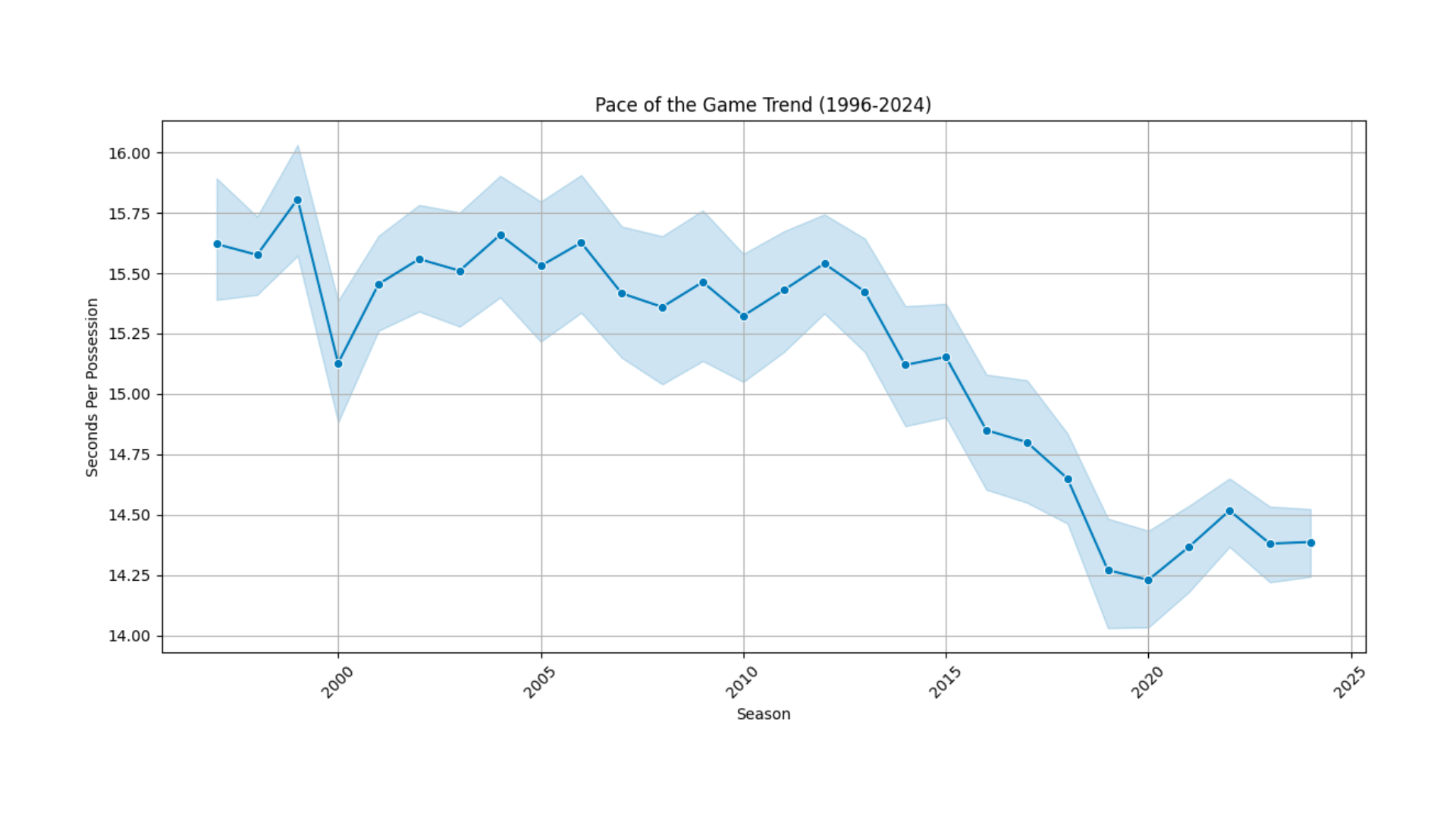
In the 2025-26 season, NBA games averaged 198.6 possessions per game, meaning that every minute played there were 4.1 possessions. In a 40-minute game, that means 164 total possessions, netting in 32 fewer possessions in every game. What that does is create more of a sense of urgency on every possession, allowing for more value to be placed on every shot in the pursuit of winning. Fewer time and possessions inevitably lead to more effort needed on a possession-by-possession basis, which could lead to more intensity throughout the regular season.
What also comes to play when it comes to quarter length is the watchability of the product in the modern age. In an era filled with different content streams vying for our attention, maintaining engagement for long periods becomes difficult. Consider the second screen phenomenon as evidence of this, where filmmakers and show-runners are now being more deliberate about plot points to account for people checking their phones while they watch something on a larger screen.
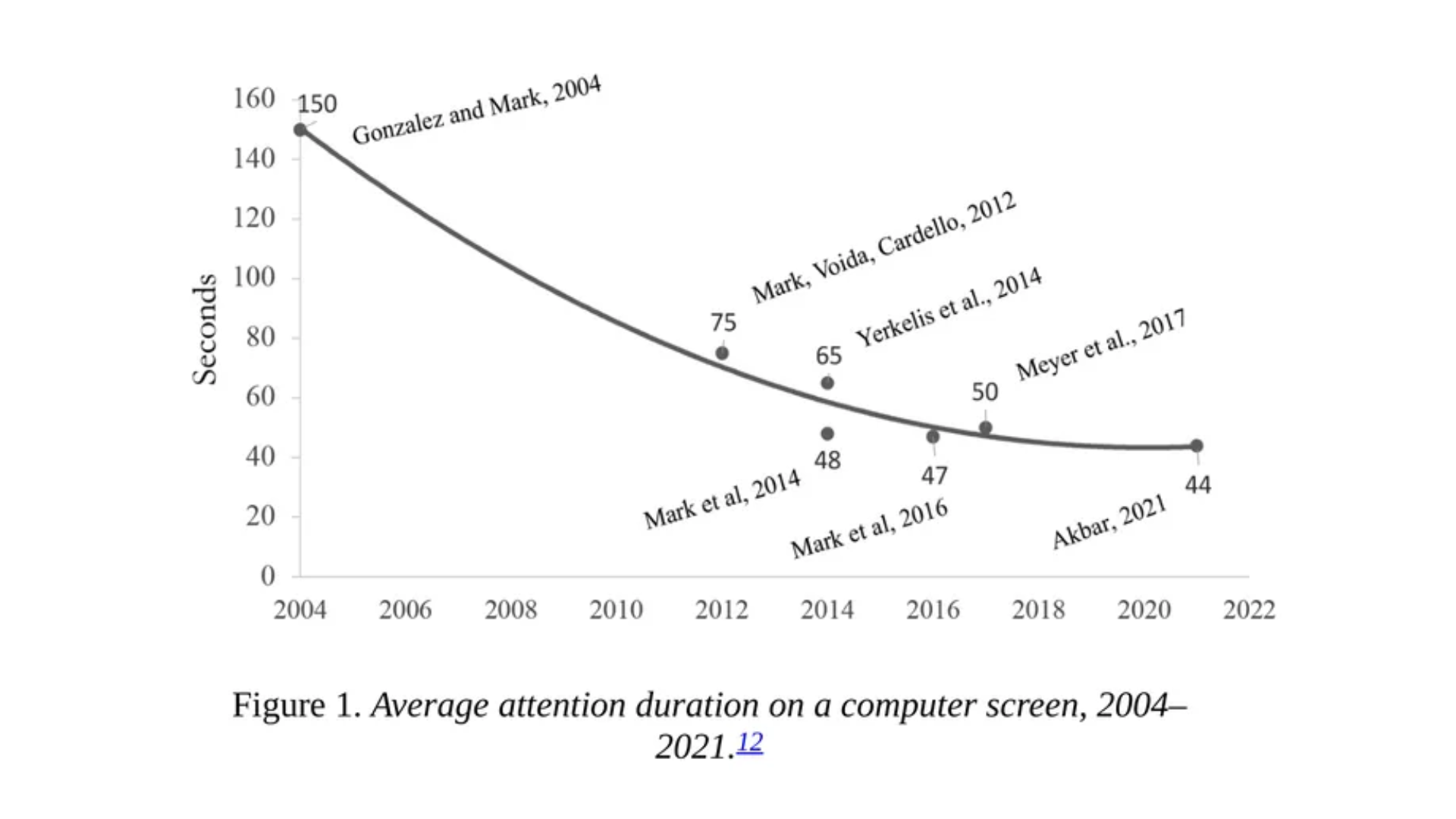
According to research by Dr. Gloria Mark, our attention spans have dwindled down from two and a half minutes in 2004 to 47 seconds today. Baseball suddenly became more popular when the pitch clock shortened the game, this is no coincidence.
Reducing eight minutes of game time would likely shave 15-45 minutes of real time. Consider the WNBA as an example of this. An NBA game, with its 48-minute games, typically takes between 2-2.5 hours to complete. The WNBA, with its 40-minute games, typically last 1.75-2 hours of real time. That's a big difference when it comes to a fan committing to watch all of their favorite teams' games for an 82-game regular season.
For years now, NBA fans and writers have been pondering how to fix the NBA's regular season, how to make it more compelling, how to make people care. The easy answer for that has always been to reduce the number of games played in the regular season, to go from 82 down to 66 or 72 games. That idea, while sound, is a pipe dream.
Sports leagues and franchises in America have realized that they possess the only thing left that is appointment viewing: live sporting events. In a world of everything being on demand, sports is the only thing left that makes people stay on a subscription and guarantees that they will be tuning in at a certain time. The last thing a business like the NBA is going to do is to limit their inventory when the demand is so high and the advertising potential so great. The alternative solution then, is to slightly modify the game within the framework that currently exists—or to make each piece of inventory a little leaner.

Reducing game length is beneficial for the viewer because it takes less time to consume in a world where entertainment options have never been more plentiful. It benefits players because it reduces wear and tear on their bodies and allows the best players a greater chance to consistently showcase their abilities. And it's better for the basketball community at large because it creates an alignment with international standards of the game.
This reduction solves a number of problems that have plagued the NBA this decade. Player availability during the regular season has long been a concern, less minutes per game helps to solve that from an injury prevention framework while maintaining the intensity on the floor (which has been another issue). Many have checked out of the regular season because of lower intensity and a lack of stakes. 40-minute games in addition to revised Draft Lottery rules aimed at curbing tanking help create more urgent possessions and more incentive to win games.
Lastly, aligning time with FIBA and the WNBA creates a parallelism between basketball, a uniformity that allows fans to embrace other leagues without the sense that it's not up to par with the NBA because of reduced minutes. The NBA has been unafraid to try new things in the past—it has tweaked rules and even tried to introduce a new ball style in the name of progress. Injuries and the sensibilities of the modern fan are the next Rubicon to cross, and the way we get there is with the 10-minute quarter.