Palestine, the NBA, & the Impact of Silence
The NBA claims to care about social justice. But as evidenced by LeBron James recently, when it comes to Palestinians the league chooses silence

In 1996, my family travelled to the Middle East to see Palestine. It was a pilgrimage of sorts, a return to my father’s homeland. My grandparents were refugees in 1948 and established a life in neighboring Jordan, which is where my father grew up. During this trip we witnessed two different worlds.
The first, felt almost European in the hotel that we stayed at in Tel Aviv. It felt as if we were in a coastal city in Greece, Italy, or any other Mediterranean city. The other side was seeing our last remaining relative in the region who lived in a house with barely any furniture and no doors because Israeli military forces had busted through the door so many times that it was no longer worth replacing it just to be broken again.
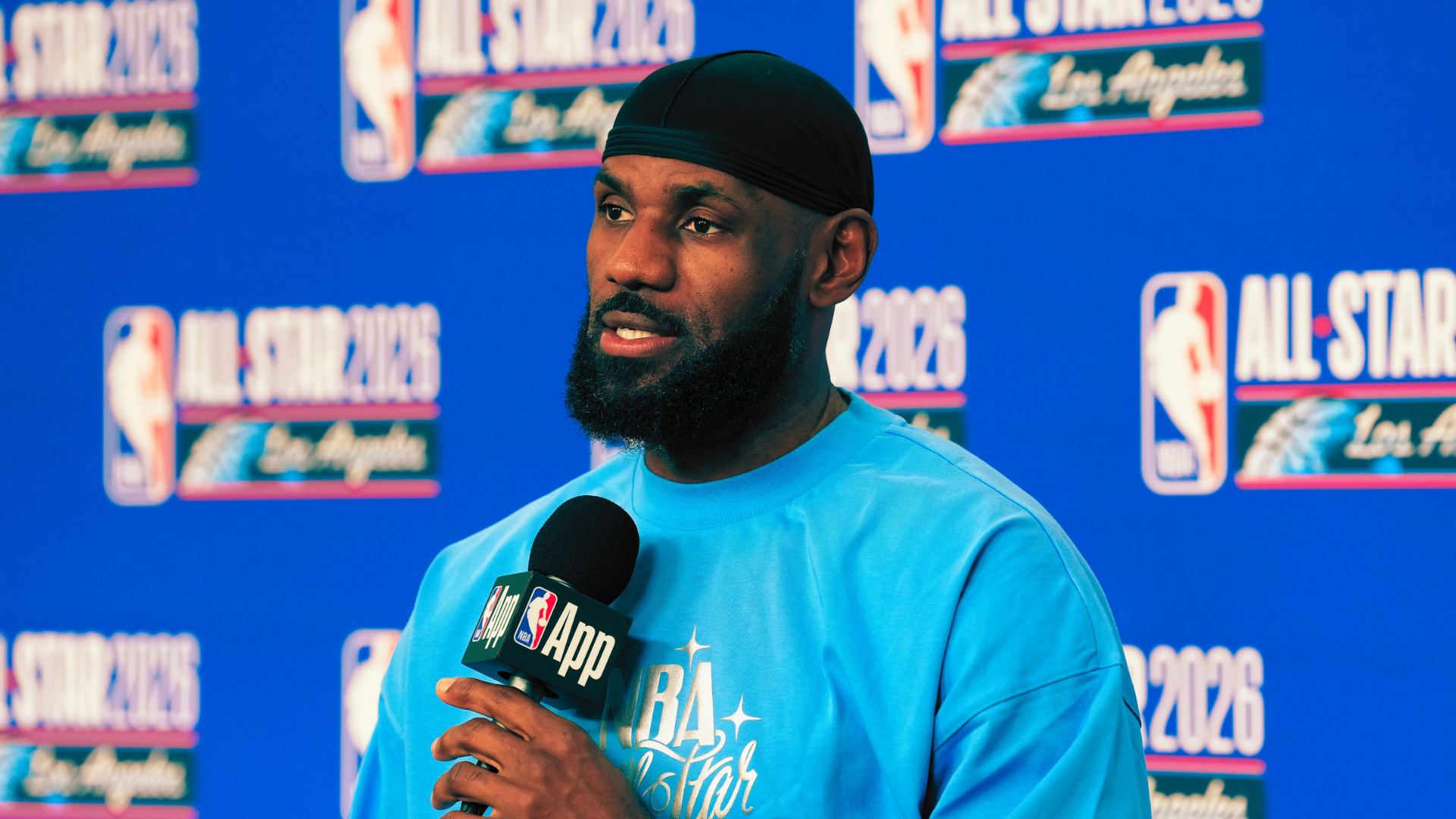
I was reminded of these two differing realties during the NBA’s All-Star Weekend in Los Angeles when LeBron James was asked about his fanbase in Israel. It’s not a completely outlandish question—the NBA is a global sport, and Portland Trailblazers player Deni Avdija was the first Israeli player that was being represented in the All-Star Game.
LeBron said the typical sanitized thing that you would imagine, noting that he hopes to inspire people to be great in not only sports but also in life. But the last part of his statement stuck out to me as a Palestinian. James said:
“Hopefully someday I can make it over there. Like I said, I’ve never been over there, but I’ve heard nothing but great things.”
To see the term nothing but great things in particular when over 67,000 Palestinians (at least 20,000 being children) have been killed since October 2023 felt especially tone deaf to the realities of the region and is a reminder that the NBA, for how much I love it, will never truly love me back as a Palestinian.
The NBA’s Long-Standing Relationship with Israel
After the attacks of October 7th, 2023, that saw 1,219 people killed (810 of whom were civilians), the NBA and its Players Association made a statement. The statement read:
“The NBA and NBAPA mourn the horrific loss of life in Israel and condemn these acts of terrorism. We stand with the people of Israel and pray for peace for the entire region.”
Considering the progressive and social activist slant that the league has embraced over the years—voting advocacy, Black Lives Matter on the court, social justice messages on the back of jerseys—condemning violence immediately after it happened made sense for the league. Teams took to social media to make similar posts, magnifying the tragedy and loss of life. Teams like the Miami Heat took to their official X pages showing their support of Israel and condemning violence.
However, it appears that the leagues sympathy when it comes to Palestinians does not extend as far. Since the attacks and the subsequent war that has displaced and killed thousands of Palestinians, the NBA and its teams have been silent on the issue. The NBA’s statement showed true sadness and remorse for a massive loss of Israeli life, as it should. And yet when the aftermath led to a catastrophic amount of lost Palestinian life, they have expressed no such sympathies—a decision that sends a message that we are not worthy of acknowledgement. Their silence stands in line with a long history of partnership that the league has had with Israel, which also puts James’ comments into clearer view.
The NBA has a long-standing tradition of playing preseason games against Israeli clubs. In 1978, the Washington Bullets traveled to Tel Aviv and played against Israeli club team Maccabi Tel Aviv. This has continued to this day with the Brooklyn Nets having played in preseason matchups against Hapoel Jerusalem in 2025 and Maccabi Ra’anana in 2023.
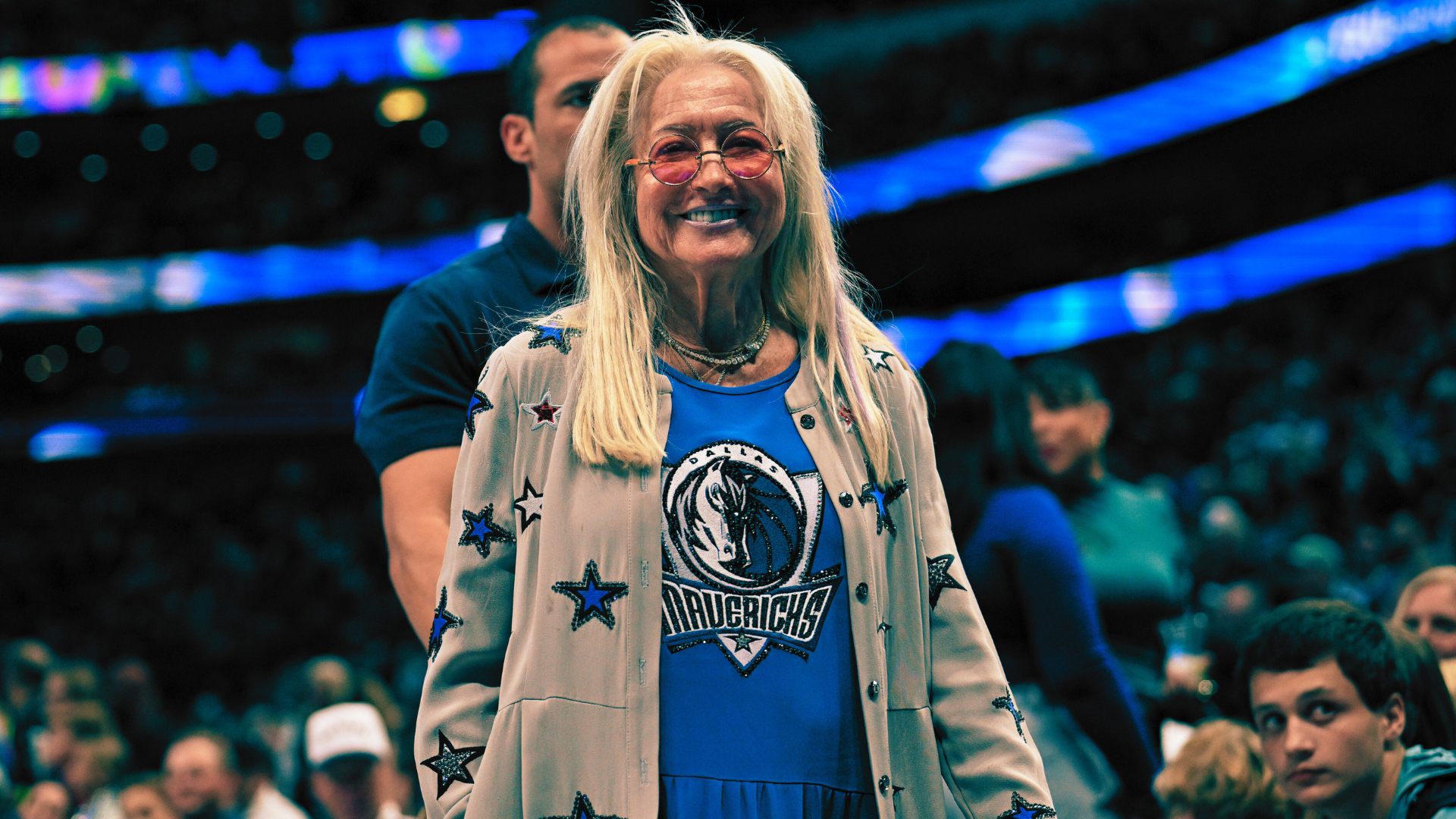
At the ownership level there are also deep ties to Israel. Dallas Mavericks owner Miriam Adelson, who was born in Tel Aviv, has long been outspoken about her views about Israel. She is the current publisher of Israel Hayom, an Israeli Hebrew-language newspaper known for its right-wing editorial stance on Israeli politics. Adelson has called pro-Palestine advocates “enemies” and that “they should be dead to us” in a column for Forbes. That sort of rhetoric from an NBA owner should be a topic of discussion, but it simply hasn’t been.
The NBA has long had players and executives take trips to Israel, an indication of the importance that the country has in the leagues eyes as a gateway of sorts to the untapped Middle Eastern market. This has come at the cost of Palestinian identity. In 2018, on its All-Star ballot, the NBA listed “Palestine-occupied territory“ as a fan-vote option. Israel’s sports minister demanded that it be removed, leading to the league apologizing and blaming a contractor for the error. We can view this as a classic case of relationship management by the NBA.
From a Palestinian perspective, this league that I have respected for many years for tackling the subject of racism head on, and for adding more women into the fray via assistant coaching and referee positions (which still has a lot of room for improvement), has chosen a clear stance on its views of Palestinian struggle and fight for identity: ignoring that the issue even exists. The NBA’s inaction is particularly notable because experts at the United Nations have called for FIFA and UEFA to suspend the Israeli national team in soccer as a result of the countries ongoing military action in Palestine. What is even more glaring is that even when NBA players try to speak out in favor of Palestinian people, they seem to be disregarded.
Unwelcome
There have been two notable moments of Palestinian solidarity in the modern NBA. The first is former big man and Hall of Famer Dwight Howard. In 2014, Howard was playing for the Houston Rockets when he met a group of Palestinians in Houston who informed him of the plight of Palestinians that has been going on for decades.
According to Howard he then tweeted “Free Palestine” to his Twitter account and then received a call from the league ten minutes later to take the post down. He then tweeted “Previous tweet was a mistake. I have never commented on international politics and never will.”
Speaking on The Gauds Show podcast, Howard said:
“Because I went against the grain and said something that people didn’t like. When you’re in the league, you’re in a place where if (you) say too much, (you) may not get a job anymore. I got to hold my tongue which is so hard to do.”
The NBA has denied strongarming Howard’s speech in this way—which is the obvious reaction from a PR perspective. But from where I sit, this once again reiterates that any advocacy for Palestine is looked down upon, making us feel less than in the eyes of the NBA.
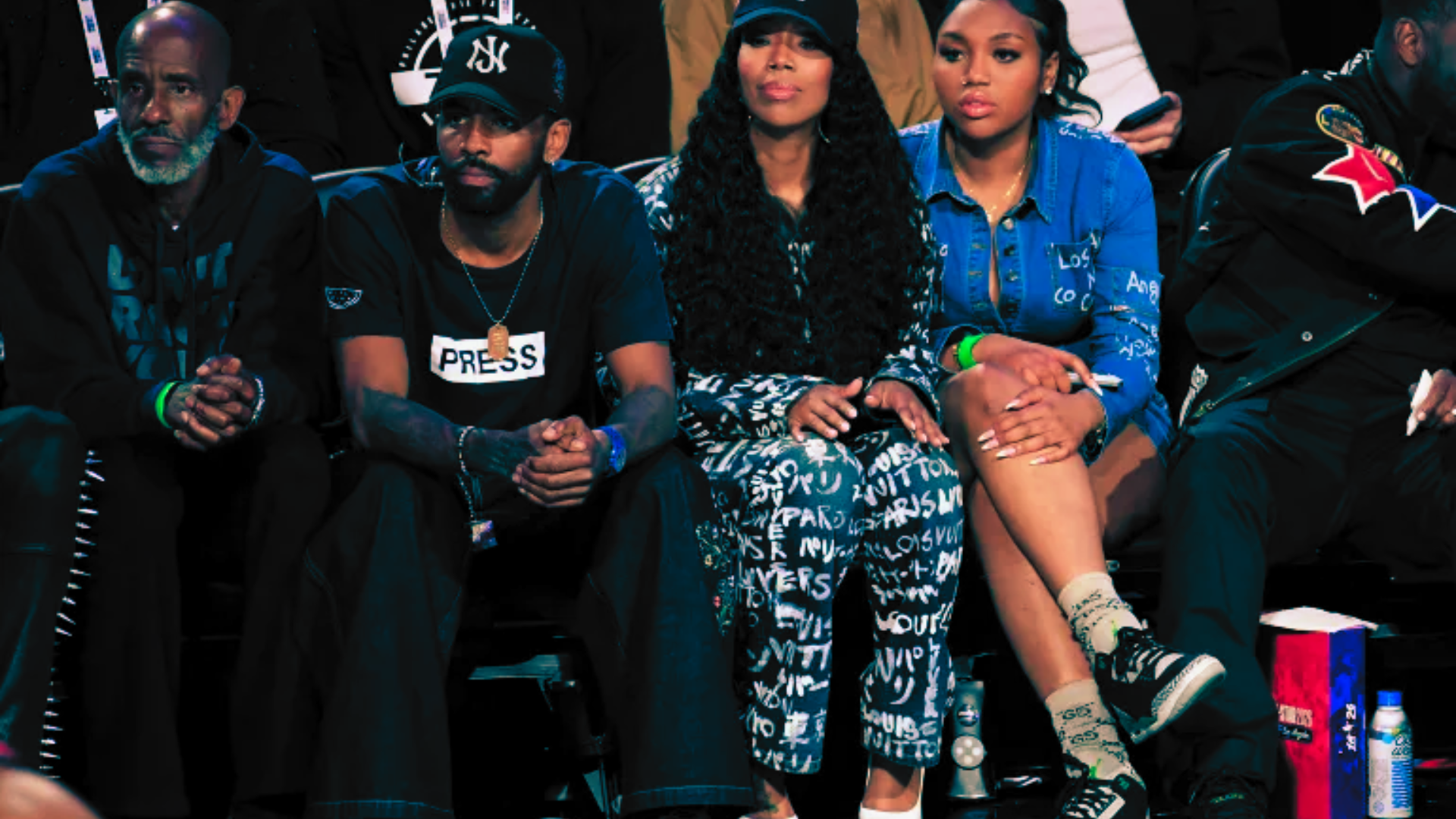
The other example is a bit more complex. Kyrie Irving has always been a bit of an eccentric figure since he entered the league. His stances on the Flat Earth Theory and vaccinations have long painted him as someone that is uninformed and prone to believing conspiracy theories. This track led him to sharing a post on his social media pages that promoted a documentary that is wildly anti-Semitic and was directed by a Holocaust denier.
After facing a suspension for the action, Irving apologized, saying:
“Putting some type of threat, or assumed threat, on the Jewish community, I just want to apologize deeply for all my actions for the time that it’s been since the post was first put up. I’ve had a lot of time to think, but my focus initially, if I could do it over, would be to heal and repair a lot of my close relationships with my Jewish relatives, brothers, and sisters.”
This occurrence has been conflated with Irving’s vocal support of Palestine and its people dating back to 2021. It falls into the narrative trap and assumption that any support for Palestine is immediately an act of anti-Semitism, which is an incredibly obtuse way to look at things.
Irving has deep ties with the American Indian community through the Standing Rock Sioux Tribe through his late mother Elizabeth Ann Larson who was an enrolled member adopted as a child. In 2018, Irving was welcomed into the community receiving the Lakota name “Hela”. His signature shoes from Anta reflect this heritage and he has been very vocal in advocating for the rights of indigenous people.
Taking that context, Irving’s stance on Palestine becomes clearer and should not be associated with the epic blunder of sharing an anti-Semitic documentary. In Palestinians, Irving sees shades of the Indigenous struggle that he’s a member of and chooses to use his platform to highlight that struggle. He has often been seen wearing the traditional keffiyeh and at the All-Star game wore a shirt that said “Press” from Wear the Peace that memorializes the over 200 journalists that have been killed in Gaza since late 2023.
In the broader view of the NBA, both Howard and Irving have been somewhat diminished. Howard has become more well-known for his reoccurring war of words with Shaquille O’Neal and theories that he is gay (which have been framed in a very derogatory manner). Irving has been acknowledged as a great basketball player but as a bit of a strange person, not an authority on any issue like some of his contemporaries.
Perhaps this is my Palestinian perspective shining through, but I can’t help but think that these two players being vocal Palestinian advocates at different times in their careers has been a factor in their diminishment. The NBA has often looked the other way when a social cause interrupts their business. Look no further of its activities in China and the criticisms that have been levied towards the league and its stars. That moment led to then Rockets GM Daryl Morey to be critical of China on Twitter, causing tremendous backlash, ultimately leading to Morey issuing an apology and deleting a tweet. It’s a result not too different from Dwight Howard’s account of his “Free Palestine” post.
As someone that is proud of my heritage and culture, it’s incredibly disheartening to see how my favorite sports league seems content to admit that I don’t truly matter to them. The league has invested in the region, staging games in Abu Dhabi, and views the Middle East as a key lever in its global mind share expansion.
And yet I have never felt less represented. The lack of even a shred of acknowledgement shows that all sports leagues, no matter how much they spin it, will only care about issues that relate to their revenue. They were quick to mend a relationship with China because it is a key growth market but has not acknowledged Palestinian struggle because it doesn’t move the financial needle. Maybe I knew about it all along, but it has gotten more difficult to ignore that ultimately the NBA never has and never will care about its Palestinian fans.