
Second Screens, the Battle for Attention, & the Death of the ESPN BottomLine


A sports viewing staple is going away, and in its place comes a ruthless reminder of the content attention economy
1995 was a big year culturally in America. It was the year that gave us Windows 95, Beanie Babies, and the cultural supernova that was the Macarena. It also gave us a staple in sports television presentation: ESPN's BottomLine ticker. The ticker provided passive information about scores in other games and news updates in a passive manner while still watching a game.
Like all good things, however, it has ended. ESPN announced that it will be deprecating the ticker during college football games this season, with other sports that the network carries to follow. ESPN's explanation is that removing the ticker frees up space on the screen and that most people will check for score updates on their phones anyway. The decision, like any major change, has received criticism. The move away from the ticker presents a reminder that all the media we consume today is not without consideration of second screen viewing and content ecosystems.
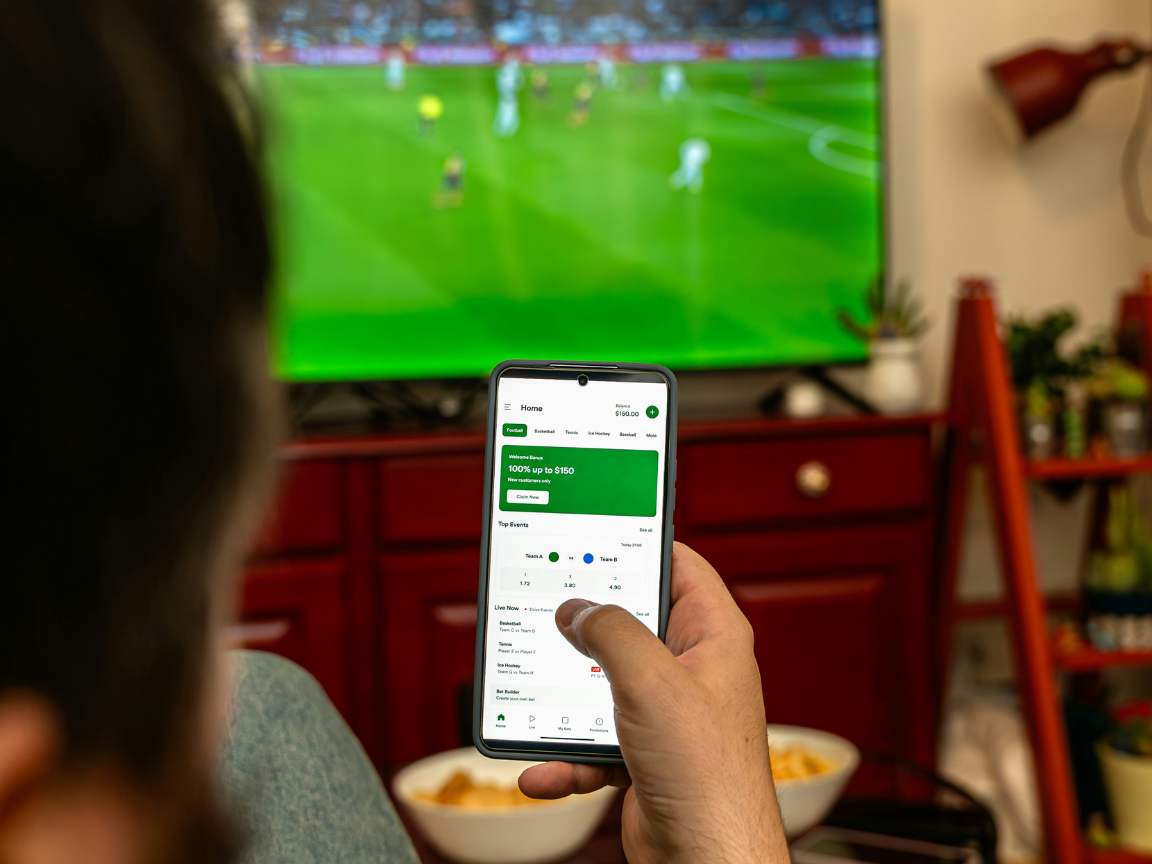
When a showrunner is developing a program for Netflix, they are instructed to plan for an audience that will be looking at other screens. Because most Netflix programming is consumed in homes, the likelihood that a viewer will have a phone, tablet, or laptop close by is incredibly high. This leads to something known as the second screen phenomenon, where viewers consume content on a secondary device while a show is playing on a larger screen. To combat this, Netflix urges showrunners to not only reveal details on the screen visually but also verbally, to ensure that a second screen viewer isn't lost.

Today, the average person spends more than 2 hours per day on social media apps. A common usage example happens while watching a show. There's a lull in the dialogue and then an urge to scroll Instagram or TikTok arises. As a result, there's a lack of focus on the television product, which is why shows and movies often simplify dialogue and feature frequent recaps or visual cues just in case something was missed while looking at a second screen device.
This is not exactly a new phenomenon. Since the smartphone became ubiquitous, programmers have constantly chased engagement. Encouragements for live tweeting, calls for downloading companion content, and QR codes to scan to learn more about behind the scenes happenings. These were all moves to get the viewer to engage with the publisher in more meaningful ways. What ESPN is doing by removing the BottomLine is admitting defeat in the war of attention to the smartphone.
This concession does have some drawbacks, however. By relying on viewers to check out other scores on their phone, ESPN plays a dangerous game tempting them with the black hole that is doomscrolling on social media. Ironically, ESPN's move attempts to both minimize and maximize distraction simultaneously.

By advertising the removal of the ticker as an immersive experience, they are advocating for more focus to the game. However, by ceding that people will check scores on their phones anyway, they are also maximizing distraction by diverting attention away from the TV screen.
This leaves us to wonder what the decision tells us about our viewing habits in 2026. The decision is an admission by ESPN that the phone is an inevitable interruption that cannot be avoided. It's an interesting admission in an age where mindfulness is making a comeback.
The wellness app Calm boasts over 180 million downloads worldwide with the sole intention of aiding sleep and meditation. Its popularity reflects a surge in meditation that has been happening over the last decade. Between 2012-2017, daily meditation tripled in practice, and today 40% of Americans meditate at least once a week. This trend maps directly to fatigue that many feel due to notification overload caused by modern technology.
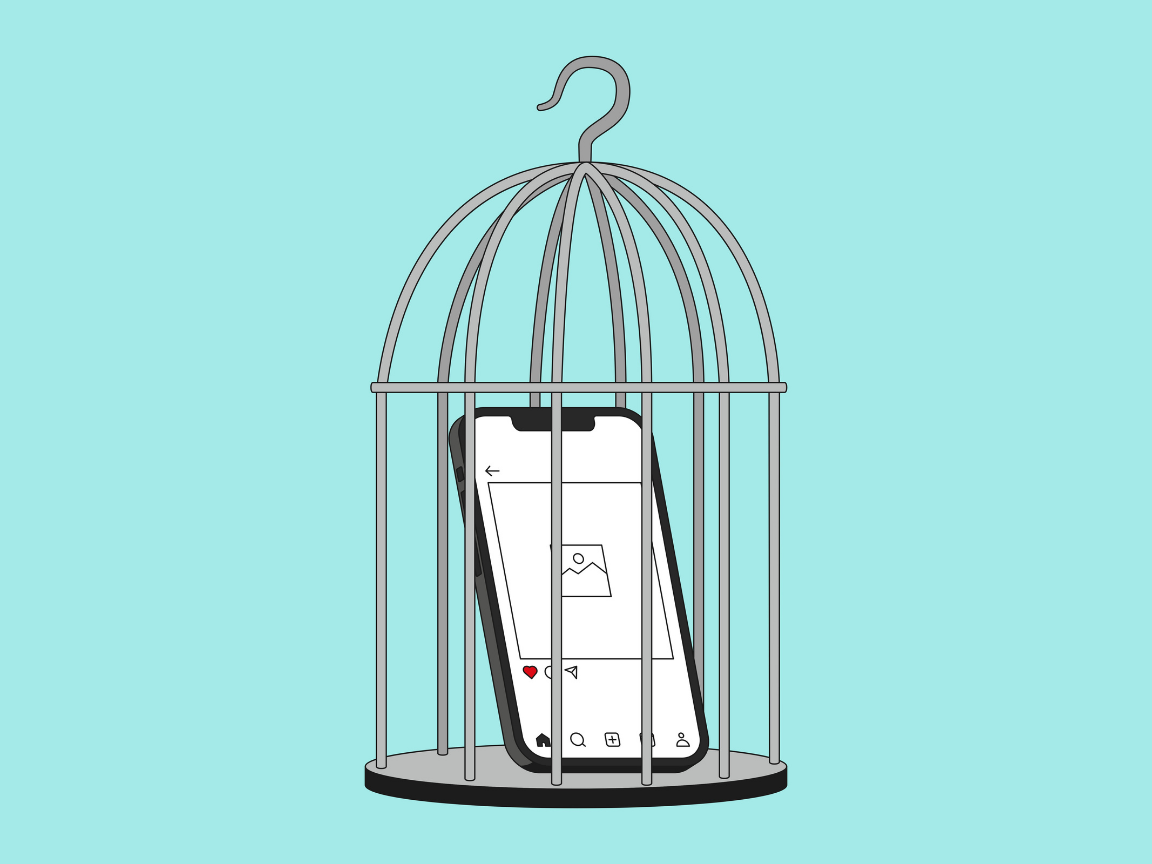
In consumer tech, there has been a growing movement to disconnect our phones. A 2025 Reuters report found that 79% of users actively disabled or ignored news notifications on their phones because they felt that they were not relevant to their lives. Devices like Brick have gained popularity as smartphone and social media detox tools. New smartphones like the Light Phone III have come to market with the promise of eliminating doomscrolling. These don't exist in a vacuum; many today have felt the cognitive load of smartphone overuse, and companies are trying to address it.
In a strange way, ESPN inadvertently had the perfect sports mindfulness update system for decades and just didn't know it. It is reminiscent of the way Microsoft originally envisioned notifications when it introduced the Windows Phone. The idea of that ill-fated smartphone operating system saw the overloaded notification system of both iOS and Android and presented an alternate method: a silent number indicator on a live tile-based home screen. The idea was that the tiles would update periodically in the background for glance and go information—like number of unread messages and a brief preview of their contents.
Microsoft, like it is wont to do, eventually caved and mimicked the notification center idea of Apple and Google, but in the process removed a system that could be perceived as a mindfulness feature today. The BottomLine ticker functioned the same. It allowed viewers to keep tabs on scores from other games in a glance and go fashion, with no need to load up a different application. The ticker was the definition of passive information to keep focused on the product at hand.

Consider all the possibilities of distraction that removing the ticker introduces by becoming reliant on a second screen device instead. It requires unlocking the phone, which will inevitably have notifications waiting for you. Then the user must scroll to find their favorite sports score app of choice. In doing so, they will pass other apps installed on their phone, all with icons specifically designed to increase click rates. And suddenly, a check for a score turns into a thirty-minute doomscrolling session on X or TikTok.

The truth is that what ESPN wants the user behavior in this scenario to be is for them to check scores in the ESPN app. This app doesn't simply show scores, however. It sinks several tentacles into the user to extract more attention from them. It could be trending videos, a lure to play one of the company's fantasy sports games, to check out betting odds, or to watch a segment from one of the networks television shows. The play is to immerse viewers in a content ecosystem, like how Meta integrates Facebook, Instagram, Threads, and WhatsApp as interconnected experiences.
Like all digital companies in today's landscape, ESPN is fighting a war of attention. In the past, it only had to contend with TV competitors like FOX, CBS, and NBC. Today they must operate in a space where countless podcasts, TikTok influencers, and YouTubers are making compelling content about sports. Having a viewer simply watch a game on ESPN is not enough; they need them to also engage with social media accounts, make bets, and play fantasy games. They are in a battle for screen-on time that is impossible to dominate.

It's a battle the company has been fighting for years, but the loss of the BottomLine ticker is the most meaningful casualty of war that we have seen. It drastically alters the viewing behaviors that have been embedded in us for three decades. The loss of the ticker frees up about 10% of vertical real estate on the screen. It's hard to imagine that ESPN won't fill that up with sponsored content or in-brand promotion in short order—fully disregarding the "fully immersive" claims it is making.
It's also equally likely that ESPN's definition of the word immersive is rooted in its content ecosystem. They may view the optimal experience as someone watching a game on their network, while tracking the stats of a player they have in a fantasy league, and rooting for a team they bet on all within the same application ecosystem.
The decision-making process by ESPN is being framed as a sort of greater good for the sake of better presentation. But the reality is that the delivery of passive information to the viewer is no longer good enough. They want viewers to be fully invested in their content stack. That desire flies directly in the face of the growing screentime anxiety that many adults are facing in 2026.
The removal of the BottomLine is indeed a loss of the familiar and a direct shot at nostalgia for how sports have always been presented. But its removal is asking more from us—to discard the passive and engage in the act of intentionally seeking content. The ticker was merely a conduit of distilled information, an evermoving update system that required no additional commitment. In retrospect, it was a tool for informational restraint. By removing it, ESPN frees screen space, but it also removes one of the few remaining barriers to the endless scroll.