Social Media & the Parody Problem


For sports fans, scrolling feeds has become an exercise in sifting through rushed content, imitation, and ragebait
In a wave of performative theater, former NBA player Enes Kanter was thrown out of the Barclay’s Center after verbally accosting Liberty guard Natasha Cloud. The moment became an online flashpoint moment, with countless people weighing in—some defending Kanter, while many others called his stunt embarrassing. An account on X with the username “Mikal Bridges Jr” shared the viral moment and called Kanter a “straight loser”. If you thought that this was the New York Knicks guard Mikal Bridges saying this, you would be mistaken.
But that didn’t stop many outlets like Yahoo Sports and Heavy running with the story and claiming that Bridges went after Kanter. A quick look makes it clear that this is not an NBA player, but just a fan running a parody account of sorts. The profile explicitly states, “everyone says that I look like Mikal Bridges so here we are” and a pinned post shows a picture of the fan, who is clearly not Mikal Bridges. But this didn’t stop many from concluding that Bridges was weighing in on a hot button issue.
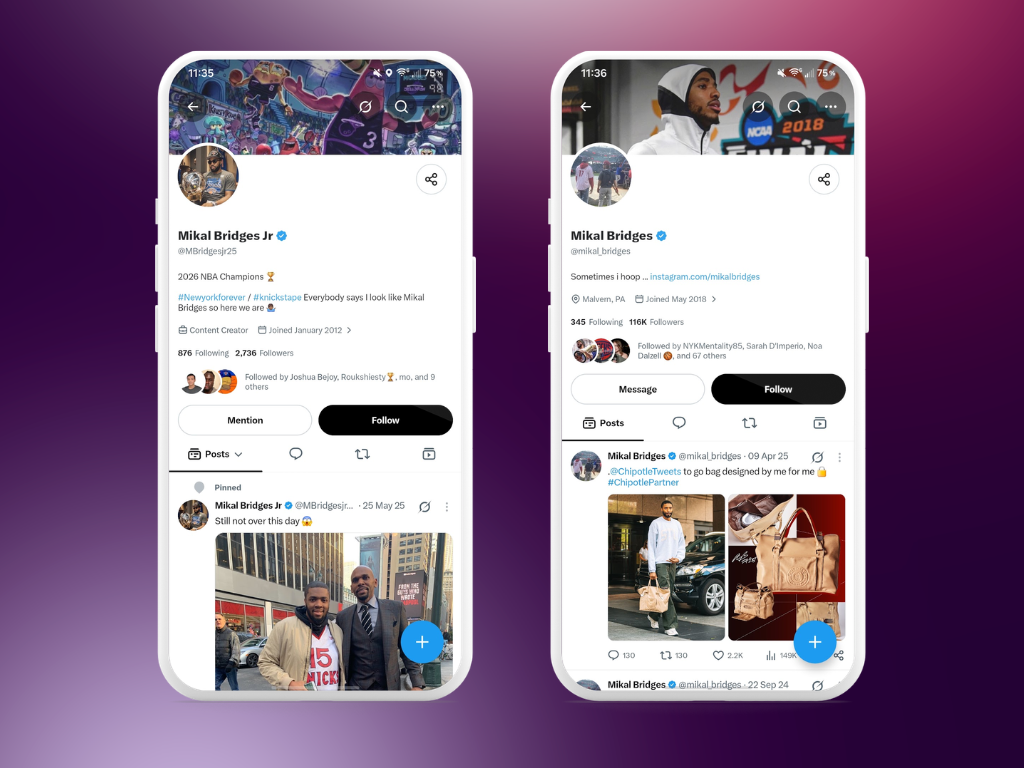
The X account belonging to Mikal Bridges has been relatively dormant in fact, with the last post coming in April of 2025. The fact that reputable outlets assumed that they were reporting on an NBA player is an indication of the state of social media and online discernment in 2026—a reminder of the destruction of the legitimacy of a verified account, the rampant potential of fake news explosion, and our incessant need to be faster and more efficient regardless of the cost.
In 2023, after taking over Twitter, Elon Musk made a fairly radical change. For years, accounts of note—such as prominent journalists, celebrities, political leaders, and so on—were given a blue check next to their username. Musk, ever the financial opportunist, realized that this initiative wasn't funneling money into his company and decided to remove the program.

In its place came Twitter Blue, which would later be rebranded to X Premium. For a monthly fee, anyone could get the coveted checkmark. In effect, Musk changed the meaning of the symbol from person of note to subscription holder. That subscription unlocks a number of features—including minimal ad experiences and higher reach of posts—but the highlight from the company was the blue check mark.
For a while, some verified accounts retained their legacy blue checks without paying, but it is now a fully paywalled feature. The impact of this may have been overlooked by Musk, but in an online ecosystem filled with scams and deepfakes he gave scammers a new lever.
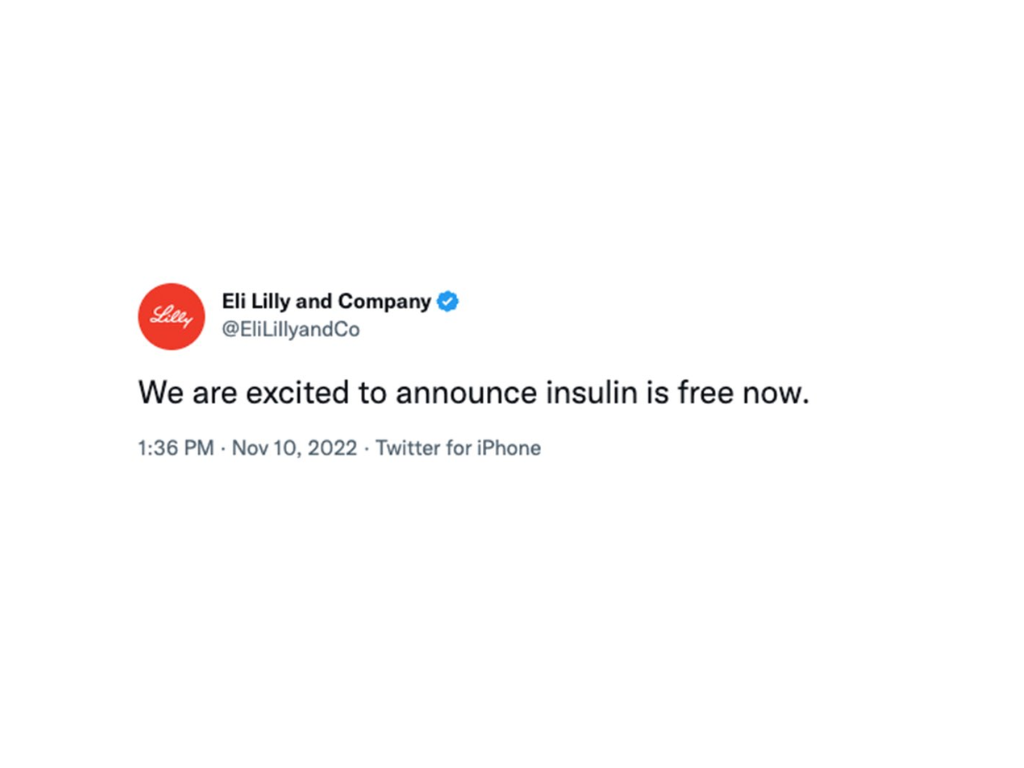
This system created a way for parody accounts to deceive people scrolling their feeds. A user pretending to be Eli Lilly, the pharmaceutical giant, posted that insulin was now free and caused the firm's stock to tumble as a result. In response to this, X required users to note in their profile that they are a parody account to prevent these sorts of mishaps.
What has effectively changed is that posts on the feed are increasingly fake, leading to a lack of verification. X isn't the only platform that has taken this approach. Meta on its Facebook and Instagram platforms have similarly paywalled the verified badge—rendering it mostly meaningless. What was once an indicator of verification, now is just account flair. This is especially problematic in the sports space, since so many players have dedicated fan pages, and the culture of online trolling is stronger than in others.
The result of this is a lack of literacy when it comes to an athlete's social media posts. For Mikal Bridges, he has the distinction of being celebrated by one half of a debate while being reviled by another for something he didn’t say. But beyond that, the behavior is often rewarded with engagement—good and bad—leading to the conclusion that creating and running a parody account is a step towards virality.
The Mikal Bridges Jr account had posts that vary between 30K-80K impressions. When it was assumed that he was the Knicks forward, views skyrocketed to over five million. If nothing else, the message being sent is that pretending to be a famous person is simply good business.
With the loss of meaning of the verified indicator, the barrier to misleading information has been drastically reduced. This goes far beyond a simple fan posing as an athlete. With the proliferation of generative AI image and video tools, fans can generate fake images and videos leading to viral moments. This is often the case with fake quotes or jersey swaps, leading to increased skepticism for any report that is made.
While on a case-by-case basis this is inconsequential, consider what this means in the totality of the scrolling experience on social media from a sports context. Every story is drawn into question. When a trade happens, it's natural to assume that the report is from a fake account—this happened when Luka Doncic was traded to Los Angeles, and many suspected that the report from Shams Charania of ESPN was fake. The result is an overflow of information with no indication of what is factual and what isn’t.
In a world where sports media outlets have become shells of their former selves, social media has become the source for news and updates. Some of the shine is rubbed off if we are constantly wondering if a post is legitimate or not, and the onslaught of fictitious reports and aggregated content makes every posted “rumor” believable.
Far too often, I have seen friends get outraged over a trade rumor that wasn’t remotely true. This is of course by design, as the content that gets us most angry is the one that maximizes its potential in the engagement economy.
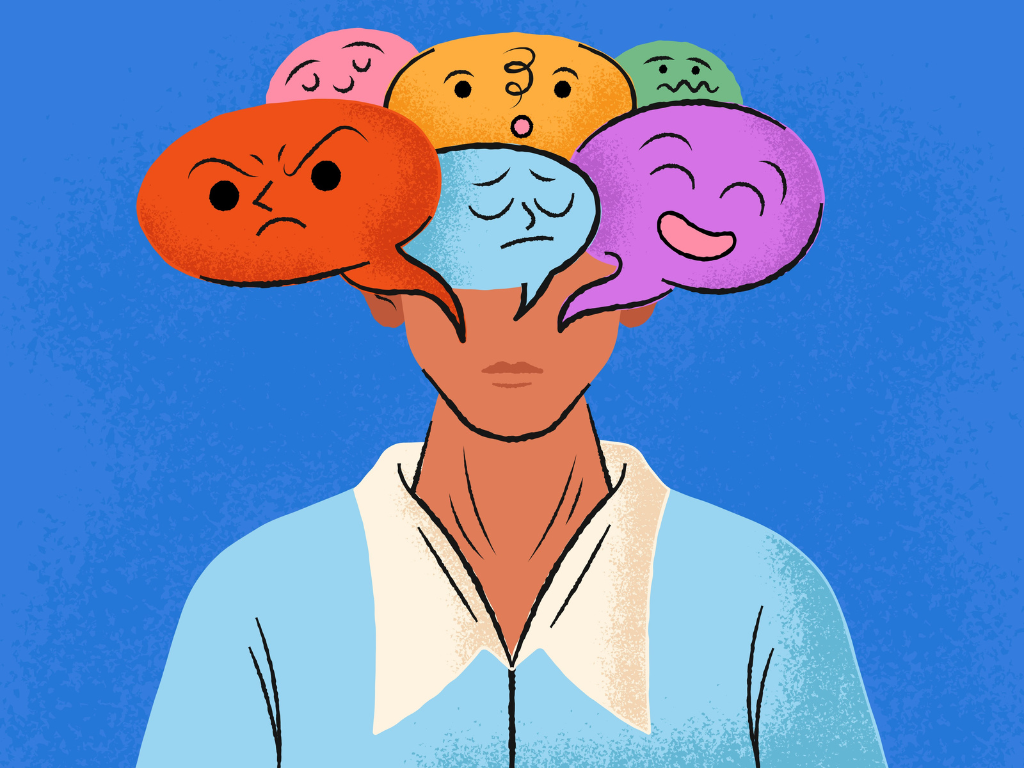
When users post ragebait or clickbait, a study found that those posts had 70% more engagement. So, if the name of the game is standing out in the crowd and reaching virality, then it comes through ragebait—which in the sports space is the product of fake reporting and speculation.
Part of the issue, in addition to the never-ending quest for virality, is the speed of the news cycle. In the age of newspapers and TV news we operated on a 24-hour news cycle. In the social media age, things move much quicker. There is a pressure to produce content, to get the story out, and to be first to the punch.
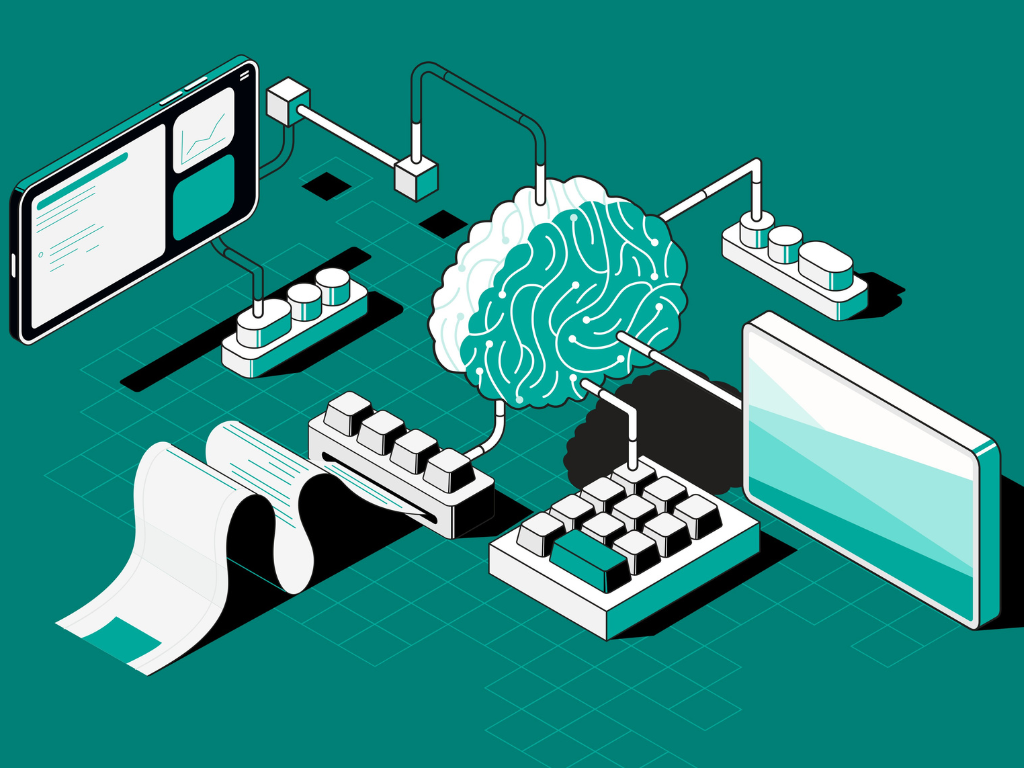
In that sense, the way that AI companies have marketed their chat bots matches this trend. Services like ChatGPT, Claude, and Google Gemini all promise efficiency gains. They assure users that mundane daily tasks can be handled by AI to enable maximum productivity and creativity.
Whether you agree with that sentiment or not, that’s the sales pitch. And it works because we are constantly feeling the pressure to put more out, to continue feeding into the content ecosystem, and to do it as fast as possible.
The need for faster and more on demand content from social media also plays into the fact that we have an aversion to fact-checking the validity of a social media post. This is compounded by social media giants deprecating dedicated factcheckers in favor of community notes—generally in the name of cost savings and efficiency, even if that means more damaging posts.
The cocktail that we are left with is a place where people spend hours every day without the guardrails of properly verified accounts and a complete lack of accountability for the truth in the moment.
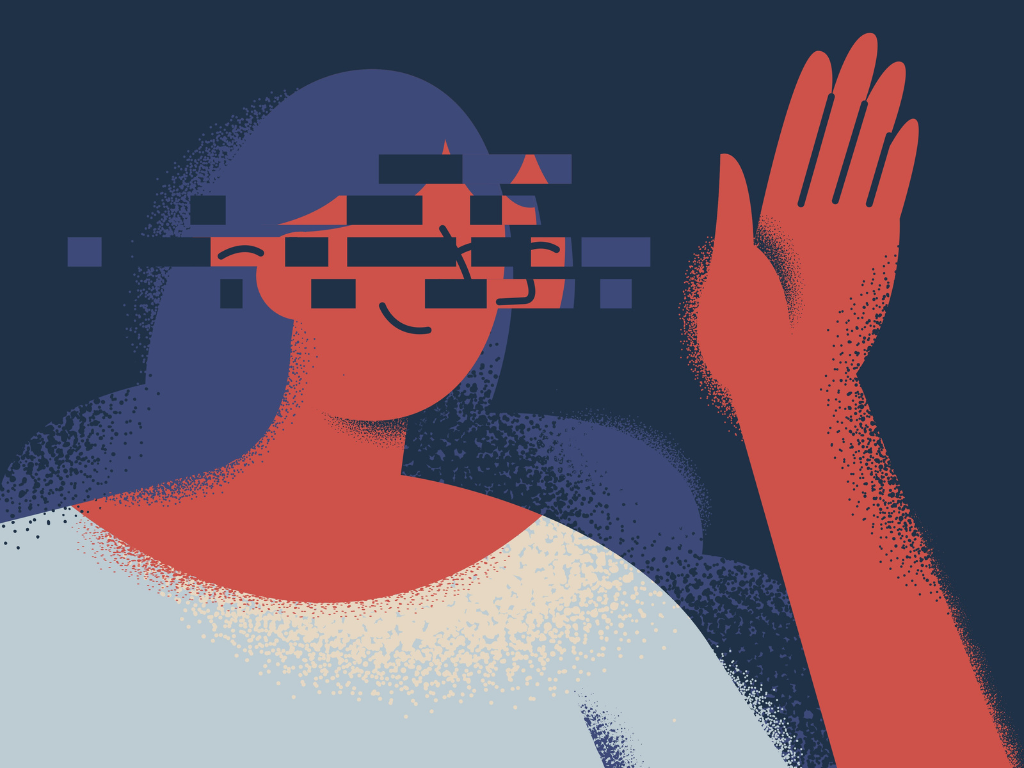
This reality is the symptom of the greed of big tech companies in 2026. They abandoned verified accounts because it was more lucrative to enter the subscription business. They got rid of factcheckers because it was cheaper to rely on community notes. The solution is to implement those policies again. But companies like Meta and X won’t do that, because people still use their apps despite these clear flaws. The toothpaste is already out of the tube.
Perhaps the only solution is a grassroots one. To follow only accounts that you trust and enable post notifications from them or create a feed with their content only. While it is a viable solution, it is also one that will never receive proper adoption. Deep down, so many of us go to social media to feel outrage. To laugh at someone or be enraged by them. It is not the community building pillar that it once was. Misreporting and fake posts like the one from Mikal Bridges Jr are only scratching the surface.