Steve Kerr & the NBA’s Ownership Neutrality Pivot
As the Warrior’s dynasty fades, little masks the tension between Steve Kerr’s politics and the NBA’s corporate shift to neutrality

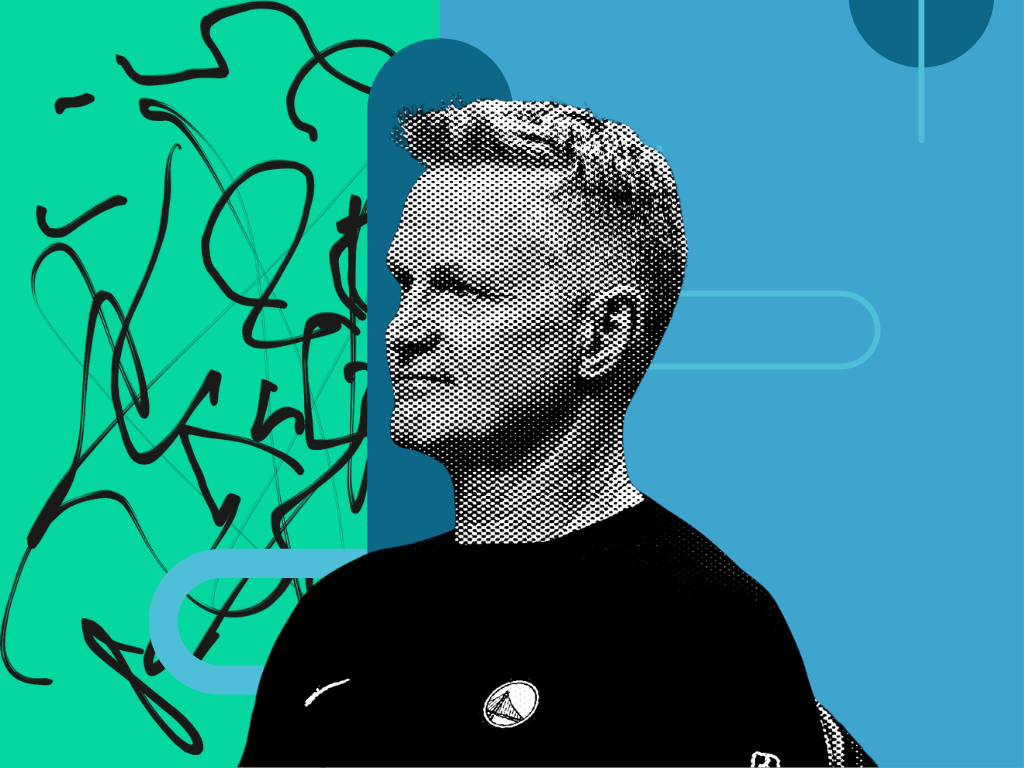
Steve Kerr is one of the most consequential and successful NBA figures in the last three decades. He has been a part of three NBA dynasties—the Jordan Bulls and Duncan Spurs as a player, and the Splash Brothers Warriors as a head coach. Between all his stops, he has won a championship nine times, cementing himself as someone who is incredibly important in the big-picture discussion of the modern NBA.
Kerr’s career seems to be close to another pivot, with uncertainty arising around his future with the Warriors. Some have speculated that Kerr will retire, while others have wondered whether he will take another job elsewhere. An embrace between Kerr, Draymond Green, and Steph Curry following their loss in the Play-In Tournament to the Phoenix Suns cemented these suspicions of the end of the road for an iconic player-and-coach pairing.

What has added to the speculation that this is the end of the line is that there is an increasing sentiment from inside the Warriors organization (as reported by Marcus Spears and Nick Friedell) that Kerr’s frequent political statements have worn thin with upper management as the team has missed the playoffs in two of the last four seasons. Kerr has been one of the most outspoken figures in the NBA for years, and the team looking at that negatively now is representative of where we are in the world as it pertains to sports activism and the overall division of the United States as a whole.
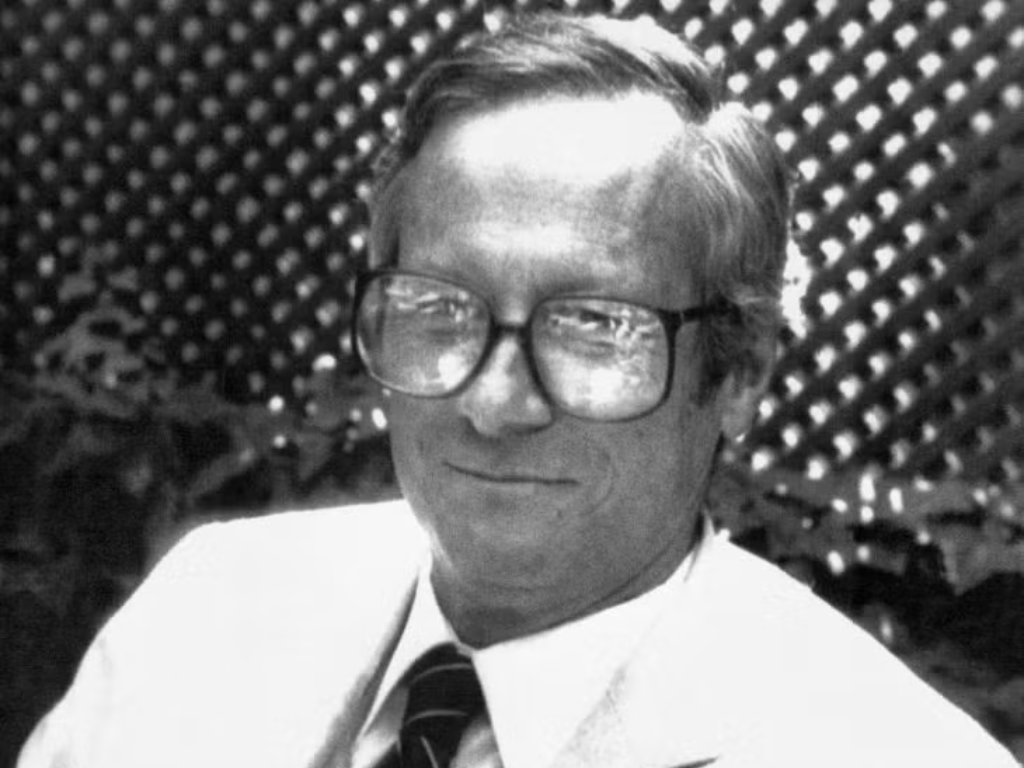
In order to understand why Kerr has been so adamant about using his voice in political matters, it’s important to first understand his upbringing and the tragedy that came with it. Kerr was born in Beirut, Lebanon, to two American academics who specialized in the Middle East. Kerr’s father, Malcolm, served as the president of the American University of Beirut. In 1984, while Steve was a freshman at Arizona, Malcolm was killed by members of the Islamic Jihad Organization in the midst of the Lebanese Civil War. That horrific incident shaped Kerr’s worldview and shoved the realities of the world into the forefront. Kerr once noted that “Before my father was killed, my life was impenetrable. Bad things happen to other people.” Kerr’s father was a victim of political violence, so it stands to reason that political issues resonate with him more than with others.
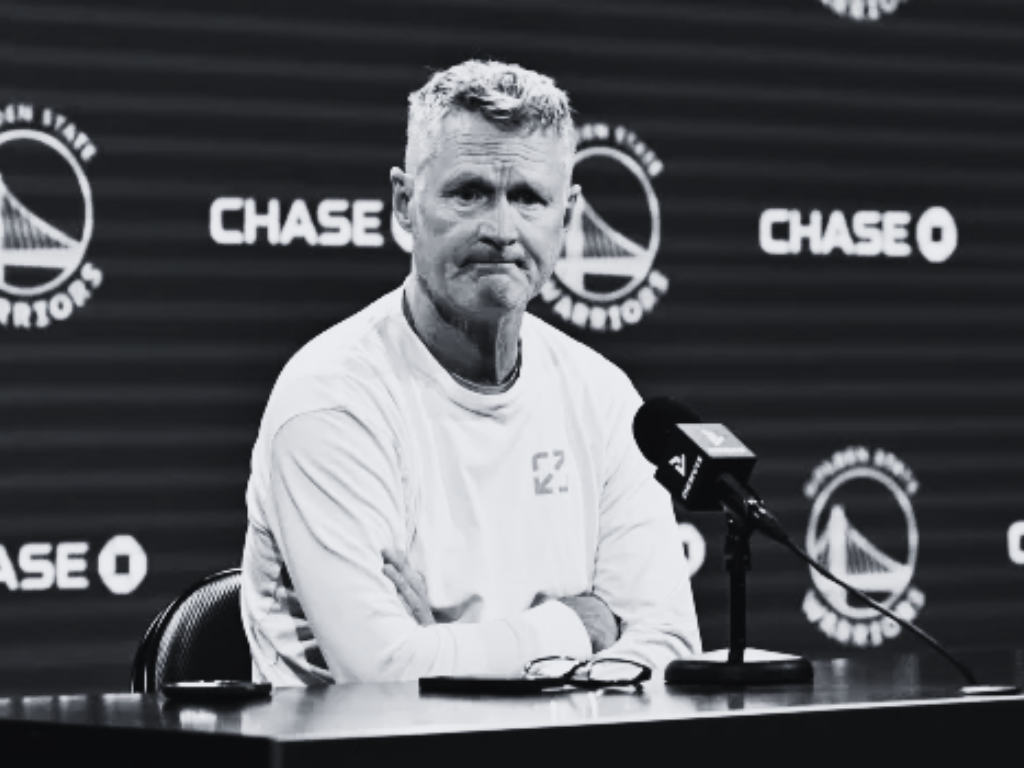
Kerr has since then been incredibly vocal about political issues. Kerr has been a vocal critic of Donald Trump since his election in 2016, comparing Trump to Jerry Springer and suggesting that his rise to prominence came at the expense of women and minorities. Kerr would go on to endorse Joe Biden for president in 2020, appearing in an advertisement where he said that “a presidency should be transparent” and that he “categorically rejects white supremacy,” both clear shots at Trump.
Kerr has also been a strong advocate of gun control, often criticizing the US government’s prioritization of protecting gun rights when it comes at the expense of the lives of children. This is a pressing issue for Kerr, once again considering the tragedy of losing his father. Kerr was also at the forefront of supporting the Black Lives Matter movement and attending a “No Kings” rally to protest the policies of the second Trump term that has seen ICE agents patrolling streets.
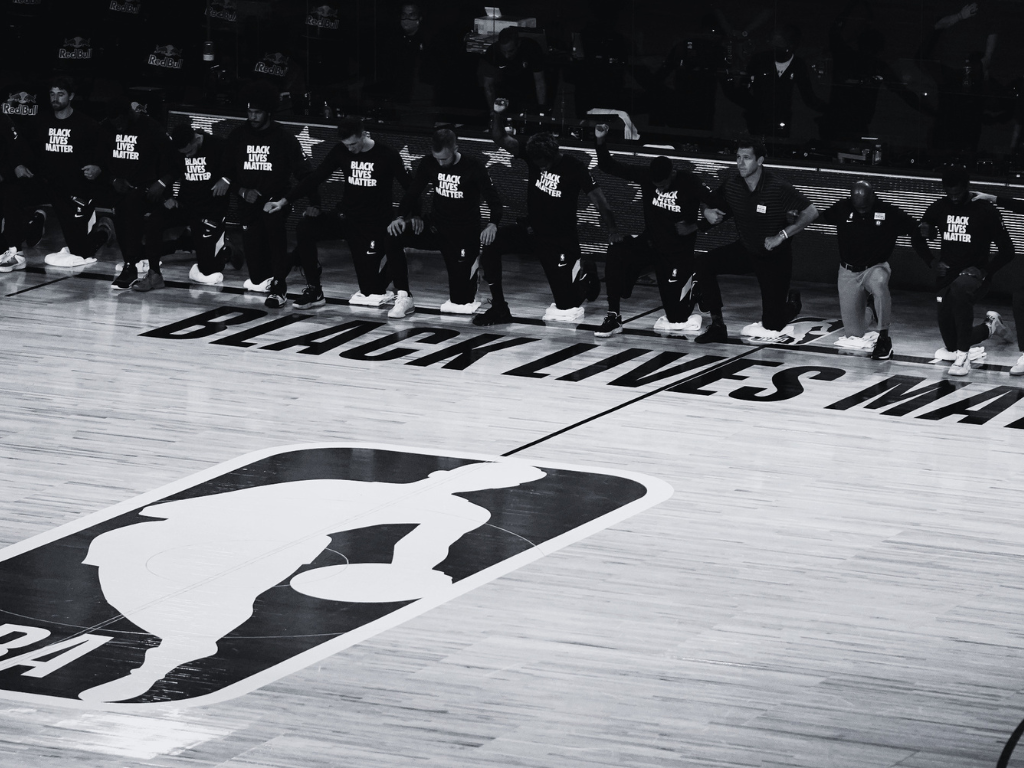
There was a time when Kerr’s tactic of being a visible activist meshed well with the NBA’s image of itself as a league in the national discourse. In the wake of the George Floyd murder in 2020, the league was out in front to combat the issue of systemic racism more than others, with players allowed to put social-justice-themed messages on the back of their jerseys during the 2020 NBA Bubble. The court at that event even had a Black Lives Matter message and included a player protest following the murder of Jacob Blake in Kenosha, Wisconsin. The NBA collective of coaches, ownership, and league officials all supported the boycott—an indication of a league that understood the moment in an a truly authentic way.
It’s fair to wonder today, however, if the league shares the same sentiment. In the wake of ICE shootings in Minneapolis, the NBA Players Association made a statement that accomplished little more than releasing a press release. The NBAPA offered solidarity with protesters and offered condolences to the families of Alex Pretti and Renee Good, who were murdered by ICE officers. There were no moments of action, no sweeping message, simply a statement.
While the league tackles social-justice inequalities through its National Basketball Social Justice Coalition and NBA Cares initiatives, much of this work happens in the background without much volume, a clear departure from its 2020 approach, which many conservatives labeled as polarizing and responsible for basketball’s waning popularity in America. That more reserved approach has also seeped into the way that players view social justice and their role in speaking up about it.
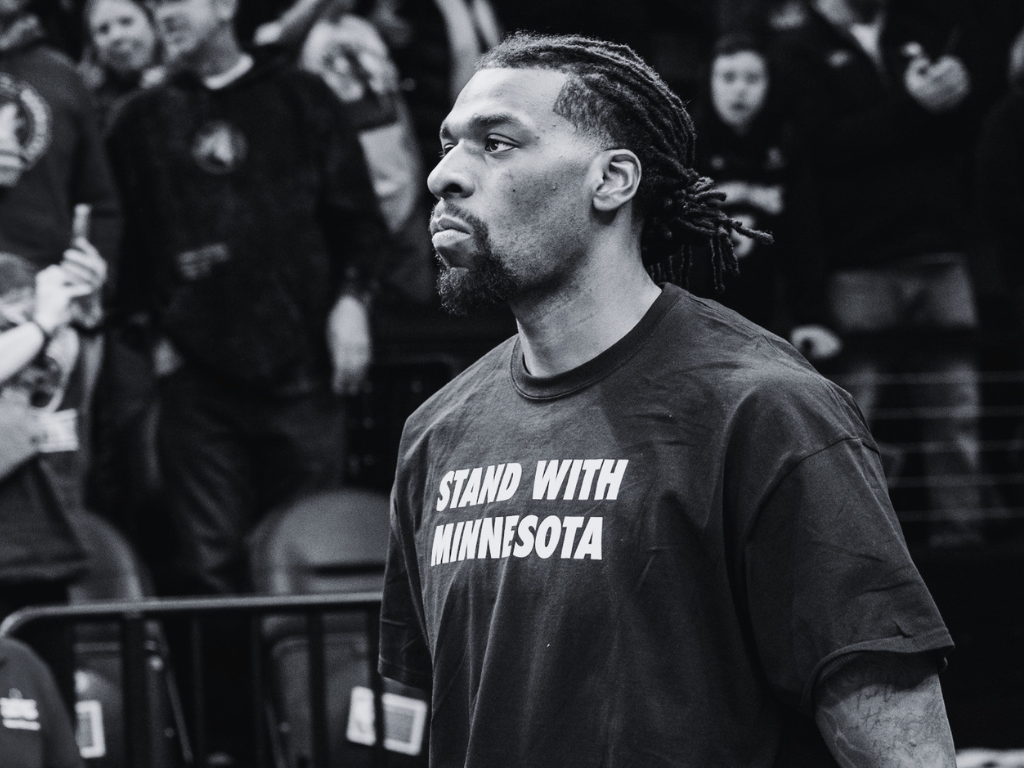
The NBA has a long history of players being instrumental for change. Kareem Abdul-Jabbar and Bill Russell were famously part of the Civil Rights Movement. LeBron James has made statements, as have countless others over the years. But Oklahoma City Thunder star Chet Holmgren’s comments on the Pretti and Good murders in his hometown of Minneapolis were telling. Holmgren made sure to keep politics out of his statement, saying, “I don’t want to get into the opinion or politics of everything, but I definitely just wanna send wishes to everybody up there that’s been affected.” Holmgren’s comments reflect the modern reality of not wanting to say anything too controversial, which mirrors the fear that many Americans have in an America that is incredibly divided today.
In a world where the president of the United States takes to his own social media platform to excoriate anyone who disagrees with them, there is a fear that public backlash is inevitable with any sort of strong statement. Holmgren, in particular, is susceptible to this. Holmgren plays in Oklahoma, a state where 87% of voting precincts voted for Trump. A vocal indictment of Trump and his policies would have likely resulted in a PR disaster for both Holmgren and the Thunder, which likely dictated his decision for a more restrained and measured response to something that happened in his hometown.
In 2022, a Pew Research poll indicated that 72% of Republicans and 63% of Democrats view the opposing party as immoral—a steep increase from 2016 numbers of 47% and 35%, respectively. A Marist Poll in 2024 found that 79% of Americans believe that the nation is completely divided on key issues and 78% see this division as a threat to democracy. These numbers show a country at odds with itself, with two clearly demarcated camps convinced that the other is a threat to decency. The result of this is that many companies have pulled back efforts at social messaging to avoid pushback.
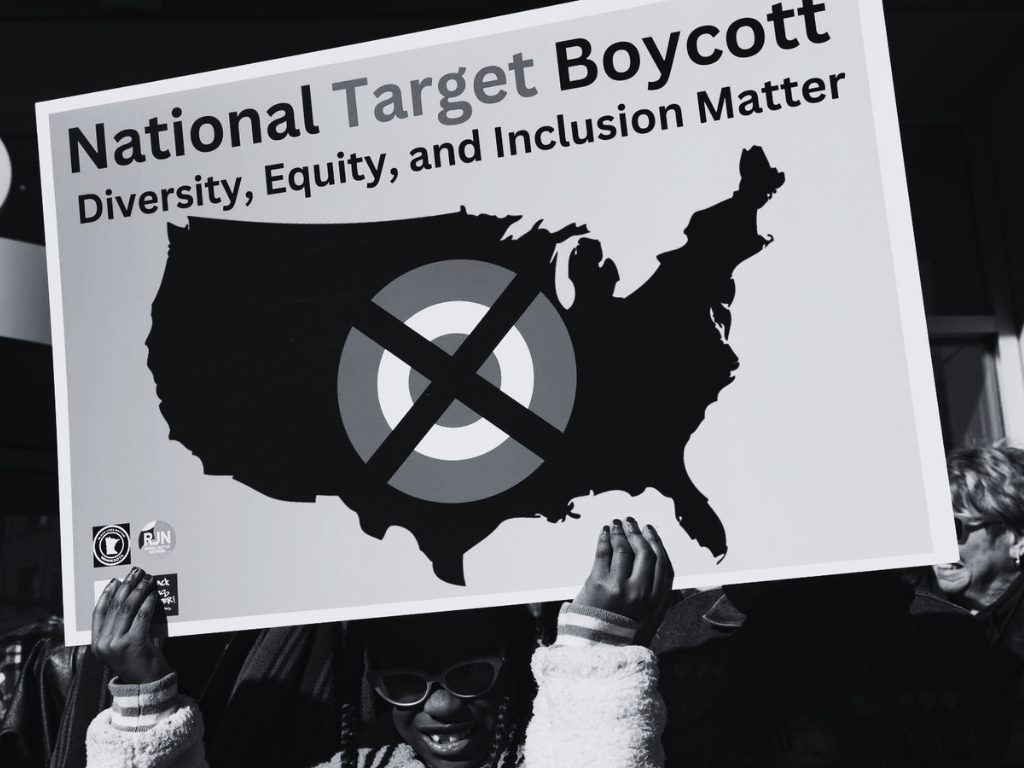
We’ve seen this in the retail space specifically, as companies have either doubled down or dialed back their diversity, equity, and inclusion efforts. Target, once a haven for progressive-leaning shoppers, has faced numerous boycotts for withdrawing its DEI efforts. Conversely, Costco has doubled down on theirs and, in many respects, has replaced the social status that Target used to occupy. This volatility has caused other companies to be much more cautious in their approach.
Within many corporate jobs, there are increasing conversations about how they are viewed with regard to the political spectrum. In a report by the Society of Human Resource Management, 87% of employers are concerned about managing divisive political beliefs, while 84% said that discussions about politics in the workplace will adversely affect employee engagement. These numbers indicate that most corporations view a neutral and silent approach as favorable, so as not to be considered the enemy of one entity or the other.
This matters in the context of the NBA because, despite its visibility, the league and its teams are very much corporations. We may view them as community pillars or part of our greater identity, but when all the platitudes are stripped away, they are entities interested in driving revenue and profit above all else. When it becomes evident that the more prudent approach is to be silent on political issues, that reverberates to our teams.
For the Warriors and Steve Kerr, there is a calculus about the deodorant of winning. When a team is successful, almost anything can be explained away because the team is winning and driving playoff merchandise and ticket sales. But when the winning stops, the calculus changes. If the Warriors were in the playoffs and were legitimate championship contenders, Kerr’s political statements would be irrelevant. But when the reality is that the run may be over, that’s when the message becomes stale and change is proposed.
The NBA is a league that is occupied by billionaires, a group of people that have never been less favorable in the eyes of many Americans and who are often associated as supporters of Trump and his policies. Owners like Miriam Adelson (Dallas Mavericks) and Tilman Fertitta (Houston Rockets) are known donors to Republican causes, and there is a general assumption that most NBA owners are in favor of the current administration, which puts someone like Kerr, who is a vocal critic of Trump, in the crosshairs of a new reality.
With the increasing valuation of NBA franchises, teams are now viewed as assets. What was once a pipe dream of local business heroes, has now turned into more portfolio stacking. When an entity shifts from connective emotional tissue to wealth accumulation tool, teams become more cautious, more sanitized by nature. From that lens, being the face of a team as a player or coach and making comments that are considered polarizing by the sheer nature of the makeup of this country, creates a sort of asset risk.
Teams will likely as a result prioritize people that enhance revenue. This means winning on the court of course but also comes with being a safe PR option that is less likely to get excoriated in the court of public opinion by leaning too far in one way or another. More than ever, owners are looking for the safe middle in a war between two entities perpetually at odds with one another. This is exacerbated by the willingness of the President to engage in a war of words more than any of his predecessors.
Because of Trump’s propensity to attack sports leagues, many NBA teams have focused their social justice work on the local level. Trump has shown a willingness to call out the NBA and the NFL since being president, and many teams simply don’t want that sort of negative press.
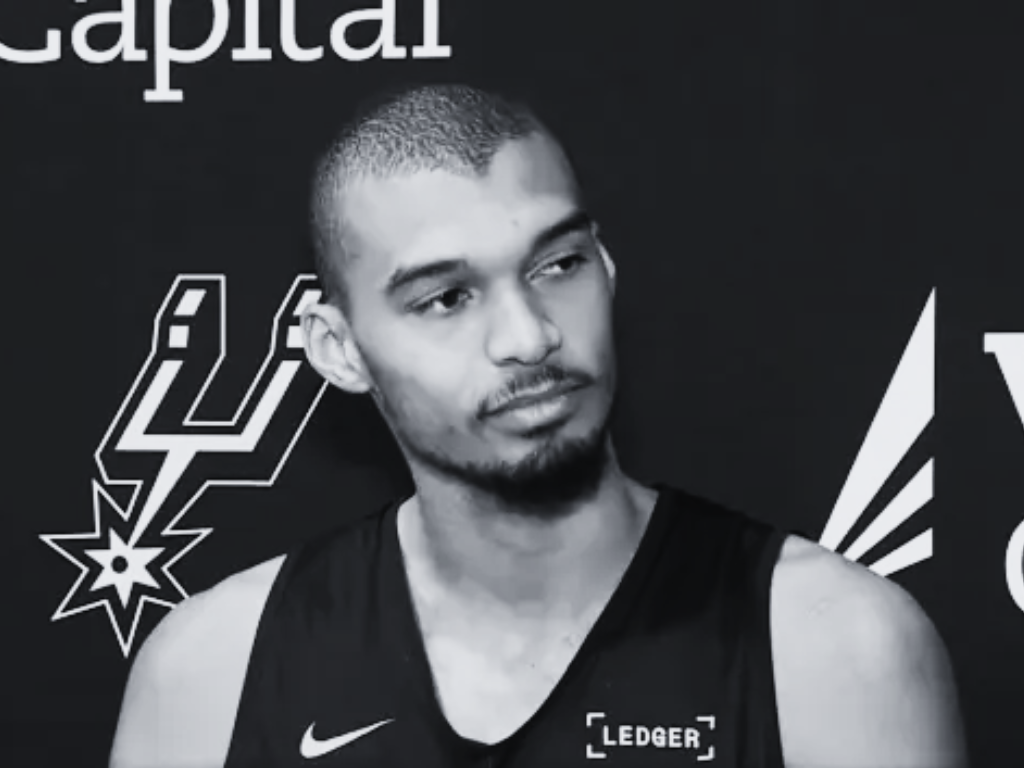
There have been some exceptions to the rule, with some players condemning the actions of the Trump administration, but much of it is closer to Chet Holmgren’s rhetoric as opposed to Kerr’s. A notable exception to that line has been the Spurs’ Victor Wembanyama, who said, “I think it’s crazy that some people make it sound like it’s acceptable, like the murder of civilians is acceptable.”
It is becoming increasingly clear that the way Steve Kerr approaches using his platform is becoming less and less encouraged, that understanding the brand implication—on both the macro and micro level—is becoming less and less popular. The NBA, as it often can be, is a reflection of the world that we live in. We are in a country where people are increasingly timid to speak out in fear of the system that has sustained them pulling the rug out from under them. That creates an environment where people like Steve Kerr can no longer exist in sports, and that is something that we need to reckon with.