
The Dynasty Validation Fallacy in the NBA


In defense of the one-time champion and why we are fixated on an antiquated dynasty framework
When it comes to debate shows on ESPN, there is a delicate balance to be met between scathing opinions and ludicrous statements that get aggregated on social media. Shortly after the New York Knicks won the 2026 NBA Finals, ESPN’s Vincent Goodwill experienced the wrath of the latter. In a discussion about dynasties versus parity as it relates to the health of the NBA product, Goodwill made an argument for dynasties, suggesting that multiple titles validated the greatness of a group. When pushed on it by Alan Hahn, Goodwill called the Larry O’Brien Trophy a “participation trophy”.
What ensued was Goodwill being skewered online for the suggestion that winning a championship was somehow cheapened to the level of a participation award. The statement in a vacuum is laughably dismissive of the past eight NBA champions. But his original intent—that dynasties prove and validate greatness—poses an interesting question. Are we at a point in basketball discussion and discourse where winning a title is not enough? Where one year of greatness cannot be appreciated? If so, it is telling about the way we view other mediums as well.
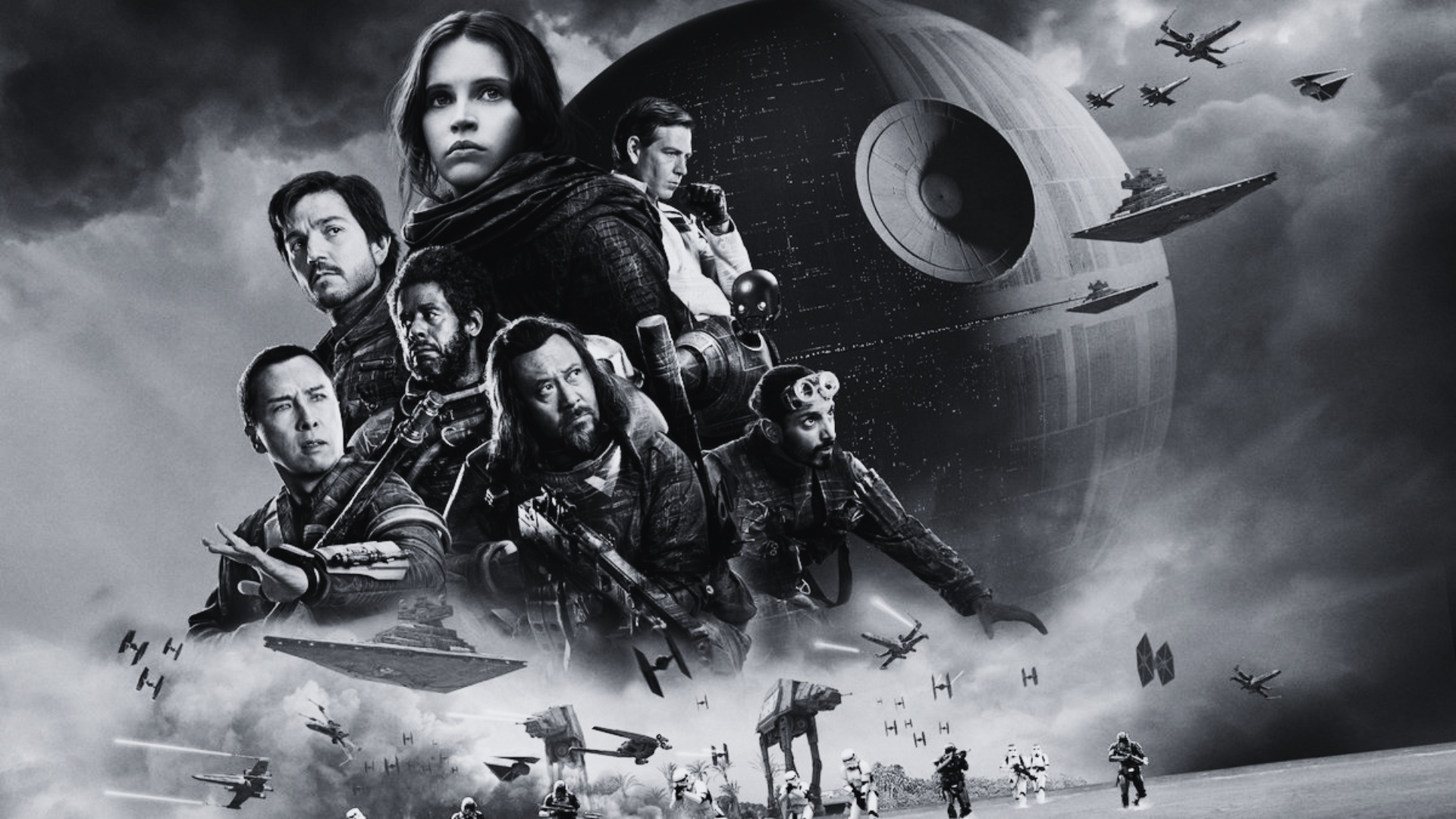
Star Wars is one of the most successful media properties in modern popular culture. It has spanned multiple decades, and its popularity remains pervasive in the zeitgeist. Everyone has opinions on the three different trilogies and there is much debate on the best Star Wars film. For me, my favorite has always been the 2016 spin-off “Rogue One: A Star Wars Story”. The main reason for this is because its main purpose was to explain one thing: how the Rebel Alliance achieved its first victory against the Empire, which was detailed in the opening crawl of the first Star Wars movie.
The film was incredibly successful, netting the highest gross of a Thursday opening in 2016. So successful in fact, that there was discussion of an off-shoot sequel centered around the premise of the film. But it wasn’t made because Rogue One was never meant to be a separately franchised property, it was always a standalone entity that served a purpose. It’s an unusual premise in modern day film, because so many movies are expected to have sequels and franchise IP—something that has been tainted because of the success properties like the Marvel Cinematic Universe.
The repetition of the same formula has been proven to be successful in the movies we watch, so it stands to reason that for many observers of the NBA, the same applies to basketball. Much how a new Marvel movie is more likely to get us to go to the movie theater than an indie film, a dynasty is more likely to get us to pay attention in the NBA than a one-off great season. It’s why most people love the original Star Wars trilogy over Rogue One, and it’s why we consider the all-time greatness of the Kobe & Shaq Lakers three-peat more than the 2011 Dallas Mavericks run.
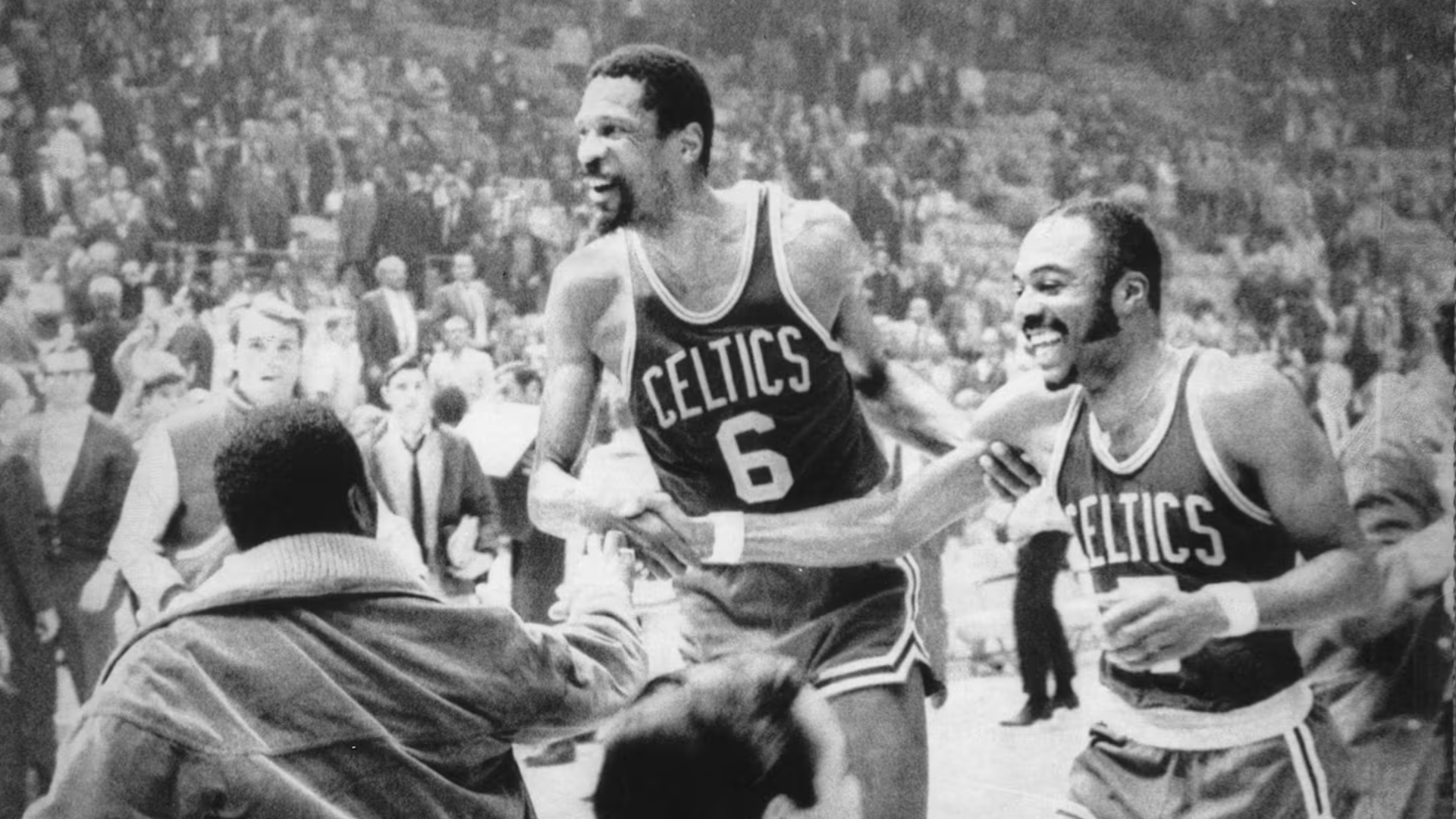
In the history of the league, we often talk in decades and the teams that defined them. Bill Russell’s Celtics are discussed with reverence because of their decades-long domination. Conversely, the 1970s are often maligned as a bit of a lost decade because it featured eight different champions in ten seasons. Despite having some historically interesting teams like the 1970 Knicks with the iconic Willis Reed’s surprise Game 7 appearance and the 1977 Portland Trail Blazers who became the first team to overcome a 2-0 Finals deficit and win. That decade, often maligned as inferior, gave us great stories—they just weren’t dynastic stories.
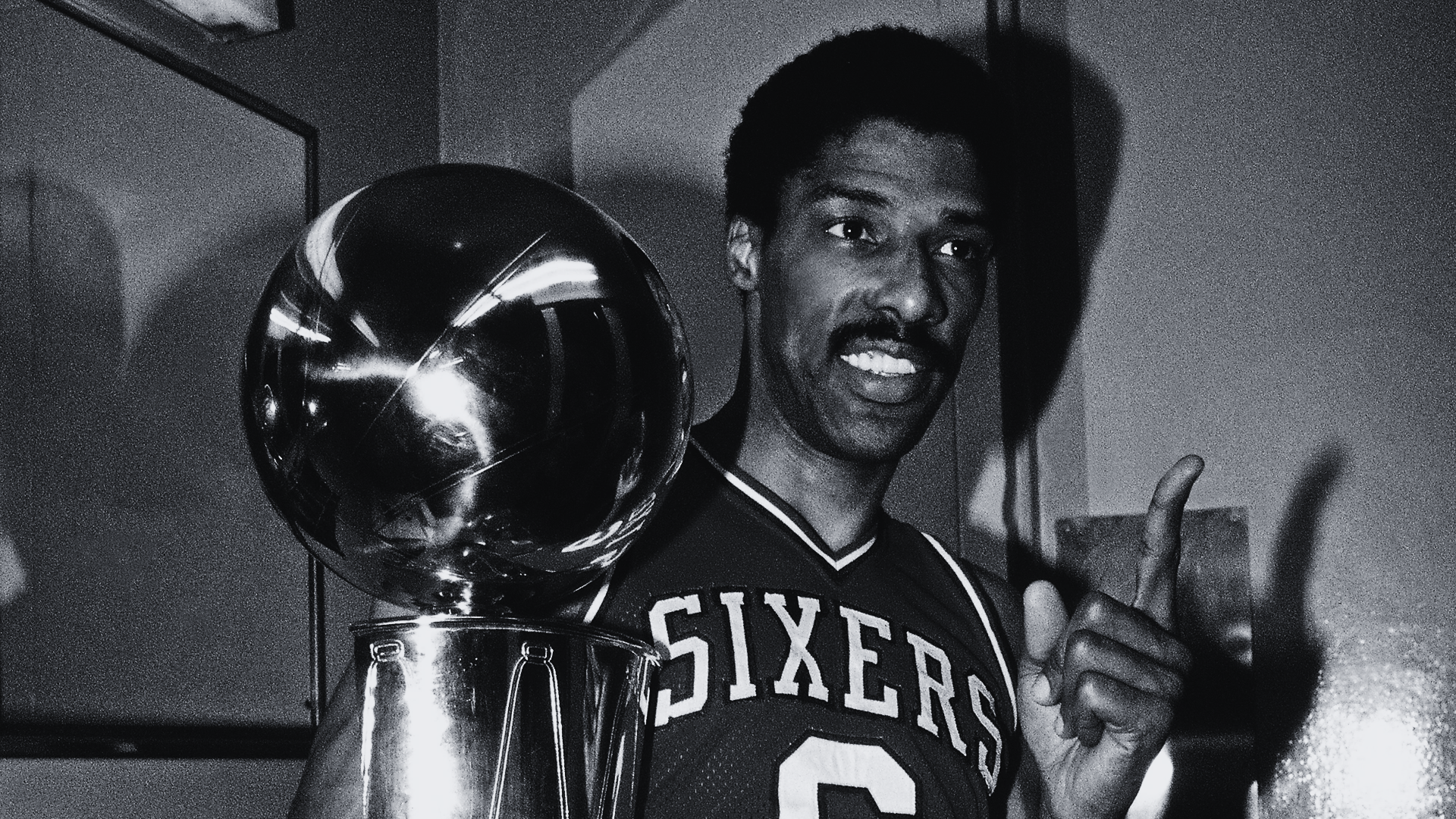
The way we view the 1980s is another point of emphasis for the way we remember dynasties. That decade is often celebrated for the ongoing rivalry between the Boston Celtics and Los Angeles Lakers. The teams met three times in the Finals in the decade, and both franchises were responsible for all but one championship in that time period. The exception? The 1982-83 Philadelphia 76ers, who swept the Lakers in the Finals. That team was one of the best in the history of the league, finishing the season 65-17, going 12-1 in the playoffs en route to a title, had the MVP of the league in Moses Malone, and ranked in the top five in both offense and defense.
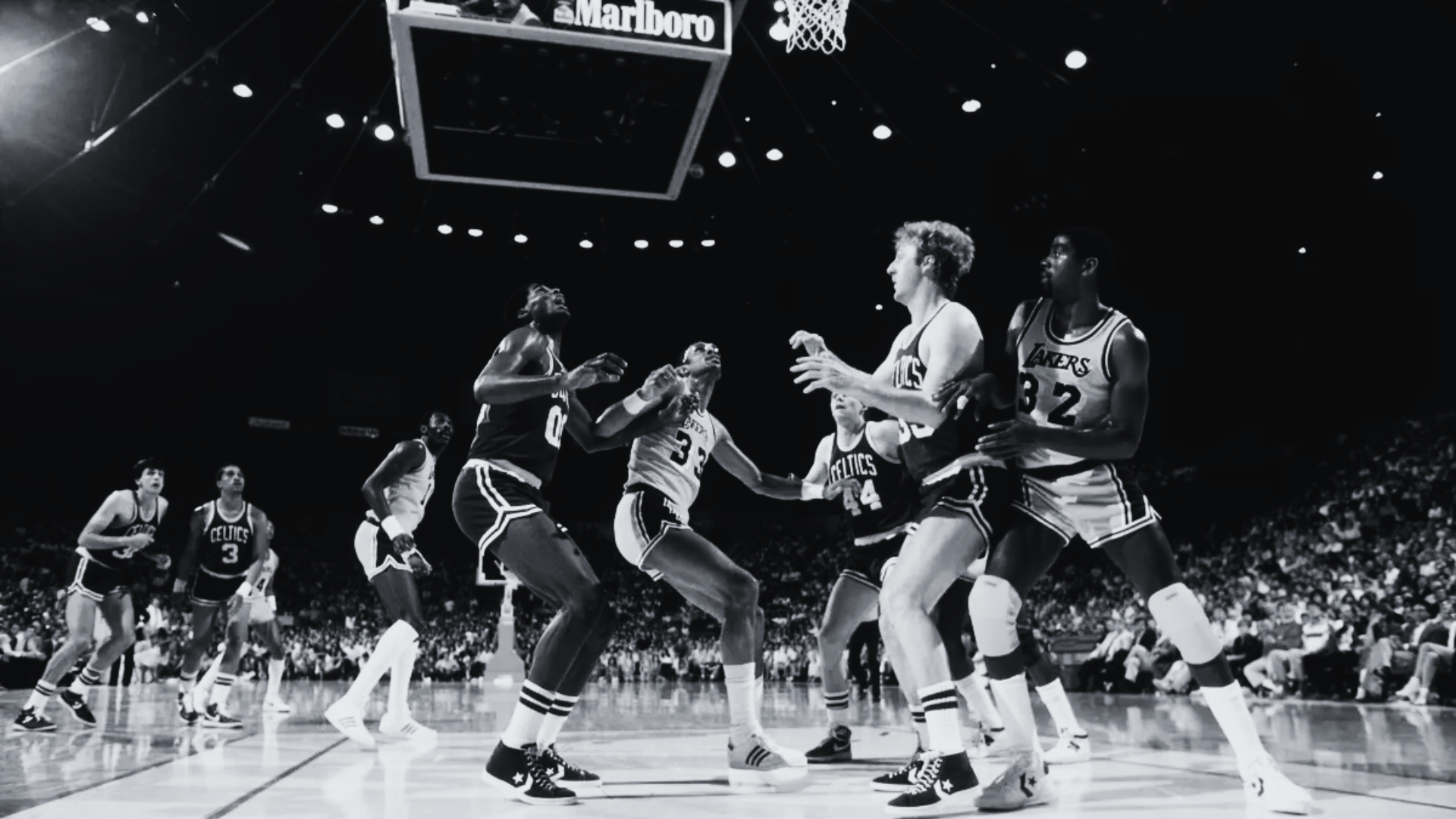
Despite that single year of excellence, when the 80s are discussed, they are a team that is often overlooked because of the wide-ranging dominance of Los Angeles and Boston. There was a story to Celtics and Lakers, it was a coastal rivalry between two wildly different approaches that played well. There was a new money vs old money dynamic in addition to a racial one that ultimately led to better storytelling, and that is what has prevailed in the time since then.
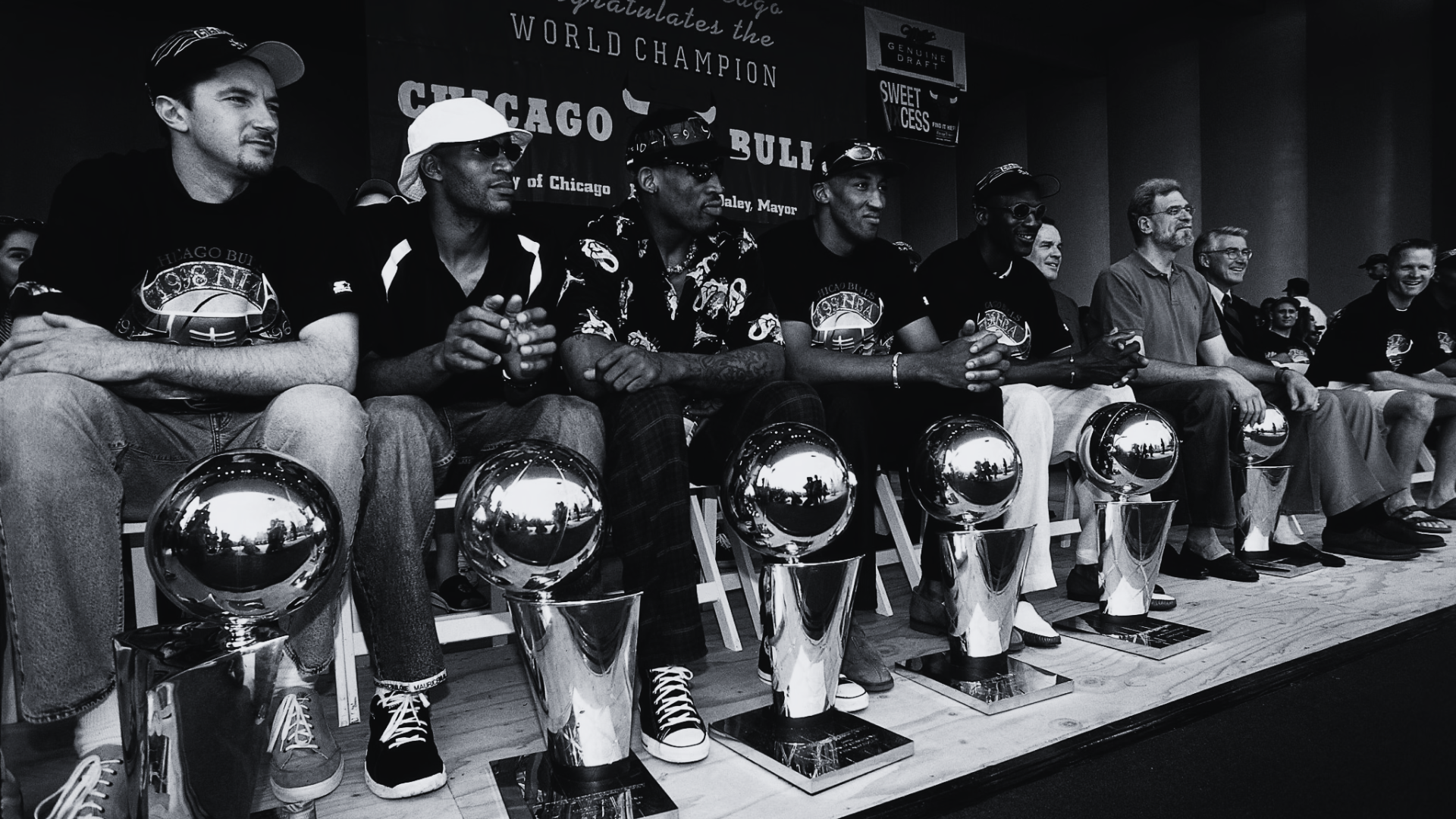
The history of the NBA since then has been rooted in dynastic expectation. The 90s belonged to Michael Jordan’s Bulls but even the titles won by the Detroit Pistons (’89 and ‘90) and the Houston Rockets (’94 and ‘95) were validated by going back-to-back, reflecting the dynastic feel even if on a shorter timetable. Over the following decade, various teams became iconic in basketball history, because we remember them validating their titles—the Kobe Bryant era Lakers, Duncan era Spurs, LeBron James’ tenure in Miami, and the ongoing Steph Curry Warriors. All of these teams won multiple titles, not always back-to-back, but they won multiple to meet the validation that Goodwill alluded to.
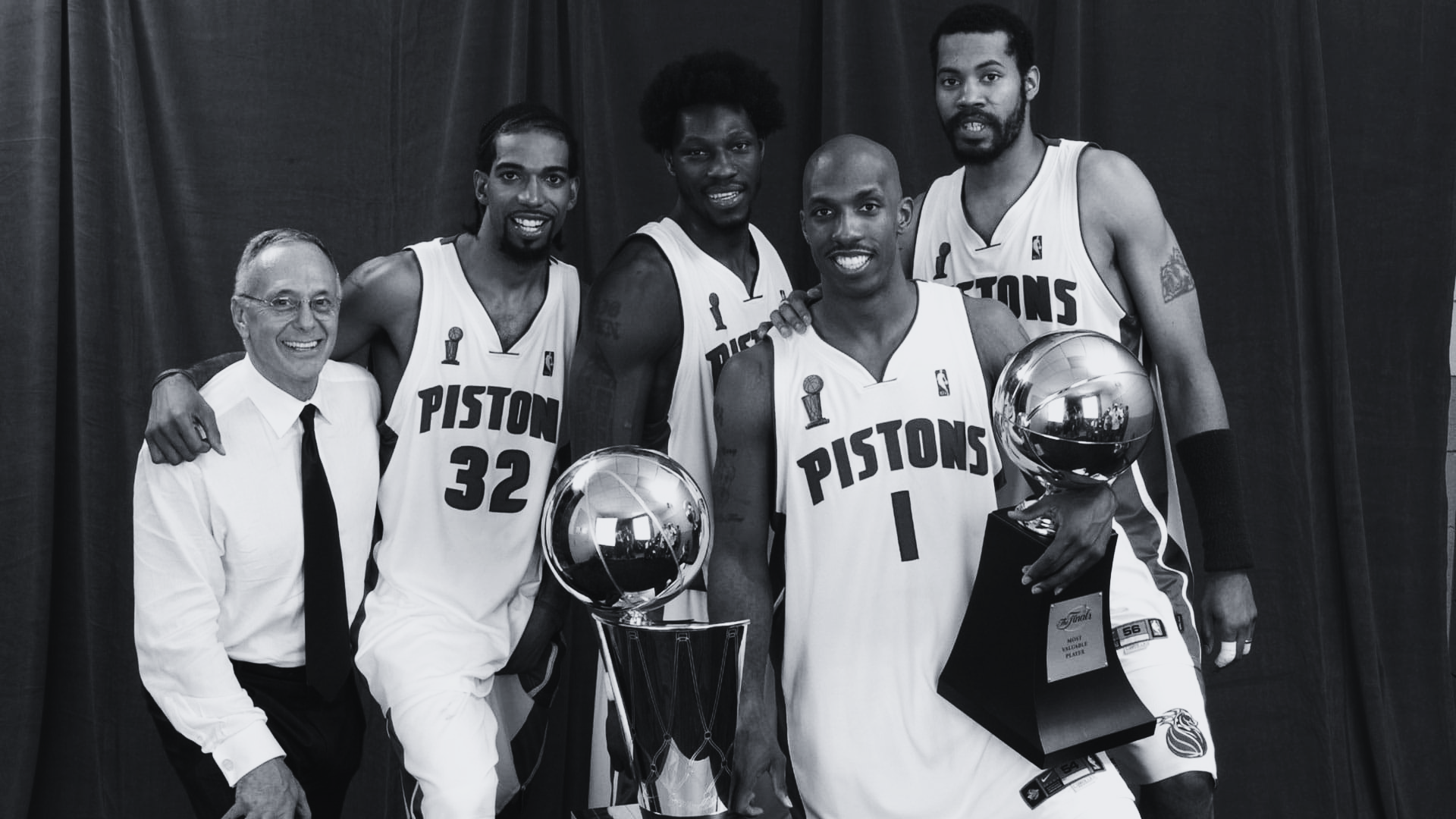
When we compare the viewpoint of those titles to one-off championships like the Pistons in 2004 or the Cavaliers in 2016, they are often framed as a moment in time and a fault of the opponent. Those criticisms credit the crumbling relationship of Shaquille O’Neal and Kobe Bryant just as much as the defense of the Pistons. Or there is blame for Draymond Green getting suspended in 2016 in contrast to the individual magnificence of Kyrie Irving and LeBron James. Those teams didn’t “validate” their championships the following years despite reaching the Finals again in a losing effort.
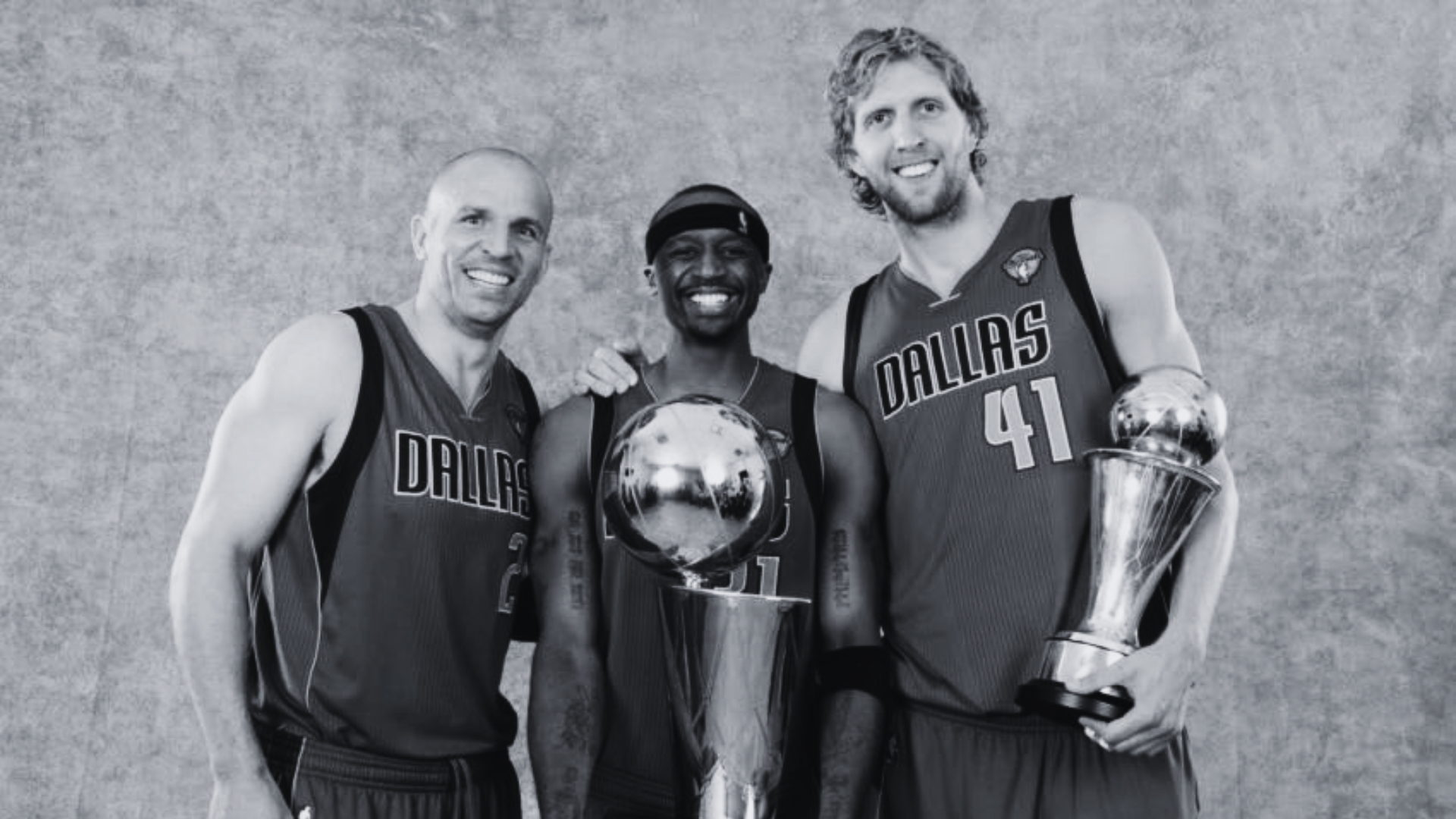
Instead, those championships are looked at as outlier situations, a lightning in a bottle moment, as opposed to being viewed as a great story. Perhaps the most famous of the one-off titles is the 2011 Dallas Mavericks. It was Dirk Nowitzki’s only title, and one that holds a lot of weight with NBA fans. They had a very difficult road to the title—beating an ascending Trail Blazers with Brandon Roy, sweeping the defending champion Lakers, the Thunder with Kevin Durant and Russell Westbrook, and beating the LeBron James Heat in the Finals. And yet, those Mavs are never viewed as an all-time great team, but rather a team and player that went on a legendary run for a couple of months.
That framing immediately places the champion of such a title at a disadvantage, because we have a built-in bias that while one championship is great, it is not truly special until there is a second one. It’s the need for a sequel all over again. We have a desire to see something that we are familiar with as opposed to contextualizing a new champion and embracing a new story.
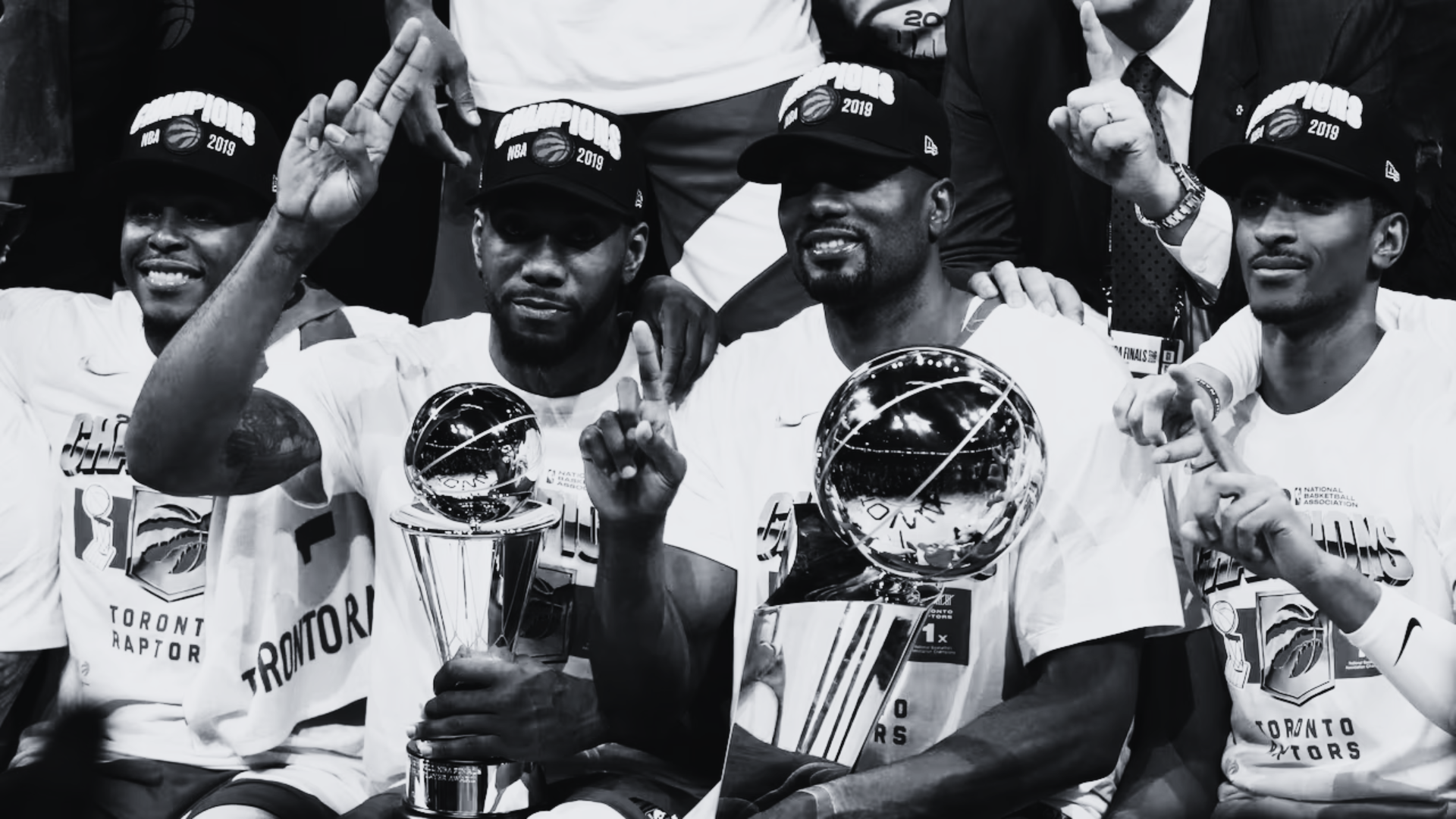
Since the NBA’s parity age, we have been forced to contextualize multiple different basketball stories. The 2019 Raptors were a mercenary story uplifting a team that had never won. The 2023 Nuggets presented us with a reality where an offensive genius (Nikola Jokic) can help overcome a middling defense (Denver was 15th in defensive rating that season, dispelling the need for an elite defense to win a title). The 2021 Bucks and 2026 Knicks were stories of broken championship droughts and the validation of two elite players (Giannis Antetokounmpo and Jalen Brunson). It’s much easier to wax poetic about the greatness of a dynasty that is a known commodity as opposed to reckoning with the unique qualities of a new champion.
This current era has delivered one-year phenomenal performances that while not on the magnitude of a dynastic run still deserve to be celebrated in a vacuum. The way we have viewed the idea of parity now and in the 1970s speaks to our inherent need for comfort and known commodities. Think about how so many of us treat going to a new restaurant. It presents the intrigue of new possibilities but also introduces the risk of a mistake. Going to the same old restaurant is safe, something where we know what we will get. A new NBA champion every year introduces new variable, new characters that we are unsure how we feel about.
With Jordan in the 90s, the cast of players and coaches were well established, and we became comfortable with them. Jordan was the ruthless competitor, Phil Jackson the innovative coach, Scottie Pippen the do-it-all Swiss army knife wing. But now we are forced to reckon with various player archetypes and team constructions as definitions of greatness, which can present contradictions and confusion.
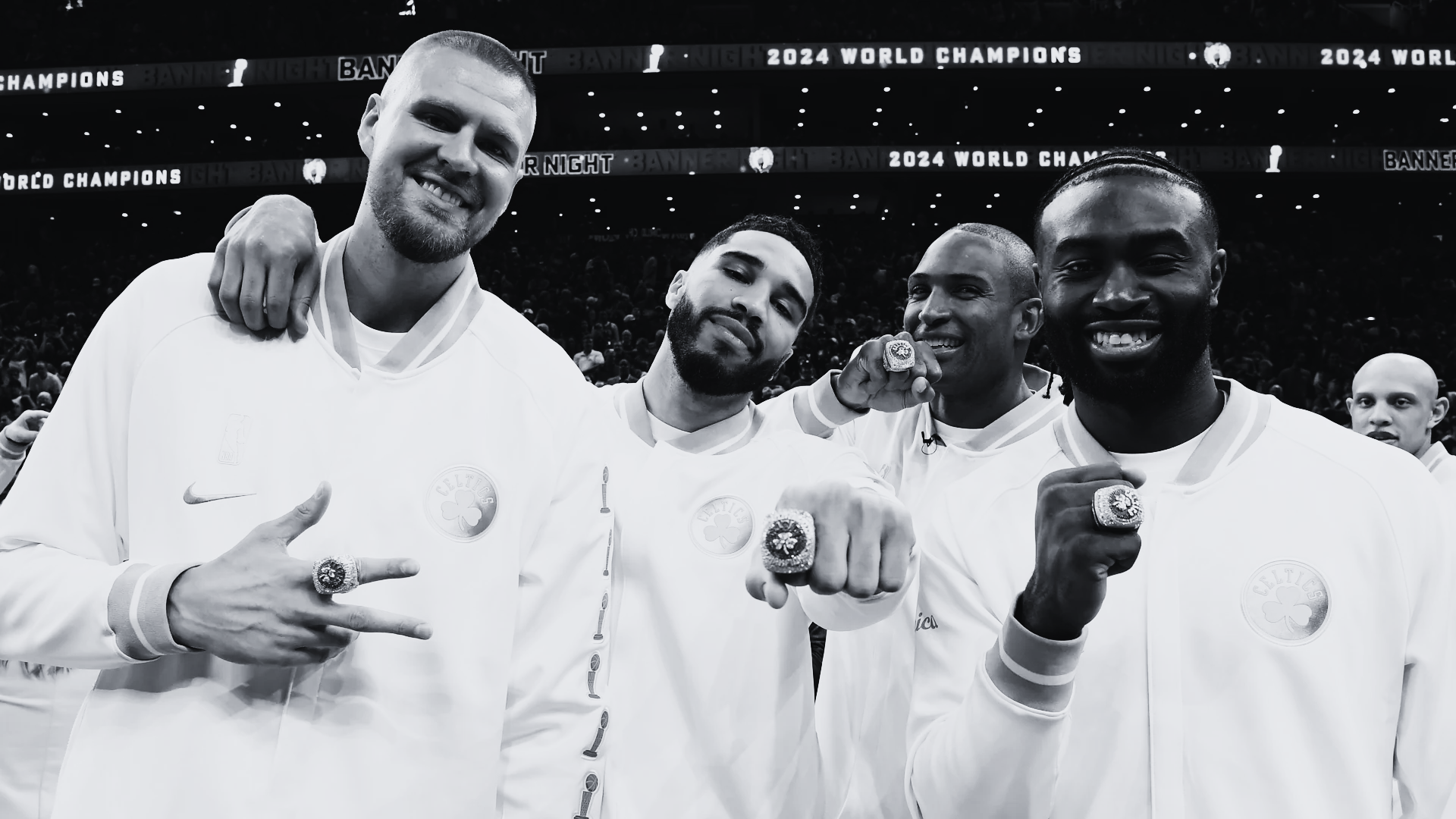
The 2024 Celtics validated the idea of winning with analytics behind the excellence of two elite wings (Jayson Tatum and Jaylen Brown). The very next year, the Oklahoma City Thunder won with depth and aggressive defense, winning a title while shooting poorly (33% from threes during the playoffs) throughout the postseason. In a year over year basis, we were presented with data only for it to be contradicted the next season. In a basketball world where we often have so many definitions over what wins and what doesn’t.
The lesson of this era is ultimately that greatness is fluid, it is abstract and undefined. A team can catch lightning in a bottle and become unbeatable, or a player can reach a new level and change the way we view him. This is not better nor worse than the story of a dynasty—it is merely a different kind of story. What the parity era shows us is that the idea of a title being validated was always a misnomer.
What Vincent Goodwill’s comment suggested was that dynasties are special, which is true. However, their absence doesn’t make an individual title less impactful and certainly is no participation trophy. Creating a zero-sum game where basketball greatness is measured with dynasty or nothing, ignores great moments and stories in basketball history. Dismissing them as participation trophies is a failure of contextualizing history.