
The Erased Legacy of the Harlem Globetrotters
The Harlem Globetrotters were trailblazers who helped integrate professional basketball and proved Black excellence to a skeptical nation, but have we forgotten them?


Over the last few years, the Savannah Bananas have become an internet sensation. With their entertainment-first approach to baseball, they played in front of over two million people in 2025. They have achieved success through playing a fast-paced and engaging brand of baseball that is accessible and optimized for social media in the TikTok era with a variety of dances.
This entertainment priority is reminiscent of another long-standing act in basketball: the Harlem Globetrotters. Like the Bananas, the Globetrotters tour different cities and prioritize audience engagement. But while the Bananas have an ethos rooted in entertaining and making baseball fun, there was a time when the Globetrotters used their hardwood ethos to address racial issues in America.
That history and legacy is often forgotten today. The Globetrotters are not the phenomenon they once were and have operated in a strictly entertainment space since the expansion and growth of the NBA. Behind all of the antics and jokes, we have forgotten that the Globetrotters were trailblazers in a time when Black basketball players had no other options.
The Perception of Today
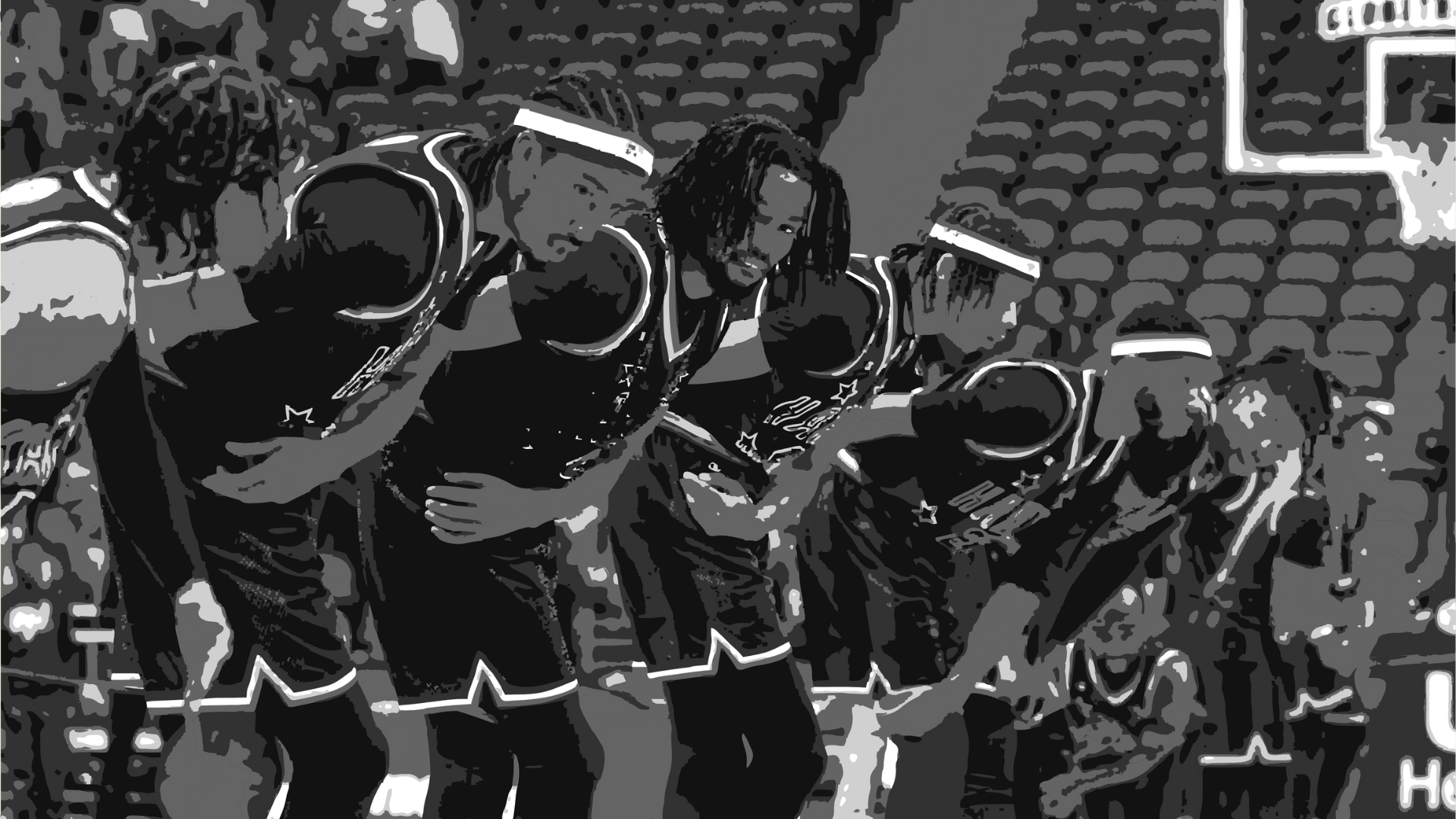
In modern times, the Globetrotters and Savannah Bananas are generally indistinguishable from one another in terms of a sports product that is more about generating laughs and amusement as opposed to highlighting athletic excellence. The Bananas have leaned into the comparisons, taking it as a point of pride to be viewed in the same vein as the Globetrotters.
The team is currently in the midst of its 100 Year Tour, celebrating a century of existence. The Globetrotters describe the tour as an interactive, family-forward event—filled with pre-game experiences, post-game interactions, and a visual product that redefined basketball all those years ago.
That lens of a fun time has permeated the image of the Globetrotters and have relegated them to being viewed as the basketball equivalent of a comedy show. Due to the ubiquity and saturation of serious basketball through the NBA, WNBA, Unrivaled, NBA G League, and college basketball, the schtick of the Globetrotters hasn’t captivated the masses in today’s day and age.
A commenter on Reddit noted the following, which is a good barometer for how most people feel about the Globetrotters currently: “I was a bit disappointed. I thought it would be primarily a basketball game with a ton of tricks and showmanship. It was instead more just a set of different performances/routines, many of which involved a basketball. There wasn’t a lot of actual basketball being played.”
Jesse Cole, the founder of the Savannah Bananas, has addressed the comparison between his baseball team and the Globetrotters noting that they “are not the Globetrotters. We are going to go out and create competitive Banana Ball and create a sport…They just said let’s script the show and do the same thing over and over again.” Cole’s comments reflect the modern viewpoint of the Globetrotters—a good entertainment product that is often too predictable to capture the mindshare of the zeitgeist.
Basketball has reached a critical mass in America to the point that what made the Globetrotter’s so fascinating in their first half century, no longer applies today. The byproduct of that reality is that they’re looked at in the same vein as circus performers, and their impact on what the NBA is today is completely ignored.
A History of Trailblazing
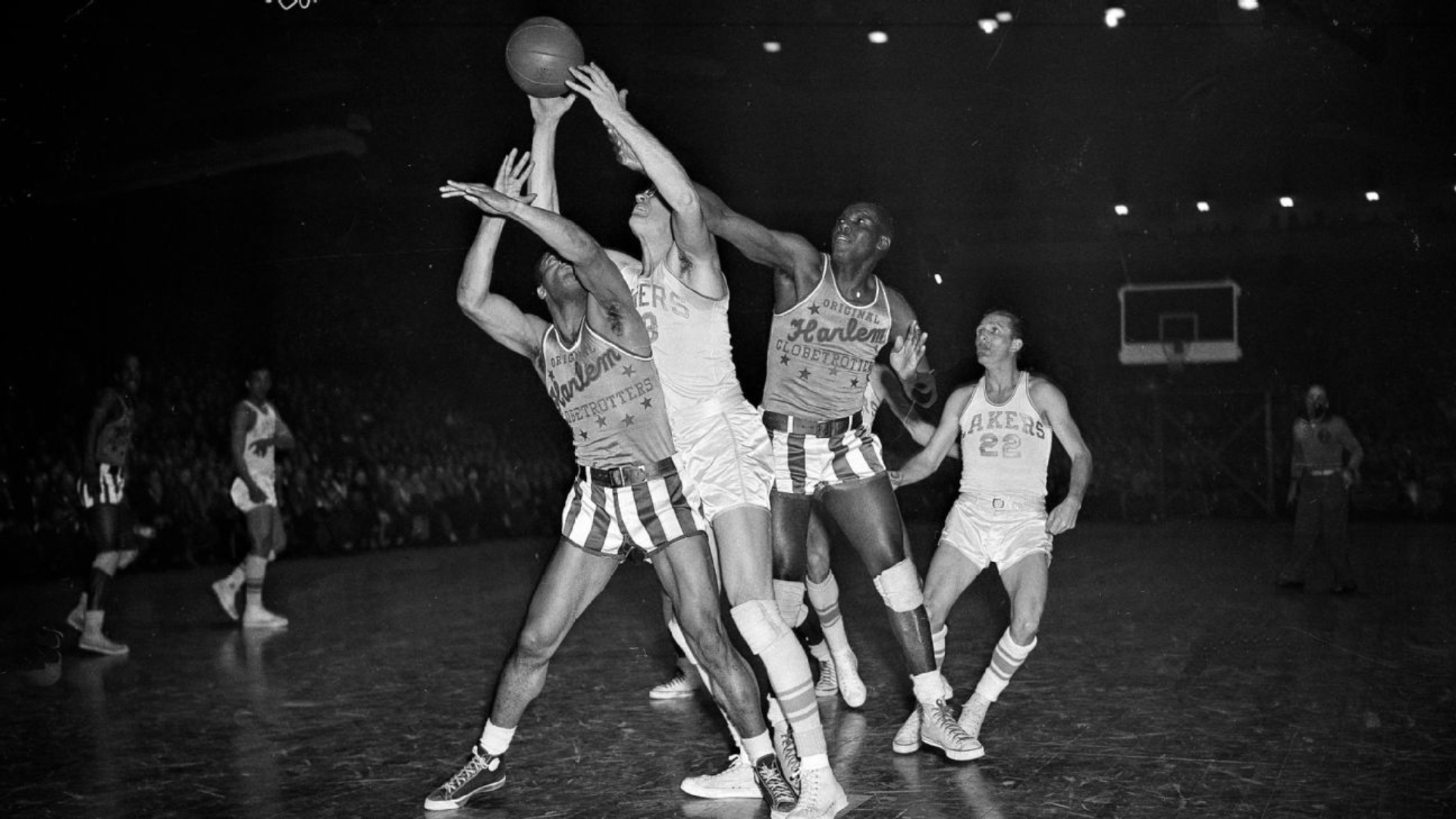
To understand why the Globetrotters are so associated with theater and comedy, it’s important to understand why they were forced into that lane to begin with. The Globetrotters were founded in Chicago in 1926 as a way to showcase Black basketball talent. What started as a warmup act before dances at the Savoy Ballroom turned into a travelling basketball team.
The team started touring Illinois and Iowa, eventually changing their name from the Savoy Big Five to the New York Harlem Globetrotters—a nod to Harlem being the epicenter of Black American culture in the early 20th century. The Globetrotters were one of many all-Black teams in what was called the “Black Fives“ era.
The era started in 1904 when Black players were excluded from participation in professional basketball leagues. As a result, teams were affiliated with churches, athletic clubs, social clubs, and other businesses. It was very much an era of maximizing on opportunity when talented Black players were shunned by professional leagues.
As the Globetrotters gained notoriety and became a household name, they had a virtual monopoly on the best Black basketball players in the country—which led to them winning a lot of games. In 1948, an exhibition was organized between the Globetrotters and the Minneapolis Lakers. The Lakers featured two players that would eventually be inducted into the basketball Hall of Fame: Jim Pollard and George Mikan.
Mikan is often credited as being basketball’s first true superstar when the NBA was created in 1946 and won championships in five of their first six seasons in the league. The teams filled Chicago Stadium, as 18,000 people watched Minneapolis take a nine-point first half lead. In an America that viewed Black athletes and people as inferior, it all went according to plan.
In the second half, however, the Globetrotters employed a double team against Mikan and turned up the tempo. The game ended on a game winning shot from Emer Robinson. And with that basket all of America was exposed to a reality that the Black community knew all too well: the Black basketball players were just as good if not better than their white counterparts.
It was a moment of empowerment for Black basketball fans. Former Temple head coach John Chaney remarked that “it just revitalized us, from the fact that [it showed] what we can be.” The following season, the Dayton Rens were admitted into the NBL (a precursor to the NBA). The Rens were an all-Black team that became the first integrated professional team to join what was considered an all-white professional league.
It’s important to note the significance of this time period. It was two years after Jackie Robinson had broken the color barrier in baseball. There was a changing tide in race relations coming in America. The South was still incredibly segregated, with the scourge of Jim Crow laws inflicting death, pain, and suffering on Black Americans. The Globetrotters became a seminal part of this movement and are to be credited for the eventual integration of Black players in the NBA.
In 1950, the Globetrotters made NBA history through two players. Chuck Cooper became the first Black player to be drafted by an NBA team when the Celtics selected him with the 13th overall pick. His teammate Nat “Sweetwater” Clifton then became the first Black player to sign an NBA contract when the New York Knicks acquired his contract from the Globetrotters for $12,500.
This history is often forgotten, but the entrance of Cooper and Clifton into the NBA eventually opened the floodgates for other Black players to play professional basketball. It is the Globetrotters that we have to thank for that development that gave us talents like Bill Russell, Wilt Chamberlain, and Elgin Baylor who defined what the NBA became in the 1960s and beyond. Today, 78% of the NBA is Black—a clear indication of the impact that Clifton, Cooper, and by extension the Globetrotters had on the future trajectory of basketball.
As the NBA continued to attract Black talent, the Globetrotters realized that they had to pivot. They were no longer the hub for premier Black players. And by the consequence of the time that they lived in, that pivot was comedic by necessity.
The Pivot to Theater
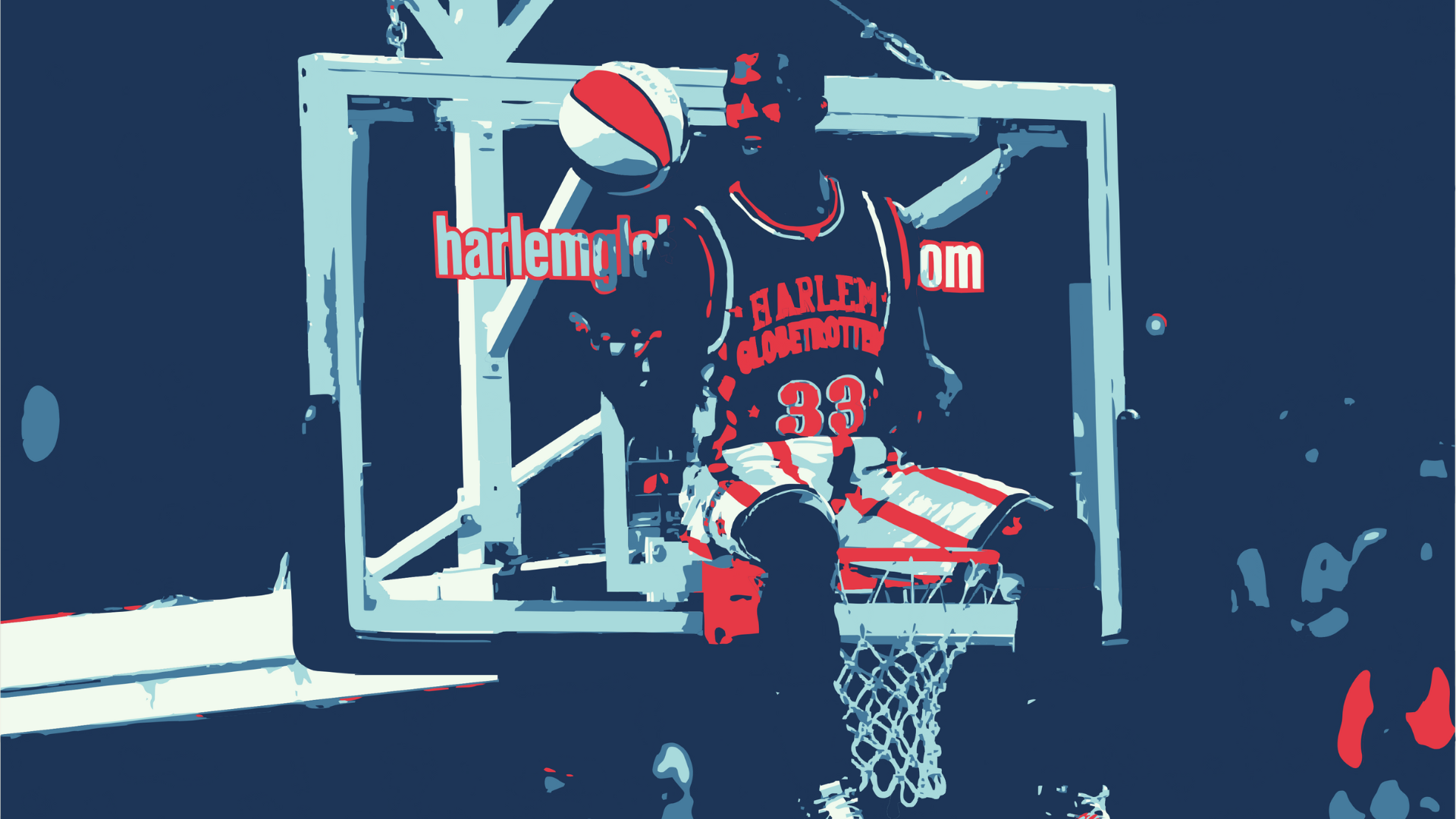
Before they ever thought to play the Lakers, the Globetrotters started to incorporate comedic elements into their basketball style—a pivot that started when they signed Reece “Goose” Tatum in 1941. They had to do this because at that time there was a sense that Black performers had to make white audiences comfortable. And to do that, they had to engage in minstrelsy.
Minstrel shows were not a new dynamic in America by the 1940s. On the contrary, they had been an accepted form of entertainment as far back as the 1830s. These shows depicted stereotypes of Black Americans by white actors in blackface. These shows often portrayed Black people as dimwitted, lazy, cowardly, and happy-go-lucky. It was in these shows that the term Jim Crow gained popularity. Crow was a minstrelsy character who was an exaggerated portrayal of a Black man who wore tattered clothes and danced all the time.
With a century of minstrel shows as the foundation, the expectations of Black actors and entertainers was pre-defined. Producers and executives insisted that Black actors speak like the minstrel characters from the 19th century—an ask that was degrading and racist. The use of blackface continued to be a mainstay in Hollywood into the 1940s—so it is easy to understand why the Globetrotters felt that the theatrical caricature of Black people was the only viable path to their success.
Even into the 50s, Black roles in film were always set with exaggerated and racially stereotypical roles. Very few Black actors were able to land work in respectable dramatic roles, with a known exception being Paul Robeson. The world of the 40s and 50s that the Globetrotters inhabited was one where blackface was still acceptable and the public perception of Black people was still rooted in making white people feel comfortable.
In that vein, the pivot to comedy combined with the NBA’s acceptance and embrace of Black players became a mode of survival for the Globetrotters. That approach led to the Globetrotters being used in the middle of a propaganda war between the US and the Soviet Union in 1959 when they played in Moscow. The Globetrotters were used as the American answer to the Soviet criticism of race relations in the Unites States. This moment of goodwill became seen as a way that sports bridges political divides. Even in their comedy pivot, the Globetrotters were still able to be a force for change.
Erasure & Rewriting
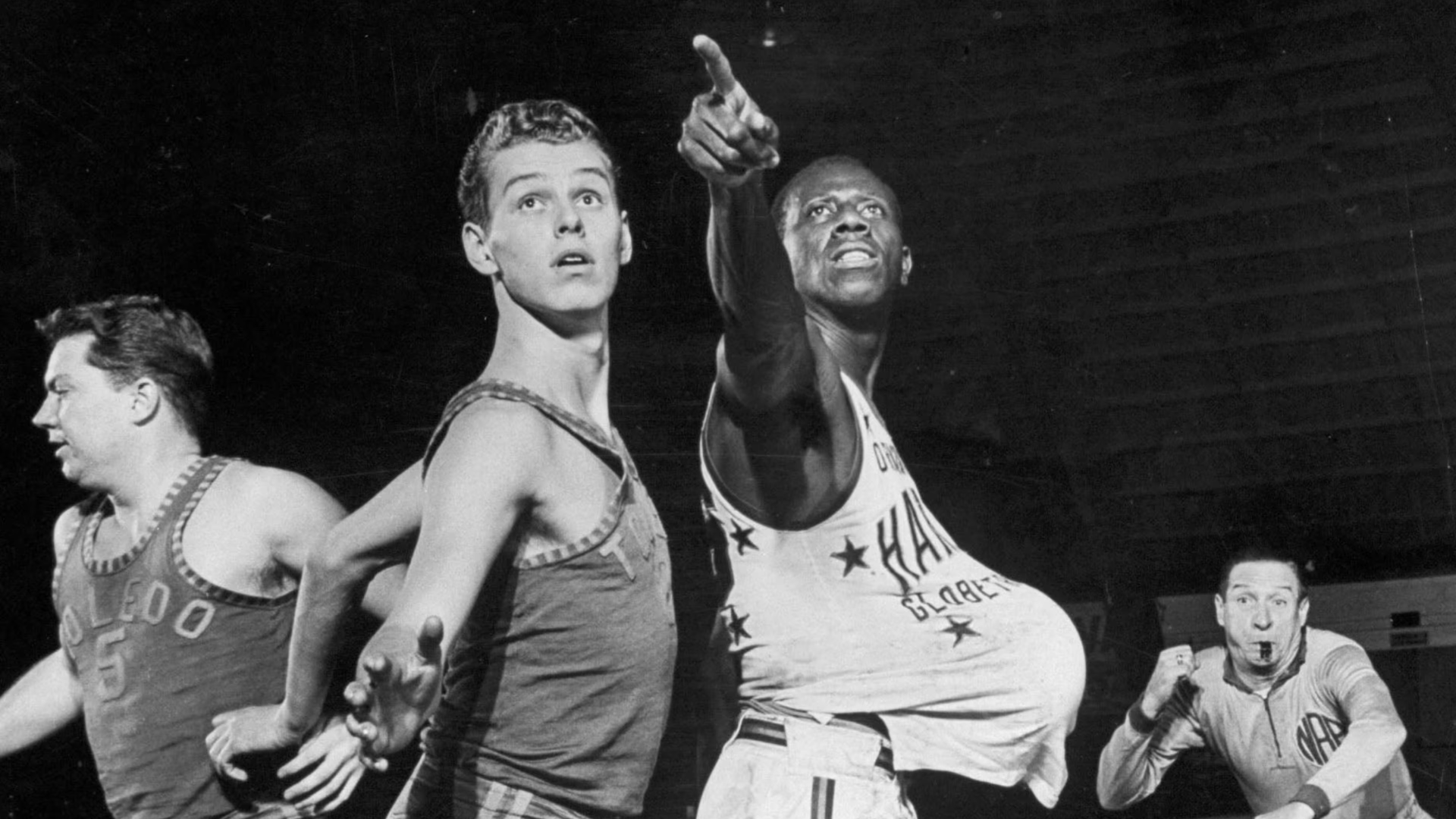
The 1960s were a decade of change in America, but specifically for Black Americans. During this time there was a push for equality, and an end to segregation. The Globetrotters found themselves in the crosshairs of this movement, as the minstrelsy-adjacent approach to basketball-themed entertainment rubbed many Civil Rights activists the wrong way.
This was not the case across the board, however. Jesse Jackson once came to the defense of the Globetrotters, saying: “I think they’ve been a positive influence. They did not show Blacks as stupid. On the contrary, they were shown as superior.”
But the characterization of the Globetrotters as jesters for white audiences stuck. They were deemed inauthentic and performing a version of Blackness that felt both compromised and exaggerated.
This is the ultimate tragedy of the Globetrotters. They were seminal figures in Black progress, and yet they were eventually viewed as a detriment to that same sense of progress because the realities of society had changed. It’s tragic because their goal in some ways was achieved—integration happened, Black athletes became appreciated, and yet they are removed from that history.
When they made their pivot in the 40s to theater and comedy, the Globetrotters became looked at as unserious jesters. And yet when juxtaposed to their alleged baseball reincarnation, the Savannah Bananas, there is a difference of opinion. The Bananas are viewed as innovative for their antics, as making baseball fun again. They enjoy the benefit of not carrying the cultural weight that the Globetrotters had to carry for decades.
What is often forgotten in the characterization of the Globetrotters is how dangerous their existence was when they turned in the segregation era. They could perform to a predominantly white crowd and make them cheer. But if they tried to eat at a restaurant after the game concluded, it’s incredibly likely that they would have been refused service. A particularly awful example of this is from former Globetrotter Hallie Bryant who remembered that when the team played in Nebraska that there were only white hotels and the team instead had to sleep in county jail.
It is a tragedy that as they celebrate their centennial anniversary the Globetrotters are little more than a punchline to many people. Their contributions to the integration of basketball, and by extension the eventual success of the NBA, have largely been overlooked. This Black History Month, the NBA has had players wearing warmup shirts that honor Chuck Cooper and Nat Clifton and they are recognized as the pioneers of integration in the game. But those platitudes often overlook that they were Globetrotters before they were ever NBA players.
They say that history is often written by the victors. The way we view and associate the Harlem Globetrotters is proof of that axiom. Their history is one of a pioneer, of an entity that deserves higher recognition. But instead, we are left with the image of the caricature that they were forced to play.