
The Fading Value of NFL RedZone
The inclusion of ads, the rise of Multiview, and the erosion of a must-watch program
In 1985, Coca-Cola introduced a new product that it dubbed “New Coke”. This was a revision of the tried-and-true Coca-Cola Classic that helped the company dominate the soda market for decades. But the 80s brought turmoil as Pepsi started to gain market share. New Coke was a sweeter version, aimed at luring Pepsi drinkers back to Coke. It failed spectacularly because they messed with what was working. Coke would eventually go back to the Coca-Cola Classic recipe and reclaim some market share.
The lesson of New Coke is that sometimes it’s not wise to mess with a tested formula. I can’t help but think of that infamous business blunder when looking at the modern state of NFL RedZone. When ESPN acquired the rights to the whip around football show, there were legitimate fears that the network would ruin an excellent product. Within a season, fans have revolted as the show no longer features “seven hours of commercial-free football” and has gradually integrated more advertisements into the product—undermining the original value proposition of RedZone.
After sixteen years of this format, people have rightfully been disappointed, especially since RedZone is part of a premium subscription. Adding ads, in essence, feels like a betrayal. As more and more ad slots are added to maximize revenue in between game action, it’s time to wonder if RedZone serves a purpose in today’s sports-viewing climate.
RedZone’s Appeal
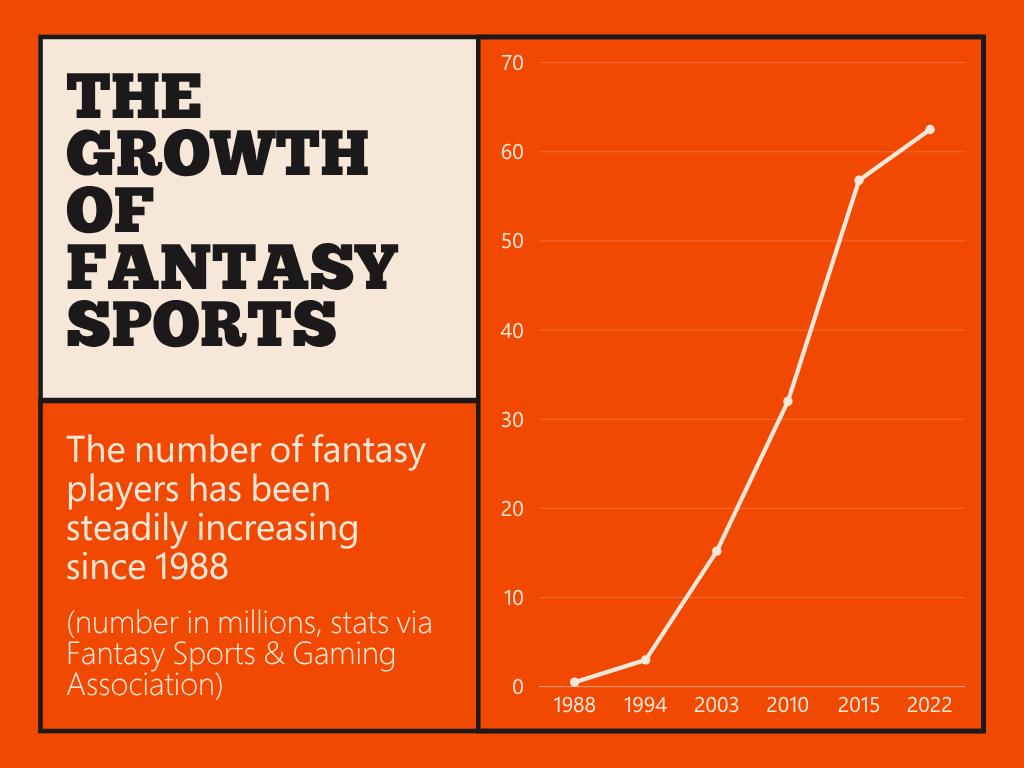
Before getting to the present, let’s reflect for a moment about what made RedZone so appealing to begin with. The rise in RedZone’s popularity is directly tied to the proliferation of fantasy football—and subsequently legalized sports betting. Because RedZone made the promise of showing the viewer every touchdown from every game, it was the perfect watching tool for fantasy players hoping that the player on their roster scored points for them, and it was also perfect for bettors wagering touchdown props.
In a roundabout way, RedZone was able to tell the story of every game around the NFL without committing fully to one game. All games were not created equal, however, as blowouts were often not shown at all with the exception of showing a touchdown to fulfill the every touchdown promise. But despite that, it provided a centralized way to follow the day’s action and track the highest-performing players.
While the fantasy and betting prop aspects are major drivers of the popularity of the show, the truth is that the absence of commercials was the selling point for many viewers. One of the reasons that the NFL is such a profitable TV enterprise is that it is a very structured advertising vessel. There are commercials after kickoffs, timeouts, changes of possession, the two minute warning, and in between quarters. It is much more layered and structured than other sports like basketball and baseball.
For years, RedZone functioned as a kind of ad-free refuge for football fans. It was all action, no commercials, little fluff. For those that simply wanted big plays and nothing more, this was where to go. But with the inclusion of ads and the current landscape of how people watch and consume the game, has the program outlived its relevance?
A Changing Landscape
NFL Sunday Ticket was a media product that was incredibly gate-kept for many years. By being tied to DirecTV services, it required users to be using the satellite provider’s TV services to have the privilege of spending $300 a season to access all out of market games. This changed in 2023 when Google was awarded the media rights for Sunday Ticket and began selling it as an add-on to YouTube TV and as a standalone on YouTube.
By making the service available with no commitment for anyone with a Google account, Sunday Ticket became a much more mainstream offering. This year, Google introduced monthly pricing, making it more accessible to anyone interested in watching more NFL games.
For YouTube TV customers, the viewing experience has been profoundly updated with the inclusion of Multiview. Multiview lets viewers watch up to four games simultaneously. It also gives the user the ability to customize their view and add and remove games as they wish. This means that if you were someone that had a vested interest in Cleveland vs Cincinnati, you can keep that game on screen without having to worry about RedZone not featuring the game prominently.
Multiview proved to be such a hit that other TV providers like Xfinity have mimicked the feature in their offerings—it’s a feature that has become table stakes in 2025. In the 4:00 PM E.T. window of games, Multiview has rendered the need for RedZone relatively useless. If RedZone continues down the path of adding commercials, then there is no true difference, and Multiview presents the opportunity to focus on specific games as needed—giving the user control of their experience.
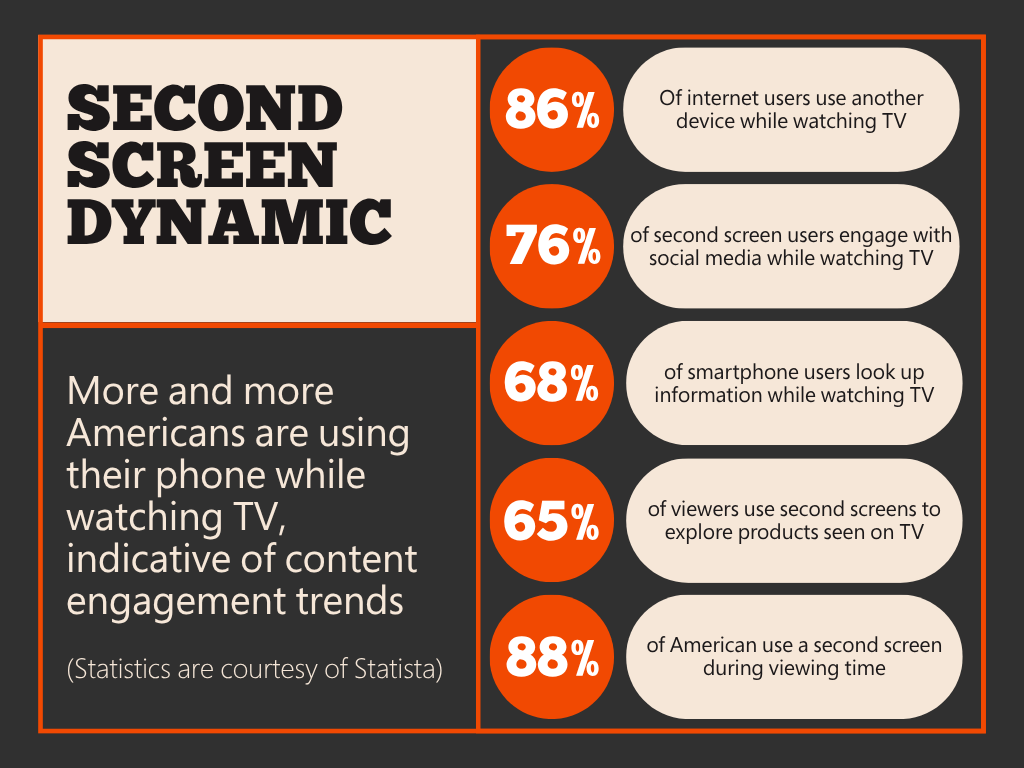
RedZone also provides live-updating stats in its side panel throughout the broadcast. Today, this has become less necessary with the second screen phenomenon. If someone is watching a game on TV, chances are that they have their smartphone close by. They will be scrolling social media, watching highlights, and checking stats on their phone while watching one game (or four). Once again, a core use case of RedZone has been reduced.
The question becomes then, in 2025 with the way that we consume games and the media space around them, has RedZone as a concept ran its course? If ads are to become a part of the core experience, there is little benefit outside of cost savings when compared to Sunday Ticket ($15 per month vs $65 per month before discounts) or the familiarity of sports cult hero Scott Hanson on the screen for seven hours.
RedZone was the perfect product for an era that coveted aggregation over control. In a world of Multiview and second screens, aggregation isn’t enough. With ads in the mix, it no longer feels special. For most fans, the value has shifted from viewing touchdowns to focusing on what matters to them, and RedZone can’t deliver that as well in today’s landscape.
Thanks for reading Deep Cover! This post is public so feel free to share it.