
The Fading White Home Jersey in the NBA
Why the NBA’s shift away from white home jerseys feels bigger than a simple aesthetic change

You turn on the TV, excited to watch some playoff basketball. You tune into a game between the Knicks and 76ers at Madison Square Garden. The teams come out and the Knicks are wearing their black jerseys instead of the typical home whites, and something feels off.
Throughout the last few years, it’s become increasingly popular for teams to deviate from wearing white jerseys at home—instead opting for a mixture of all four options that they are using throughout a particular season. Our resistance to this variation is a reminder of human attachment and how we are wired to what is familiar.
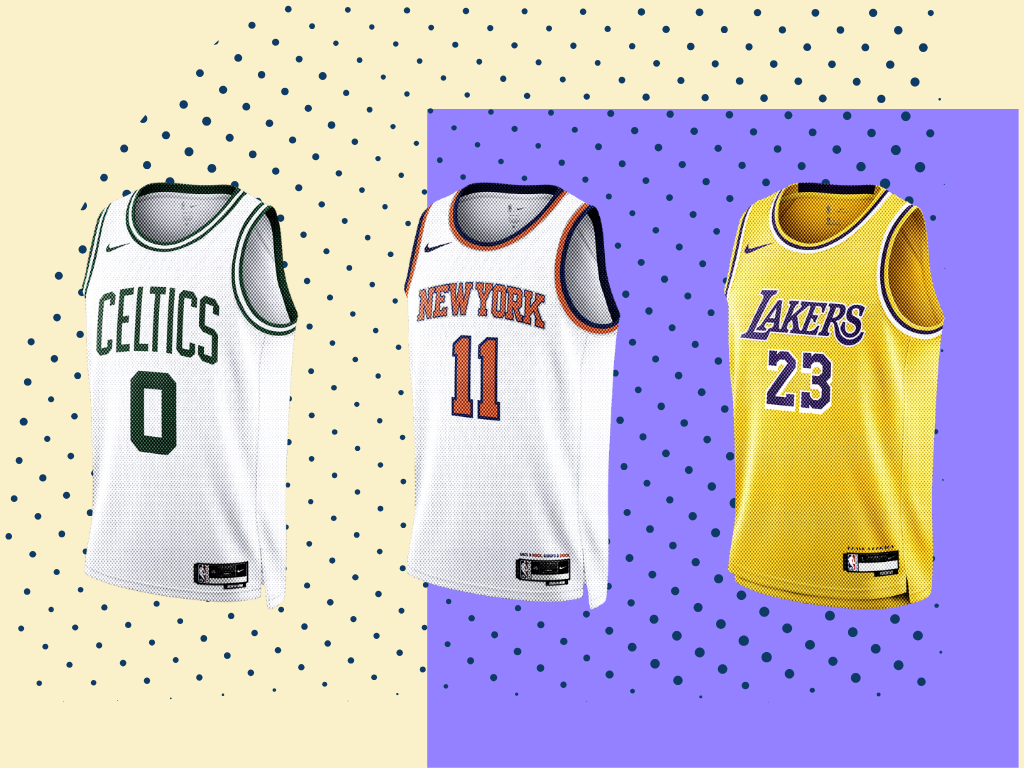
The Boston Celtics, New York Knicks, and Los Angeles Lakers all have iconic home jerseys that most fans acknowledge as being tied to the fabric of those franchises and the NBA. NBA teams typically have four different jerseys that they use every season. They have their white and primary color jerseys, an alternate color jersey, and an annually updated City Edition jersey.
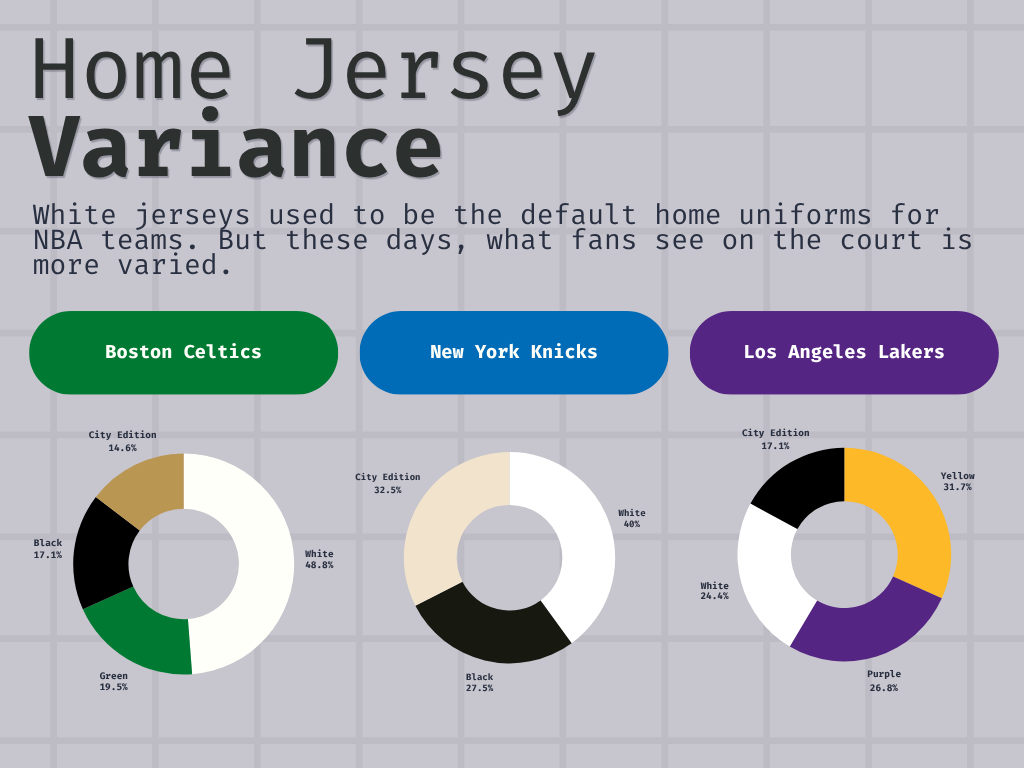
Yet despite these options, there is an appetite for teams to wear their home whites in the 41 home games they play every season. But this has not been the case, as the City Edition jerseys are often used in concert with special edition courts, reducing the number of white jersey home games. The Lakers, Knicks, and Celtics all played in their classic home jerseys for less than half of their home games this year—31% for the Lakers, 40% for the Knicks, and 48% for the Celtics. In fact, teams are employing darker colored jerseys at home more often. The Lakers played 43% of their home games in their purple or black jerseys, the Knicks played 26% of theirs in their black jerseys, and the Celtics wore green or black in 36% of their home games (statistics from NBA LockerVision).
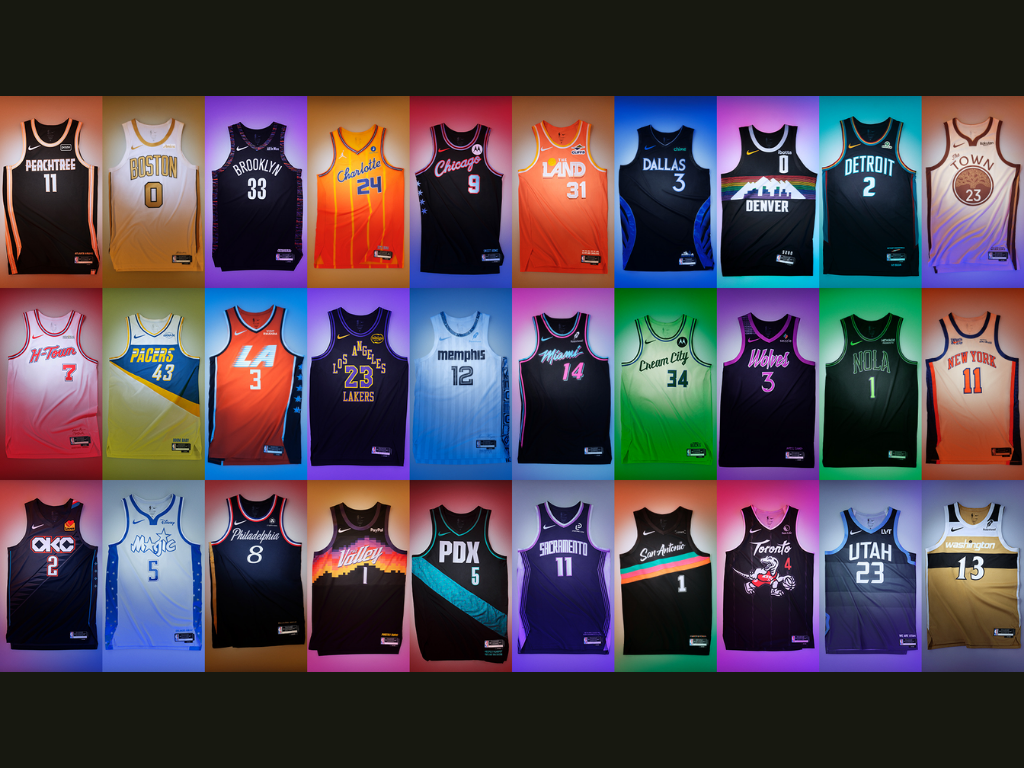
The NBA adds jerseys in the rotation for a simple reason: to create an opportunity to generate more revenue. The City Edition jersey is a prime example of this. It’s updated every season for every team, creating an incentive to buy a new jersey and corresponding merchandise released in support of that jersey—t-shirts, hats, jackets, etc. That revenue opportunity has created an annoyance for fans however, because they are so accustomed to seeing white jerseys at home, that changing the norm feels unnatural.
While it’s accepted that white jerseys should be worn at home games, there is a reason that it became an expected norm. It started in the early days of professional baseball where home teams wore white and visiting teams wore gray. The reason? Laundry. At the time, the home team’s clubhouse had laundry facilities, while the visiting team did not. As a result, the visiting team wore gray with the idea of being able to hide grass and dirt stains better than a white jersey for multiple games. And with that a tradition was born.
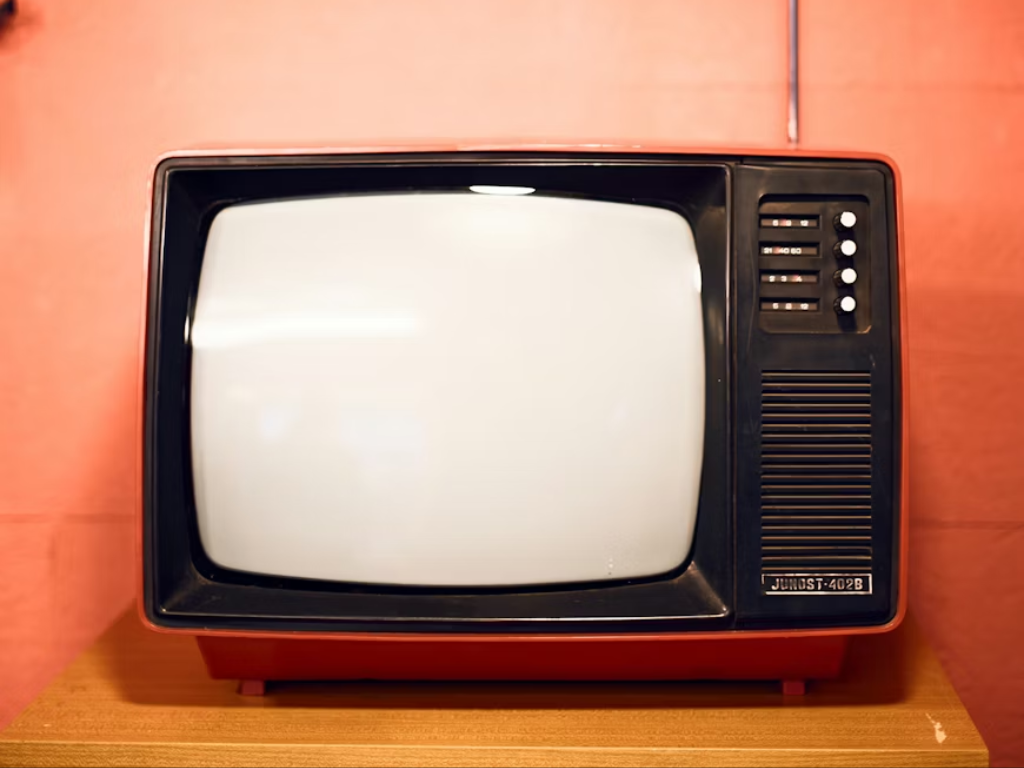
It became even more engrained in our society in the early days of television broadcasting for sports. The first games were broadcast to black and white TVs, which made the need for proper contrast essential for the product to make sense for viewers at home. Seeing a game today that features the Knicks and Celtics wearing their blue and green jerseys is easy to track in the age of 1080p HD and 4K viewing. But in the black and white TV era it would have been very difficult to distinguish between the two. And since the precedent for the home team wearing white had been set by baseball, this became the norm in the NBA and other sports.
Those two factors have created an expectation that when we watch a home team, we watch them in white jerseys. Seeing them wearing their darker colored jerseys (especially when their opponent is doing the same thing) feels like a betrayal of aesthetics. Even though we know deep down that there is no real reason for us having this preference other than this is simply how it has always been done.
That rationale is rooted in the human tendency to gravitate towards the known. An instance of sticking with something because its working is something we interact with daily on our laptops and phones: the keyboard. Keyboards use what’s called the QWERTY layout, which features the letters of its names in the top row. QWERTY was introduced in the 19th century as a solution for typewriters to prevent mechanical jams from common letter pairings. There was a specific separation between the letters S and T to prevent such malfunctions.

For years, QWERTY was the standard. In the 1930s, an ergonomic alternative called the Dvorak method was introduced that promised faster and more efficient typing. But at that point, typists were used to the QWERTY layout and refused to change. As such, the layout reigns supreme today in a world where typewriters have evolved into mechanical keyboards and virtual touchscreens. The Dvorak method may have led to faster typing but a fundamental resistance to change prevented it from reaching mass adoption.
Is it the end of the world that NBA teams don’t wear their white jerseys at home all the time? Absolutely not. But the reaction to the act is an incredibly telling bit of sociological tendency. For something as low stakes as a basketball team’s jersey, we shouldn’t be bothered as much as we are by such a small aesthetic change.
There is a nostalgia element at play here as well. In our minds, we have a vision of what a basketball game is supposed to look like visually. We grow up rooting for a hometown team, going to the arena, and seeing them in their home whites. It’s a part of the experience of the game—even if there is no longer a practical reason for it to be that way. Seeing that trend change because the NBA and its teams are trying to sell different jersey variations feels like a loss of sports purity on some weird level.
In an age of revenue maximization and the pricing out of fans, losing these little novelties matters more than many may think. Sports is so often an escape from the crushing paralysis of reality, a way to just watch a game and forget about everything else for a little bit. The minimizing of white jerseys for home games feels like a capitalist reminder in the midst of that escape.
The NBA has increasingly made things harder on its fans. Merchandise is expensive, tickets are skyrocketing in price, and fans need to have multiple streaming services just to watch the games. There is a pricing out that is actively happening, and when the NBA deviates from a reminder of a simpler past, we’re deliberately reminded of it. Yes, there is no longer a logical or logistical reason for white jerseys at home, but it’s another piece of sports comfort that is being taken away from fans. And that matters.