
The Growing Disconnect Between NBA Team Owners & Their Cities


The impasse between Blazers owner Tom Dundon and the city of Portland highlights a growing ownership trend: the stock portfolio optimization of NBA teams at all costs
So often, sports teams are part of our identity. We live and die with the successes and failures, overanalyze transactions, and dedicate an inordinate amount of time to watching games and consuming content. Fandom is often passed down from generation to generation, and relationships are forged based on said fandom. Our attachment to these teams is emotional, often devoid of reason.
We view our teams as part of the fabric of the cities and regions that we live in. But what happens when the people that own the team are no longer in alignment with this vision? There is a disconnect these days between a team’s owner and its fans. New Portland Trail Blazers owner Tom Dundon is the latest owner to show this disconnection, showing no interest in contributing towards the $600M renovations needed to modernize the Moda Center.
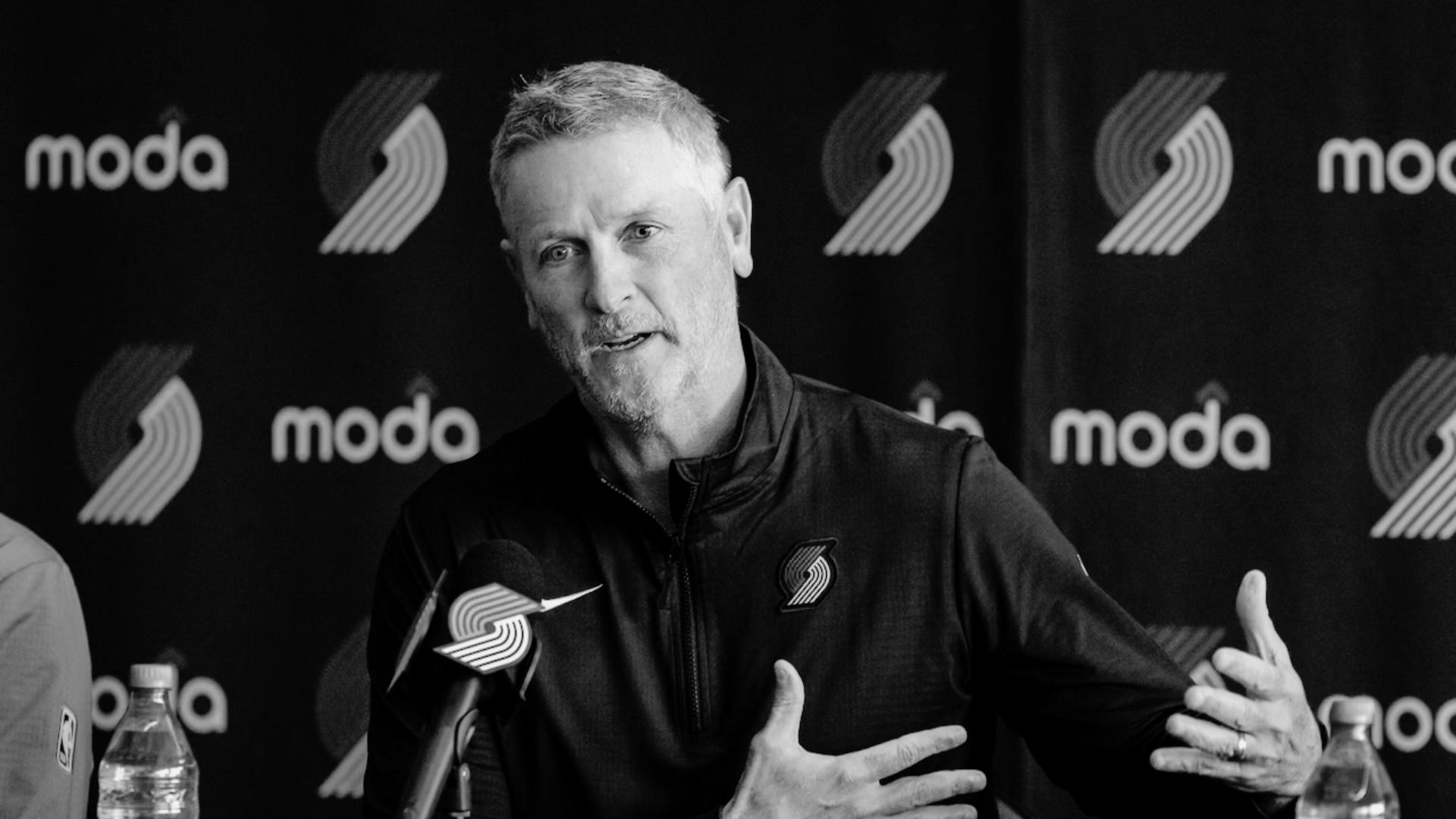
Dundon's retort has been that his decision to keep the team in Portland was enough of a financial sacrifice, and a reason why the city of Portland should be responsible for the full cost of renovations. This mentality is indicative of a tactic that all NBA owners utilize when it comes to negotiations for an arena—they know how emotionally bonded the electorate is to their team and they use that as leverage.
In England, there are over 40,000 registered soccer clubs. In France, there are over 400 clubs. Soccer, unlike sports in the United States, does not have a team scarcity issue and basically every town has its club. Because of pyramid promotion and relegation systems, teams can dream upward to climb the ladder and be a part of the highest levels of soccer in their country—look no further than the viral rise of Wrexham FC as proof of this. But in the American sports, systems are closed, meaning that a market chosen for the highest league is more set in stone.

While other professional outlets like the ABA still exist, they do not operate at the scale of the NBA. And there is no way possible for an ABA team to make the leap to the NBA as the rules are currently constructed. As a result, there is an incentive to keep teams in their locations on a local level, because of the scarcity of opportunity to have a community asset like a professional basketball team. NBA teams have proven to be local economic generators, and with only 30 of them in existence, they become coveted by cities that have them, and crucially, those that don’t.
Owners like Dundon understand this and what that means. The leverage they gain is in the fact that if a city like Portland is unable to come to an agreement with ownership, the nuclear option is in play. That option is threatening relocation. Portland only needs to look slightly north to the city of Seattle to see what happens when a team leaves and how difficult it is for that team to come back.
Presumably, once the current lease on the Moda Center expires, if a deal cannot be reached, Dundon could then walk away and apply for franchise relocation on the grounds of improper facilities. Markets like Vancouver, Montreal, Kansas City, Louisville, and others would gladly court the relocation of the Blazers. The willingness of ownership to dangle that threat for leverage is indicative of the shift we have seen in pro sports from a team being a community pillar to simply an asset on the balance sheet for the mega rich.

In December 2025, the NBA began to relax its rules around team ownership by private equity groups. Financial investors are now permitted to hold minority stakes in as many as eight different teams with a maximum of 20% stake in any single franchise. The result has been a massive uptick in private equity involvement. 20 of the 30 teams in the NBA have a connection to private equity, with nine of those teams having private equity backing.
This is important when you consider what the stated purpose of a private equity investment is. Private equity exists to improve operational efficiency, profitability, and strategic value to a business. Consider a team like the Boston Celtics, whose new ownership group is comprised of just under 20% private equity stakes.
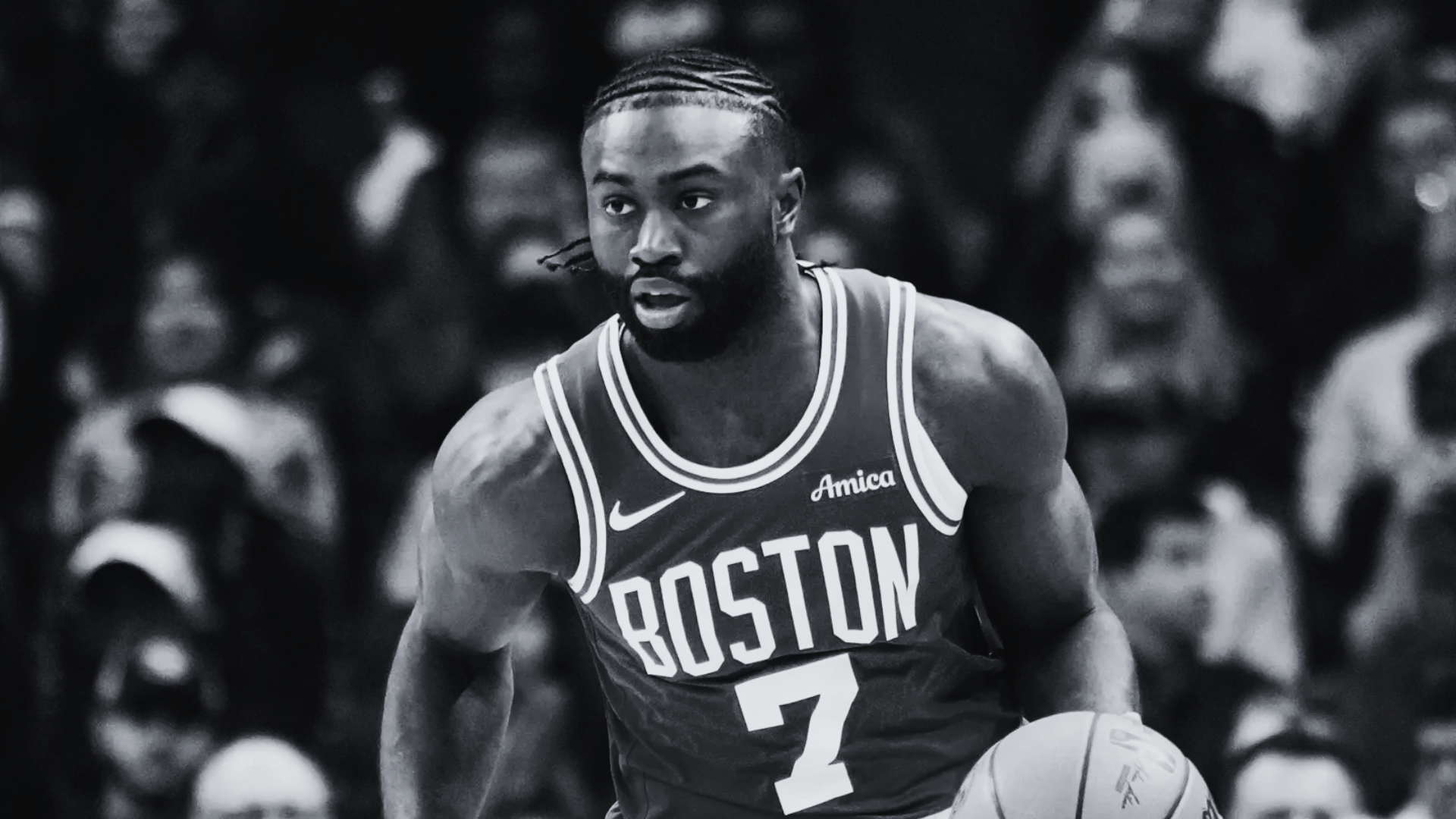
The team recently traded star forward Jaylen Brown, who was coming off of an MVP-caliber season. There was some reported friction with Brown and the team, but increasingly it seemed that the new Celtics ownership would be willing to part ways with him because he was set to earn $184.9M over the next three seasons. So, the Celtics, as one would expect of a PE firm, sacrificed productivity (a superstar in his prime) for financial relief. A team that won a championship a mere two years ago decided that sacrificing that production for money saved reeks of the private equity ethos.
The goal of teams now is not to win, but rather to be profitable. The old adage was that if you won games and playoff series, the two go hand in hand. But PE-backed ownership groups have sent the message that they want to win while stripping away costs. We've seen these measures from Dundon already in Portland.
During the Blazers first round playoff series against San Antonio, Dundon made headlines for cost-shaving tactics like prohibiting two-way players from traveling with the team for away playoff games, eliminating promotional t-shirt giveaways, and limiting the salary he is willing to pay head coaches. These are symptoms of a private equity mind state that he is applying to his new NBA team.

This off-season has seen some of that philosophy in action. After its first promising season since 2020-21, Portland made a trade. Instead of entering the bid for superstars like Jaylen Brown or Giannis Antetokounmpo, Portland ended up acquiring Ja Morant, a player whose value has never been lower. In the private equity world, he is a prime parallel—a buy low and hope for upside bet that can still keep costs down in the event of failure.
They then went on to hire Micah Nori as head coach, a promising coach, but only signed him to a deal that guaranteed his first season—a move that Coaches Association President and coach of the Detroit Pistons J.B. Bickerstaff called a "slap in the face". Once again, the private equity strategy of shorter-term upside was at play again.
This sort of thinking shows a heavy PE mentality, even if PE-backing is a minority investment at this juncture. The strategy by the Celtics, Blazers, and others is that teams are now a part of a portfolio. If you have the means, there have been few things that have been more of a sure thing as an investment than buying an American sports franchise this century.
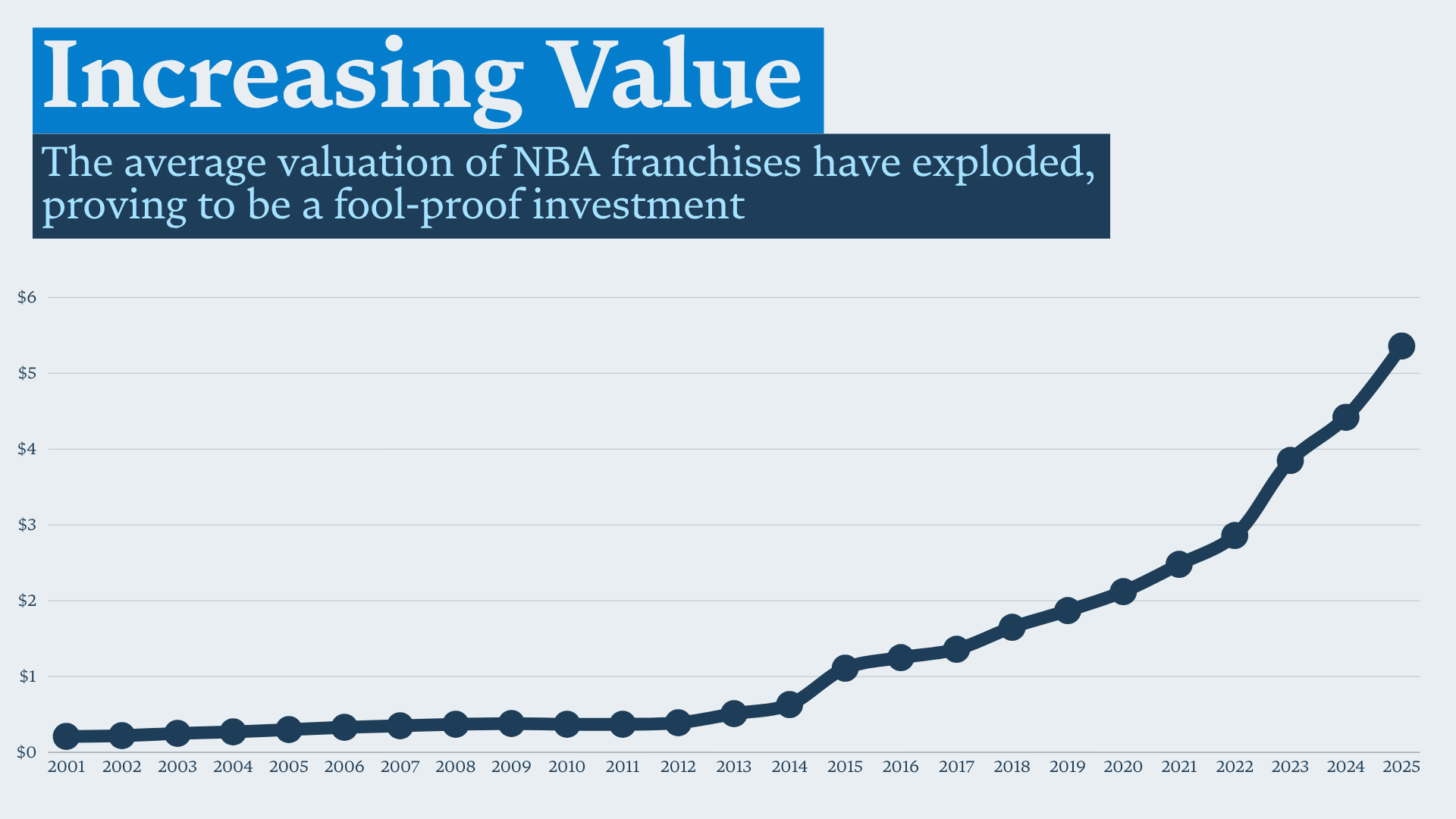
In 2012, the average NBA franchise was valued at $393M. Today, that average has ballooned to $5.43B in 2025. Even the league’s least valuable franchise, the Memphis Grizzlies, is valued at $3.3B. Team valuations continue to rise, making them less and less accessible, which creates a sort of fool-proof investment strategy. But because the principal of private equity is to generate maximum profit, there are unpopular moves that will be made in the name of "growth" and cost-cutting.
What all of this ignores is the community value of a basketball franchise to a city. And what it highlights is just how disconnected modern NBA owners are from the places that they call home. Specifically with a team like the Blazers and a city like Portland, that doesn't have an NFL, MLB, or NHL team, relocation would be devastating—directly impacting jobs, small businesses around the arena, and local tax revenue.
Blazers basketball has been embedded in the fabric of Portland since the days of Bill Walton and Jack Ramsey, often igniting the city when the team is competitive. The threat of taking that away is a sort of cruel and unusual punishment from a city still trying to reshape its identity after the devastation of COVID-19.
But the choice to do so is indicative that NBA owners, and American sports ownership at large, are increasingly disconnected from the markets that they play in. They don't see teams as a part of the greater community collective but rather as numbers on a balance sheet. And that's fine for profitability, but it leads to a certain anxiety and detachment for fans eventually.

What owners like Dundon are banking on is that a team will have stored enough goodwill with a fan base that those fans, in their desire to keep their team local, will put pressure on politicians to fund arena renovations. It's a manipulative tactic that runs the risk of alienating fans.
The bet that Dundon has made is that as long as the team is winning on the court, all the other stuff becomes white noise. That fans won't even think about a free t-shirt or a coach contract as long as they are enjoying deep playoff runs. But what Dundon ignores is the importance of connection.
The best part of the Knicks title run this year was a synergy between city and team. New Yorkers banded together, attended watch parties, and celebrated the triumph of their team. It's the sort of togetherness that makes sports beautiful—and it all worked because the Knicks are engrained into the fabric of the city.
Even with the petty disputes and vendettas of owner James Dolan, the city was able to come together with their basketball team as the glue. When you treat fans as numbers, you risk losing that connection.
What NBA owners have evolved into is a group of stock portfolio managers, making decisions solely thinking about the bottom line. And that is a very profitable decision, there is no questioning it. But at what cost?
How far can they take this before fans, who are increasingly being priced out, say that enough is enough. It seems that in his negotiations with the city of Portland, Tom Dundon is putting that loyalty through the ultimate test. His willingness to do so paints a very grim picture on the future relationship dynamics between a team's owner and its fans moving forward.