
The Refreshing Optimism of the NBA Draft

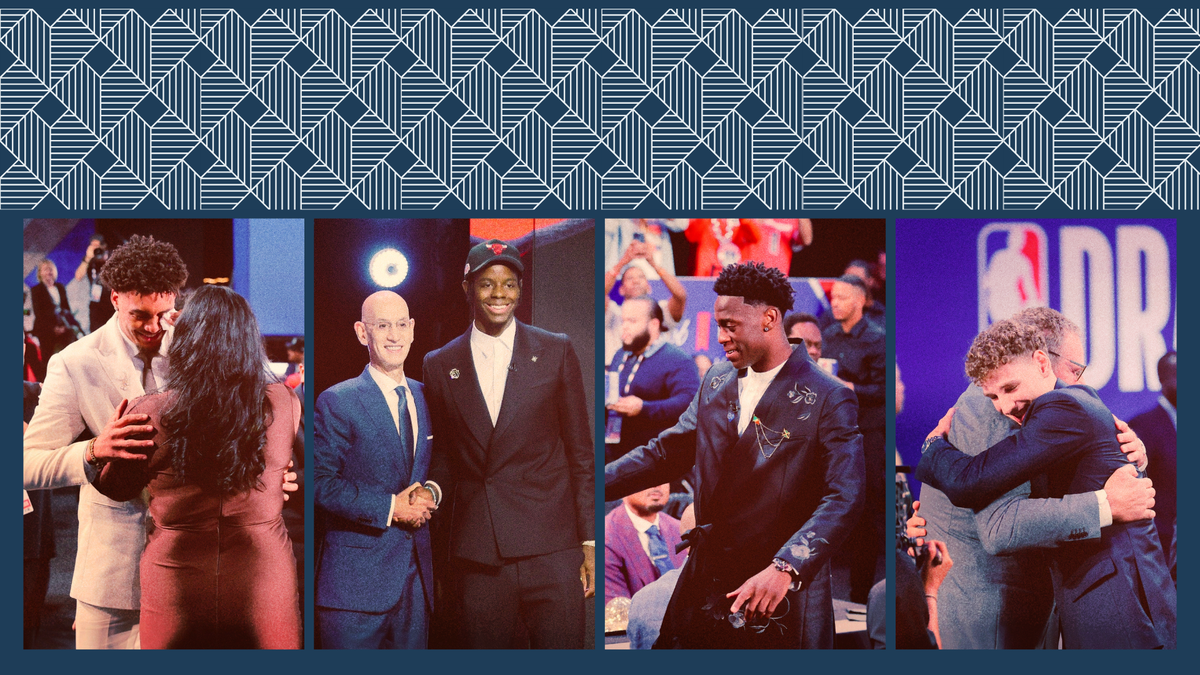
In a sports culture dominated by legacy litigation and algorithmically engineered negativity, the Draft remains a beautiful, defiant celebration of pure hope
Modern sports analysis is inherently negative. Conversations often place caveats on success, predict trades, skewer bad coaching, and discuss legacy. We often focus on unhappy players, lack of chemistry, and other things that can simply be labeled as "drama". In a world where the Giannis Antetokounmpo trade saga finally (and mercifully) has concluded, the NBA Draft remains one of the last vestiges of positivity and optimism in the NBA.
So much of the way we view basketball and the NBA is rooted in the present and the past. We consider the viability of teams and players in the context of their current contention window and their current roster construction. Players as they age have their career litigated, an interpretation of how they compare historically and how to contextualize their careers versus their contemporaries. The NBA Draft is one of the rare moments when we only think about the distant future.
Regardless of where a team finished the previous season, the Draft is a time for contemplating what is possible. A team that has been at the bottom of the standings feels that they can turn their fortunes around with the right player. A successful team feels that they can add a depth piece later in the draft to extend their window of contention. Teams take high upside swings on prospects in the second round with the hope that if everything falls just right, they could have uncovered a diamond in the rough.
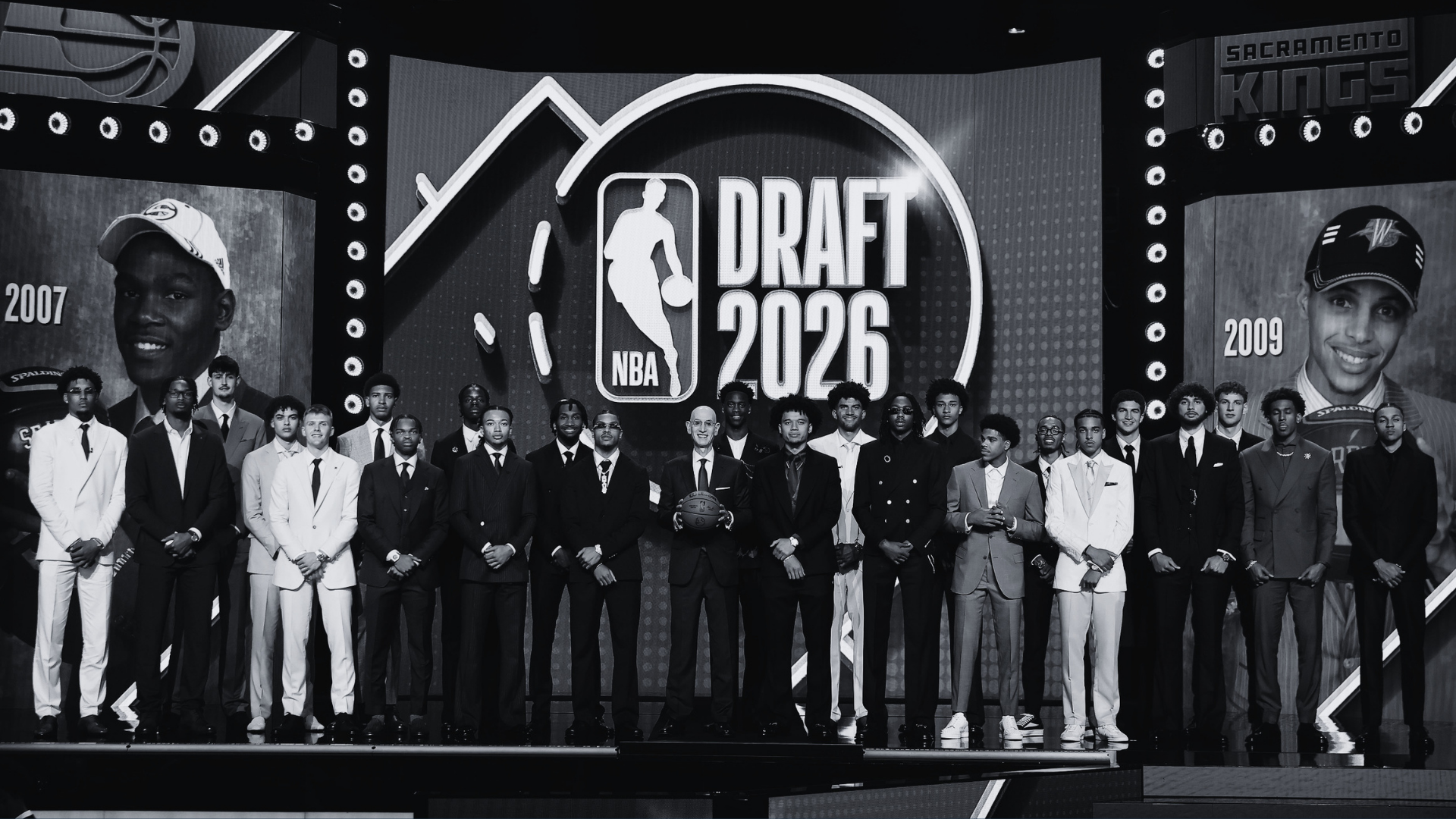
When teams draft the player that they land on they are elated, often celebrating in the war room--the significance of the completion of a year of scouting, interviews, and game film. The culmination is a team excited for what is to come, how a player will fit into the plans of a rebuild. The road ahead looks positive, even if it doesn't always work out that way.
Even with all that team-based optimism, it's truly secondary to the joy of the player. The NIL landscape in college has made cynics of us all, with many viewing college basketball as glorified professionalism. But there is still a joy that comes across the faces of families and players when their name is called, and they walk across the stage to shake hands with Adam Silver.
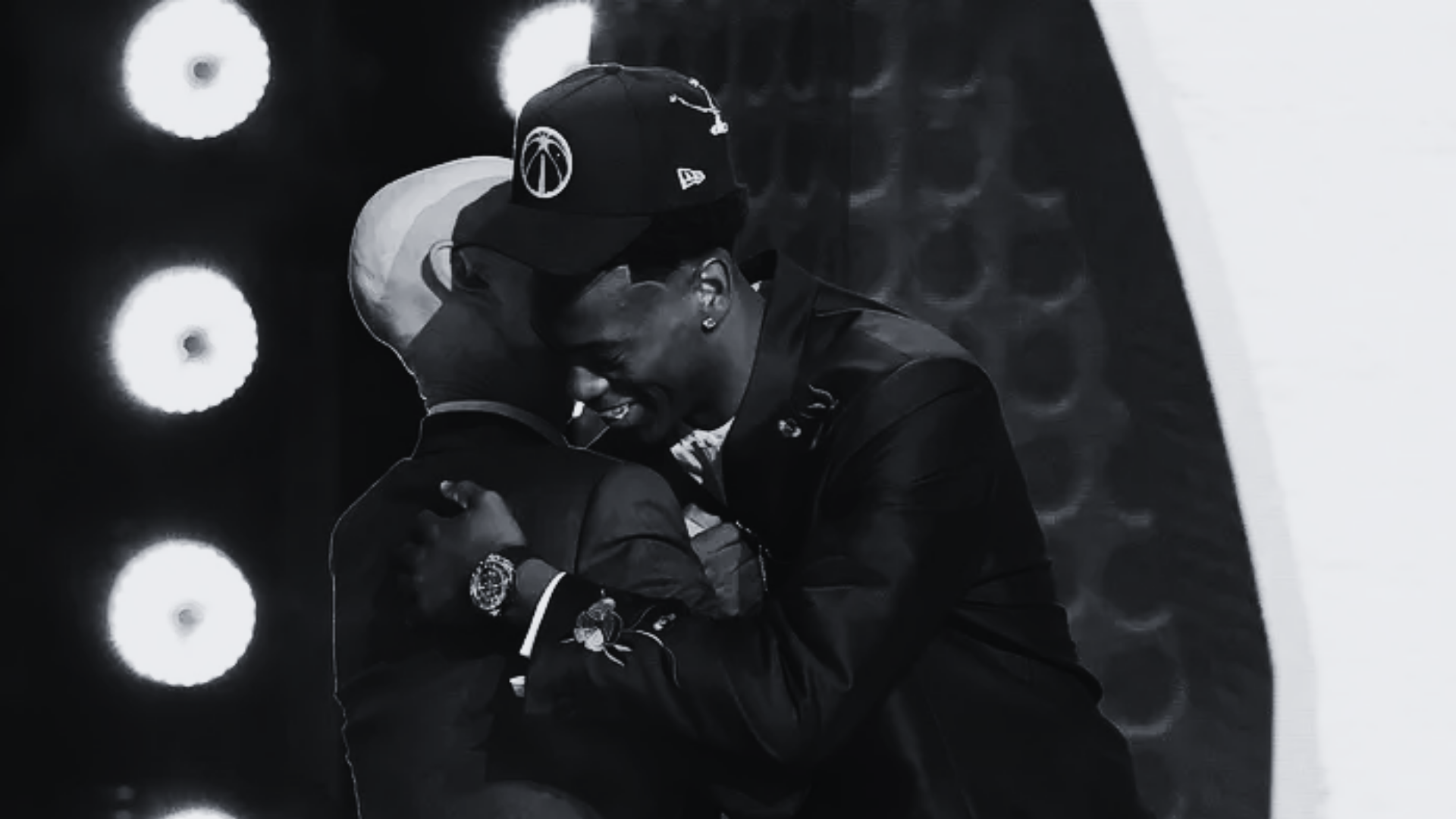
It's the realization of a goal. Many of these players have been pursuing their basketball dreams for their entire lives, and hearing their names selected is the realization of that dream becoming a reality. It's a moment where they are surrounded by their families, filled with joy and soaking in the moment of the payoff of the hard work to get to that point. That feeling is still universal, regardless of the size of an NIL deal.
For the players, there is an excitement of playing with established professionals that they have watched growing up. It's also a moment to shine the light on their parents, who had a hand in pushing them towards their goals and giving them a chance to have a moment of the spotlight before the focus returns to the player that was just drafted.
Even the way we discuss picks after they are selected is tinted with optimism. A player's limitations are not called out as weaknesses but rather as room for improvement. A big man's lateral movement or a guard's shooting might be considered as "things that can improve" or “untapped potential” as opposed to complete red flags. Consider that framing compared to a veteran player who struggles with their shot that is often designated with terms like ”fatal flaw”, “unplayable”, or “contractual albatross”.
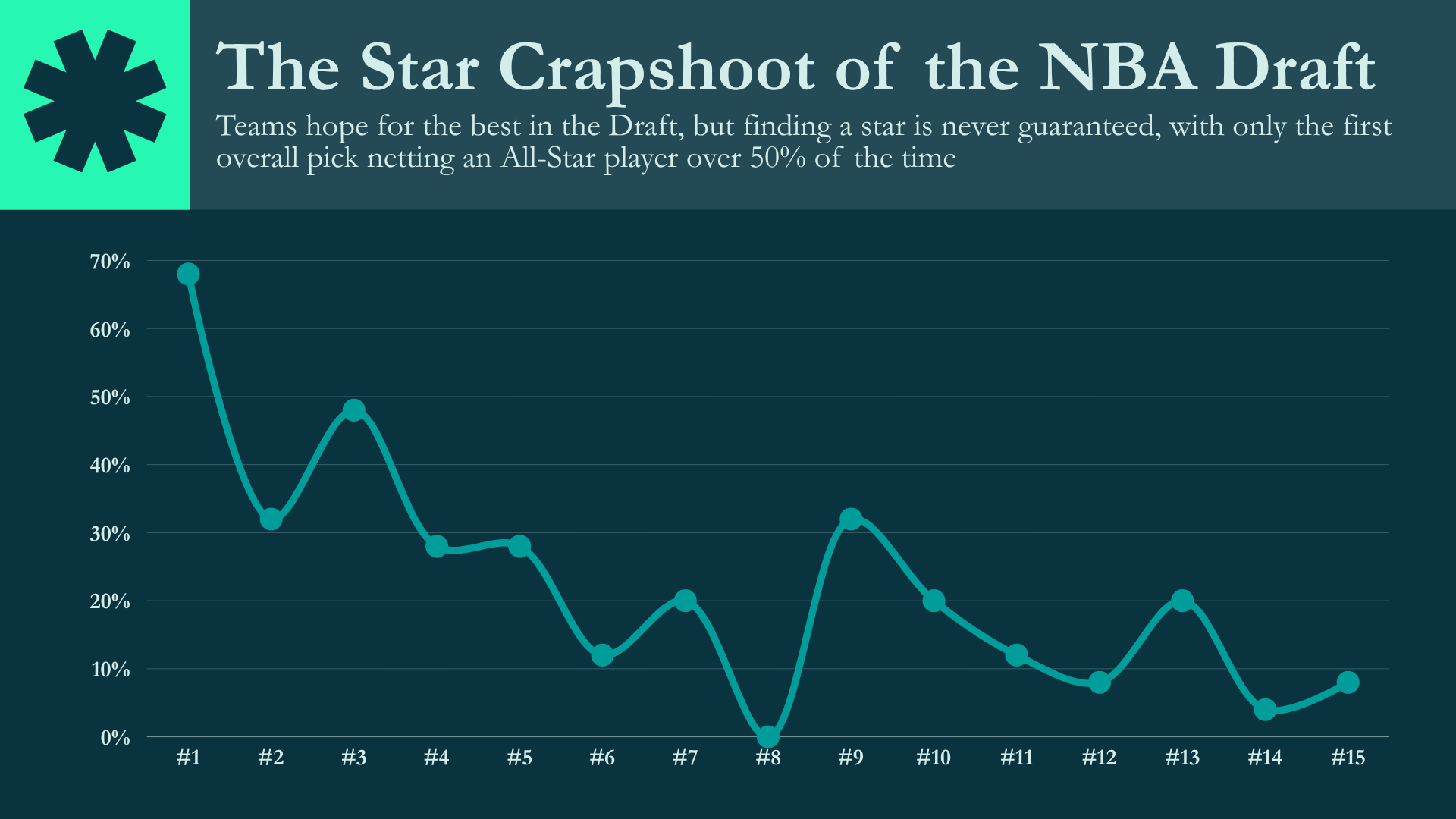
The Draft presents a moment when the world is an NBA team’s oyster, where what is possible doesn't feel so out of reach. It's a blissful state of ignorance and belief, despite limited success. Since 2000, only 22% of players that were drafted in the top 15 of the draft would go on to be All-Stars. Even in the top three, where stardom is supposed to be highly likely, only 49% of players selected would go on to make an All-Star Game.
The Draft is oftentimes a pull of a slot machine. The result is often not what a team hopes for, but when they get it right, it changes their fortune for an entire generation. The Boston Celtics drafted Jayson Tatum after trading down from the number one spot, which Philadelphia used to draft Markelle Fultz.
The Celtics chose correctly that night and it brought them their second title this century in 2024. Philadelphia, meanwhile, has still been navigating the minefield of the Eastern Conference ever since—transitioning from different players, coaches, and front office regimes without reaching a Conference Final.
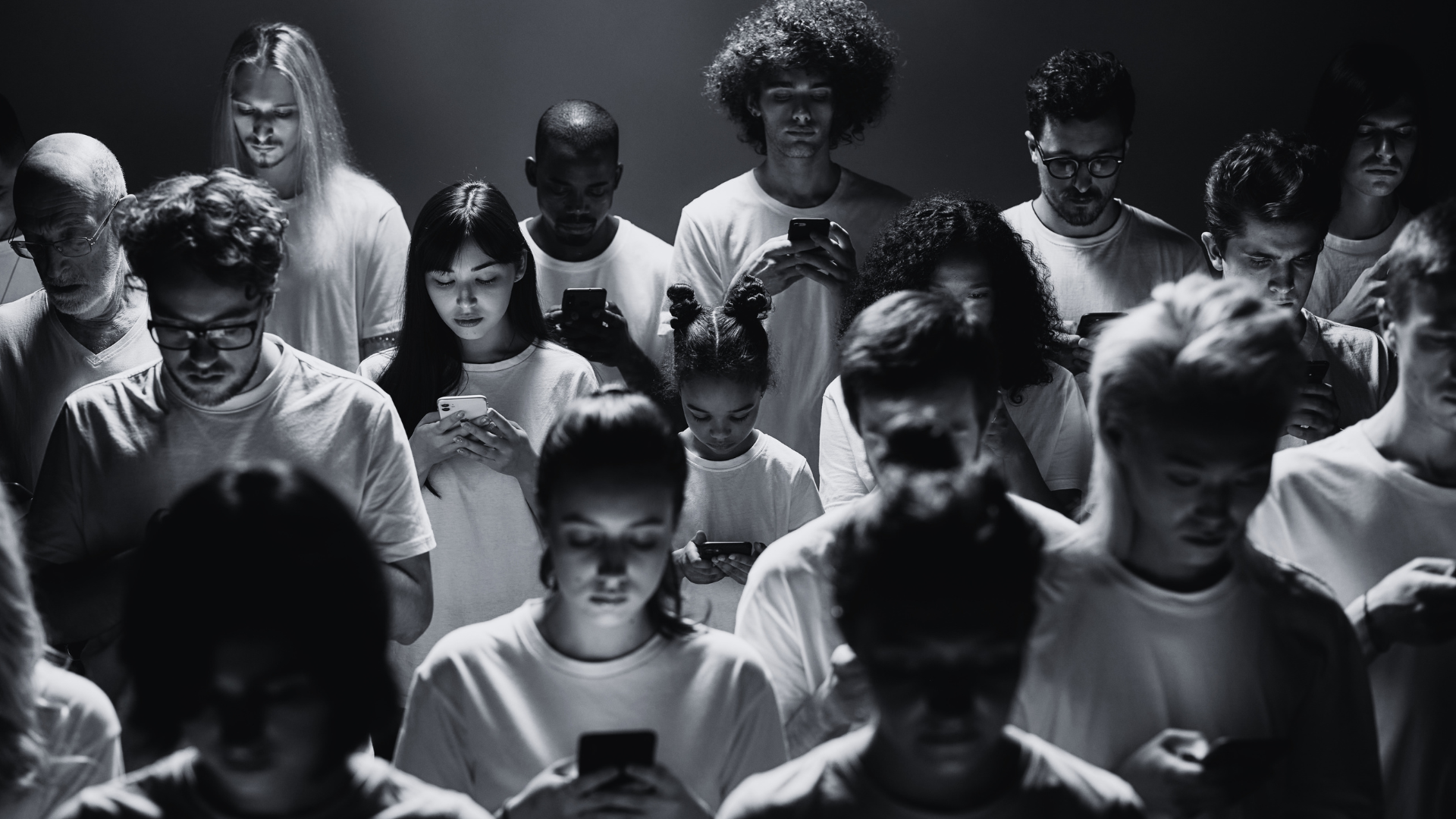
The optimism around the Draft has become an outlier. We are increasingly negative in society. The internet, once the thing that connected us and made so much possible, has become a digital villain. For the first time in multiple generations, young Americans (under 30 years of age) are trending towards unhappiness. Many researchers have concluded that the advent of internet-powered technology like social media are to blame.
We live in an increasingly online world, where many people spend hours every day scrolling through algorithmically curated feeds designed to elicit an emotional response from users, and that response is usually negative. There is a caveat to everything, where anything posted usually has at least one "ya but" comment attached to it.
And yet, the NBA Draft has largely been immune to this. Even when a team does something that is unpopular with fans, they usually end up rationalizing the upside and focusing on what could be as opposed to allowing doubt to reign supreme.

It speaks to the power of hope. Consider the at times maddening optimism of Ted Mosby from “How I Met Your Mother”. He spends nearly a decade navigating the minefield of dating in his 20s and 30s that’s filled with rejection, disappointment, and failure. By all accounts, he should be incredibly cynical. Yet with every new opportunity he is rejuvenated that he might find “the one”.
In an episode titled “The Slutty Pumpkin”, Ted is on the roof at 2:43 in the morning waiting for a woman that will never show up. Robin (played by Colbie Smulders) asks how he can sit out there all night and have faith that the woman will appear. Ted then counters with “Look, I know that odds are, the love of my life isn’t gonna magically walk through that door” and rationalizes that “this seems as nice a spot as any to just, you know, sit and wait”.
The NBA Draft is similarly hopelessly romantic. The Draft is that first date after a bad breakup, a moment filled with the vigor that this time will be different than before. Whatever the team’s goal is in the Draft, the event represents the idea that anything is possible, that “the one” is always one pick away with some intuition and luck.
It is the last vestige of positivity and optimism in a sport that has increasingly relied on negative discussion in the internet age. In the last few seasons, the NBA has been plagued by a gambling scandal, rampant tanking, and the suggestion that analytics has gone too far. All of these topics are painted with a negative light and can often paint a sort of doom and gloom scenario for the sport and the league.
But the Draft is the one night where all of that fades away for a few hours. We are consumed with the human-interest story of young men achieving their dreams and of the hope and optimism that brings to a fan base. It's a beautifully human moment in a world that seems to have less and less of them. And that is what makes the NBA Draft great. It's a celebration of talent, a vessel of hope, and a moment to appreciate the pure joy that comes in sports that we sometimes forget about in a world that has become so negative.