
The NBA's Robber Baron Era

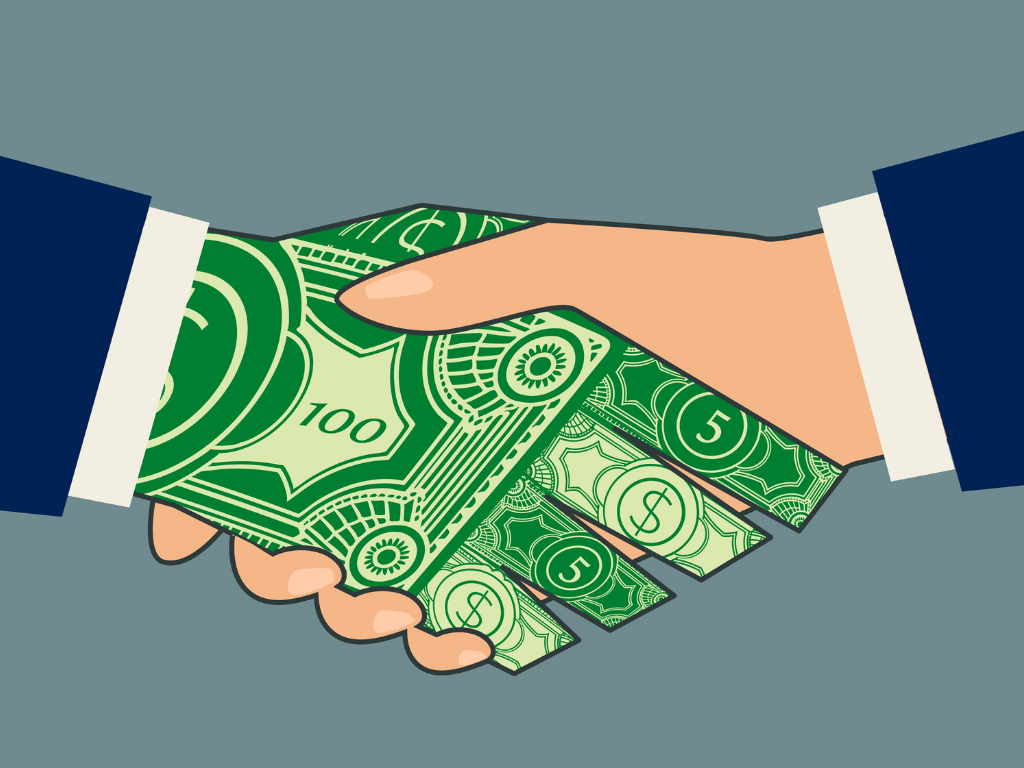
From tax-sheltered assets to arena leverage, a new class of ultra-wealthy owners is bringing 19th-century robber baron tactics to modern basketball
In HBO’s show The Gilded Age, Morgan Spector plays George Russell, a fictional industrialist loosely based on Jay Gould and Cornelius Vanderbilt. Throughout the series Russell displays a dual persona: the charming entertainer at his wife’s society parties and the ruthless businessman in the board room. Russell, like Gould and Vanderbilt, is a robber baron—a 19th century wealthy man who amassed his fortune by dishonest and unethical means.
While the term robber baron is firmly rooted to the 1800s and 1900s, the notion of the dishonest super rich businessperson has never faded. They may have shifted industries, but the archetype is still very much alive. Robber barons of the past would manicure their images with philanthropic endeavors—such as building libraries and opera houses. Today, they are buying sports teams to curry favor with the public. In the NBA specifically, teams are being bought and sold, and franchises are getting increasingly inventive with the way they operate. This influx has brought about a new era in basketball: the robber baron ownership era.
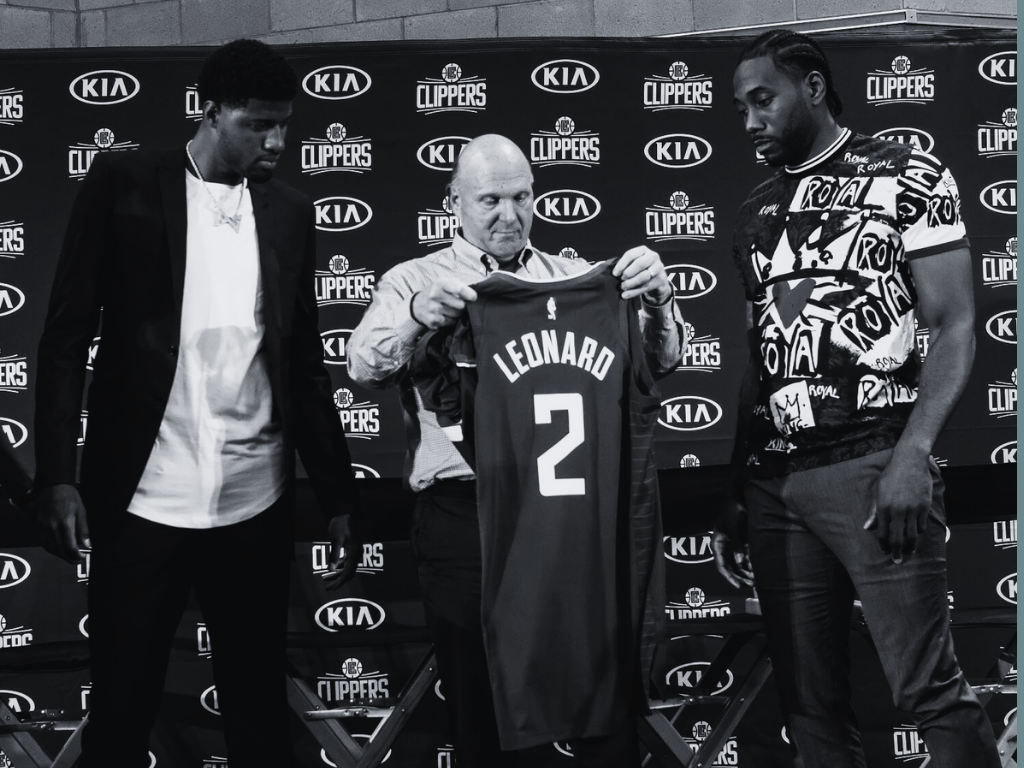
Two ownership-related stories have dominated offseason headlines in the NBA this summer. The first has been the ongoing investigation by the league in Clippers owner Steve Ballmer and whether the team circumvented the salary cap to pay superstar Kawhi Leonard extra money through fraudulent sponsorships. The second is the sale of the Los Angeles Lakers for the second time in two years as newly minted owner Mark Walter offloaded the franchise amid a federal investigation into reported fraudulent business practices.
While seemingly unrelated, both stories share the resemblance of the ultra-rich operating under a different set of rules than the rest of society. Since 2015, there have been 16 franchise sales, introducing new players into the exclusive club of NBA owners. These owners have come from a variety of different fields: technology, private equity, casinos, venture capital, and subprime loan financing.
They are a far cry from the civic-minded local millionaire of previous decades. They are shrewd operators of the financial market who have amassed wealth through successful business dealings and an intimate understanding of the law.
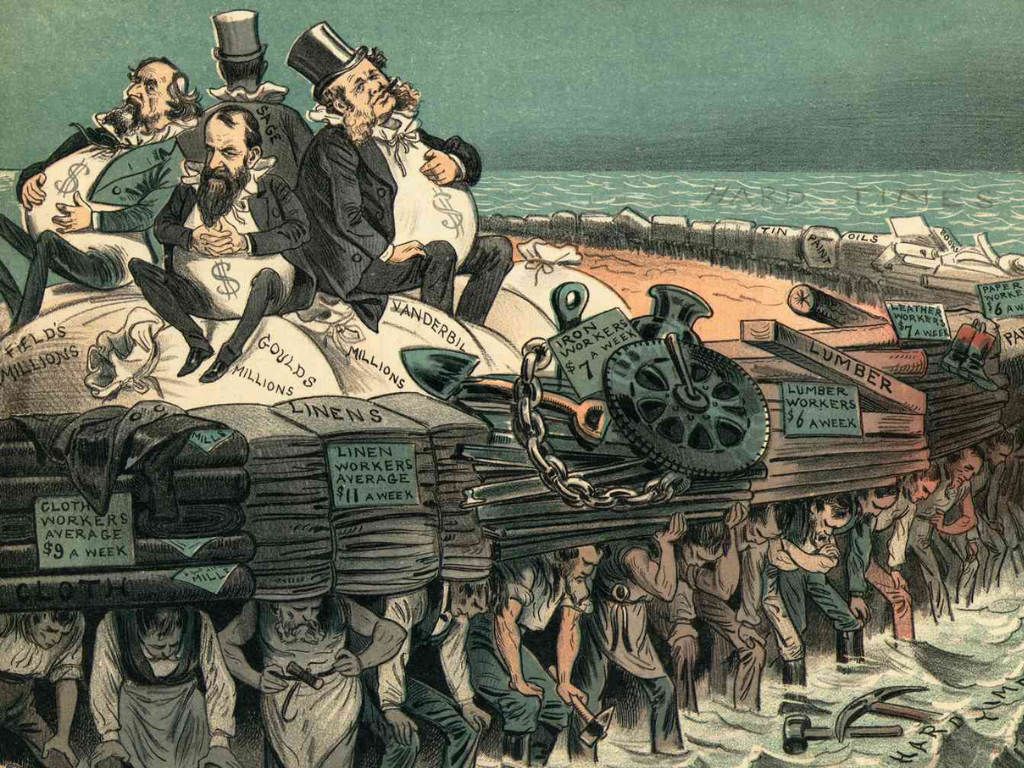
The robber barons of the Gilded Age had a similar understanding, and the parallel between the two comes down to opportunity maximization. During the late 1800s, the industrial economy was rapidly expanding as railroads, oil, and steel all surged as the backbone of an industrial economy. The combination of JP Morgan (finance), Cornelius Vanderbilt (railroads), Andrew Carnegie (steel), and John D. Rockefeller (oil) monopolized the American economy and frequently protected their wealth by exploiting the tax system.
Gilded Age robber barons took advantage of intangible wealth, such as stocks, bonds, and securities, not being easily taxed. By dumping their wealth into these assets, robber barons were able to escape personal property taxes, further amassing more wealth. They also maintained their power by suffocating workers through union busting, hiring scab workers, and offering low paying wages. They accumulated wealth and did what they could to keep it.
The modern-day billionaire has employed similar maneuvers to amass wealth and power, even if we don’t think of it in such nefarious terms. Steve Ballmer was the CEO of Microsoft before he bought the LA Clippers. While the company was very successful under Ballmer, it racked up fines from regulators while facing antitrust charges for the way it crushed competitors like Netscape and RealNetworks. Ballmer also pitted employees against one another and rewarded internal sabotage. While his appearance is jovial courtside, this is a man who was as ruthless as they come—he is the picture of George Russell’s duality.
Many new NBA owners have a background in either tech or some sort of financial market. These are two industries that have defined economic growth since the 90s. Much like the industrialization of the country at the turn of the 20th century, they have capitalized on the digital shift of the global economy. Like robber barons of the past, they continued to amass control and power, becoming too big to fail.
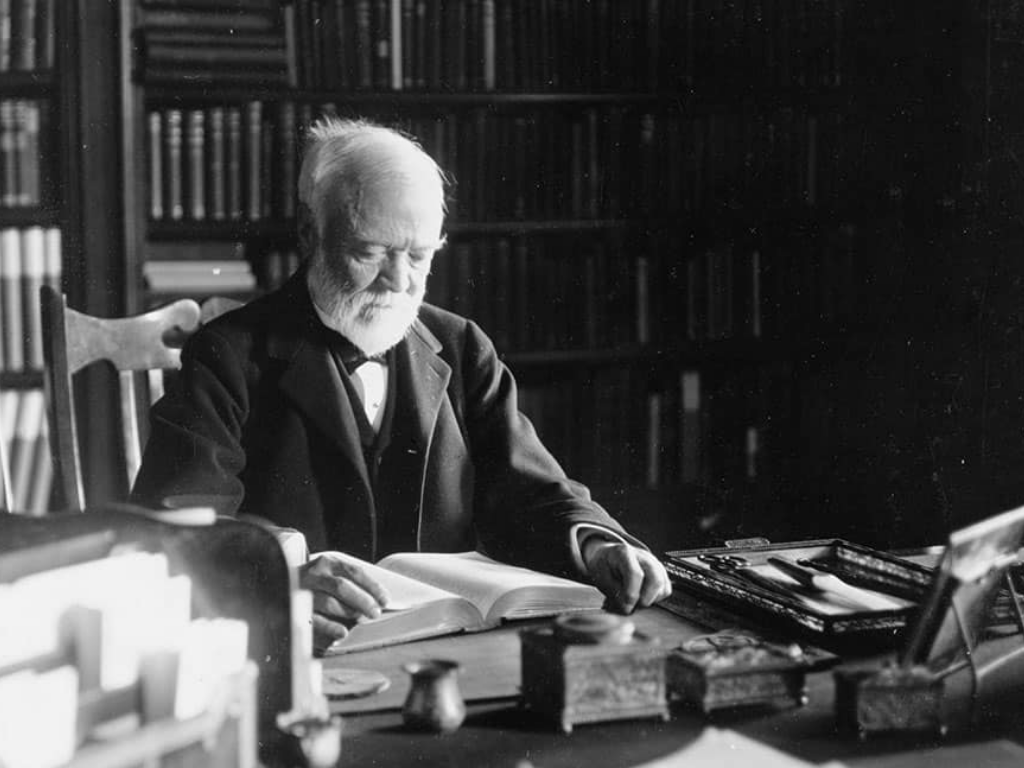
The danger of operating in this manner that is so publicly exposed, is that there must be a counter mechanism to regain goodwill. For Andrew Carnegie, he shifted to philanthropy later in life, giving more than $350 million to good causes—such as libraries, building Carnegie Hall, and funding educational institutions. John D. Rockefeller went the route of funding education by funding the establishment of the University of Chicago and establishing the Rockefeller Institute for Medical Research in 1901. These were acts that made them viewed differently than the ruthless businessmen that they were.
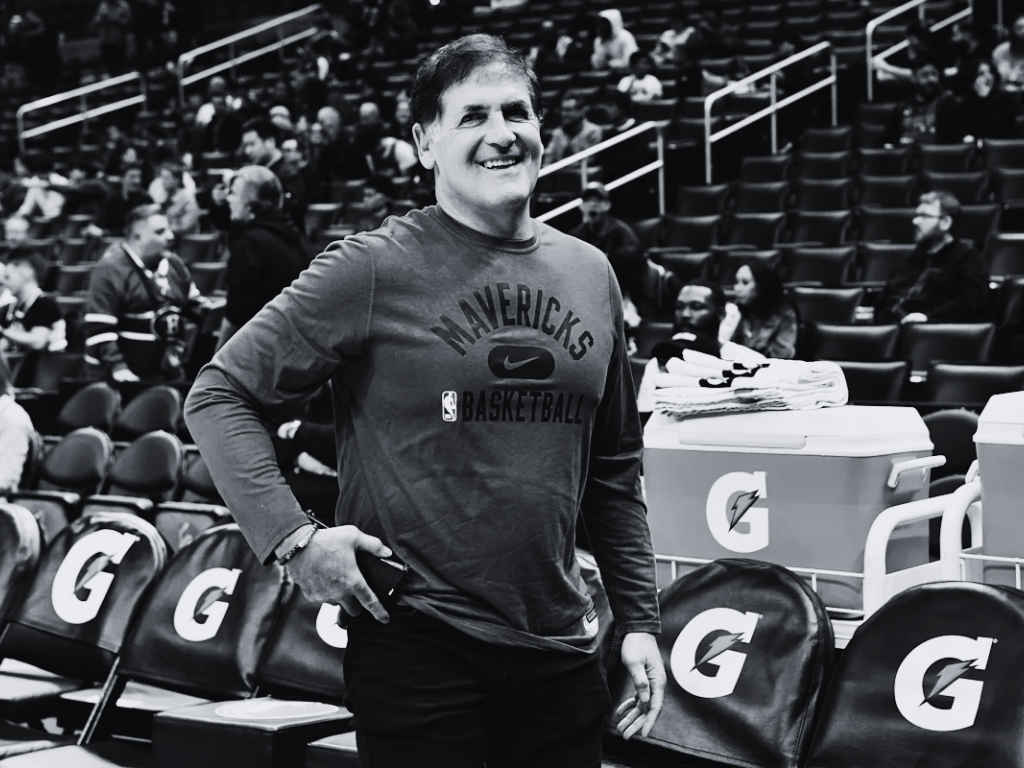
Similarly, there is no better public relations win for a billionaire today than being the face of a sports team. While Mark Cuban made his fortune through several shrewd investments during the dotcom bubble, many know him for his jovial presence on the sidelines when he was the owner of the Dallas Mavericks. Owning a professional franchise presents a level of fun and positive publicity that may elude many CEOs—especially those that operate in decidedly hated industries like finance.
But despite this built-in goodwill, many billionaires cannot help but resort to the same tactics that helped them accumulate such wealth to begin with. Structurally, there is a disconnect to speak to. Pro sports leagues, by and large, are incredibly socialist-adjacent entities. Leagues have salary caps and rules about how money can be spent; revenue is shared between clubs, and there are a finite number of teams available. The owners of these teams, by contrast, are ruthless capitalists who amassed their fortunes by taking advantage of systems and succeeding.
When it comes to them following rules, there is naturally a disconnect. When Steve Ballmer was the CEO of Microsoft, they were playing catch-up in the mobile space with Apple and Google. They faced a chicken and egg problem, where users demanded apps, but developers would only make apps for platforms that had large user bases. Ballmer’s solution was to throw money at the problem and offer developers up to $100,000 to make apps for its Windows Phone platform.
It’s easy to see how this thought process and conclusion of solving a problem with more money would lead to alleged salary cap circumvention. It speaks to a do whatever it takes mentality that pervades the mind of the super-rich regardless of the era.
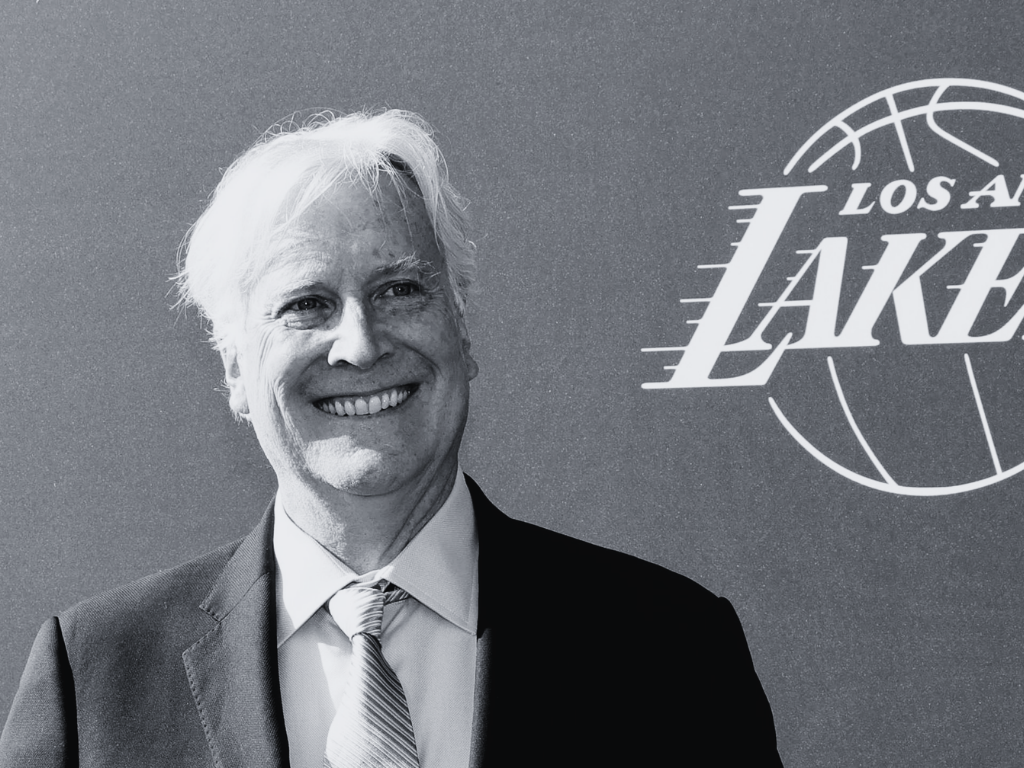
In the case of Mark Walter, he is accused of improperly funneling money from insurance firms he controls to finance other parts of his business empire. This is a move straight from the robber baron playbook, moving money around to avoid taxation. Walter has done it haphazardly, but it’s not beyond the pale to suggest that other billionaire owners might be moving their wealth in a similar fashion.
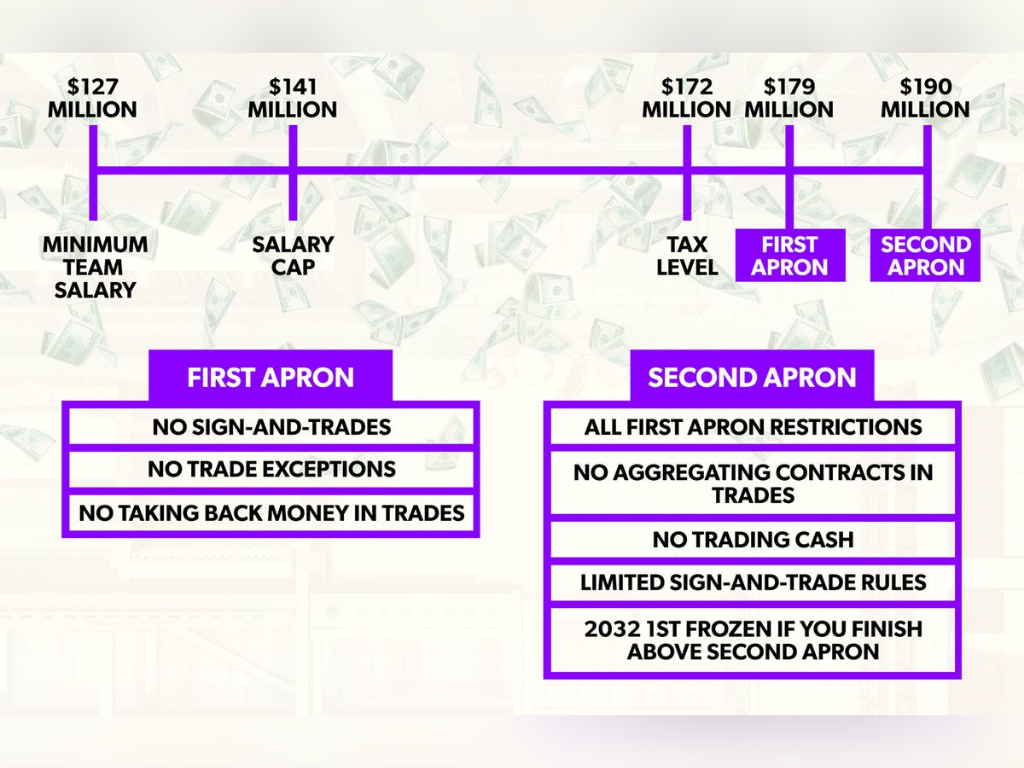
We are seeing more of this uber wealthy mentality permeate the way that many teams handle roster construction in today’s NBA as well. The NBA’s most recent collective bargaining agreement (CBA) went into effect in 2024 and introduced the concept of the first and second apron. These tax penalties were aimed at the highest spending teams, levying restrictions around trades, salaries, and draft picks in addition to the financial penalties of going over the salary cap.
The intent of the second apron was to minimize the creation of super teams and to bring parity back into the league. In that sense, it has been successful, but it has also led to roster construction mechanisms where owners avoid the tax at all costs to save money and use the other restrictions as an excuse. Teams are avoiding paying money for players and banking on low-cost contracts while the valuations of their franchises increase by the year.
These cost cutting measures are done while fans are often the ones paying the price. Recently, the Dallas Mavericks made an adjustment to their partial season ticket package where a regular season game was replaced with a much less desirable preseason game. This was an alternative to raising ticket prices but created a lose-lose situation for fans purchasing the tickets, since preseason games are much less exciting. Doing this in the wake of trading a generational superstar in Luka Doncic ultimately reeks of the hoarding wealth mentality that afflicts many of the super wealthy class.

This hoarding is further magnified by the way modern owners negotiate their arena deals. This summer, new Trail Blazers owner Tom Dundon has come under fire for aggressive tactics with the city of Portland over renovations to the Moda Center. There have been theories that he may eventually choose the nuclear option of threatening relocation. This is a tactic leveraged by many owners to get taxpayers to pay for their arenas.
The reason for this is obvious. Taxpayers are fans of the team, and they want to keep their team. The owner can simply say to look at other markets like Seattle and St. Louis that lost a team and the sports hasn’t returned since. It’s a scare tactic that often works.
The robber barons of the Gilded Age did the same by leveraging political influence and using land grants with massive subsidies to expand their empires (this was particularly true in the railroad business). Modern day NBA owners can easily afford to pay for the renovations of their new arenas, but why spend their own money if they can force a city to pay? This is the robber baron mentality, an old brand of American capitalism at work.
But why does this all matter? After all, teams are still playing and there hasn’t been a relocation in years. The true issue comes down to the institutional fabric of the community that sports franchises can foster. While a billionaire owns the team, it can be argued that its soul truly belongs to its city.
There is a responsibility to be a steward of a piece of public emotional property like a team. But when this new wave of NBA owners takes to treat it like just another asset, there is a soul decaying nature to it.
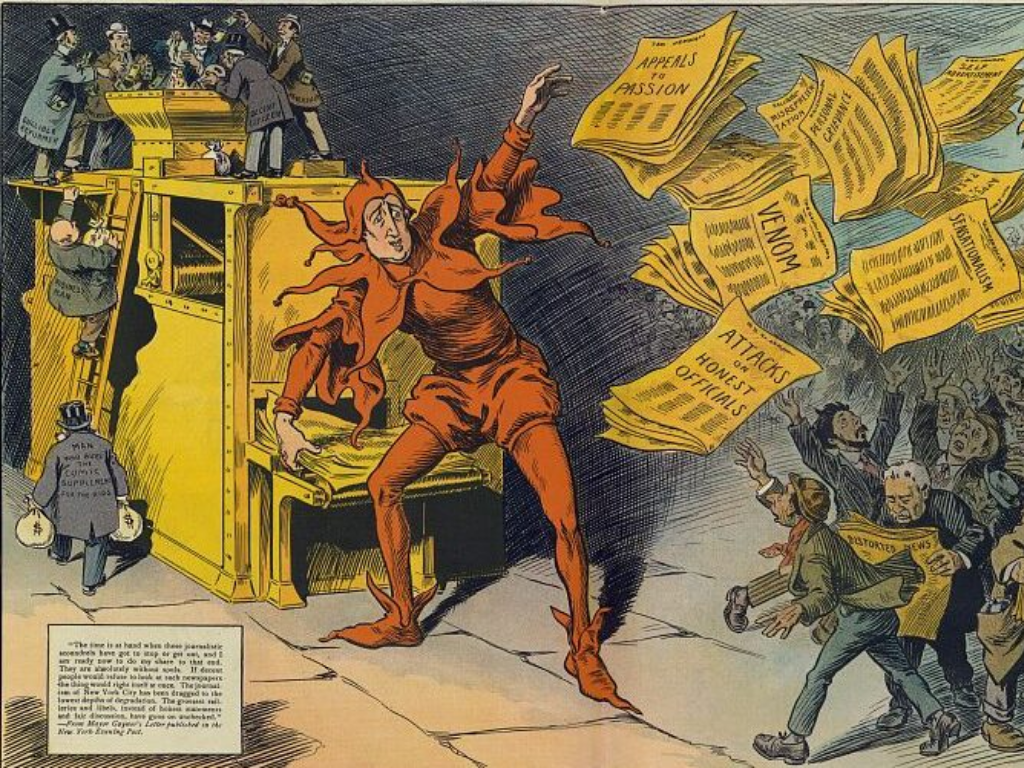
In the case of robber barons, the end of their era of obscene wealth came about in several ways. Laws like the Sherman Antitrust Act were enacted to curtail monopolies and lawmakers like President Theodore Roosevelt forced the breakup of large monopolistic conglomerates. But ultimately, it was their own greed that did them in. Investigative journalism, working conditions, and safety concerns drew scrutiny and forced many wealthy industrialists to lose public favorability.
The new ownership class in the NBA faces similar challenges from a popularity perspective. Tom Dundon took over the Blazers and immediately tried to cut costs and low-balled head coaching candidates. The Adelson’s in Dallas and Bill Chisholm in Boston almost immediately traded away star players in their primes after taking control of their teams. There is a growing sentiment that NBA owners no longer care about the viability of their franchises beyond valuation numbers to profit on a future sale.
Public sentiment of billionaires is on the decline currently in America. 79% of Americans today are in favor of higher taxes on the super wealthy, especially as the economy continues to sputter in the wake of tariffs and the Iran war. Many fans have had to compartmentalize when it comes to their favorite teams, separating the nefarious owner from the team that they have so much emotional capital invested in.
Eventually, there will come a moment where the mega rich lose the goodwill of their fan bases completely. The current message being sent by owners to their fans is that they will cut costs to avoid tax bills, while increasing the pricing on tickets and merchandise to extract as much value from fans as possible.
When it comes time to build a new arena, they will continue to extract even more value—doing anything possible to avoid financing their own arenas. It’s not ridiculous to suggest that eventually fans will revolt and stop going to games and buying merchandise.
But fan revolt alone will not be enough. The original robber baron era was not undone simply because the public grew tired of industrialists. It was weakened by journalists—known as muckrakers—who exposed the nefarious nature of wealth: labor abuses, political deals, tax avoidance, and public subsidies that made private empires possible. If NBA ownership is entering its own robber baron age, it will require the same kind of scrutiny. Fans can refuse to buy the product, but journalism has to show them what they are actually buying into.

A utopian solution to the problem is to have teams owned by the public, to eliminate the need for the billionaire class. But it is also a fantasy as NBA commissioner Adam Silver has shown a willingness and preference to give franchises to those that can pay the asking price. There need to be more questions asked about how they intend to keep teams viable and rooted in their market.
The unfortunate reality of the situation is that this new crop of owners, like the robber barons of industry that came before them, care only about their wealth and bottom line. And if that is the case, this schism between fans and ownership will continue to grow wider until fans take decisive action to show the NBA and its owners the consequences of their greed.