The Rise of the GM, the Diminishing of the Coach
How the NBA's power structure flipped, and why the general manager now matters more than the coach on the sideline


The Oklahoma City Thunder have had numerous star players since their inception, but their guiding light has always been Sam Presti. Presti has been the executive vice president and general manager of the Thunder since they moved from Seattle and is mentioned in conversations about the team just as much as any player. Presti is so often a topic of conversation that the team’s head coach—Mark Daigneault—gets lost in the shuffle. It’s an example of how the modern NBA has shifted, where general managers are increasingly the faces of franchises away from the court, while coaches have become more disposable than bench players.
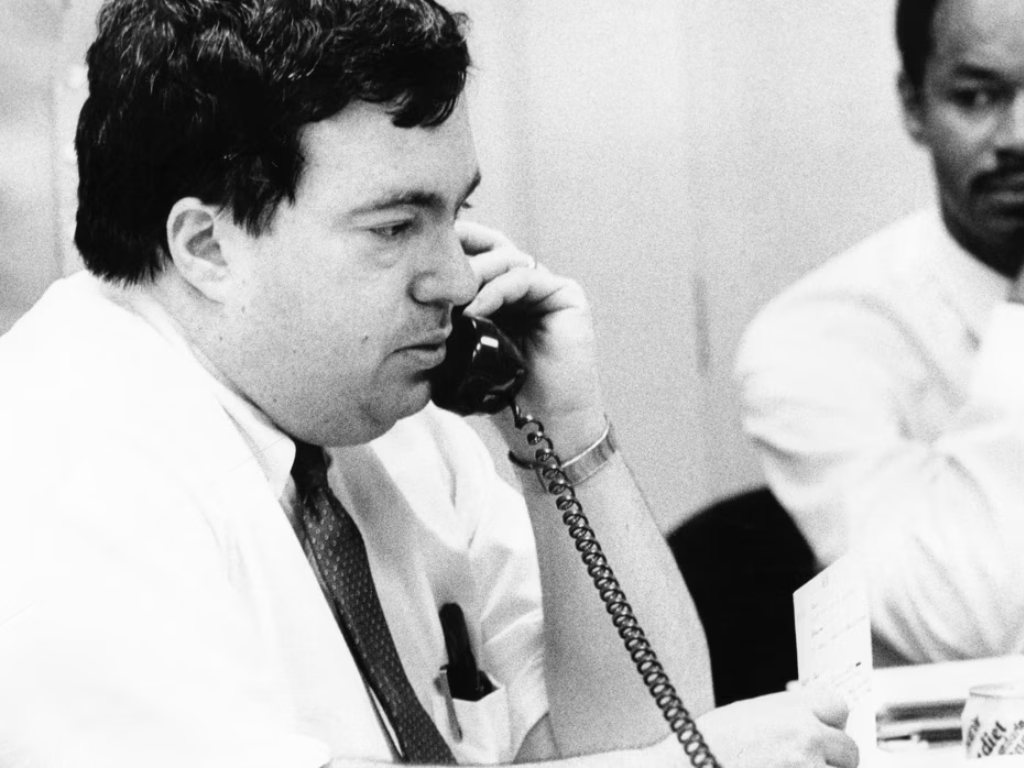
Jerry Krause is one of the greatest general managers in the history of the NBA. Despite being the architect of the rosters that won six titles in the 1990s with the Chicago Bulls, his impact often went under appreciated while he was alive. When the Bulls went to honor Krause, his widow was booed at the United Center. In “The Last Dance”, Krause was portrayed as something of a villain, the architect of a champion’s destruction. In that dynasty, it was head coach Phil Jackson who was the genius, the master of the triangle offense, the person that empowered Michael Jordan to be a champion.
Krause, meanwhile, traded for Scottie Pippen, drafted Toni Kukoc and Horace Grant, and acquired key players like Steve Kerr, Bill Cartwright, and Dennis Rodman. Jackson likely never gets the coaching job in Chicago if Krause doesn’t bring on Tex Winter, the mind behind the triangle offense. And yet when we think of those teams, countless names come to mind in terms of credit and adoration before you get to Krause. The perception of him is of the arrogant executive that wanted to rebuild a champion to get the credit that failed spectacularly. Krause is the encapsulation of what the NBA used to be, where coaches were icons and general managers were just cogs in the machine.
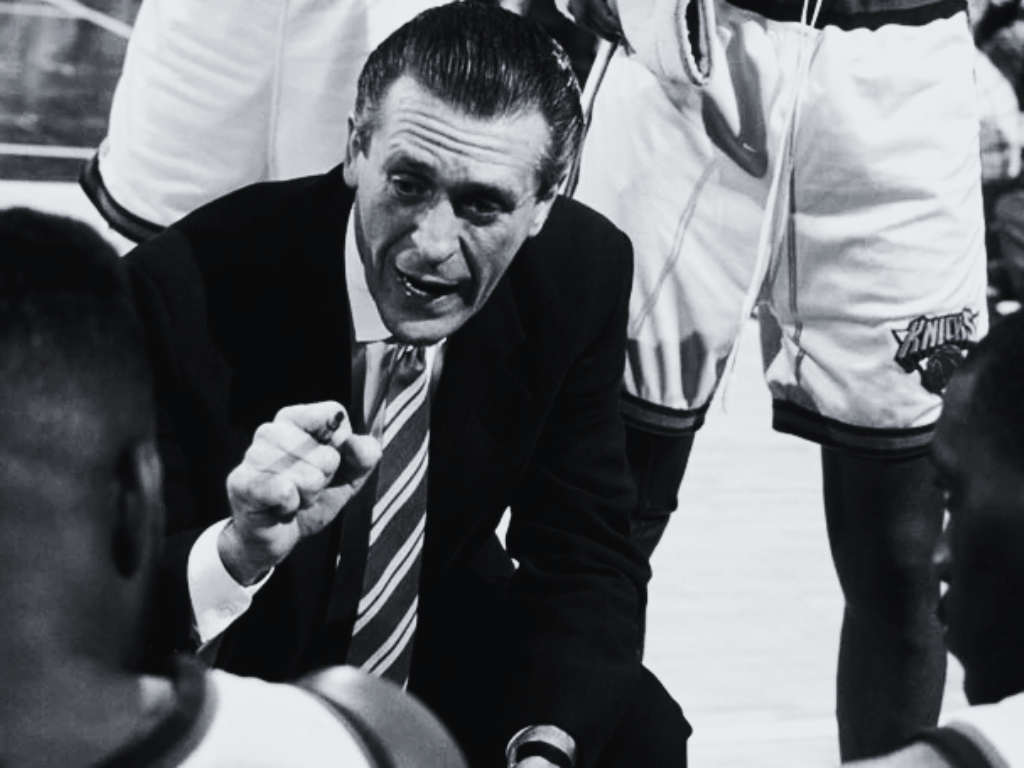
The 80s and 90s were filled with iconic coaches that came to define their franchises. Jackson with the Bulls, Pat Riley with the Lakers and Knicks, Chuck Daly with the Pistons, and so on. These were larger than life figures that were as much a part of the team’s image as any of the players. Coaches enjoyed a level of superstardom because of their presence on the sidelines and in press conferences. General managers, by contrast, often existed on the edges, making moves to bolster rosters while the coaches and players enjoyed the spotlight. Consider how Chuck Daly is revered by Pistons fans, but the general manager of those teams, Jack McCloskey, is often overlooked.
Part of this can be attributed to the way that the game was played years ago. There was a larger emphasis on team culture, on the instilling of a mindset, which often started with the head coach. The 90s Knicks were the way they were because of the culture that set by Riley. He had an image of what he wanted his team to be, and it was what he was as a player: gritty, hard-nosed, and scrappy. The Knicks of that era became that. Phil Jackson played for the Knicks in the 1970s and won a title as a player. Those teams were known for their ball movement and beautiful style of play. It is no surprise that the triangle with its optionality would appeal to him, and the Bulls became a reflection of him in that way.
But as time has gone on, the game of basketball has changed. The game is spaced out, creating more movement, more running. That poses a question of depth. Modern teams need to have more reliable benches to be successful today. As a result, we often glorify teams that are able to build out benches that compete at a championship level.

Consider the Denver Nuggets as a cautionary tale in this regard. The Nuggets for years had a seasoned head coach in Mike Malone and a great player in Nikola Jokic. But after winning the title in 2023, the cracks in their foundation started to appear. Players started to get injured and they did not fortify their depth with late draft picks that turned into foundational rotation players. The result has been a head coaching change and an early playoff exit with no clear path back to the top of the mountain in the Western Conference.
Team construction these days is wildly more complex than it was decades ago. Organizations need to operate around the restrictions of the salary cap with its luxury tax and apron rules that often limit the type of trades that can be executed without creative mathematical minds. The NBA, both on the court and in the front office, has shifted more and more into a mathematical equation. This is more suitable for enterprising front office minds as opposed to highly capable motivational coaches.
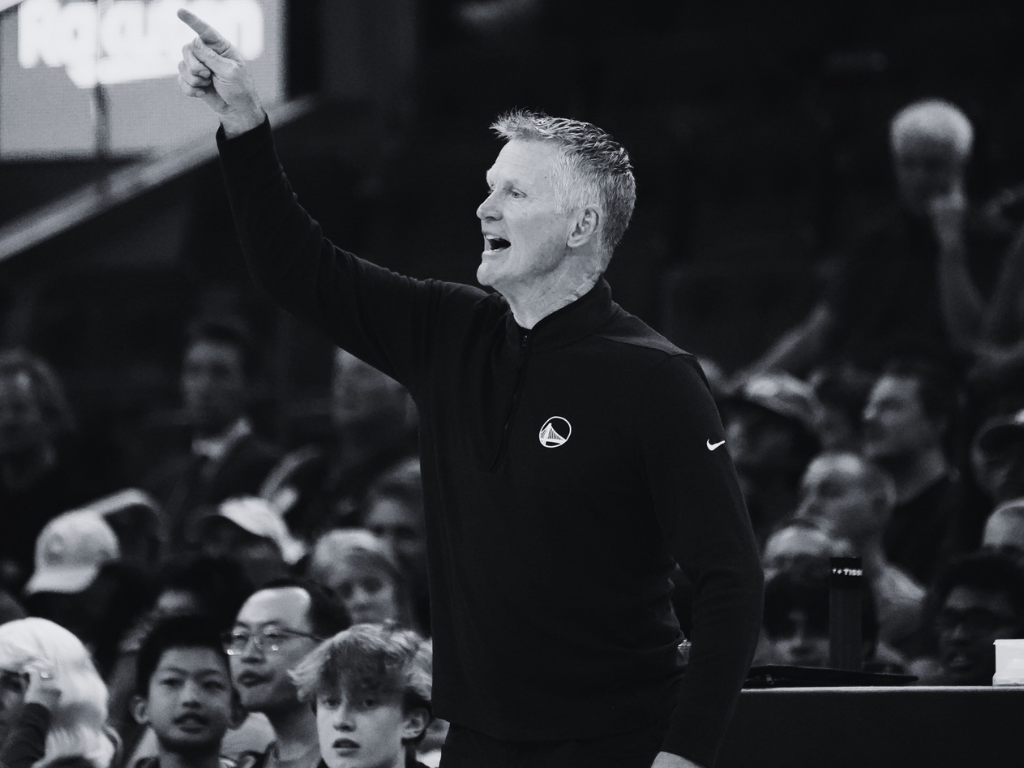
What has happened is that coaches have now come to be considered a bit expendable. 18 of the the leagues 30 head coaching jobs feature coaches hired in 2025 and beyond. Steve Kerr and Eric Spoelstra are the only two head coaches that were hired before 2020. Meanwhile, president of basketball operations for teams is much more stable—with 12 of the current presidents having been in their roles before 2020. Team’s often boast about corporate structure and collaborative nature when it comes to the dynamics between coaches and general managers. This is a swift departure from the days of old, where the coach had more of a authoritarian relationship within the hierarchy of a team.
It’s also worth noting that the devaluing of head coaches correlates with the wealth of teams and the salary cap. Since 1995, franchise values have ballooned by 3,500%, with owners becoming richer and richer. The Memphis Grizzlies are valued at $3.75 billion as of 2025, the least valuable team in the NBA. That figure would have been by far the most valuable team in 1995, where the Knicks topped the list at $173 million. That skyrocketing value means that owners can pay more to make a coach go away. While player salaries go against the cap, coaching salaries do not. As a result, whenever a team is disappointing, coaches often become the easy scapegoat, since it is much easier to move on from a coach than from a player based on salary cap mechanics alone.

The Phoenix Suns are the best example we have today of an ownership groups willingness to fire coaches. The Suns are currently paying four head coaches: Jordan Ott (current head coach), Mike Budenholzer (fired 2025), Frank Vogel (fired 2024), and Monty Williams (fired 2023). Because the Suns thought they were in a championship window, they concluded that all they needed was the right coach to make the puzzle pieces fit. What they realized was that the trio of Kevin Durant, Devin Booker, and Bradley Beal was not meant to win a title, regardless of the coach. But it took all those firings to accept that reality.
So much of basketball success today comes down to whether a team can operate smartly around the cap, draft well, and retain talent around the fringes. All four teams in the Conference Finals this season have shown different degrees of that, and it’s why they’re successful. They have all made pivotal acquisitions of value (Oklahoma City trading for Shai Gilgeous-Alexander or the Knicks signing Jalen Brunson) and have drafted incredibly well (the Spurs core is littered with players they have drafted and developed). These impacts have come from the front office and not the coaching seat, which is evidence of the expendable nature of NBA coaches in 2026.
These dynamics have created a world where a general manager is more important than a head coach. Teams now need to be able to convert later round draft picks, to maneuver around the complexities of the salary cap, and to be creative with trades. It should also be noted that they often have closer relationships with ownership, giving them leverage and job security because of the relationships that they have built—a nod to the more corporate nature of modern teams.
When I see the dynamics of the Thunder, the entrenched great GM and the coach that flies under the radar, I see an inverse of what used to be the norm. It’s a reflection of how much basketball has changed. The game is more sophisticated now, more analytical, but also less emotional. The great coaches of the past were the heroes on the sidelines, but today its the calculating executive that gets the praise. And that is the truest reflection of what we have become as a society.