The Scottie Pippen Paradox
How one player's greatness became a psychological force that has been quietly shaping NBA careers ever since

Jaylen Brown has had an incredibly successful career. He is an NBA Champion, Finals MVP, has been to the Finals twice, and the Eastern Conference Finals six times. And yet, it was this season, where his Celtics blew a 3-1 series lead in their first round series against Philadelphia, that Brown has described as his favorite year yet. Brown’s explanation was that because the team was expected to take a step back after Jayson Tatum’s Achilles injury the previous postseason, ending up as the two-seed in the East should be viewed as a huge accomplishment. What Brown was really saying though, was that he was elated to finally be the primary scoring option on the team.
For years, many have wondered about the pairing of Jayson Tatum and Jaylen Brown. Questions have abounded about how much they enjoy playing with each other, and if Brown ultimately would be happier in a different situation. This tension about Brown’s future is not new—countless other stars have started in a sidekick role but craved to be the star and forced their way out to do it. What NBA stars are often looking to avoid is being placed in the Scottie Pippen box—a destiny of greatness that is forever linked to the more prevalent star’s shadow.
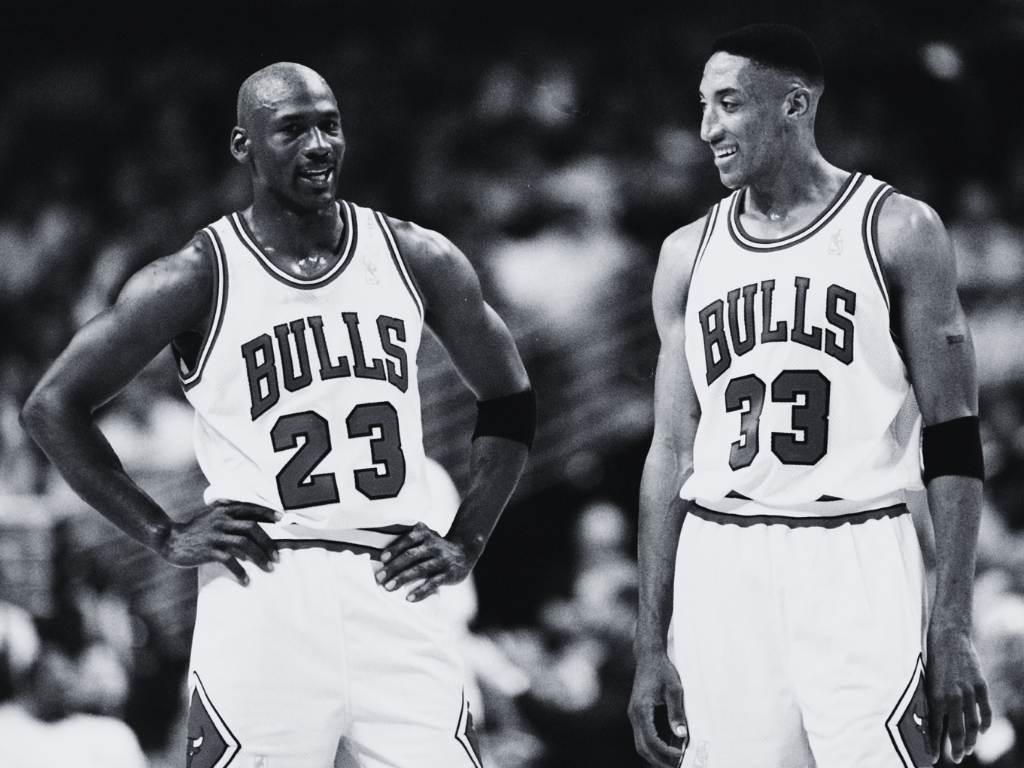
Scottie Pippen is one of the greatest players in NBA history. He was a ten-time All-Defense selection, seven-time All-NBA selection, and seven-time All-Star. His standing as an all-time great is further cemented when you consider that he was 8th all-time in steals, 5th all-time in playoff defensive win shares, and 9th all-time in value over replacement player (VORP). Pippen was a defensive savant and one of the best two-way players we have ever seen.
Yet despite those numbers, much of the reverence for Pippen is tied to Michael Jordan. When people think of the 90s Bulls dynasty, they never think of Pippen on his own—but rather always as a sidekick. When he left Chicago after 11 seasons and six championships, he jumped into a Houston situation where he was once again overshadowed and in the twilight of his athletic peak. With the Rockets he paired with two other aging stars: Charles Barkley and Hakeem Olajuwon. Then in his final years with Portland, he joined a team that would later be known as the “Jail Blazers”, where off-the-court issues plagued the perception and reality of the team. Pippen never truly got his own team in that sense, forever attaching him to Jordan.
For a while, this seemed like a favorable arrangement. Pippen has been looked at as a player that was ahead of his time, the point forward before such an archetype ever existed. But much of that sentiment started to erode when “The Last Dance” came out. The ten-part documentary is equal parts a chronicling of the 1997-98 Bulls championship team and biography of Michael Jordan. In it, Pippen comes off poorly, like someone resentful of Jordan’s fame who at times was incredibly self-interested. In recent years this has evolved into bitterness, where Pippen expressed feeling misrepresented in the documentary.
A particular excerpt from Pippen’s memoir “Unguarded” feels especially indicative of his bitterness towards Jordan:
Each episode was the same: Michael on a pedestal, his teammates secondary, smaller, the message no different from when he referred to us back then as his ‘supporting cast.’ They glorified Michael Jordan while not giving nearly enough praise to me and my proud teammates.
For a modern NBA superstar, they likely watched the documentary (it aired in the midst of COVID-19 lockdowns after all) and saw how Pippen came off and considered how he was viewed afterwards. One of the greatest wing defenders of all-time, relegated to being viewed as merely a sidekick sends a message to a league where players concern themselves with the way that they’re viewed historically. For them, Scottie Pippen is a cautionary tale.
There is a bit of ego that comes with being an NBA superstar. Of the over 500,000 teenagers that play high school basketball in the United States, only 0.01% of them make the NBA. Making the NBA means that you are the cream of the crop of basketball talent. Becoming a superstar among that pool of players is even rarer company. With that level of talent, there’s a different level of bravado.
Great players are often the best players on their teams at every level until they reach the NBA. So, they have a deep level of confidence that when given the opportunity, they can lead a team to great things. Role players that retire will often claim that had they been given the green light to shoot as much as they want, they would have been All-Stars. That level of confidence is table-stakes in the NBA. And eventually that confidence bubbles over into a need for the spotlight.
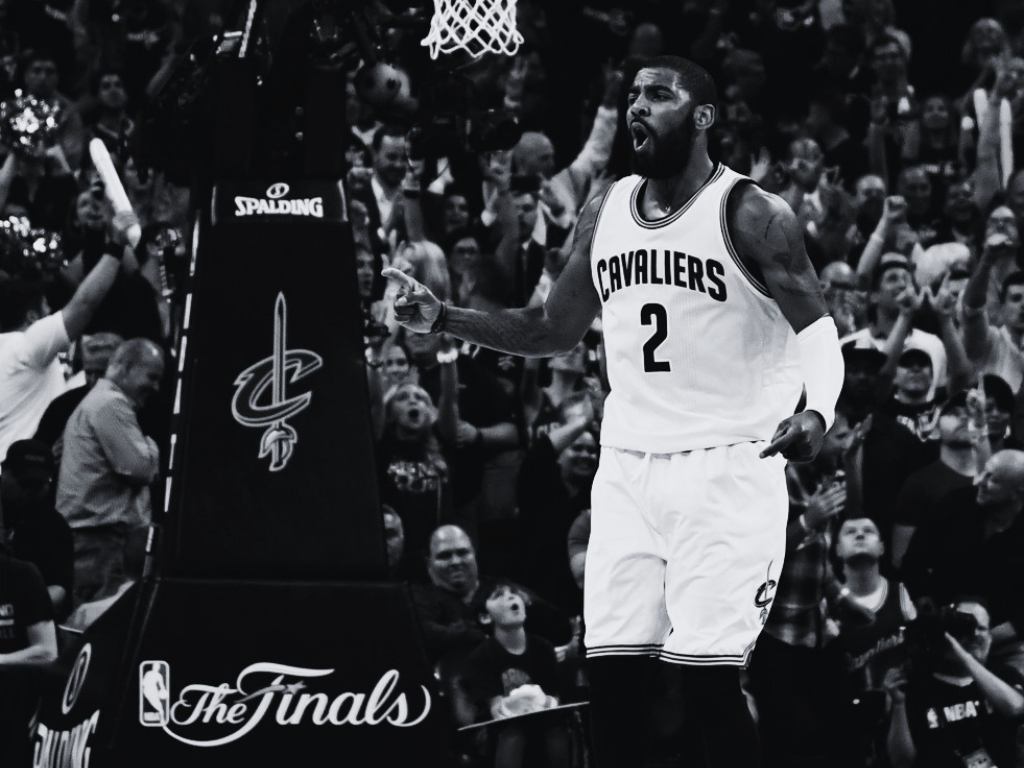
A good example of a second option wanting to carve their own path is Kyrie Irving. Irving was a hero of the 2016 Finals, hitting a huge shot that sealed the Cavaliers’ first title. He was the perfect complement to LeBron James, a dynamic combo guard that could take the offensive load off of James—much like Dwyane Wade did in Miami. But playing in the shadow of the most popular basketball player on the planet can have its drawbacks. Irving was a high-profile player who went to Duke and was drafted with the number one overall pick. In Cleveland he made All-Star teams and was named All-NBA third team once, but he wanted more, he wanted to be the focal point.
Despite all of the success as LeBron’s running mate, he wanted to carve his own path and avoid falling victim to a Pippen fate. The result has been that Irving has become a well-traveled veteran going from Cleveland to Boston to Brooklyn and now in Dallas. There is a certain breed of NBA fan that has grown to appreciate Irving’s game, celebrating his skill as a ball handler and finisher at the rim. This appreciation increased once he left Cleveland, when he was given more of an opportunity to showcase his talents. He took fewer shots in Cleveland and had less usage than his other stops, indicating that leaving allowed him to flourish.
The flip side of that is that while he left to reform how he was viewed, he also lost the insulation that LeBron provided. The way he left Boston, the COVID situation in Brooklyn, and his elder statesman status in Dallas paint Irving as a flawed player with a fascinating personality that might not have been as evident had he stayed with LeBron. But what that journey has afforded him is to be viewed as a singular entity as opposed to forever being attached to a great player.
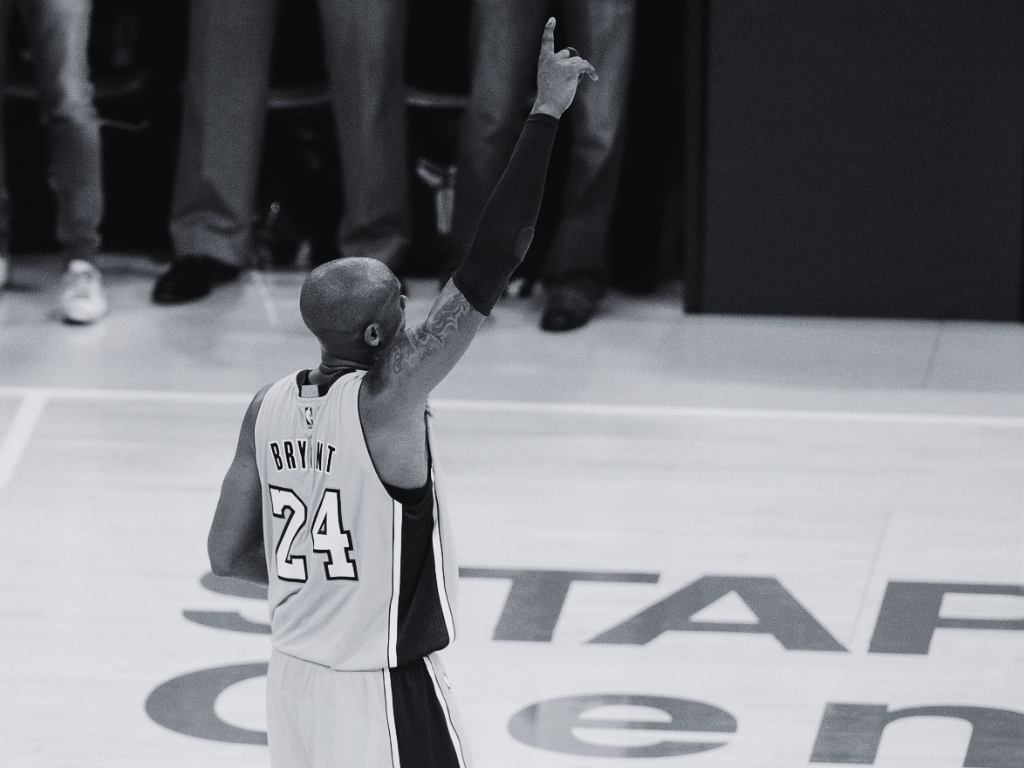
There is often a need for many players to define their own stories, to have some control of the situation. Kyrie got his in a way that uniquely showcased him, for better or worse. Another example of redefinition by subtraction is when the feud between Kobe Bryant and Shaquille O’Neal led to their separation in Los Angeles. While Kobe was magnificent during that run, much of his mythology as a basketball player was crafted after O’Neal left and he became the sole face of the Lakers franchise. That is when “Mamba Mentality” entered the basketball lexicon and his legendary work ethic was cemented.
While superstar players often talk about only being concerned with winning, that often means winning their way during their peak years. Yes, they want to win—but with them as the focal point, where they can receive the accolades. Shaquille O’Neal has often lamented about his decision to leave Orlando for Los Angeles, largely because of a battle of egos between him and Penny Hardaway.
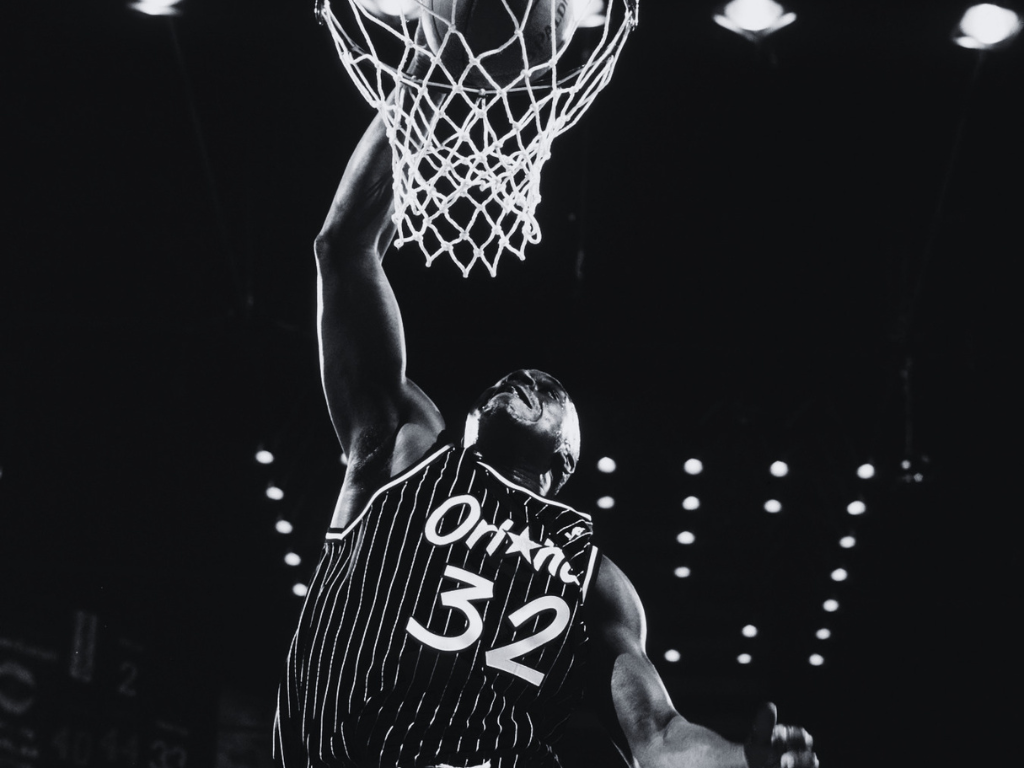
O’Neal had great success after Orlando—winning titles with the Lakers and Heat. He escaped the prison of the Pippen paradox but replaced it with the hypothetical circle of regret. Despite the success of his playing career, a part of him still wonders if the story would have been different had he stayed with Penny in Orlando. That creates a tension for the star player, the pressure to be seen as the main guy but also the curiosity of would have a career been better served if he ignored the heliocentric impulse of being the center of attention.
Part of the calculus is also that those that do remain as secondary pieces can become revered—but only to a certain point. Klay Thompson is an example of this during his time in Golden State. Alongside Steph Curry, Thompson established himself as one of the best shooters in NBA history. In his fourth season, he turned into an All-NBA player and received some MVP votes. He was scoring 21 points per game while shooting 43% from three—numbers that would have easily justified moving on to another team. But instead, he stayed, won titles in Golden State, and is remembered as part of the most lethal shooting backcourt in NBA history. For a player like Thompson, the sidekick role was never a detriment, even if it meant being perpetually linked to Steph Curry.
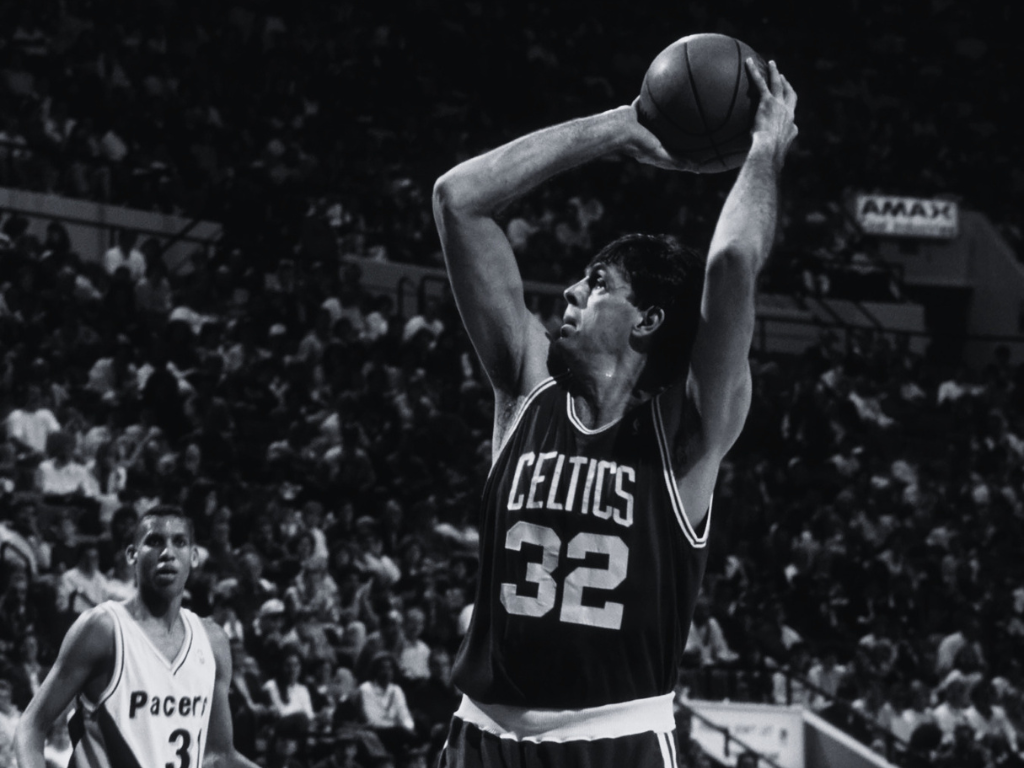
Another player that was able to set aside his ego in the interest of team success was Kevin McHale. McHale is one of the best power forwards of all-time, but he happened to share the front court with Larry Bird—an icon of the 1980s. McHale was renowned for his excellent post moves and footwork, but his enduring legacy is as the epitome of being “team first”. He won back-to-back Sixth Man of the Year Awards while averaging 19 points and 8 rebounds per game in 32 minutes of action per night. He could have easily asked for a trade and dominated elsewhere.
But he didn’t and instead became a fixture in Boston and won three titles. For him, being in Bird’s shadow was never an issue. In a certain sense, McHale is the anomaly to the modern superstar. A player who filled a role defined by team structure seamlessly. Instead of trying to seek the validation of the spotlight, McHale was content to be a puzzle piece for one of the best constructed teams we’ve ever seen. His ultimate memory is tied to the team of that era as a result, a remnant of a time when that was considered the ideal.
But players like Thompson and McHale are the exception and not the rule. Most players end up feeling like Scottie Pippen, with a thirst for the accolades that come with individual praise—even if it comes at the expense of winning.
Consider the way that Kevin Durant is viewed as proof of this battle of perception. Durant left Oklahoma City for Golden State—a move that to this day is viewed as the free agent equivalent of pure cowardice in the eyes of many. Durant won two titles as a Warrior, but those titles are cheapened and valued as less than because he stacked the deck and joined a ready-made championship contender.
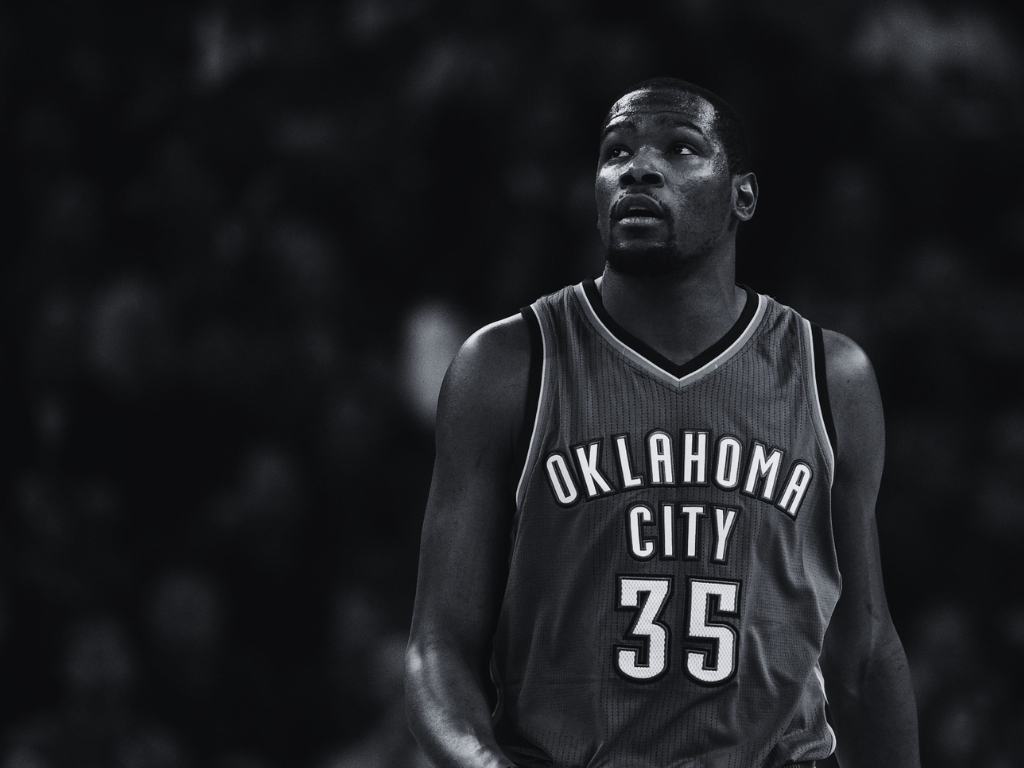
People expected Durant to forge his own path if he decided to avoid the Pippen paradox with Russell Westbrook in Oklahoma City. Instead, he succumbed to rings culture, assessing that the easiest way to shut people up about him not having championships, is to latch on to a team that has the best chance of winning. And it backfired on him, because so often we value the way the ring was won and not just the raw number. One title or even another Finals run with Westbrook would have reshaped the way we view him. Durant sought to escape one characterization and was instead burdened with a completely different one.
The way we view basketball is grounded in championship legacy and burden. We value the players that shouldered more responsibility, so it is only natural that star players gravitate towards having a team built in their image during the primes of their careers. We are so quick to diminish a player’s accomplishments if they won somewhere as a secondary option, as if the title is less meaningful because of that.
That mentality is what makes a career like Scottie Pippen’s a bit of a scarlet letter for an NBA superstar. There is no true escape from the Pippen paradox, when the options are to stay and remain secondary or leave and risk the unknown critiques of that outcome. Kevin Durant avoided the Pippen paradox, only to have his legacy relitigated constantly. Jaylen Brown was the focal point of an imperfect season, a circumstance that he relished after years of sharing the spotlight. It’s a little selfish, yes, but also understandable. The best players are irrationally confident, and that confidence needs a stage. As long as a career like Scottie Pippen’s is treated as a cautionary tale, players will keep making the decision to chase a version of greatness that we have accepted as universal.
Thanks for reading Deep Cover! This post is public so feel free to share it.