The Significance of Damian Lillard's Return to Portland
The star point guard is back to where it all began, and is taking control of the conversation of his career in the process
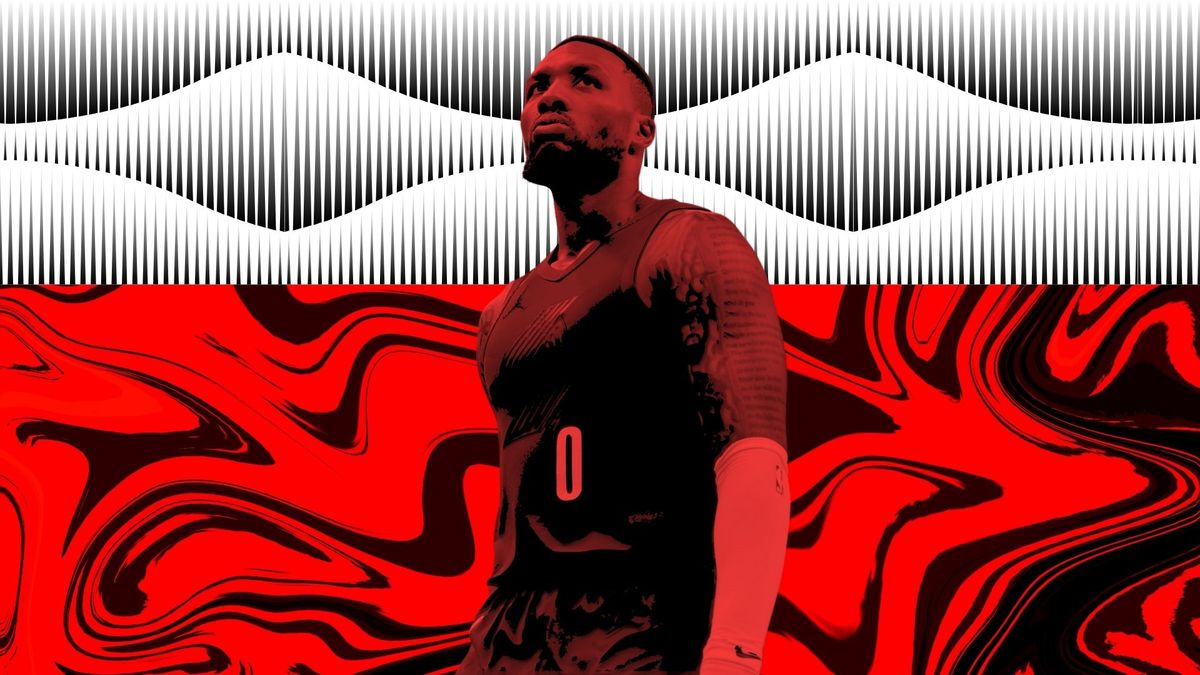
The modern sports media apparatus wants us to believe that the only thing that defines athletes is championships. The ring culture debate has been going strong from a conversation perspective for well over three decades, where a player is deemed great or subpar based on how many championships they have or have not won. Damian Lillard has been both the posterchild of ring culture and the argument against it.
After being waived by the Bucks, Lillard has returned to Portland where he cemented himself as one of the best players in franchise history. After a trade request to compete for a title that sent him to Milwaukee didn’t work out, he is back where it all started.
Lillard will miss the entirety of next season as he recovers from a torn Achilles but was nonetheless a free agent target for several contenders. Yet he decided to return to Portland, a team that is getting better but won’t be playing for a title any time soon. His decision sends a message that’s rings are in fact, not everything.
The Prodigal Son Returns
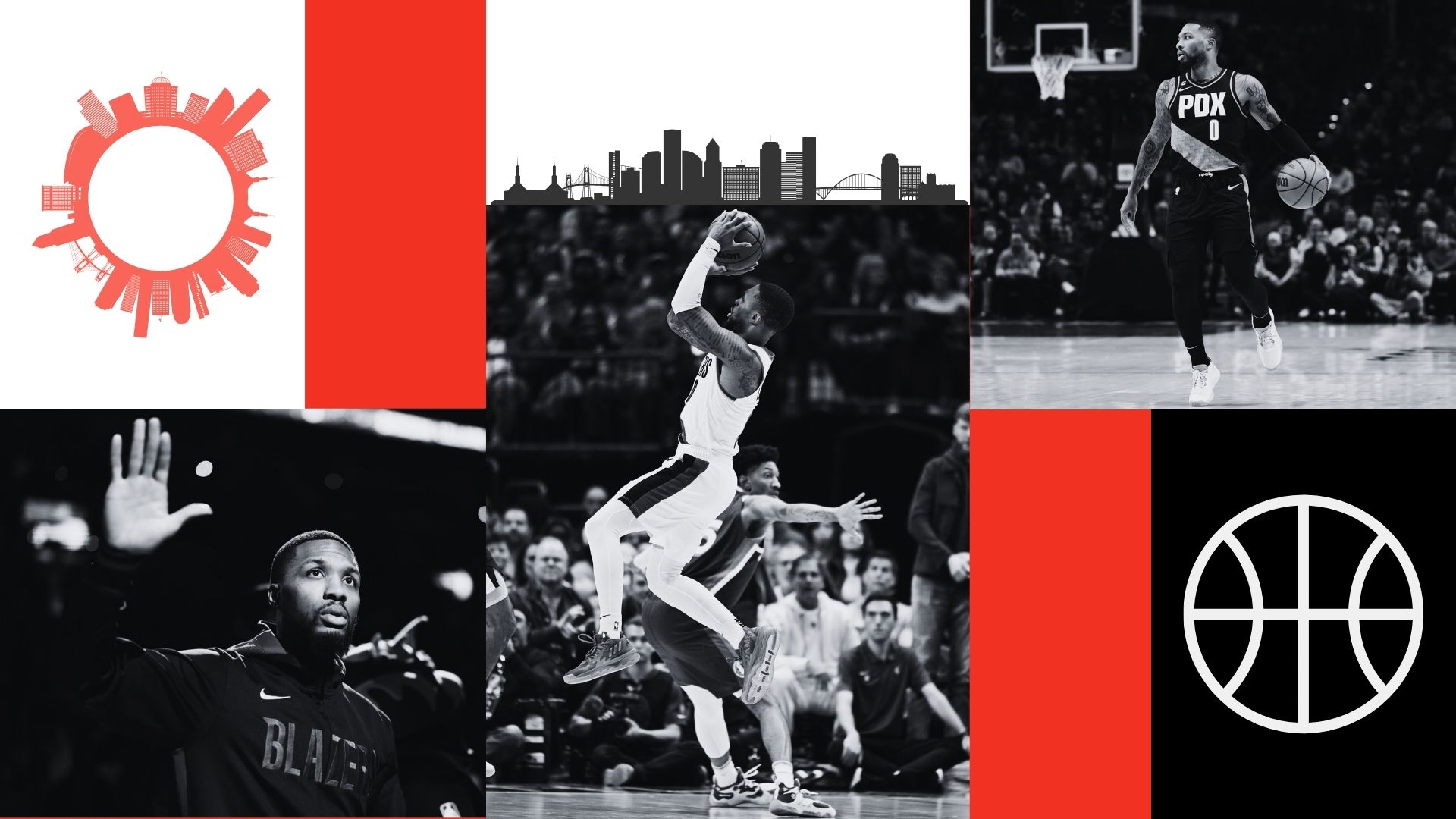
Lillard’s time in Portland, while without any Finals appearances, must be deemed a success. He was a 7-time All-Star, Rookie of the Year, 7-time All-NBA selection, and finished in the top eight in MVP voting five times. In the Lillard era, the Blazers made the playoffs eight times with a Conference Finals appearance in 2019.
Lillard joined the Blazers shortly after Brandon Roy retired prematurely due to his chronic injuries. It was a time when Blazers fans must have felt snake bitten. Sam Bowie, Greg Oden, and Roy were all supposed to be centerpieces that just could not stay healthy. Particularly having Roy and Oden dealing with derailed careers at basically the same time was a blow that is a gut punch to a fan base.
Even players felt that the team was destined for injury-related suffering. Former Blazers center Marcus Camby once commented on the feeling, noting that “It’s hard to argue when it keeps happening”. This is the environment that Damian Lillard entered. As a prospect, Lillard wasn’t highly regarded as a superstar level talent. Many scouts projected him as a decent guard who had a reliable three-point shot.
Lillard proved these assessments to be too modest almost immediately. He holds the following records in Blazers history:
· 2nd in assists
· 6th in steals
· 1st in points
· 1st in three-pointers made
· 1st in free throw percentage
· 1st in offensive win shares
There is an argument to be made that Lillard is at worst the third greatest Blazer of all-time behind only Bill Walton and Clyde Drexler. That is elite company for someone that was projected to just be an okay rotation guard.
Despite being the posterchild for player loyalty for many years (it’s safe to say that Devin Booker currently holds that crown), the trappings of ring culture eventually sunk their teeth into Damian Lillard. Lillard has always wanted to win a title, but he wanted to do it in Portland—to remain loyal to the city that took a chance on him and reward them for that faith.
But as with all long-term relationships in pro sports, the split was messy. Lillard didn’t appreciate that the team shut him down towards the end of the 2023 campaign to improve their Draft Lottery odds. And when they didn’t luck into Victor Wembanyama and didn’t trade their pick (which became Scoot Henderson), he felt that the team was ready for a rebuild that he was not ready to be a part of. All this tension resulted in him requesting a trade that landed him in Milwaukee to play with Giannis Antetokounmpo.
His time with the Bucks didn’t go according to plan, riddled with numerous injuries and first round exits. While he was in Portland, Lillard lamented that great players that move around often become nomads without a true home all in the hopes of chasing the glory that has eluded them throughout their careers. When the Bucks decided to waive Lillard and stretch his contract over five years to sign Myles Turner, it presented Lillard with a choice. He could become the very nomad that he warned against so many times, or he could chart a path with a different priority. He chose the latter.
The Prioritization of Happiness

After his release from the Bucks, the Warriors, Celtics, and Lakers were all reportedly interested in signing Lillard. All three of these teams have title aspirations in the short term and would have likely presented a strong opportunity for Lillard to win a title. Instead, Lillard opted to return to Portland, a team that is getting better but will likely miss the playoffs next season.
Dame was presented with a crossroads moment. Did he really want to be the aging superstar that bounced from city to city in the hopes of the great unknown? Instead, he opted to return to the city that helped mold him into the man he became. The city where he is eternally respected by multiple generations of fans. And most importantly, the city where his family continued to live despite his trade to the Midwest.
What Damian Lillard chose was inner peace. He returns to the Blazers as an older player who can now impart his NBA wisdom on young players like Toumani Camara, Shaedon Sharpe, and Scoot Henderson. Since he will miss the next season in its entirety, there is an opportunity for him to fully dive into a mentorship role alongside the Blazers coaching staff.
There is no knowing what sort of player Lillard will be when we see him suit up next. He will have a full season to show us in 2026-27 and then decide on a player option when he is 37. As currently positioned, Lillard has a chance to further cement himself in the Blazers record books and be a crucial part of the development of an exciting young team that showed promise, registering a 23-19 record in the second half of last season.
Damian Lillard’s decision is a loud rebuke of the expectation of ring chasing—and quite frankly he is the perfect person to zag when everyone has zigged. Lillard has gone back to a franchise and city that appreciates him and his contributions, where he and his family can live a life without the complications of frequent player movement and the stress of uprooting their foundation.
He has a chance to pen a final chapter that is filled with mentorship and education. Many will look back on Lillard’s career when it comes to an end and lament why he never won a ring—just as they have done for players like Patrick Ewing and Charles Barkley. But Lillard is doing what makes sense for him, on his own terms, and returning to the place where he feels most welcome. There is beauty in that, and it deserves to be celebrated.
Thanks for reading Deep Cover! This post is public so feel free to share it.