The Slippery Slope of the NBA Becoming a “Highlight League”
Pricing, platforms, & the erosion of basketball’s full-game narrative
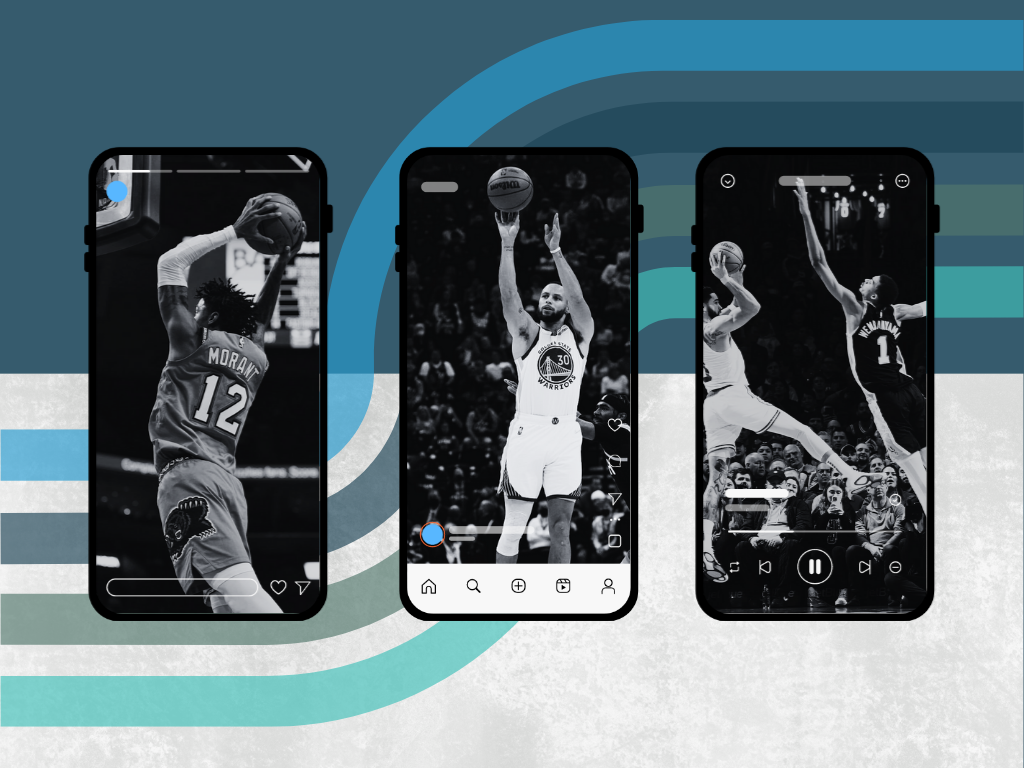
Ja Morant soaring on a fast break. Steph Curry drilling a deep three. Victor Wembanyama erasing a floater at the rim. These are highlights you can picture immediately. Highlights have always been—and will always be—a part of the NBA’s brand of basketball. As a sport with some of the best athletes in the world, short clips offer a quick glimpse of that greatness.
But is the NBA viewing highlights as the main show instead of a supplementary addition? Recently NBA Commissioner Adam Silver was asked about the rising cost of watching games as the league’s new media deal has divvied up broadcasts across multiple networks. Silver’s response was that “there's a huge amount of our content that people can essentially consume for free”, and that the NBA is “very much a highlights-based sport”.
Silver’s comments have a definite “let them eat cake” energy to them and display a disregard for how difficult it will soon be to watch NBA games while also discouraging fans from watching full games since in the league’s eyes, watching the highlights is good enough. The focus on highlights speaks to maximizing advertiser reach while disregarding the brand of basketball that the league plays. It speaks to the way that we watch basketball and sports as a whole, devaluing the story of a game and instead focusing on the flash of a 15 second clip.
The Access Dilemma
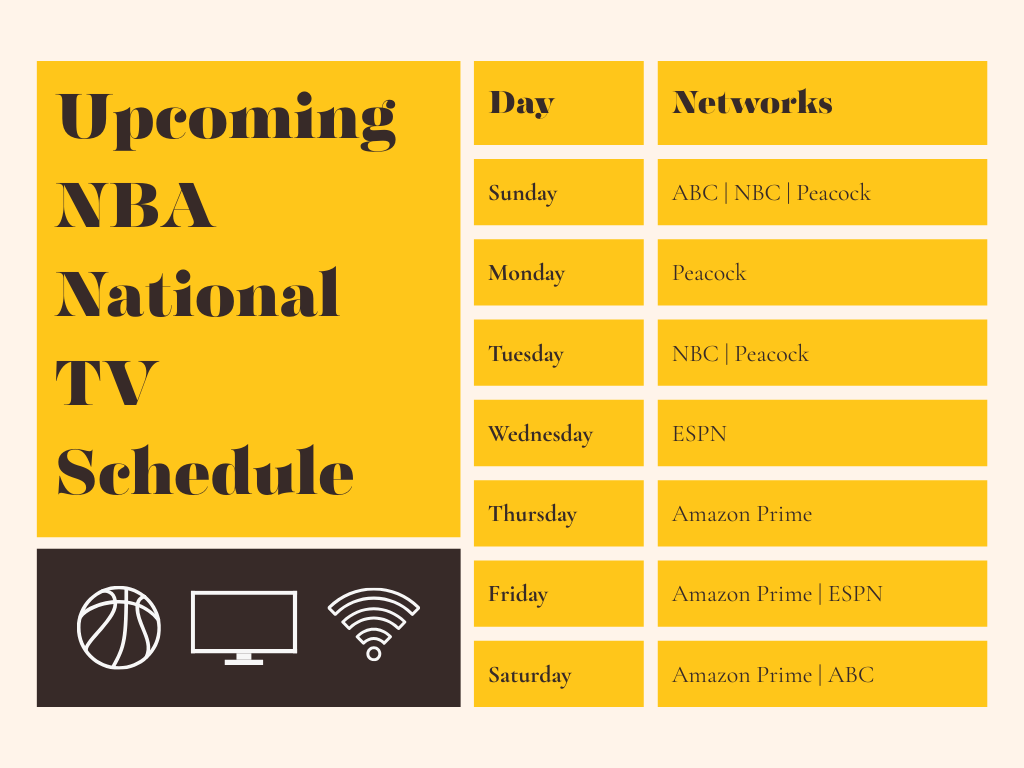
The NBA recently inked its new $76 billion media deal, and it has added more complexity for fans looking to watch the games. During the season, nationally televised games move beyond the two-network-model of ESPN and TNT. Nationally televised games during the week will be on ESPN, NBC, Peacock, Amazon Prime, NBA TV, and ABC. The goal of the league and its network partners is to have a national game on every night of the week during the NBA season.
This creates a minefield for fans. The costs of linear TV streaming solutions like YouTube TV and Hulu + Live TV are continuing to increase, now exceeding the $80/month threshold. These services offer ESPN, NBA TV, NBC, and ABC. But watching national games alone will also require subscribing to Amazon Prime and Peacock in addition. Users also have the option of simply signing up for the new ESPN app, Amazon Prime, and Peacock as a potential solution—but that also misses out on potential NBA TV games. In short, it’s an app-hopping disaster.
This only covers national TV games and doesn’t take into account local broadcasts of teams. For those games, NBA League Pass has long been the best option. But with more nationally televised games, some of its utility will be diminished. The subscription will move away from providers like YouTube TV that had it as an add-on previously, instead being managed by Amazon—further reinforcing the need for dedicated NBA fans to have a Prime subscription.
Previously, local games were handled by regional sports networks (RSNs), but they have transitioned to bundle apps for local teams. The prices vary on these depending on market. For instance, Detroit fans can watch the Pistons, Red Wings, and Tigers for $20/month through FanDuel Sports Network while New York sports fans would have to pay $42/month for all their teams with the Gotham Sports app.
As it currently stands, it is likely that an NBA fan will end up with a cocktail of the following subscription packages:
- YouTube TV (or another live TV streamer): $83/month
- Amazon Prime: $15/month
- ESPN: $30/month
- Peacock Premium Plus: $17/month
- NBA League Pass: $25/month
- Regional Sports Network Pass: Typically starts at $20/month, depending on market
This adds pricing complexity in addition to a lack of awareness of where a game will be broadcast because the league has taken its pie and cut it into so many pieces in the name of media rights revenue. The result for fans is potentially more money and more confusion, which will inevitably lead to more people deciding how much NBA they truly want to watch. Diehards will pay the cost, of course, but this confusion creates added friction for casual fans that don’t want to be bothered. Adam Silver’s answer to this is to just watch highlights. His answer reads like telling people to reach for crumbs of the proverbial pie that he has just divided among billion-dollar media entities, and it shows a disregard for the fans of the league.
The Trouble with Highlights

The NBA and its teams are very active on social media sites like TikTok, posting highlights regularly. The same goes for the league’s YouTube presence, where 10-minute game montage videos are common throughout the season. The purpose of this sort of video content is to meet fans where they are—and where they are is their phones. In the process, however, much of the context of a game gets lost. It’s a problem that the NFL (and now ESPN) also faces with RedZone.
RedZone is a product that is an excellent auxiliary display option to see scoring plays and to be aware of the scores around the league. The trouble with RedZone is that the full story of a game is lost when it is distilled to just plays in the red zone or a highlight of long touchdown plays. Much like highlight montages on SportsCenter, they are best when adding the context of what happens in a game. But because it has a sort of cult following, it has sent a message that people are content with just watching highlights.
In basketball, focusing only on highlights or a specific player’s great night misses the context of a game that watching the full game provides. Let’s consider a scenario where the Oklahoma City Thunder are playing. They win the game, and their star Shai Gilgeous-Alexander has a great game and scores 40 points. Naturally, highlight clips and snippets will focus on Shai’s scoring and how he got those points.
But there are finer points that those clips could miss. Perhaps Alex Caruso contributed 8 high-leverage defensive minutes that led to a scoring run to fortify a lead. Maybe Jalen Williams or Chet Holmgren went on a run of points while Shai was on the bench. Maybe the team the Thunder were facing turned the ball over a lot leading to opportunities for Shai and the Thunder to capitalize. The story of that game would be so much deeper than just Shai’s offensive excellence.
The loss of that context ignores the finer points of watching basketball and distills it down to dunks, three pointers, and chase down blocks. It’s like reading a summary of a novel from generative AI and claiming to have read the whole story. While box scores and highlights (the free access that Silver suggests) tells the story of who had a great game and shows a couple of the plays to prove it, it loses a sense of the flow of the game. Highlights can’t tell you about the moments that led to the highlight play or high-leverage moment—they are merely snippets.
The danger of someone like Adam Silver simply suggesting that watching the full game isn’t needed further highlights an issue in professional sports. Full game context is often ignored in favor of talking points and social media virality, and the NBA leaning fully into highlight culture could have some repercussions to the future of the game.
Long-Term Effects

Sports have always had a push and pull dynamic between art and science. The art is what the players can do, using their athletic ability to complete the unimaginable. The science is rooted in data, with the use of advanced analytics to get the most out of players and schematic concepts. In recent years, the data has started to become more prominent with the rise of analytics in all the major sports. It has rendered sports into a sort of math problem as opposed to an athletic competition.
From an efficiency standpoint this has been a huge win. Quarterbacks in the NFL pass with more accuracy than they used to and in the NBA players shoot with more accuracy than they ever have. In basketball, this has meant more specialization of skill sets. Players are often put into boxes like “three and D”, “rim runner”, or “corner specialist”. In a way, it’s taking an assembly-line approach to roster construction. But despite this specialization, there is still room for the magical storytelling that can happen during the course of a basketball game.
That storytelling gets diminished if fans are encouraged to consume highlights instead of watching games. Consider younger fans of the game coming up today. If all they see on their social media feeds and YouTube clips are dunks and midcourt threes, that is all they will want to do. What gets lost are intangibles that win basketball games. We have already seen this in youth basketball, as kids go from game to game without sustained skill development.
This is an existing problem that will only increase as access to games is deprioritized for young fans. Not all hope is lost though. The games on NBC and ABC can be accessed for free with TV antennas (a point that Silver made to his credit). But this doesn’t resolve the deeper issue that the head of the NBA seems to suggest that highlights are a suitable substitute for full games. A highlight will never be able to tell the full story of a game, no matter how it is packaged and presented.
Basketball is a beautiful sport that offers nuances and intricacies that have the potential to create a rollercoaster of emotions. Reducing that to 60-second social clips and dunk reels takes some of the beauty from the sport and distills it into one small part of what makes the game great. Those who analyze the game at a high level should be celebrated, rather than further proliferating clip culture that has emerged in the social media era.
On a recent episode of the Bill Simmons Podcast, they lamented the loss of eloquent pregame intros to games that lay out the stakes before a game starts. What they are missing is the storytelling of basketball that helped to make a moment bigger and emphasize its importance. It’s something that we have lost in professional American sports, and the NBA viewing its sport as a highlight league only further sets us down a path of not appreciating the beauty of the sport and the stories that a full game can tell.
Thanks for reading Deep Cover! This post is public so feel free to share it.